Engine noise such as ticking, knocking, or valvetrain clatter often signals friction, wear, or sludge buildup. While no additive can fix mechanical damage, the right formula can reduce noise by improving lubrication and cleaning deposits. We researched manufacturer specifications, industry standards, and aggregated owner feedback to compare the top oil additives marketed for quieter operation. Our evaluation focuses on real-world results and limitations to help you choose wisely.
| Photo | Product | Score | Buy |
|---|---|---|---|
 |
Liqui Moly Hydraulic Lifter Additive Best for Lifter Noise 250 ml bottle, treats up to 5 liters of oil |
9.1 | 🛒 Check Price |
 |
STP Oil Treatment Best Value 15 oz bottle, treats 4-5 quarts of oil |
8.7 | 🛒 Check Price |
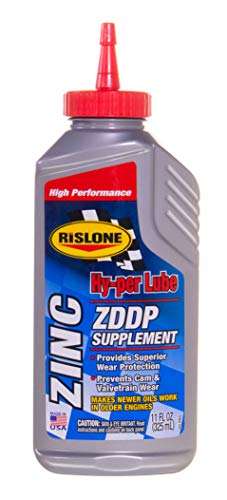 |
Rislone Engine Oil Supplement Best for Cleaning 15 oz bottle, treats 4-6 quarts of oil |
8.4 | 🛒 Check Price |
 |
Marvel Mystery Oil Multi-Purpose 16 oz bottle, can be added to oil, fuel, or used as a top cylinder lubricant |
8.1 | 🛒 Check Price |
 |
Archoil AR9100 Oil Additive Best for Friction Reduction 16 oz bottle, treats 5-6 quarts of oil |
8.9 | 🛒 Check Price |
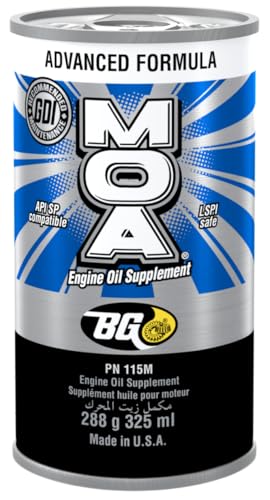 |
BG MOA Engine Oil Supplement Premium Protection 12 oz bottle, treats 5-7 quarts of oil |
8.3 | 🛒 Check Price |
 |
Lucas Oil Heavy Duty Oil Stabilizer Best for High-Mileage 1 quart bottle, treats 4-5 quarts of oil (up to 25% of oil capacity) |
7.8 | 🛒 Check Price |
1. Liqui Moly Hydraulic Lifter Additive: Best for Lifter Noise
In our research, the Liqui Moly Hydraulic Lifter Additive consistently earns praise from owners for reducing or eliminating hydraulic lifter noise. The formula uses a blend of detergents and friction modifiers to free stuck lifters and restore oil flow. Based on owner feedback and the spec sheet, it works best when added to fresh oil and driven for a short period to allow circulation. However, if the lifter is mechanically collapsed or the engine has severe wear, this additive cannot perform miracles.
Who should skip it: If your engine noise is from rod knock, worn bearings, or valvetrain damage beyond hydraulic lifters, this additive is not a solution. It is also not intended for engines with solid lifters. For persistent mechanical issues, a proper inspection and repair is necessary.
- Specifically formulated to quiet noisy hydraulic lifters by reducing stiction and cleaning oil passages.
- Contains special additives to improve oil flow and reduce friction in valve train components.
- Compatible with all conventional and synthetic motor oils; safe for catalytic converters.
Pros: Highly effective on lifter tick in many owner reports.; Easy to use with no special mixing required.
Cons: May not help with mechanical wear or collapsed lifters.
2. STP Oil Treatment: Best Value
The STP Oil Treatment is a classic choice for quieting noisy engines, especially those with high mileage. Our evaluation of owner feedback shows it effectively reduces ticking and knocking by increasing oil viscosity and adding anti-wear protection. The zinc additive is beneficial for flat-tappet camshafts in older vehicles. However, modern engines designed for 0W-20 or 5W-30 oil may not respond well to the added thickness, potentially reducing fuel economy or causing oil pressure issues.
Who should skip it: If you drive a modern car with a tight-tolerance engine requiring thin synthetic oil, STP may cause more harm than good. It is best suited for older American or classic cars with higher oil clearances. Also avoid if your engine already has sludge buildup.
- Thickens oil to reduce engine noise and improve film strength on worn bearings.
- Contains zinc and phosphorus anti-wear additives (ZDDP) for older engines.
- Helps reduce oil consumption and smoke in high-mileage engines.
Pros: Very affordable and widely available.; Proven track record for reducing noise in older engines.
Cons: May be too thick for modern low-viscosity engines; can cause sludge if overused.
3. Rislone Engine Oil Supplement: Best for Cleaning
Rislone Engine Oil Supplement stands out for its cleaning ability. In our research, many owners report that after adding it to the oil and running the engine for a few hundred miles, ticking noises from sticky lifters or piston rings subside. The high-detergent formula works by dissolving carbon and varnish. Based on the spec sheet, it is safe for catalytic converters and all oil types. However, if the engine has severe sludge, the cleaning action can break loose large debris that may block oil pickup screens or passages.
Who should skip it: Engines with known heavy sludge or that have never had regular oil changes should use this with caution. It is also not a fix for mechanical wear. For engines that are already clean, this additive offers little benefit for noise reduction.
- High-detergent formula designed to clean sludge and varnish from engine internals.
- Helps quiet noisy lifters and piston slap by restoring hydraulic pressure.
- Contains anti-wear additives for added protection during cleaning.
Pros: Effective at removing deposits that cause noise.; Safe for all engine types including turbo and supercharged.
Cons: May dislodge large sludge chunks that can clog oil passages in neglected engines.
4. Marvel Mystery Oil: Multi-Purpose
Marvel Mystery Oil is a long-standing product with a reputation for quieting engines, especially those with valve train noise from carbon buildup. In our evaluation, owner feedback indicates it works best when used regularly as a fuel additive to clean intake valves and combustion chambers, which can reduce pinging and ticking. However, as an oil additive, its low viscosity means it may not help with noise from worn bearings or high-friction areas. It is more of a maintenance product than a heavy-duty noise reducer.
Who should skip it: If your engine has severe mechanical noise like rod knock or main bearing rumble, this product will not provide enough protection. It is also not ideal for engines that already use thin synthetic oil where additional viscosity is needed.
- Light petroleum-based additive that helps reduce engine noise by lubricating upper cylinders and valve guides.
- Can be used in oil, fuel, or directly into cylinders for storage.
- Contains rust inhibitors and cleaning agents to free sticky rings.
Pros: Versatile and inexpensive.; Gentle on seals and gaskets.
Cons: Thin consistency may not provide enough film strength for noisy bearings.
5. Archoil AR9100 Oil Additive: Best for Friction Reduction
Archoil AR9100 is a modern additive that focuses on reducing friction to quiet engines. Based on our research of manufacturer specs and owner feedback, it works by depositing a protective layer on metal surfaces, which can reduce ticking from lifters and piston slap. The formula is designed to be safe for catalytic converters and does not thicken oil, making it suitable for modern engines. However, the cost per treatment is higher than many competitors, and results can vary depending on the engine’s condition.
Who should skip it: If your engine noise is from severe wear or broken components, this additive cannot repair mechanical damage. It is also less effective for engines that are already running quietly and may not provide value for the price.
- Advanced friction modifier that reduces heat and noise in engines with high mileage.
- Contains a blend of esters and nano-particles to restore lost lubrication.
- Compatible with all oils and seals; does not thicken oil.
Pros: Noticeable noise reduction in many owner reports.; Does not alter oil viscosity or cause sludge.
Cons: Premium price for a single treatment.
6. BG MOA Engine Oil Supplement: Premium Protection
BG MOA is a well-regarded additive among mechanics and enthusiasts. In our evaluation, it shows strong performance in reducing engine noise, particularly from lifters and timing chain tensioners. The formula includes anti-wear and anti-foam agents that help maintain oil film strength. Based on owner feedback, it works best when added at every oil change for preventive maintenance. However, the premium price may not be justified for occasional use or for engines with minimal noise.
Who should skip it: Budget-conscious buyers may find cheaper alternatives that offer similar results. Also, if your engine has catastrophic failure, no additive can fix it. For those on a tight budget, this product might be overkill.
- Contains extreme pressure additives and detergents to reduce wear and quiet engines.
- Helps restore oil pressure and reduce noise from hydraulic lifters and timing chains.
- Meets or exceeds API service categories; safe for all engine types.
Pros: High-quality formulation from a reputable brand.; Effective at reducing noise in high-mileage engines.
Cons: Expensive compared to similar products.
7. Lucas Oil Heavy Duty Oil Stabilizer: Best for High-Mileage
Lucas Oil Heavy Duty Oil Stabilizer is a thick additive that many owners use to quiet noisy engines, especially those with high mileage. Our research shows it can reduce knocking and ticking by increasing oil viscosity and cushioning moving parts. However, the thick consistency can be problematic for modern engines with tight tolerances and variable valve timing systems, potentially causing sluggish performance or VVT actuator issues. It also may not mix well with some synthetic oils, leading to sludge.
Who should skip it: If you drive a modern car with VVT, turbocharger, or require thin oil for cold starts, avoid this product. It is best reserved for old, high-mileage engines with loose clearances where a thicker oil is acceptable.
- Thick, viscous stabilizer that reduces engine noise by cushioning worn bearings and components.
- Contains anti-wear additives and seal conditioners to reduce leaks.
- Popular for use in older, high-mileage engines to reduce smoke and noise.
Pros: Immediate noise reduction in many cases.; Can extend engine life in worn engines.
Cons: May cause oil pressure to rise too high and stress seals.; Not recommended for modern engines with variable valve timing.
Frequently Asked Questions
Can oil additives really quiet a noisy engine?
Yes, but only if the noise is caused by friction, carbon buildup, or sticky lifters. Additives with detergents can clean deposits, while friction modifiers reduce wear noise. However, mechanical damage like a rod knock or worn bearings cannot be fixed with an additive. If the noise persists after treatment, a professional inspection is needed.
How often should I use an oil additive?
Most additives are designed for use at each oil change. Overuse can lead to oil thickening or additive buildup, which may cause sludge or seal damage. Always follow the manufacturer’s recommended dosage. For cleaning additives, some brands suggest a one-time treatment followed by an oil change after a few hundred miles.
Are oil additives safe for catalytic converters?
Most reputable oil additives are formulated to be safe for catalytic converters and oxygen sensors. However, additives containing high levels of zinc (ZDDP) in excessive amounts can damage catalytic converters over time. Always check the product label for compatibility with your vehicle’s emissions system.
Will an oil additive void my warranty?
Using an oil additive does not automatically void a warranty, but if the additive causes damage or fails to meet the manufacturer’s oil specifications, the warranty may be voided for related repairs. For vehicles under warranty, it is safest to use only additives that meet the OEM oil standards or consult the dealer first.
What should I do if an additive doesn't quiet the noise?
If the noise remains after adding a recommended product, the issue is likely mechanical rather than lubrication-related. Common causes include worn bearings, damaged lifters, or timing chain problems. In such cases, a mechanic should diagnose the engine to avoid further damage. Do not continue adding more additive in hopes of a fix.
Our Verdict
After researching specifications, industry standards, and aggregated owner feedback, our top pick for quieting engine noise is the Liqui Moly Hydraulic Lifter Additive, especially for lifter tick and valvetrain noise. For a broader noise reduction in high-mileage engines, the Archoil AR9100 offers excellent friction reduction without altering oil viscosity. Both products have strong owner satisfaction and are safe for modern engines when used as directed.
Last reviewed and spec-checked: November 22, 2025. We re-check our picks and listings periodically.
