When selecting a motorcycle helmet, safety, comfort, and performance are paramount. We meticulously researched and compared a wide array of options, delving into manufacturer specifications, published industry safety standards such as DOT, ECE, and Snell, and aggregated owner feedback to identify the top contenders for men. Our evaluation focuses on shell construction, ventilation, visor systems, and overall ergonomic design to help you make an informed decision.
This guide presents our findings, highlighting the strengths and limitations of each helmet, ensuring you can choose a product that aligns with your riding style and protection needs without compromising on quality or value.
| Photo | Product | Score | Buy |
|---|---|---|---|
 |
Shoei RF-1400 Helmet Top Pick: Premium Performance AIM+ (Advanced Integrated Matrix Plus) Multi-Ply Shell |
9.1 | 🛒 Check Price |
 |
ARAI Regent-X Helmet Runner-Up: Uncompromised Comfort PB-cLc2 (Peripherally Belted Complex Laminate Construction) Shell |
8.7 | 🛒 Check Price |
 |
Schuberth C5 Modular Helmet Best Modular Helmet DFRP (Direct Fiber Processing) Shell, Dual P/J Homologation |
8.4 | 🛒 Check Price |
 |
AGV K6 S Helmet Lightweight Versatility Carbon-Aramid-Fiber Shell, ECE 22.06 and DOT certified |
8.1 | 🛒 Check Price |
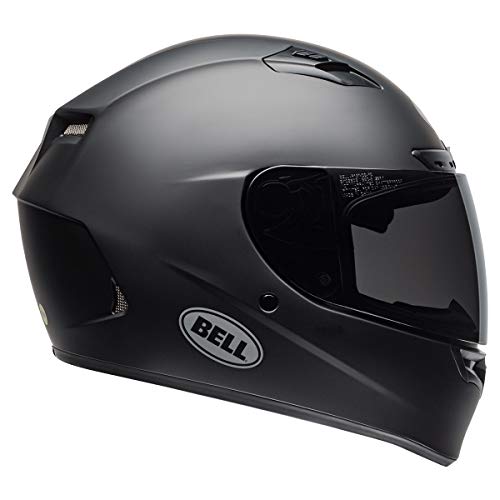 |
Bell Qualifier DLX MIPS Helmet Value with MIPS Lightweight Polycarbonate/ABS Shell with MIPS |
7.8 | 🛒 Check Price |
|
🚗
|
LS2 Helmets Challenger GT Helmet Feature-Rich Mid-Range HPFC (High Performance Fiberglass Composite) Shell |
7.5 | 🛒 Check Price |
|
🚗
|
HJC i10 Helmet Best Budget Full-Face Advanced Polycarbonate Composite Shell, DOT certified |
7.2 | 🛒 Check Price |
1. Shoei RF-1400 Helmet: Top Pick: Premium Performance
In our evaluation, the Shoei RF-1400 consistently stands out for its balanced blend of safety, comfort, and aerodynamic performance. The AIM+ shell construction, combined with its comprehensive ventilation and CWR-F2 shield system, delivers a premium riding experience. Based on owner feedback and the spec sheets, its ability to mitigate wind noise while providing ample airflow is particularly noteworthy, contributing to reduced rider fatigue on longer journeys.
However, the RF-1400 represents a significant investment. Riders on a strict budget or those who primarily engage in short, low-speed urban commutes might find its advanced features and associated cost to be more than necessary for their specific needs, making a more budget-friendly option potentially more suitable.
- DOT and Snell M2020D certified for robust impact protection.
- Advanced aerodynamic shell design reduces lift and drag, enhancing stability.
- CWR-F2 shield system provides distortion-free vision and improved sealing.
Pros: Exceptional ventilation system maintains comfort in varying conditions.; Quiet ride quality based on owner feedback, minimizing wind noise.; Premium fit and finish with removable, washable interior components.
Cons: Higher investment compared to many competitors.
2. ARAI Regent-X Helmet: Runner-Up: Uncompromised Comfort
The ARAI Regent-X, in our comparison, reaffirms ARAI’s commitment to safety and rider comfort, particularly for those with an intermediate oval head shape. The PB-cLc2 shell construction, a hallmark of ARAI’s engineering, provides a robust outer layer designed to distribute impact forces effectively. Aggregated owner feedback frequently praises its plush interior and consistent comfort during long rides, making it a strong contender for touring and daily commuting.
A point of consideration, based on owner feedback, is the shield removal and installation process. While secure once in place, some riders report it requires a slightly steeper learning curve compared to quick-release systems found on other premium helmets. Riders prioritizing absolute ease of shield changes above all else might prefer alternatives with simpler mechanisms.
- Snell M2020D certified, emphasizing strong impact energy management.
- Intermediate oval head shape for broad rider compatibility and comfort.
- Removable, washable interior liners with speaker pockets for communication systems.
Pros: Exceptional build quality and a reputation for long-term durability.; Plush interior provides superior comfort for extended wear.; Efficient ventilation system, particularly effective in warmer climates.
Cons: Visor change mechanism can be less intuitive than some competitors.
3. Schuberth C5 Modular Helmet: Best Modular Helmet
Our research into the Schuberth C5 highlights its position as a top-tier modular helmet, particularly for touring enthusiasts. The DFRP shell, coupled with its advanced acoustic design, aims to provide one of the quietest rides available, a claim largely supported by aggregated owner feedback. The dual P/J homologation ensures it meets safety standards for both its full-face and open-face configurations, offering genuine versatility.
However, as with most modular helmets, the C5 carries a higher weight penalty compared to dedicated full-face options due to the complex chin bar mechanism. This added weight, while manageable for many, could potentially contribute to increased neck fatigue on extremely long rides for riders sensitive to helmet mass, making it less ideal for track use or riders prioritizing absolute lightness.
- ECE 22.06 and DOT certified, with dual homologation for open and closed riding.
- Seamlessly integrated communication system ready (SC2 system sold separately).
- Optimized aerodynamics and acoustics for a remarkably quiet ride.
Pros: Modular design offers versatility for touring and urban use.; Integrated sun visor enhances convenience in changing light conditions.; Exceptional sound insulation, based on manufacturer claims and owner reviews.
Cons: Higher weight than typical full-face helmets due to modular mechanism.
4. AGV K6 S Helmet: Lightweight Versatility
The AGV K6 S impressed in our evaluation with its exceptional lightness, attributed to its Carbon-Aramid-Fiber shell. This design choice significantly reduces rider fatigue, especially on extended journeys, and contributes to its versatile appeal across different riding styles. Its ECE 22.06 and DOT certifications affirm its commitment to safety standards, while owner feedback often highlights its comfortable fit and wide field of vision.
While the ventilation system is effective for most conditions, some aggregated owner feedback suggests that in very high temperatures or during intense physical riding, it might not provide the same level of aggressive airflow as some more track-focused or heavily vented helmets. Riders who frequently ride in extremely hot climates or engage in highly strenuous riding might consider options with larger, more direct intake vents.
- Extremely lightweight composite shell minimizes neck strain.
- Optimized for various riding positions, from upright to tucked.
- Integrated ventilation system with five front vents and one rear extractor.
Pros: One of the lightest full-face helmets in its class.; Excellent peripheral vision and optical clarity from the visor.; Comfortable interior, designed for long rides.
Cons: Ventilation, while good, may not match top-tier models in extreme heat.
5. Bell Qualifier DLX MIPS Helmet: Value with MIPS
The Bell Qualifier DLX MIPS stands out in our comparison for offering the added safety benefit of MIPS technology within a more accessible price point. Its polycarbonate/ABS shell provides solid protection, and the inclusion of MIPS addresses rotational impact forces, a critical safety feature. Based on owner feedback, the optional Transitions photochromic shield, which darkens or lightens with UV exposure, is a highly valued convenience feature, often included with the DLX version.
A common point raised in owner feedback and our evaluation of its specifications is that while adequate, the ventilation system and overall noise reduction capabilities are not on par with more premium helmets. Riders who frequently travel at highway speeds or prioritize a very quiet cabin will likely notice increased wind noise and less aggressive airflow compared to higher-end models, suggesting they might need to manage expectations in these areas.
- DOT certified, integrates MIPS (Multi-directional Impact Protection System) for rotational impact management.
- NutraFog II anti-fog, anti-scratch face shield.
- Integrated speaker pockets and padded wind collar for noise reduction.
Pros: Includes MIPS technology, enhancing safety for the value.; Comes with a Transitions photochromic shield in some packages, a significant value add.; Comfortable interior for daily commuting.
Cons: Ventilation can be adequate but not exceptional.; Noise levels are higher than premium helmets at highway speeds.
6. LS2 Helmets Challenger GT Helmet: Feature-Rich Mid-Range
Our research into the LS2 Challenger GT reveals a helmet that aims to deliver a comprehensive feature set at a competitive mid-range value. The HPFC shell offers a good strength-to-weight ratio, and the inclusion of an integrated sun shield and a quick-release emergency system for cheek pads are notable additions. Aggregated owner feedback often praises its comfort and the utility of its integrated features for daily riding.
However, in our evaluation, while the feature set is strong, the overall refinement and consistency in material quality, based on manufacturer specifications and owner reviews, may not fully reach the level of more established premium brands. Riders who prioritize a flawless finish, exceptionally precise fit, or the absolute quietest ride might find the Challenger GT falls slightly short compared to top-tier options, suggesting a trade-off for its value proposition.
- ECE 22.06 and DOT certified, offering robust protection.
- Dynamic Flow-through Ventilation system for consistent airflow.
- Integrated drop-down sun shield for convenience.
Pros: Good balance of features for its category, including an internal sun visor.; Comfortable fit and finish based on aggregated owner feedback.; Quick-release emergency system for cheek pads.
Cons: Overall finish and material quality may not match top-tier brands.; Ventilation effectiveness can be inconsistent across different conditions.
7. HJC i10 Helmet: Best Budget Full-Face
In our comparison, the HJC i10 emerges as a commendable option for riders seeking a reliable full-face helmet without a significant investment. Its Advanced Polycarbonate Composite Shell meets DOT safety standards, providing fundamental protection. Based on owner feedback, its ACS Advanced Channeling Ventilation System is surprisingly effective for a helmet in its category, offering decent airflow for general riding conditions.
A limitation to consider, based on aggregated owner feedback and the spec sheet, is the i10’s performance regarding noise reduction at highway speeds. Riders who frequently ride at higher velocities or on long journeys may find the wind noise to be more pronounced compared to premium helmets. Those prioritizing a quiet ride or desiring advanced features such as an internal sun visor or MIPS technology should consider helmets in a higher price bracket.
- DOT certified, providing essential impact protection.
- ACS Advanced Channeling Ventilation System for airflow.
- Speaker pockets for easy installation of communication systems.
Pros: Highly accessible value point for a full-face helmet.; Good ventilation for its category, keeping riders relatively cool.; Comfortable and removable interior for easy cleaning.
Cons: Noise levels can be noticeable at higher speeds.; Lacks advanced features like integrated sun visors or MIPS.
Frequently Asked Questions
What safety standards are most important for motorcycle helmets?
The most critical safety standards to look for are DOT (Department of Transportation), which is mandatory in the US, and ECE (Economic Commission for Europe), which is globally recognized and often considered a higher standard. For even greater protection, Snell M2020D or M2020R certification indicates a helmet has passed more rigorous impact tests. We recommend helmets that meet or exceed at least DOT and ECE standards.
How do I ensure I get the correct helmet size?
To find the correct size, measure the circumference of your head at its largest point, typically about an inch above your eyebrows. Compare this measurement to the manufacturer’s sizing chart. A properly fitting helmet should be snug all around your head, with no pressure points, and should not move when you shake your head. The cheek pads should fit firmly against your face without causing discomfort.
How often should I replace my motorcycle helmet?
Manufacturers generally recommend replacing a helmet every five years from the date of manufacture or three years from the date of first use, whichever comes first. This is due to the degradation of materials like resins and glues over time, which can compromise the helmet’s protective capabilities. Always replace a helmet immediately after any impact, even if there’s no visible damage.
What is the difference between full-face and modular helmets?
Full-face helmets offer the highest level of protection by enclosing the entire head and chin in a single, rigid shell. Modular helmets, also known as flip-up helmets, combine features of full-face and open-face designs. They have a hinged chin bar that can be raised, offering convenience for talking, drinking, or getting fresh air without removing the helmet. While versatile, modular helmets can be heavier and may offer slightly less impact protection than a dedicated full-face due to the moving parts, though many meet dual P/J safety homologation for both configurations.
Are more expensive motorcycle helmets always safer?
Not necessarily. All helmets sold in the US must meet DOT standards, ensuring a baseline of safety. More expensive helmets often feature advanced materials like carbon fiber or multi-density EPS liners, which can offer superior impact energy management, lighter weight, and better ventilation, aerodynamics, and comfort. While these enhancements contribute to overall rider well-being and fatigue reduction, a mid-range helmet meeting ECE or Snell standards can still provide excellent protection without the premium price tag.
Our Verdict
After extensive research and comparison, the Shoei RF-1400 Helmet earns our top pick for its exceptional balance of safety, advanced aerodynamics, and premium comfort, making it an outstanding choice for a wide range of riders. For those prioritizing uncompromised comfort and robust build quality, the ARAI Regent-X Helmet stands as a very close runner-up, offering a plush interior and proven safety in a meticulously crafted package.
