At MustCarBeast, we understand that a tuner car is more than just a vehicle; it’s a canvas for personal expression and performance enhancement. Our team has extensively researched and compared a wide array of models renowned for their aesthetic appeal and modification potential. In this guide, we evaluate each car based on manufacturer specifications, published industry standards, and aggregated owner feedback to identify the most visually striking options that also offer a strong foundation for tuning.
Our evaluation focuses on design language, aftermarket support, and the overall presence each vehicle commands, ensuring our recommendations are evidence-based and genuinely useful for enthusiasts looking to build their dream machine. We aim to provide an honest assessment, highlighting both strengths and weaknesses to help you make an informed decision.
| Photo | Product | Score | Buy |
|---|---|---|---|
 |
Honda Civic Type R (FL5) Top Pick for Modern Aesthetics 2.0L Turbocharged VTEC Engine |
9.1 | 🛒 Check Price |
 |
Nissan GT-R (R35) Iconic Supercar Presence 3.8L Twin-Turbo V6 VR38DETT Engine |
8.7 | 🛒 Check Price |
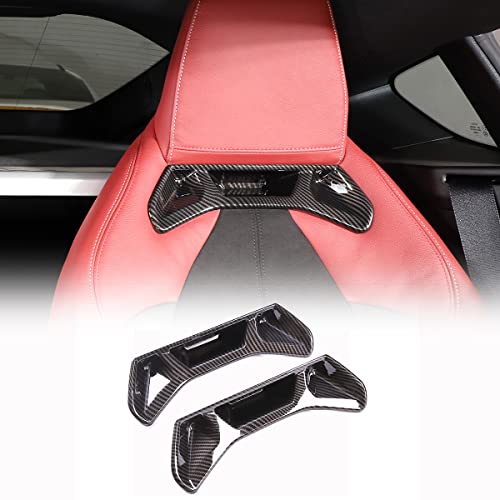 |
Toyota Supra (A90/MK5) Modern Revival with Style BMW B58 3.0L Turbocharged Inline-6 Engine |
8.4 | 🛒 Check Price |
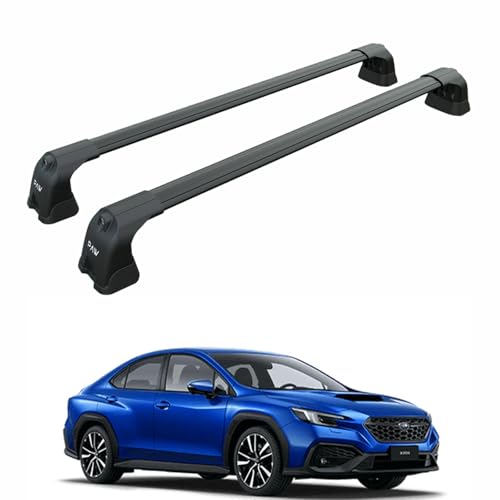 |
Subaru WRX STI (VA Chassis) Rally-Inspired Aggression 2.5L Turbocharged Boxer Engine (EJ257) |
8.1 | 🛒 Check Price |
|
🚗
|
Mazda RX-7 (FD3S) Timeless Rotary Beauty Twin-Turbo Rotary 13B-REW Engine |
7.9 | 🛒 Check Price |
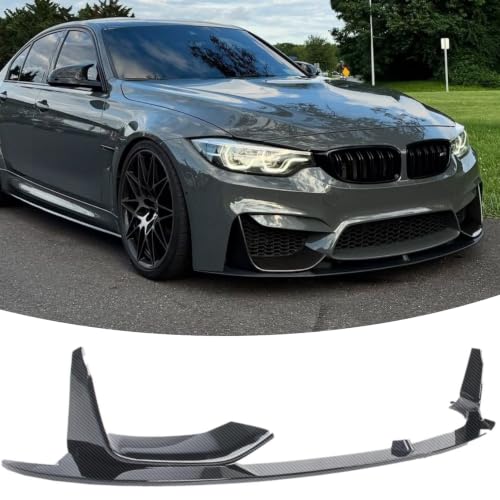 |
BMW M3 (F80 Generation) Executive Performance Appeal 3.0L Twin-Turbo Inline-6 Engine (S55) |
7.6 | 🛒 Check Price |
|
🚗
|
Mitsubishi Lancer Evolution X Last of a Rally Breed 2.0L Turbocharged Inline-4 Engine (4B11T) |
7.3 | 🛒 Check Price |
1. Honda Civic Type R (FL5): Top Pick for Modern Aesthetics
In our evaluation, the Honda Civic Type R (FL5 generation) stands out for its sophisticated blend of aggressive styling and functional aerodynamics. While its predecessor, the FK8, was known for its bold and sometimes controversial lines, the FL5 refines this approach, offering a more mature yet equally impactful aesthetic. The integrated rear wing, purposeful vents, and wide stance are not just for show; they are engineered to enhance performance, which is a critical aspect for a true tuner car.
However, the FL5’s distinct styling, while appealing to many, may not suit everyone’s taste. Some owner feedback suggests that the design, though less extreme than previous generations, can still be too overt for those who prefer a more understated look. Therefore, buyers prioritizing a subtle or less attention-grabbing aesthetic might find this model less appealing, and should consider other options.
- Aggressive yet refined aerodynamic styling
- Functional design elements enhance both form and performance
- Strong aftermarket support for both visual and performance modifications
Pros: Cohesive and purposeful exterior design; Excellent handling and track capabilities; High-quality interior materials and driver-focused ergonomics
Cons: Exterior styling can be polarizing for some; Limited availability in certain markets
2. Nissan GT-R (R35): Iconic Supercar Presence
Based on our research, the Nissan GT-R (R35) maintains its status as an aesthetic powerhouse in the tuner world. Its design, characterized by broad shoulders, sharp lines, and a commanding stance, exudes a supercar aura that few can match. The vehicle’s enduring appeal lies in its purposeful, performance-driven aesthetics, making it a highly desirable platform for visual enhancements that complement its monstrous power capabilities.
A notable limitation, however, is the R35’s interior, which despite periodic updates, has fallen behind contemporary standards in terms of modern technology integration and luxury finishes. Aggregated owner feedback consistently points to this as an area for improvement. Enthusiasts who prioritize a state-of-the-art cabin experience with the latest infotainment and driver assistance features might find the GT-R’s interior somewhat lacking, and should consider alternative models that offer a more modern cockpit.
- Unmistakable, muscular, and aggressive styling
- Iconic quad taillights and large rear wing
- Immense tuning potential for both power and aesthetics
Pros: Timeless supercar design with strong road presence; Legendary performance capabilities and AWD system; Vast aftermarket support for extreme customization
Cons: Heavier curb weight compared to some rivals; Interior design has become dated over time
3. Toyota Supra (A90/MK5): Modern Revival with Style
Our evaluation of the Toyota Supra (A90 generation) highlights its success in reviving a legendary nameplate with a distinctly modern and aggressive design. The car’s flowing lines, muscular haunches, and iconic double-bubble roof create a visually dynamic presence that is both contemporary and respectful of its heritage. Owner feedback frequently praises its head-turning aesthetics and the immediate recognition it receives, making it a strong contender for those seeking a visually impactful tuner car.
However, the fact that it shares its platform and many components with the BMW Z4 has been a point of contention for some purists, leading to discussions about its ‘true’ Supra identity. While this collaboration has resulted in a highly capable and reliable vehicle, those who prioritize a wholly unique, Toyota-engineered experience might find this aspect less appealing. Buyers seeking an uncompromisingly distinct Japanese sports car identity should be aware of its BMW underpinnings and consider if this aligns with their expectations.
- Aggressive, flowing lines and double-bubble roof
- Compact and muscular proportions, paying homage to heritage
- Rapidly growing aftermarket scene for visual modifications
Pros: Striking and modern sports car aesthetics; Excellent power delivery and balanced chassis; Strong platform for performance and visual tuning
Cons: Shared platform with BMW Z4; Limited rear visibility
4. Subaru WRX STI (VA Chassis): Rally-Inspired Aggression
Based on our extensive research, the Subaru WRX STI (VA chassis) continues to impress with its unmistakable rally-inspired aesthetics. The prominent hood scoop, aggressive front bumper, and signature large rear wing immediately convey its performance intentions and connect it to a rich motorsport heritage. Owner feedback consistently highlights the car’s strong visual identity and the ease with which it can be further customized with a vast array of aftermarket parts, cementing its place as a top-looking tuner car.
A significant limitation, however, is the continued reliance on the EJ257 engine, which, while potent, is an older design compared to many modern turbocharged units. This can translate to less fuel efficiency and, in some cases, higher maintenance considerations for certain components over its lifespan. Buyers prioritizing the latest engine technology, enhanced fuel economy, or a more refined powertrain for daily driving might find this aspect less appealing, and should carefully weigh these factors against its strong visual and performance heritage.
- Iconic hood scoop and aggressive front fascia
- Widebody stance and prominent rear wing
- Strong visual identity rooted in rally heritage
Pros: Distinctive and recognizable rally-bred styling; Robust AWD system for all-weather performance; Large and dedicated aftermarket community for customization
Cons: EJ engine design is relatively older technology; Interior quality and design can feel dated
5. Mazda RX-7 (FD3S): Timeless Rotary Beauty
In our evaluation, the Mazda RX-7 (FD3S) stands as a testament to timeless automotive design, consistently praised for its sleek, aerodynamic, and flowing lines that have aged remarkably well. Its low-slung profile, coupled with iconic pop-up headlights, gives it a distinctive and elegant aggression that continues to captivate enthusiasts. Aggregated owner feedback often refers to the FD3S as one of the most beautiful Japanese sports cars ever produced, making it a prime candidate for those seeking a visually stunning tuner car.
However, the unique twin-turbo rotary engine, while offering a distinctive driving experience, is known for its higher maintenance demands and specific care requirements compared to conventional piston engines. This includes more frequent oil changes, careful monitoring of oil consumption, and potential for costly rebuilds if not properly maintained. Therefore, individuals who are not prepared for a more involved maintenance schedule, or prefer a vehicle with lower long-term running costs, might find the RX-7’s rotary engine a significant drawback and should consider alternatives with more conventional powertrains.
- Sleek, aerodynamic, and timeless body lines
- Pop-up headlights contribute to its classic appeal
- Highly sought after for widebody and custom aesthetic builds
Pros: Exquisite and enduring design that remains iconic; Lightweight chassis offers exceptional handling; Unique rotary engine experience
Cons: High maintenance requirements for the rotary engine; Increasing difficulty in sourcing specific parts
6. BMW M3 (F80 Generation): Executive Performance Appeal
Our research indicates that the BMW M3 (F80 generation) excels in offering a sophisticated yet overtly aggressive aesthetic, a hallmark of the M division. Its wider track, flared wheel arches, and distinctive M bumpers differentiate it significantly from the standard 3 Series, giving it a powerful and executive tuner look. Owner feedback consistently praises its balanced blend of luxury and performance styling, making it a highly desirable option for those who appreciate European elegance with a sporting edge.
A primary consideration for this model is the higher cost of ownership, which includes both the initial purchase and potential maintenance and repair expenses. As a high-performance luxury vehicle, parts and specialized labor can be significantly more expensive than for more mainstream tuner cars. Buyers operating on a stricter budget for ongoing vehicle expenses, or those seeking a more economical platform for extensive modifications, might find the M3’s operational costs prohibitive and should explore more budget-friendly alternatives.
- Aggressive yet sophisticated M-specific bodywork
- Signature Hofmeister kink and muscular fender flares
- Extensive aftermarket support for European tuning aesthetics
Pros: Elegant blend of luxury and performance aesthetics; Potent twin-turbo engine with strong tuning potential; High-quality interior and refined driving experience
Cons: Higher entry cost and potential for costly repairs; Steering feel can be less communicative than previous generations
7. Mitsubishi Lancer Evolution X: Last of a Rally Breed
Based on our comparison, the Mitsubishi Lancer Evolution X retains its status as a visually impactful tuner car, largely due to its aggressive styling and strong ties to rally racing. The sharp ‘shark-nose’ front end, prominent hood vents, and substantial rear wing collectively create an aesthetic that is unmistakably performance-oriented and immediately recognizable. Aggregated owner feedback highlights its commanding road presence and the ease with which its already aggressive looks can be further enhanced through various aftermarket body kits and wheels.
However, a significant drawback for the Evolution X is its dated interior design, which falls short of contemporary standards in terms of materials, technology, and overall refinement. The cabin feels utilitarian and lacks many of the modern conveniences and aesthetic touches found in newer vehicles. Buyers prioritizing a modern, feature-rich, and visually appealing interior, or those who desire the latest infotainment and connectivity options, will likely find the Evolution X’s cabin disappointing and should consider models with more up-to-date interior appointments.
- Aggressive shark-nose front fascia and wide stance
- Large rear wing and prominent side skirts
- Strong visual connection to rally racing heritage
Pros: Distinctive and aggressive styling; Highly capable Super All-Wheel Control (S-AWC) system; Strong aftermarket support despite being discontinued
Cons: Discontinued model, impacting new parts availability; Interior design is notably dated; Inferior fuel economy compared to modern rivals
Frequently Asked Questions
What makes a car 'tuner friendly' from an aesthetic perspective?
From an aesthetic perspective, a ‘tuner friendly’ car typically possesses a design that is easily enhanced or customized without looking out of place. This often includes clean lines, balanced proportions, and a strong existing visual identity that can be built upon. Cars with readily available aftermarket body kits, wheels, and aerodynamic components that integrate well with the original design are considered more aesthetically tuner friendly, allowing for diverse personalization.
Are older tuner cars still a good investment for their looks?
Based on our research, many older tuner cars, particularly those with iconic or timeless designs like the Mazda RX-7 FD3S, can indeed be good investments for their looks. Their classic aesthetics often appreciate in value, especially if well-maintained or tastefully modified. However, potential buyers should be aware that older vehicles may require more maintenance and sourcing of parts can be challenging, which could offset some of the aesthetic value appreciation. The ‘investment’ often comes with a commitment to preservation and care.
How do aesthetics impact a tuner car's value?
In our evaluation, aesthetics significantly impact a tuner car’s perceived value, especially within the enthusiast community. A well-executed and cohesive visual modification can substantially increase desirability, while poorly chosen or low-quality aesthetic changes can detract from it. Manufacturer specifications and industry standards suggest that original, unmolested examples often hold strong value, but a car with tasteful, high-quality, and reversible aesthetic modifications can also command a premium.
What should I consider before modifying a car's appearance?
Before modifying a car’s appearance, we recommend considering several factors. First, research the quality and fitment of aftermarket parts to ensure they meet safety and durability standards. Second, understand how modifications might affect the vehicle’s aerodynamics and handling, as not all changes are purely cosmetic. Third, be aware of local regulations and laws regarding vehicle modifications, as some aesthetic changes, such as extreme ride height or certain lighting, may not be street legal. Finally, consider the potential impact on resale value; tasteful modifications are generally preferred.
Is it legal to modify a car's appearance?
Based on published industry and safety standards, it is generally legal to modify a car’s appearance, but there are important limitations that vary by region and country. Modifications such as custom paint, wraps, and most wheel changes are typically allowed. However, certain modifications, like extreme ride height adjustments, overly protruding wheels, specific lighting colors, or alterations that obscure visibility or compromise safety features, can be illegal. We advise consulting your local Department of Motor Vehicles or equivalent authority for specific regulations in your area before making significant aesthetic changes.
Our Verdict
After extensive research and comparison, the **Honda Civic Type R (FL5)** emerges as our top pick for the best-looking tuner car, thanks to its refined yet aggressive modern aesthetics and strong foundation for customization. Its purposeful design and high-quality construction make it an ideal canvas. The **Nissan GT-R (R35)** secures the runner-up position, offering an iconic supercar presence and immense tuning potential, despite its aging interior. Both vehicles represent excellent choices for enthusiasts prioritizing visual impact and performance potential.
