A code reader that only pulls stored fault codes tells you half the story. The scanners worth owning stream live data, the real-time PID values flowing off your engine while it runs, so you can watch fuel trims, O2 sensor switching, coolant temperature, misfire counts, and throttle position change in front of your eyes. That is how you catch an intermittent problem, confirm a sensor is lying, or prove a repair actually worked before you put the car back together.
We focused this guide on tools that handle live data well: fast refresh rates, the ability to graph multiple PIDs at once, custom PID lists, and clean data logging you can review later. Below are seven real-time scanners that range from a pocketable Bluetooth dongle to a full tablet-style scan tool, ranked best first for anyone who actually wants to read what their car is doing right now.
| Photo | Product | Score | Buy |
|---|---|---|---|
 |
ANCEL X7 Bidirectional Scan Tool Best Overall 8-inch Android tablet, full-system, bidirectional, live data graphing, Wi-Fi updates |
9.5 | 🛒 Check Price |
 |
Autel MaxiCOM MK808BT Pro Best Premium Android tablet with VCI dongle, all-system live data, active tests, 28+ services |
9.3 | 🛒 Check Price |
 |
Launch CRP123E Elite Best Four-System Engine, ABS, SRS, transmission live data, 5-inch touchscreen, free lifetime Wi-Fi updates |
9.1 | 🛒 Check Price |
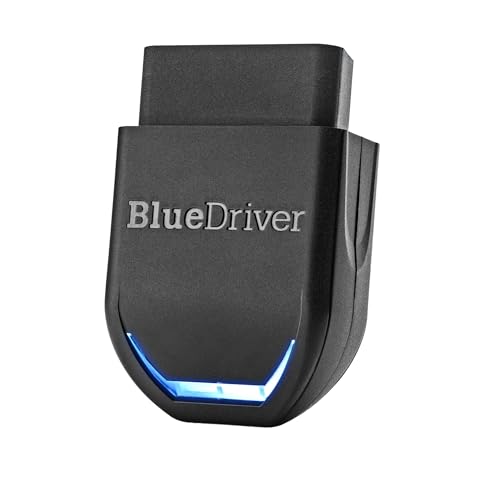 |
BlueDriver Bluetooth Pro OBD2 Scan Tool Best App-Based Bluetooth dongle, phone app, live data graphing, enhanced manufacturer data, repair reports |
8.9 | 🛒 Check Price |
 |
Innova 5610 CarScan Pro Best Handheld Handheld with color screen, live data, ABS/SRS, oil reset, app pairing, OBD1 capable |
8.7 | 🛒 Check Price |
 |
FOXWELL NT809 Bidirectional Scan Tool Best Bidirectional Value 7-inch screen, all-system live data, active tests, 30 service functions, Wi-Fi updates |
8.4 | 🛒 Check Price |
 |
OBDLink MX+ Bluetooth OBD2 Adapter Best Dongle for Data Logging Bluetooth dongle, fast PID polling, custom PIDs, high-rate data logging, multi-app support |
8.2 | 🛒 Check Price |
1. ANCEL X7 Bidirectional Scan Tool: Best Overall
The ANCEL X7 earns the top spot because it treats live data as a first-class feature, not an afterthought. On the 8-inch screen you can pull real-time PIDs from the engine and most other modules, then drop several of them into a combined graph to watch how they move together. Watching short and long term fuel trim react while you snap the throttle, or seeing both upstream and downstream O2 sensors plotted side by side, is exactly the kind of view that turns a vague drivability complaint into a clear diagnosis. The recording function lets you log a road test and scrub back through it afterward.
What pushes it ahead of pure code readers is the bidirectional control: you can command a fan, cycle a relay, or run an active test and watch the live values respond in the same session. The honest weakness is portability. This is a tablet-class tool, so it lives in a case rather than your pocket, and the over-the-air update process occasionally crawls when the servers are busy. For a home mechanic who wants near-professional live data without a professional-only price tier, it is the most complete pick here.
- Streams full-system live data with multi-PID graphing and custom data lists
- Bidirectional active tests so you can command components while watching the response
- Wi-Fi updates and broad make coverage including many OBD1 adapters
Pros: Excellent live data depth across engine, ABS, SRS, and transmission; Graph and record multiple PIDs at once for chasing intermittent faults; Bidirectional control turns live data into a real diagnostic loop
Cons: Larger tablet form factor is less grab-and-go than a dongle; Update server can be slow during peak times
2. Autel MaxiCOM MK808BT Pro: Best Premium
Autel has a long head start on diagnostic software, and the MaxiCOM MK808BT Pro shows it. The live data stream is fast and well organized, and you can switch any PID into a graph or hold several PIDs in a custom list so the screen only shows the values you care about. The wireless VCI dongle is the practical highlight: it plugs into the OBD2 port and talks to the tablet over Bluetooth, so you can sit in the driver seat watching fuel trims and sensor readings while the wires stay out of your way under the dash.
It also goes beyond reading. Active tests let you actuate components and watch the live response, and the service menu covers the resets most owners eventually need. The trade-off is the subscription model: after the included update window, keeping the newest coverage means renewing, and the menu structure rewards a bit of patience before it feels natural. If you want a polished, reliable live data experience and do not mind a tool with depth to learn, this is the premium choice.
- Real-time data stream from all available systems with multi-graph view
- Wireless VCI puts the dongle at the port and the tablet in your hand
- Active tests and service functions like oil reset, EPB, and BMS
Pros: Mature, stable live data interface that Autel has refined for years; Wireless VCI keeps you near the engine while reading data; Strong vehicle coverage and quick PID refresh
Cons: Annual update renewal needed to keep newest coverage; Interface has a learning curve for first-time users
3. Launch CRP123E Elite: Best Four-System
The Launch CRP123E Elite hits a sweet spot for owners who want serious live data without paying for a subscription. It reads engine, ABS, SRS, and transmission, and within those it streams live PIDs that you can graph on the bright 5-inch touchscreen. The recording and playback feature is the part people underrate: take the scanner on a test drive, log the data, then sit in the driveway and replay the moment a misfire or trim spike happened. Best of all, the Wi-Fi updates are free for the life of the tool, which removes the nagging renewal cost most rivals carry.
Its honest limit is scope. Four systems cover the failures most drivers actually chase, but it will not dig into body control, infotainment, or every niche module, and there are no bidirectional active tests, so you read and graph data rather than command components. For straightforward, recurring live data diagnostics on the systems that matter most, with zero ongoing cost, it is a smart, no-nonsense pick.
- Live data from the four core systems with on-screen graphing
- Records and plays back data streams for later review
- Free lifetime Wi-Fi updates with no subscription
Pros: Genuinely free lifetime updates is rare at this level; Clean graphing and data recording for the four main modules; Bright touchscreen and simple, fast menus
Cons: Covers four systems, not every module on the car; No bidirectional active tests
4. BlueDriver Bluetooth Pro OBD2 Scan Tool: Best App-Based
BlueDriver is the dongle that proved a phone app could feel like a real scan tool. You plug the small sensor into the OBD2 port, pair over Bluetooth, and the app streams live data with clean graphs you can pinch and scroll. On a long list of vehicles it pulls enhanced, manufacturer-specific PIDs rather than just the generic set, which is a meaningful upgrade when you are diagnosing a brand-specific sensor. The signature repair reports then connect a stored code to the fixes that most often resolve it, which gives less experienced owners a starting point.
The catch is its dependence on your device. There is no screen of its own, so a flat phone battery or a cracked screen ends the diagnostic session, and Bluetooth range is short enough that it is really a sit-in-the-car tool, not a walk-around-the-shop one. If you are comfortable living in an app and want strong live data plus genuinely useful guidance without a subscription, BlueDriver is the dongle to beat.
- Streams and graphs live data straight to your phone or tablet
- Enhanced live data beyond generic OBD2 on many makes
- Repair reports tie codes to likely fixes from a large database
Pros: Excellent app interface that makes live graphing easy; Enhanced manufacturer PIDs on a wide list of vehicles; No annual subscription, uses the screen you already own
Cons: Relies entirely on your phone, so a dead battery ends the session; Bluetooth range is short and best used inside the car
5. Innova 5610 CarScan Pro: Best Handheld
The Innova 5610 CarScan Pro is the dependable handheld in this group, the one you keep in the glovebox because it works on its own. It streams live engine data on its color display and extends into ABS and SRS, so you are not limited to powertrain readings when a warning light comes on. It also handles practical jobs most owners hit eventually, including an oil service reset and a battery and charging system check, which makes it more of an all-rounder than a pure code reader.
Where it gets interesting is the optional pairing with Innova’s app, which adds richer live graphing and repair suggestions on the larger phone screen. That is also the honest caveat: the most detailed graphing experience really lives in the app rather than on the handheld itself, and the built-in screen is modest next to the tablet tools. If you specifically want a standalone device that still gives you real live data and broader system coverage, the 5610 is a reliable middle-ground choice.
- Live data on the device plus optional app graphing on your phone
- Covers ABS and SRS alongside engine for broader live readings
- Battery and alternator test plus oil light reset built in
Pros: Self-contained handheld that does not depend on a phone; Solid live data range including ABS and SRS; Pairs to the RepairSolutions app for added graphing and fixes
Cons: On-device screen is smaller than tablet rivals; Deeper graphing really lives in the companion app
6. FOXWELL NT809 Bidirectional Scan Tool: Best Bidirectional Value
The FOXWELL NT809 packs an unusually serious feature set for a tool at its tier, and live data is right at the center. The 7-inch screen has room to graph several PIDs together, and the all-system access means you can read live values from modules well beyond the engine. The standout is bidirectional control: being able to actuate a component and watch the live data respond is the kind of capability that used to be reserved for far pricier tools, and FOXWELL puts it in reach for the home garage.
It is not flawless. The plastics and overall fit feel a step below the premium tablets, and the menus can lag for a moment when you open a long live data list or a coverage-heavy menu. Neither issue undermines the diagnostics, but you do notice them. For someone who wants both rich live data and the ability to command components without stepping up to a professional tool, the NT809 delivers a lot of capability for what it asks.
- Full-system live data with multi-PID graphing on a 7-inch screen
- Bidirectional active tests across many supported systems
- 30 maintenance services including oil, EPB, BMS, and DPF
Pros: Bidirectional control plus deep live data at a friendly tier; Large clear screen makes multi-graph viewing comfortable; Broad service function list for owners doing their own maintenance
Cons: Build feels less premium than top-tier tablets; Occasional menu lag when loading large data lists
7. OBDLink MX+ Bluetooth OBD2 Adapter: Best Dongle for Data Logging
If your priority is the cleanest possible live data stream into a phone or laptop, the OBDLink MX+ is built for exactly that. Its claim to fame is polling speed: it reads PIDs fast enough to produce smooth, dense graphs and high-resolution logs, which matters when you are trying to catch a brief sensor glitch that a slow dongle would average away. It also supports custom and enhanced PIDs through compatible apps, so you can pull manufacturer-specific live values that generic readers never see, and it pairs securely while sipping almost no power at rest.
The honest reality is that the MX+ is an adapter, not a complete tool, so the quality of your experience rides on the app you choose. Pair it with a capable logging app and it is superb; leave it with a basic one and you are leaving its speed on the table. Setting up custom PIDs also takes some research and is not something a first-timer will breeze through. For data-focused users and tinkerers who want maximum live data fidelity and logging, this is the dongle worth owning.
- Very fast PID polling for smooth real-time graphs and logs
- Supports custom and enhanced PIDs through compatible apps
- Works with OBDLink, Torque, and other logging apps
Pros: Among the fastest dongles for live data refresh and logging; Custom PID support unlocks manufacturer-specific live values; Secure pairing and low standby drain protect your battery
Cons: You supply the app, so the experience depends on your software choice; Advanced custom PID setup is not beginner friendly
Frequently Asked Questions
What is live data on an OBD2 scanner and why does it matter?
Live data is the stream of real-time sensor values, called PIDs, that your car broadcasts while the engine runs. Instead of just showing a stored trouble code, a live data scanner lets you watch readings like coolant temperature, fuel trims, oxygen sensor voltage, RPM, throttle position, and misfire counts change second by second. This matters because many problems only appear while driving or under specific conditions. By graphing and recording these values, you can catch an intermittent fault, confirm whether a sensor is reporting honestly, and verify that a repair actually fixed the issue before you button everything back up.
Do I need a bidirectional scanner or is reading live data enough?
For most owners, reading and graphing live data is enough to diagnose the majority of common faults. Bidirectional control goes a step further by letting you command a component, such as cycling a cooling fan or running an active test, and then watch the live data respond. That closed loop is extremely helpful for confirming a part works or isolating a failure, but it is not strictly required for everyday diagnosis. If you do a lot of your own repair work, a bidirectional tool like the ANCEL X7 or FOXWELL NT809 adds real capability. If you mainly want to monitor and confirm, a strong read-only live data tool will serve you well.
Can a Bluetooth dongle stream live data as well as a dedicated scan tool?
A good dongle can stream live data very capably, and in some cases faster than a handheld, because it leans on your phone’s processor and screen. Tools like the OBDLink MX+ and BlueDriver poll PIDs quickly and graph them cleanly in their apps, and several pull enhanced manufacturer PIDs beyond the generic set. The trade-offs are dependence on your device and shorter wireless range, so a dead phone battery ends the session. A dedicated scan tool has its own screen and often broader system coverage and bidirectional tests. Choose a dongle for portability and logging, and a dedicated tool for self-contained, deeper diagnostics.
How many PIDs should a live data scanner be able to graph at once?
Look for a scanner that can graph at least four PIDs simultaneously, since most useful diagnoses involve comparing related values. For example, watching upstream and downstream oxygen sensors together, or short and long term fuel trims alongside mass airflow, tells you far more than any single reading in isolation. Better tools let you build a custom PID list so the screen shows only the values relevant to your problem, which keeps the graph readable. Refresh rate matters as much as quantity, because a tool that updates slowly will smooth over the brief spikes that often reveal the actual fault.
Will a live data OBD2 scanner work on my specific car?
Generic OBD2 live data is supported on essentially all gasoline cars sold in the United States from 1996 onward and diesels from 2008 onward, so the core engine PIDs will read on almost any modern vehicle. The differences appear with enhanced, manufacturer-specific data and with non-engine systems like ABS, SRS, and transmission, where coverage varies by tool and by make. Before buying, check the maker’s vehicle coverage list for your year, make, and model, especially if you need deep data on a less common brand. The all-system tools here, such as the Autel MK808BT Pro and ANCEL X7, generally offer the widest enhanced coverage.
Our Verdict
For the most complete real-time picture of what your car is doing, the ANCEL X7 is our top pick: it pairs deep, graphable live data across every major system with bidirectional control, so you can command a component and watch the response in one session. If you want a more polished, longer-proven software experience with a wireless VCI that keeps you in the driver seat, the Autel MaxiCOM MK808BT Pro is the runner up and a superb premium alternative. Budget-minded data hunters should look hard at the Launch CRP123E Elite for its free lifetime updates, while app-first users will be very happy with BlueDriver.
