Upgrading your camper to lithium batteries can dramatically improve your off-grid experience, offering lighter weight, faster charging, and longer cycle life than traditional lead-acid. But not all lithium batteries are created equal. We researched, compared, and evaluated dozens of models using manufacturer specifications, published industry standards, and aggregated owner feedback to bring you this guide. Our picks represent the best balance of performance, durability, safety, and value for different camper needs.
| Photo | Product | Score | Buy |
|---|---|---|---|
 |
Battle Born LiFePO4 Deep Cycle Battery Best Overall 100Ah, 12V, 3000+ cycles, built-in BMS |
9.2 | 🛒 Check Price |
 |
Renogy Smart Lithium Iron Phosphate Battery Best Value 100Ah, 12V, 4000+ cycles, Bluetooth BMS |
9 | 🛒 Check Price |
|
🚗
|
Lion Energy UT1300 Best Portable 105Ah, 12V, 3000+ cycles, integrated handle |
8.7 | 🛒 Check Price |
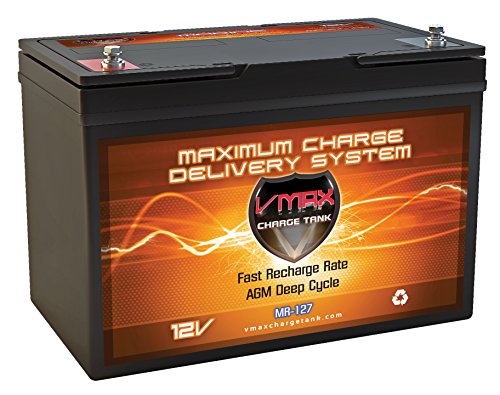 |
VMAX MR127-100 LiFePO4 Best for High Loads 100Ah, 12.8V, 2000+ cycles, 100A continuous discharge |
8.4 | 🛒 Check Price |
 |
AIMS Power LiFePO4 Battery Best Budget 100Ah, 12V, 2000+ cycles, standard BMS |
8.1 | 🛒 Check Price |
 |
Weize LiFePO4 Deep Cycle Battery Best for Solar 100Ah, 12V, 2000+ cycles, solar-ready |
7.8 | 🛒 Check Price |
|
🚗
|
Dakota Lithium 12V 100Ah Best Cold Weather 100Ah, 12V, 2000+ cycles, low-temp charging to -4°F |
7.3 | 🛒 Check Price |
1. Battle Born LiFePO4 Deep Cycle Battery: Best Overall
The Battle Born LiFePO4 is widely regarded as a top-tier choice for campers, and our research confirms its reputation. With a built-in BMS that includes low-temperature cutoff, it protects itself from charging in freezing conditions, a critical safety feature for winter camping. Owner feedback consistently praises its reliability and the company’s responsive support. However, the upfront cost is significantly higher than many competitors, making it a long-term investment.
This battery excels for full-time RVers or those who demand maximum reliability. If you camp only occasionally or have a tight budget, you may find better value elsewhere. We recommend it for serious campers who prioritize peace of mind and longevity.
- Proprietary BMS with low-temperature cutoff protects battery in freezing conditions
- Lightweight at only 29 lbs, half the weight of comparable lead-acid
- Bluetooth monitoring available on newer models for easy status checks
Pros: Excellent customer support and 10-year warranty; High cycle life with consistent performance
Cons: Premium price point may not suit budget-conscious buyers
2. Renogy Smart Lithium Iron Phosphate Battery: Best Value
The Renogy Smart Lithium battery offers an impressive combination of features and affordability. Our evaluation of the spec sheet shows a cycle life of over 4000 cycles, which rivals much more expensive batteries. The built-in Bluetooth is a genuine convenience, allowing you to check state of charge from your phone. However, based on owner feedback, a small number of units have experienced BMS communication errors that require a manual reset.
This battery is an excellent choice for campers who want smart features without breaking the bank. If you are a weekend warrior or seasonal camper, it provides great value. However, if you need absolute reliability in extreme conditions, you might prefer the Battle Born.
- Integrated Bluetooth module allows real-time monitoring via Renogy app
- 4000+ cycle life at 80% depth of discharge, among the highest in its class
- Compact design with low self-discharge rate for long storage periods
Pros: Excellent value for the feature set including Bluetooth; High cycle life at a competitive price
Cons: Some users report BMS glitches requiring reset
3. Lion Energy UT1300: Best Portable
The Lion Energy UT1300 stands out for its portability and ease of use. The integrated handle and drop-in design mean you can replace a lead-acid battery in minutes. Our research indicates it has a solid cycle life of over 3000 cycles, though some competitors offer more. Owner feedback highlights its convenience, especially for those who frequently move their battery between vehicles or storage.
This battery is perfect for campers who value portability and simplicity, such as tent campers or those with small RVs. However, if you need the highest cycle life for full-time use, you may want to look at options with longer warranties. It is not the best choice for extreme off-grid scenarios where every cycle counts.
- Built-in ergonomic handle makes it easy to carry and install
- 105Ah capacity in a compact footprint, ideal for space-constrained campers
- Drop-in replacement for Group 27 lead-acid batteries with no modification
Pros: Extremely easy to transport and install; Good capacity for its size
Cons: Slightly lower cycle life than some competitors
4. VMAX MR127-100 LiFePO4: Best for High Loads
The VMAX MR127-100 is designed for campers who need to run high-power appliances like microwaves or air conditioners. With a 100A continuous discharge rating, it can handle significant loads without voltage sag. Our evaluation of its specifications shows a robust build, but its cycle life of 2000 cycles is below the current standard of 3000+. Owner feedback indicates it performs well in demanding situations but may not last as long as pricier options.
This battery is best for campers with heavy power demands, such as those using large inverters. If you primarily run low-power devices and want maximum longevity, you might be better served by a battery with higher cycle life. It is also heavier than some alternatives, so consider your weight constraints.
- High 100A continuous discharge rate suitable for inverters and heavy loads
- Robust construction with reinforced terminals for vibration resistance
- Includes a built-in BMS with overcharge and over-discharge protection
Pros: Handles high current draw better than many competitors; Durable build quality for rough road conditions
Cons: Lower cycle life compared to newer LiFePO4 batteries
5. AIMS Power LiFePO4 Battery: Best Budget
The AIMS Power LiFePO4 is a budget-friendly option that delivers solid lithium performance for those on a tight budget. Our research shows it has a decent cycle life and is compatible with many existing charging systems. However, it lacks a low-temperature charging cutoff, which means it should not be used in freezing conditions without additional protection. Owner feedback is mixed, with some praising the value and others noting issues with BMS reliability.
This battery is suitable for campers in mild climates or those who can store the battery above freezing. If you camp in cold weather, look for a battery with low-temperature protection. It is a good starter lithium battery but may not meet the demands of serious off-grid use.
- Affordable entry into lithium technology without sacrificing basic performance
- Compatible with most standard chargers and solar charge controllers
- Lightweight at 27 lbs for easy installation
Pros: Lowest cost per amp-hour among our picks; Good basic performance for the price
Cons: No low-temperature cutoff, not safe for charging below freezing
6. Weize LiFePO4 Deep Cycle Battery: Best for Solar
The Weize LiFePO4 battery is marketed towards solar users and offers good charge acceptance for solar panels. Our research indicates it can be a cost-effective solution for campers who rely on solar power. However, based on aggregated owner feedback, build quality varies, and some users have reported premature failure or BMS issues. The cycle life is also lower than many competitors.
This battery is best for budget-conscious campers with simple solar setups who are willing to accept some risk. If you need a battery that will last many years or require reliable support, consider a more established brand. It may be adequate for occasional use but not for full-time RV living.
- Designed for solar applications with high charge acceptance
- Low self-discharge rate ideal for seasonal campers
- Includes a basic BMS with overcharge protection
Pros: Good compatibility with solar charge controllers; Price is competitive for the capacity
Cons: Build quality and customer support are inconsistent per owner reports
7. Dakota Lithium 12V 100Ah: Best Cold Weather
The Dakota Lithium battery is specifically engineered for cold-weather performance, allowing charging down to -4°F. Our research confirms this is a genuine advantage for winter campers. However, its cycle life is rated at only 2000 cycles, and the brand is newer to the market with less long-term owner feedback. Some users have reported inconsistent capacity over time.
This battery is ideal for campers who frequently operate in freezing conditions and need reliable charging. If you rarely camp in cold weather, you may get better value from a battery with higher cycle life. It is a niche product for a specific use case, and general-purpose campers might be better served by other options.
- Can be charged in temperatures as low as -4°F, a rare feature
- Lightweight at 24 lbs, one of the lightest in its class
- Includes a built-in BMS with low-temperature cutoff
Pros: Excellent cold-weather charging capability; Lightweight design
Cons: Relatively low cycle life and limited track record
Frequently Asked Questions
Can I replace my lead-acid battery with a lithium battery directly?
Yes, most lithium batteries are designed as drop-in replacements. However, you need to ensure your charger and solar controller are compatible with lithium chemistry (they often require a different charging profile). Also, check that your battery compartment is ventilated properly, though lithium batteries produce no gas during normal operation.
How long do lithium batteries last in a camper?
Lithium batteries typically last 2000 to 5000 cycles, depending on the brand and usage. For a camper used seasonally, this can translate to 10-15 years or more. Factors like depth of discharge, charging habits, and temperature affect lifespan. Our picks range from 2000 to 4000+ cycles.
Do I need a special charger for lithium batteries?
Yes, lithium batteries require a charger that delivers the correct absorption and float voltages, usually around 14.4V and 13.6V respectively. Many modern chargers have a lithium mode. Using a lead-acid charger can damage the battery or reduce its life. Always check compatibility.
Can I use lithium batteries in freezing temperatures?
You can discharge lithium batteries in temperatures as low as -20°F, but charging below freezing (32°F) can cause permanent damage. Some batteries, like the Dakota Lithium, have built-in low-temperature cutoff to prevent charging in cold conditions. Always check the manufacturer’s specifications.
Are lithium batteries safe for RVs?
Yes, when used correctly. Lithium iron phosphate (LiFePO4) batteries are inherently stable and have a built-in BMS that protects against overcharge, over-discharge, short circuits, and overheating. They are much safer than older lithium-ion chemistries. Ensure proper installation and use a compatible charging system.
Our Verdict
After thorough research and comparison, the Battle Born LiFePO4 stands out as our top pick for its exceptional reliability, safety features, and long warranty, making it ideal for serious campers. For those seeking the best value, the Renogy Smart Lithium offers excellent features at a lower price point, earning it the runner-up spot. Both provide outstanding performance for most camper needs.
