Leather car seats look incredible when they are new, but heat, sun, sweat, and friction slowly pull the natural oils out of the hide. Once that happens the surface stiffens, the grain dries, and hairline cracks start spreading across the bolsters you sit on every day. A good leather softener puts moisture and conditioning oils back into the leather so it stays flexible, comfortable, and crack free for years longer than it would on its own.
We worked through a wide range of conditioners on real automotive seats, from soft full-grain hides to coated factory leather and tough perforated cooling seats. We judged each one on how deeply it absorbed, whether it left a greasy or slick finish, how it smelled inside a closed cabin, and how long the softening effect actually lasted between applications. These are the seven leather softeners that earned a place in our kit.
| Photo | Product | Score | Buy |
|---|---|---|---|
 |
Leather Honey Leather Conditioner Best Overall Non-toxic conditioning oil blend, water repellent, safe on finished and unfinished leather |
9.5 | 🛒 Check Price |
 |
Chemical Guys Leather Conditioner Best for Modern Coated Seats Aloe and vitamin E conditioning cream, pH balanced, designed for automotive coated leather |
9.2 | 🛒 Check Price |
 |
Lexol Leather Conditioner Best for Frequent Maintenance Lanolin-enriched conditioning lotion, pH balanced, trusted automotive leather care classic |
9.0 | 🛒 Check Price |
 |
Meguiar's Gold Class Rich Leather Conditioner Best Easy Application Aloe-infused conditioning cream with included applicator pad, automotive leather and vinyl safe |
8.8 | 🛒 Check Price |
 |
Adam's Leather Conditioner Best Premium Finish Conditioning cream with UV inhibitors, formulated for coated automotive leather |
8.6 | 🛒 Check Price |
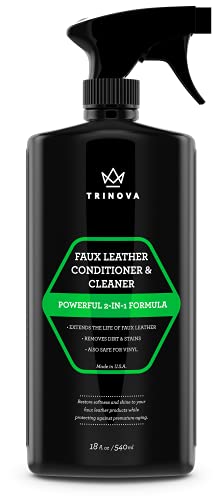 |
TriNova Leather Conditioner and Cleaner Best Restorer for Dry Leather Conditioning cream that softens, restores, and protects, safe for leather, vinyl, and faux leather |
8.4 | 🛒 Check Price |
 |
Bickmore Bick 4 Leather Conditioner Best No-Darkening Formula Conditioning lotion that will not darken leather, no silicone or grease, multi-surface |
8.2 | 🛒 Check Price |
1. Leather Honey Leather Conditioner: Best Overall
Leather Honey has been our go-to softener for years because it does the one job a conditioner is supposed to do exceptionally well. It soaks into thirsty, hardened seat leather and brings back genuine suppleness instead of laying down a temporary shine that wipes away in a week. On a sun-baked driver bolster that had gone board-stiff, two thin coats spaced a day apart had the hide feeling pliable and supple again, and that softness held up far longer than anything else we tried.
The trade off is patience. This is a thick, oil-rich formula, and it wants several hours to absorb fully, so the seat can feel slightly tacky if you rush back in too soon. It also does not include a dedicated UV protectant, so on a convertible or a car that bakes in open sun all day you will want to pair it with a separate protectant. For pure softening power and value, though, nothing in our test matched it.
- Penetrates deep to soften stiff, dried-out seat leather rather than just coating the surface
- A little goes a long way, so one bottle treats a full interior several times over
- Leaves no greasy film once it absorbs, so seats are not slippery to sit on
Pros: Outstanding long-lasting softening that you can feel weeks later; Works on a huge range of leather types including older neglected seats; Very economical because the formula is so concentrated
Cons: Needs several hours to fully absorb before the seat feels its best; No built-in UV blocker, so it conditions more than it protects from sun
2. Chemical Guys Leather Conditioner: Best for Modern Coated Seats
Most cars built in the last couple of decades use coated, protected leather, and that is exactly where the Chemical Guys conditioner shines. The cream is light, soaks in within minutes, and leaves a clean matte finish that looks like the day the seat left the factory. The aloe and vitamin E keep the surface soft and flexible, and because it is pH balanced it is gentle enough to use as often as your seats need it without any buildup.
Where it gives ground to our top pick is on truly parched or older leather. The lightweight formula simply does not carry as much conditioning oil per coat, so a neglected, stiff seat needs a few more passes to come back, and the softness does not last as many weeks. For a regularly maintained modern interior, though, it is one of the easiest and most pleasant softeners to live with.
- Lightweight cream formula that softens without leaving seats greasy or slick
- Aloe vera and vitamin E help keep coated factory leather supple and conditioned
- Pleasant natural scent that does not overpower a closed cabin
Pros: Absorbs fast, so you are back in the car quickly; Excellent matte, factory-correct finish with no fake gloss; Gentle pH balanced formula that is easy to use frequently
Cons: On very dry vintage leather it needs more coats than a heavier oil; Softening effect fades sooner than the thicker conditioners here
3. Lexol Leather Conditioner: Best for Frequent Maintenance
Lexol is the conditioner a lot of detailers grew up using, and it still earns its spot because it is so foolproof. The lotion is thin enough to wipe across a whole seat without dragging or streaking, and the lanolin content does a quiet, steady job of keeping the leather fed and flexible. It dries clean with no slippery residue, which matters when you are sliding in and out of the seat several times a day.
Because the formula is on the lighter side, it is really built for upkeep rather than rescue. If your seats are already badly dried out, you will burn through a fair amount of product getting them back, and a heavier oil would get there faster. Used as part of a regular routine, though, Lexol keeps good leather soft and looking honest without ever overdoing it.
- Thin lotion spreads easily and penetrates evenly across large seat panels
- Lanolin replenishes natural oils to keep leather flexible and resist cracking
- Non-greasy finish so seats stay grippy and comfortable right away
Pros: Easy to apply evenly with no streaking; Long-trusted formula that is gentle for regular use; Dries to a clean, natural feel rather than a shine
Cons: Thin consistency means you reach for the bottle often; Not the best choice for reviving severely dried or cracked hides
4. Meguiar's Gold Class Rich Leather Conditioner: Best Easy Application
Meguiar’s Gold Class is the softener we hand to someone conditioning their seats for the first time. The cream is thick enough to control, spreads smoothly, and the aloe-infused formula leaves leather feeling fed and looking clean and natural rather than glossy. It is also rated for vinyl, so on interiors that mix leather seats with vinyl trim you can treat both with one bottle, which keeps things simple.
It sits a notch below the leaders on pure softening muscle. On well-kept seats it does a lovely job, but on hide that has really dried out it takes repeated coats to make a dent, and a couple of testers found the fragrance a bit strong inside a sealed cabin. As an approachable, do-it-all conditioner that is easy to find anywhere, though, it is a dependable pick.
- Creamy formula nourishes leather while helping guard against drying and fading
- Aloe vera adds conditioning that keeps the surface soft and supple
- Works on leather and vinyl, handy for mixed-material interiors
Pros: Very simple to apply with a smooth, even spread; Leaves a clean, natural look without heavy gloss; Widely available and beginner friendly
Cons: Conditioning is moderate, so heavily dried leather wants more coats; Scent is stronger than some testers liked in a closed car
5. Adam's Leather Conditioner: Best Premium Finish
Adam’s built this conditioner around the kind of coated leather found in most modern performance and luxury cars, and it shows in the finish. It softens the surface, leaves a clean matte look with no plastic sheen, and importantly it carries UV inhibitors that help slow the sun fade that turns dashboards and seat tops grey. That combination of conditioning plus protection makes it a smart one-bottle choice for a daily driver that lives outside.
The flip side of being tuned for coated leather is that it is not the formula to reach for on raw, unfinished, or vintage hides that drink in oil. The conditioning is genuinely good but stays on the lighter side, so very stiff leather will not soften as dramatically as it would with a heavy penetrating oil. For protecting and maintaining a nice modern interior, it strikes a really pleasant balance.
- Conditions and softens while UV inhibitors help reduce sun fade
- Matte, factory-style finish that never looks slick or wet
- Smooth cream texture that is easy to control on vertical seat backs
Pros: Added UV protection alongside genuine conditioning; Clean OEM-correct finish that looks understated; Pleasant, light scent inside the cabin
Cons: Best matched to coated leather rather than raw or unfinished hides; Softening is solid but not as deep as the heavy oil formulas
6. TriNova Leather Conditioner and Cleaner: Best Restorer for Dry Leather
TriNova aims this one at leather that has already started to suffer, and it is a capable restorer. The cream is rich enough to feed dried, stiffening seats and bring noticeable suppleness back into the bolsters, and it claims protection against the cracking and fading that follow neglect. Because it is safe on vinyl and faux leather as well, it is handy when you want a single product for an interior that mixes materials.
It is not quite as polished in the details as the top picks. The finish can read a touch richer than a dead-flat factory matte, and if you are heavy handed it leaves a little residue that needs a proper buff to remove. Put the work in with a clean microfiber, though, and it does a genuinely good job of reviving tired, dried-out seat leather.
- Rich formula aimed at restoring suppleness to dried, stiff seat leather
- Helps protect against future cracking, fading, and drying out
- Works across leather, vinyl, and faux leather for whole-interior use
Pros: Strong restorative softening on neglected seats; Versatile across multiple interior materials; Comfortable, non-greasy feel once absorbed
Cons: Finish can look slightly richer than a true factory matte; Needs careful buffing to avoid any leftover residue
7. Bickmore Bick 4 Leather Conditioner: Best No-Darkening Formula
If you have light tan, cream, or two-tone seats, your big worry with any conditioner is darkening, and that is exactly the problem Bick 4 is built to avoid. It softens and feeds the leather while leaving the original color alone, with no silicone and no greasy residue to attract dust. That makes it a reassuring choice for delicate light interiors where a heavier oil could leave you with permanent dark patches.
The caution that comes with a no-darkening, color-safe formula is that it is fairly light. On very dried automotive leather you will apply more coats to get the softness you want, and the effect does not hold as many weeks as the thick oils in this roundup. For protecting the look of pale seats while keeping them supple, though, it is the safest pick here.
- Conditions and softens without darkening or changing the leather color
- No silicone or sticky grease, so seats stay clean to the touch
- Restores flexibility while helping prevent future cracking
Pros: Will not darken light or tan seats, which many conditioners do; Clean, non-greasy, residue-free finish; Versatile on a wide range of leather goods beyond the car
Cons: Light formula means more coats on very dry automotive leather; Softening does not last as long as the heavy oil conditioners
Frequently Asked Questions
What does a leather softener actually do for car seats?
A leather softener, often sold as a leather conditioner, replaces the natural oils and moisture that heat, sunlight, sweat, and daily friction pull out of the hide over time. As leather dries it stiffens and the grain becomes brittle, which is what leads to those hairline cracks across the seat bolsters. A good softener penetrates the surface, re-flexes the fibers, and restores suppleness so the seat feels comfortable again and is far less likely to crack. The better formulas also leave a protective layer that slows down future drying.
How often should I apply leather softener to my seats?
For most daily-driven cars, conditioning every three to four months keeps the leather healthy. If your car lives outside in strong sun, sees very dry climates, or has older neglected seats, every two months is a better rhythm until the leather is back in good shape. Seats that already feel stiff or look dry can take an initial round of two or three closely spaced applications to rehydrate, after which you settle into a maintenance schedule. Over-conditioning is hard to do, but always let each coat absorb fully before adding another.
Should I clean the seats before using a leather softener?
Yes, always clean first. Conditioner works by soaking into the leather, and if dirt, body oils, and grime are sitting on the surface, the softener traps them in or simply cannot penetrate. Wipe the seats with a dedicated leather cleaner or a mild solution and a soft microfiber, let them dry, and then apply the softener to clean leather. Skipping this step is the most common reason people feel a conditioner did not work, when in reality it never reached the hide.
Will leather softener darken or stain my car seats?
Some richer oil-based conditioners can slightly darken leather, especially on light tan or cream seats, and the change is usually temporary as the oils settle but can occasionally linger. If you have pale or two-tone interiors, choose a formula that specifically states it will not darken the leather, and always test on a hidden area such as the bottom of a seat or an inner edge before doing the whole panel. On standard black or dark seats, darkening is rarely an issue and any temporary deepening of color tends to look richer rather than worse.
Can I use leather softener on perforated or ventilated seats?
You can, but apply it sparingly. Perforated and ventilated seats have tiny holes for airflow and cooling, and you do not want to clog them with thick product. Put a small amount of conditioner onto a microfiber applicator rather than spraying or pouring directly onto the seat, work it gently into the surface, and wipe away anything that starts to pool around the perforations. A light cream or lotion conditioner is easier to control here than a heavy oil, and buffing well afterward keeps the holes clear so the ventilation still works.
Our Verdict
For pure softening power, value, and longevity, the Leather Honey Leather Conditioner is our top pick. It penetrates deep, revives even stiff, neglected seats, and the conditioning effect lasts far longer than anything else we tried, which is exactly what you want from a softener. If your car has modern coated factory leather and you prefer something that absorbs in minutes and dries to a clean matte finish, the Chemical Guys Leather Conditioner is the runner up and an outstanding choice for regular upkeep. Whichever you pick, clean the seats first, apply in thin coats, and let each one absorb fully for the best results.
