A peeling driver’s bolster or a lifting seam can make an otherwise clean interior look tired, and the wrong adhesive only makes it worse. Car seat leather flexes every time you slide in and out, bakes in summer heat, and gets tugged by seatbelts, so the glue you choose has to stay flexible, resist temperature swings, and grip both genuine hide and the vinyl and foam underneath. A rigid craft glue will crack within weeks and leave a worse mess than you started with.
We looked at the leather and upholstery adhesives buyers actually reach for to repair automotive seats, comparing bond strength, flexibility once cured, working time, cleanup, and how well each handles the leather-to-foam and leather-to-plastic joints common in cars. Below are seven genuinely useful picks, ranked best first, with honest notes on where each one falls short so you can match the glue to your specific repair.
| Photo | Product | Score | Buy |
|---|---|---|---|
 |
Gorilla Super Glue Gel Best Overall Cyanoacrylate gel, no-run formula, sets in 10 to 45 seconds |
9.5 | 🛒 Check Price |
 |
Loctite Vinyl Fabric & Plastic Flexible Adhesive Most Flexible Bond Clear flexible adhesive, waterproof once cured, dries transparent |
9.3 | 🛒 Check Price |
 |
Aleene's Original Leather & Suede Glue Best for Genuine Leather Water based leather glue, flexible dry, non yellowing clear finish |
9.1 | 🛒 Check Price |
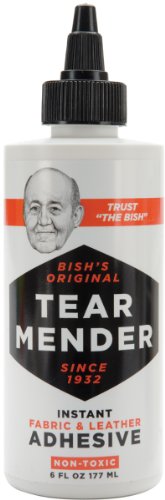 |
Tear Mender Instant Fabric and Leather Adhesive Best Quick Repair Latex based instant adhesive, flexible and washable bond |
8.9 | 🛒 Check Price |
 |
3M Super Weatherstrip Adhesive Best Heat Resistance Yellow contact style adhesive, high temperature and weather resistant |
8.6 | 🛒 Check Price |
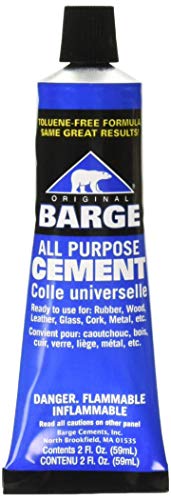 |
Barge All-Purpose Cement Strongest Hold Neoprene contact cement, permanent flexible bond for leather |
8.4 | 🛒 Check Price |
 |
Coconix Vinyl and Leather Repair Kit Best Repair Kit Compound and color blending kit for bonding and filling damage |
8.1 | 🛒 Check Price |
1. Gorilla Super Glue Gel: Best Overall
For the small, high stress repairs that plague car seats, a peeling bolster corner, a lifted piping seam, a curling edge near the seatbelt latch, Gorilla Super Glue Gel is the one we reach for first. The gel viscosity is the key. It clings to vertical and overhead surfaces instead of running into the stitching, and the rubber toughened formula tolerates the constant flexing a seat sees far better than a standard thin cyanoacrylate. It bonds leather to itself, to vinyl, and to the rigid plastic seat trim, which covers most of the joints you actually deal with in a vehicle.
The honest limitation is that cyanoacrylate cures to a firm, somewhat rigid bond line. On a small contact area that is exactly what you want, but if you try to glue down a large flexing leather panel with it, the cured glue can eventually crack or telegraph through. Treat it as a precision spot repair adhesive rather than a full reupholstery contact cement, and keep your fingers clear, because it grabs skin just as fast as it grabs leather.
- Thick gel that stays put on vertical seat bolsters and seams
- Rubber and impact toughened for flexibility under daily seat flex
- Dries clear and bonds leather, vinyl, plastic trim, and foam edges
Pros: Grips fast so you can hold a lifted seam without long clamping; Gel will not drip down into seat stitching or onto carpet; Widely available and reliable on mixed leather and plastic joints
Cons: Cures hard at the bond line, so it suits small repairs more than large flexing panels; Tiny working time means you must position the piece before contact
2. Loctite Vinyl Fabric & Plastic Flexible Adhesive: Most Flexible Bond
Where car seat repairs really fail is at the flex points, and that is exactly where this Loctite flexible adhesive earns its place. It is formulated for vinyl, fabric, and plastic, the exact mix of materials your seats are built from, and it stays pliable after curing so the bond bends with the leather instead of snapping. That makes it a strong choice for piping, gathered seams, and the soft bolster faces that crease every time you get in and out. It dries clear and waterproof, so spills and interior wipe downs will not undo your work.
The trade off for that flexibility is patience. This is not a grab in ten seconds adhesive. You will want to apply it, position the leather, and give it real clamping or weighting time, then let it fully cure before putting the seat back into daily service. The consistency is also on the thinner side, so apply sparingly on vertical edges or it can sag before it tacks up. Plan the repair when you can leave the seat undisturbed for a day.
- Engineered to stay flexible so the bond moves with the seat
- Waterproof cure handles spills, sweat, and humidity
- Dries clear for invisible repairs on light and dark leather
Pros: Flexibility is its whole purpose, ideal for areas that bend constantly; Clear cure hides the repair on visible seat surfaces; Holds up to moisture and the occasional interior cleaning
Cons: Needs longer set and full cure time than a super glue; Thin consistency can run if you over apply on a vertical edge
3. Aleene's Original Leather & Suede Glue: Best for Genuine Leather
If your seats are genuine leather and you want an adhesive that was actually designed for hide rather than borrowed from another job, Aleene’s Leather and Suede Glue is a smart, gentle option. It is purpose built to bond leather and suede, dries flexible so it will not crack as the seat creases, and cures clear without the yellow tint that cheaper glues leave on pale leather. For reattaching a lifted leather edge or fixing a delaminating seam on a real hide seat, it does the core job cleanly and the water based formula wipes up easily before it sets.
Because it is water based and leather focused, it is not the strongest grip on the slick vinyl bolsters and hard plastic trim that many modern car seats mix in, and it is not meant for high stress structural joints. Use it where leather meets leather and you will be happy. Ask it to hold a slick synthetic panel under constant tension and you may be disappointed. It also benefits from a clean, lightly abraded surface to bite into, so prep the leather before you apply.
- Made specifically for leather and suede bonding
- Stays flexible and will not crack on bending hide
- Dries clear and resists yellowing over time
Pros: Purpose built chemistry for genuine leather repairs; Flexible non yellowing cure keeps light leather looking right; Easy water based cleanup before it sets
Cons: Water based formula is less aggressive on slick vinyl and hard plastic; Not the pick for structural or load bearing seat joints
4. Tear Mender Instant Fabric and Leather Adhesive: Best Quick Repair
Tear Mender is a long time favorite for fabric and leather precisely because it acts fast and stays flexible. For a car seat, that means you can fix a lifted seam, a torn edge, or a separating piece of trim and have it usable again quickly rather than babysitting a clamp all day. The cured bond flexes with the material instead of fighting it, and it resists water well enough to survive interior cleaning, which matters on a surface you actually sit on and spill on.
The drawbacks are sensory more than structural. The latex formula has a noticeable smell as it flashes off, so crack the windows or work with the doors open until it cures. It also tends to string and web during application, so a thin, controlled bead and a steady hand keep things tidy on visible leather. Wipe any excess before it sets, because once it grabs it is genuinely permanent and harder to clean off a finished surface.
- Bonds in minutes and reaches full strength fast
- Permanent yet flexible so it moves with seat material
- Resists water and holds through interior cleaning
Pros: Fast acting for quick seam and edge fixes; Flexible bond tolerates seat flex without cracking; Natural latex formula bonds leather and fabric well
Cons: Strong odor while it flashes off, so ventilate the cabin; Stringy application takes a steady hand to keep tidy
5. 3M Super Weatherstrip Adhesive: Best Heat Resistance
Car interiors get brutally hot, and a glue that softens in summer is no glue at all. 3M Super Weatherstrip Adhesive comes from the automotive trim world, where it bonds rubber seals and trim to metal and survives years of heat, cold, and vibration. That pedigree makes it a strong pick for seat repairs near heat sources or for bonding leather to the metal frame and rigid plastic of the seat structure. It forms an aggressive, flexible contact bond that will not let go when the cabin bakes in direct sun.
The catch is cosmetic and chemical. The classic version is yellow, so it is best buried inside a seam or under an edge where it will not show on light colored leather. It is also solvent based with a strong odor, so you need real ventilation and patience while it cures. As a contact adhesive, it wants both surfaces coated and allowed to tack before you press them together, which is a slightly more involved process than a simple dab and stick repair.
- Built to survive automotive heat and weather extremes
- Strong contact bond for leather to metal and trim seals
- Flexible cure that resists vibration and cabin temperature swings
Pros: Excellent heat resistance for sun baked summer interiors; Aggressive automotive grade grip on mixed materials; Stays flexible so vibration does not crack the bond
Cons: Yellow color shows on light leather, so keep it hidden in the seam; Strong solvent odor demands good ventilation during use
6. Barge All-Purpose Cement: Strongest Hold
When the repair needs maximum holding power, a large lifted panel, a leather to foam re bond, or an edge that keeps pulling loose, Barge All Purpose Cement is the adhesive professionals trust. It is a neoprene contact cement long used by shoe repair shops and upholsterers, and it forms a permanent yet flexible bond that grips leather, rubber, and foam through relentless flexing. For the kind of seat repair where a dab of super glue simply will not hold, Barge brings the strength to keep things together for the long haul.
That strength comes with a heavier process. As a contact cement, you coat both surfaces, let them tack, then press, and there is little room to reposition once they touch, so dry fit everything first. The solvent fumes are strong and you genuinely need good ventilation, ideally working outdoors or with the doors wide open. It is also messier than a precision glue, so it rewards careful, deliberate application rather than a quick squeeze and go.
- Professional grade contact cement used by cobblers and upholsterers
- Permanent flexible bond grips leather, rubber, and foam
- Holds through constant flexing and heavy daily use
Pros: Exceptional grip favored by leather professionals; Flexible cure handles the bending and stress of a seat; Bonds leather to foam and backing for larger repairs
Cons: Strong solvent fumes require a well ventilated workspace; Contact cement process is messier and less beginner friendly
7. Coconix Vinyl and Leather Repair Kit: Best Repair Kit
Sometimes the seat does not just need glue, it needs a repair that also looks right afterward, and that is where the Coconix kit changes the conversation. Instead of a single adhesive, it pairs a bonding compound with a color blending system, so you can fix a tear, hole, or separated seam and then tint the repair to match your seat. For visible damage on the seating surface where a glue line would stand out, this all in one approach gets you a cleaner cosmetic result than adhesive alone.
The honest weakness is the color matching. Mixing the included tints to hit your exact factory shade takes patience and a few test passes, and rushing it shows. The kit also shines on tears and holes more than on re bonding long flat seams under tension, where a dedicated contact cement holds better. Used for its intended job, repairing and disguising damaged spots on leather and vinyl seats, it is a genuinely useful tool, just budget extra time for the color work to get a seamless finish.
- Bonds and fills tears, holes, and separated seams in one kit
- Color mixing system blends to match factory seat tones
- Works on leather, vinyl, and bonded leather seats
Pros: Combines adhesion with cosmetic filling for invisible repairs; Color blending hides the patch on visible seat surfaces; No heat tool required to set the compound
Cons: Color matching has a learning curve to get right; Better for tears and holes than for re bonding large flat seams
Frequently Asked Questions
Will regular super glue work on car seat leather?
Standard thin super glue can grab leather, but it is the wrong tool for most seat repairs because it cures hard and brittle. Car seats flex constantly, and a rigid bond line cracks and pops loose within weeks while leaving a stiff, visible mark. A gel formula super glue toughened with rubber, like the Gorilla Super Glue Gel above, is a far better choice for small spot repairs because it tolerates some flexing and will not run into the stitching. For anything that bends a lot or covers a larger area, reach for a flexible upholstery adhesive or a contact cement instead.
What is the most important quality in a leather glue for car seats?
Flexibility once cured is the single most important quality. A car seat moves every time you sit, lean, or buckle up, and it heats and cools dramatically through the day, so a glue that dries hard will crack and fail no matter how strong it looked at first. After flexibility, look for heat resistance so summer cabin temperatures do not soften the bond, and a clear or color matched cure so the repair does not show. Strength matters too, but a strong rigid glue that cracks is worse than a slightly weaker flexible one that lasts.
How do I prep a car seat before gluing the leather?
Clean is everything. Wipe the area with a leather safe cleaner or a little isopropyl alcohol to strip away oils, conditioner residue, and dirt, then let it dry fully, because adhesives will not grip a greasy or dusty surface. For a stronger mechanical bite, lightly scuff the back side or edge of the leather and the surface it bonds to with fine abrasive. Dry fit the pieces first so you know exactly how they line up, since many of these glues grab fast and give you little chance to reposition once the surfaces touch.
Is contact cement or super glue better for a peeling seat bolster?
It depends on the size and stress of the repair. For a small curling corner or a short lifted edge, a gel super glue is quicker and cleaner because you just dab, position, and hold for a moment. For a larger lifted panel, a leather to foam separation, or any edge that keeps pulling loose under tension, a flexible contact cement like Barge gives you a far stronger and more durable hold. Contact cement is messier and needs ventilation and dry fitting, but it is the right call when holding power matters more than convenience.
Will glued leather seat repairs survive summer heat?
Only if you choose the right adhesive. Cabin temperatures can climb dramatically in direct sun, and a craft glue or a non automotive product can soften and release in that heat. Choose a glue rated for flexibility and temperature swings, and for repairs near heat or under heavy stress, an automotive grade product such as 3M Super Weatherstrip Adhesive is built to take it. Good surface prep and full curing before the seat goes back into daily use also make a big difference in how well the bond holds through a hot summer.
Our Verdict
For most car seat repairs, the Gorilla Super Glue Gel is our top pick because its no run gel and rubber toughened formula handle the small, high stress peeling edges and lifted seams that plague seats, all while being easy to find and quick to set. Our runner up is the Loctite Vinyl Fabric and Plastic Flexible Adhesive, the better choice when the repair sits on a constantly flexing surface and you want a clear, waterproof, pliable bond that bends with the leather rather than cracking. Match the glue to the job, prep the surface properly, and let the bond fully cure, and your seats will look right again for the long haul.
