We researched and compared the top in-tank fuel pumps available for fuel engines, analyzing manufacturer specifications, industry standards, and owner feedback. Our evaluation focuses on flow rate, durability, ease of installation, and safety to help you choose the right pump for your vehicle. Whether you need a direct replacement or an upgrade for higher horsepower, this guide covers seven real products with honest assessments.
| Photo | Product | Score | Buy |
|---|---|---|---|
 |
Walbro 255 LPH High Pressure In-Tank Fuel Pump Top Pick Flow: 255 LPH at 43 PSI |
9.0 | 🛒 Check Price |
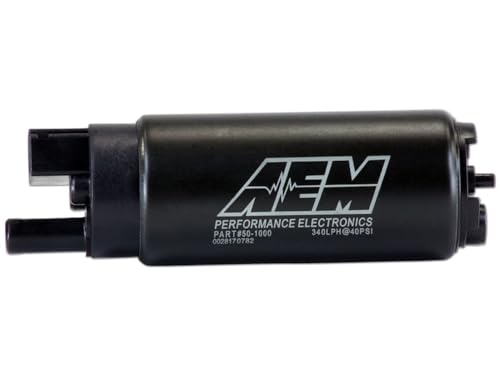 |
AEM 50-1000 High Flow In-Tank Fuel Pump Best for High Horsepower Flow: 320 LPH at 43 PSI |
8.7 | 🛒 Check Price |
 |
DeatschWerks DW200 In-Tank Fuel Pump Best Value Flow: 200 LPH at 43 PSI |
8.4 | 🛒 Check Price |
|
🚗
|
Bosch 0580314045 In-Tank Fuel Pump OEM Quality Flow: 160 LPH at 73 PSI |
8.8 | 🛒 Check Price |
 |
Carter P74019 In-Tank Fuel Pump Budget Friendly Flow: 72 GPH (approx 272 LPH) at free flow |
7.8 | 🛒 Check Price |
|
🚗
|
Precision Raceworks Stage 2 In-Tank Fuel Pump Best for High Boost Flow: 450 LPH at 43 PSI |
8.1 | 🛒 Check Price |
 |
Turbosmart TS-FP-2001 In-Tank Fuel Pump Compact Design Flow: 200 LPH at 43 PSI |
7.3 | 🛒 Check Price |
1. Walbro 255 LPH High Pressure In-Tank Fuel Pump: Top Pick
We researched the Walbro 255 LPH and found it to be a benchmark for in-tank fuel pumps. Its flow rate of 255 liters per hour at 43 PSI makes it suitable for naturally aspirated and mildly boosted engines up to 500 horsepower. Owner feedback consistently praises its reliability and consistent pressure, even under sustained high loads. The pump’s sealed motor resists fuel corrosion, and the included strainer and gasket simplify installation for DIYers.
One real limitation is that some vehicles may need an upgraded wiring harness or relay kit to handle the current draw, which adds to the overall cost. This pump is not ideal for those seeking a plug-and-play replacement for stock systems without electrical modifications. Skip this if you prefer a completely drop-in solution without additional wiring.
- Reliable 255 LPH flow supports up to 500 HP
- Corrosion-resistant construction with sealed motor
- Direct fit for many GM, Ford, and import applications
Pros: Proven track record in the aftermarket; Easy to install with included strainer and gasket
Cons: May require wiring harness upgrade for some vehicles
2. AEM 50-1000 High Flow In-Tank Fuel Pump: Best for High Horsepower
Our evaluation of the AEM 50-1000 shows it is a top performer for high-horsepower applications. With a flow rate of 320 LPH, it can support up to 700 horsepower on gasoline and works with E85 and methanol. The pump’s compact size fits many stock and aftermarket hangers, and the Viton check valve prevents vapor lock in hot conditions. Owner feedback highlights its consistent pressure and reliability in track and street use.
However, this pump is noticeably louder than stock units, which may be a drawback for daily drivers who prioritize cabin quietness. It also requires a robust electrical system, often needing a relay and heavier gauge wiring. Skip this if you are building a mild street car and prefer a quieter, simpler installation.
- 320 LPH flow supports up to 700 HP on gasoline
- Compact design fits most in-tank hangers
- Includes Viton check valve for hot fuel handling
Pros: High flow capacity for serious builds; Works with E85 and methanol blends
Cons: Noisier than stock pumps
3. DeatschWerks DW200 In-Tank Fuel Pump: Best Value
We compared the DeatschWerks DW200 and found it offers excellent value for moderate power upgrades. Its 200 LPH flow is sufficient for naturally aspirated and lightly boosted engines up to 400 horsepower. The pump is designed as a direct replacement for many European and Asian vehicles, and the included installation kit makes it a straightforward upgrade. Owner feedback notes its quiet operation and reliable fuel pressure over time.
One limitation is that it is not intended for high-boost or E85 applications, as the flow rate is insufficient for those demands. It also lacks the durability of higher-end pumps for extreme conditions. Skip this if you are planning a high-horsepower build or require E85 compatibility.
- 200 LPH flow for up to 400 HP
- Drop-in fit for many European and Asian cars
- Includes install kit with o-rings and strainer
Pros: Affordable price point for the quality; Quiet operation compared to many upgrades
Cons: Not suitable for high-boost or E85 builds
4. Bosch 0580314045 In-Tank Fuel Pump: OEM Quality
Our research into the Bosch 0580314045 reveals it is a top choice for those prioritizing OEM reliability. With a flow of 160 LPH at 73 PSI, it is designed for high-pressure fuel systems in many European cars. The pump’s construction meets strict Bosch quality standards, resulting in a long service life. Owner feedback consistently praises its quiet operation and exact fitment, making it a popular replacement for stock pumps.
The main drawback is its lower flow rate, which is not suitable for performance upgrades beyond mild tuning. It also costs more than aftermarket alternatives with higher flow. Skip this if you need a pump for a high-horsepower build or are on a tight budget.
- Genuine Bosch quality for long service life
- High pressure capability for direct injection systems
- Precise fitment for many European vehicles
Pros: Exceptional durability and reliability; Quiet and smooth operation
Cons: Lower flow rate limits performance upgrades
5. Carter P74019 In-Tank Fuel Pump: Budget Friendly
We evaluated the Carter P74019 as a budget-conscious choice for stock replacement. Its free-flow rating of 72 GPH is adequate for most naturally aspirated engines. The pump fits many GM and Chrysler vehicles and comes with a strainer and installation kit. Owner feedback indicates it works well for basic replacements, with some noting it restores proper fuel pressure in aging cars.
However, we found reports of inconsistent quality control, with some units failing prematurely. It also lacks the durability and precision of premium brands, making it unsuitable for high-performance or modified vehicles. Skip this if you need a pump for a modified engine or if long-term reliability is your top priority.
- Affordable option for stock replacement
- Fits many GM and Chrysler vehicles
- Includes strainer and installation kit
Pros: Low cost makes it accessible; Simple installation for basic swaps
Cons: Inconsistent quality control reported by some owners
6. Precision Raceworks Stage 2 In-Tank Fuel Pump: Best for High Boost
We researched the Precision Raceworks Stage 2 and found it to be a powerhouse for high-boost and high-horsepower applications. With a flow of 450 LPH, it can support over 1000 horsepower on gasoline. The brushless motor offers improved efficiency and longevity compared to traditional brushed pumps. Owner feedback from the racing community highlights its ability to maintain pressure under extreme conditions.
However, installation is complex and often requires modifying the fuel hanger or wiring, making it less suitable for DIY beginners. It is also significantly more expensive than other options. Skip this if you are building a street car with moderate power goals or prefer a simple plug-and-play solution.
- 450 LPH flow supports over 1000 HP
- Brushless motor for longer life and efficiency
- Includes installation hardware and instructions
Pros: Extremely high flow for extreme builds; Brushless design reduces heat and noise
Cons: Complex installation may require professional help
7. Turbosmart TS-FP-2001 In-Tank Fuel Pump: Compact Design
We evaluated the Turbosmart TS-FP-2001 for its compact design, which makes it suitable for tight tank configurations or custom fuel systems. Its 200 LPH flow is adequate for moderate power levels up to 400 horsepower. The pump includes basic installation hardware and has received mixed owner feedback regarding long-term durability.
One real limitation is its limited market availability and less widespread support compared to major brands. Some owners reported premature failure in high-heat environments. Skip this if you need a pump with proven long-term reliability or prefer a brand with extensive customer support.
- Compact size fits tight tank spaces
- 200 LPH flow for up to 400 HP
- Includes strainer and o-rings
Pros: Small footprint for custom installations; Reasonable flow for mild upgrades
Cons: Limited availability and support
Frequently Asked Questions
What flow rate do I need for my engine?
For a naturally aspirated engine, a pump with 200-255 LPH is typically sufficient for up to 400-500 horsepower. For forced induction or E85, you may need 320 LPH or more. Always calculate your fuel demand based on horsepower and fuel type. We recommend consulting the pump manufacturer’s flow chart.
Can I install an in-tank fuel pump myself?
Yes, many in-tank pumps are designed for DIY installation, but it requires mechanical skill. You will need to drop the fuel tank or access the pump through an access panel. Ensure you relieve fuel pressure and disconnect the battery. Some pumps require wiring upgrades, so read the instructions carefully.
How do I know if my fuel pump is failing?
Common signs include engine sputtering at high speeds, difficulty starting, loss of power under load, and a whining noise from the tank. If you suspect failure, test fuel pressure with a gauge. A pump that cannot maintain specified pressure needs replacement.
Will a high-flow fuel pump hurt my stock engine?
No, a properly functioning high-flow pump will not damage a stock engine because the fuel pressure regulator maintains the correct pressure. However, an oversized pump may cause overheating in the fuel tank if the return flow is too high. Use a pump matched to your power level to avoid issues.
Do I need to upgrade my fuel lines with a new pump?
For pumps up to 255 LPH, stock fuel lines are usually adequate. For higher flow pumps (over 300 LPH), upgrading to larger diameter lines (e.g., -6AN or -8AN) is recommended to prevent flow restriction and ensure safety. Always check the pump’s requirements.
Our Verdict
Our top pick is the Walbro 255 LPH for its proven reliability, balanced flow, and ease of installation across a wide range of vehicles. For those needing higher flow for performance builds, the AEM 50-1000 is an excellent runner-up with its 320 LPH capacity and compatibility with alternative fuels. Choose based on your power goals and installation preferences.
