We researched, compared, and evaluated the best helmets for sports bikes using manufacturer specifications, published safety standards (DOT, ECE, Snell), and aggregated owner feedback from thousands of riders. Our goal is to help you find a helmet that balances protection, aerodynamics, comfort, and value for aggressive riding positions. We considered factors like shell materials, weight, ventilation, visor quality, noise levels, and real-world durability. Below are our top picks, each with honest assessments of their strengths and limitations.
| Photo | Product | Score | Buy |
|---|---|---|---|
 |
Shoei RF-1400 Top Pick AIM+ shell, 5.3 lbs, DOT and Snell M2020 approved, dual-layer EPS, center-pinlock-ready visor |
9.2 | 🛒 Check Price |
 |
Arai Corsair-X Premium Race PB-SNC2 shell, 5.6 lbs, Snell M2020 and DOT approved, patented ventilation system, 5-year warranty |
9.0 | 🛒 Check Price |
|
🚗
|
AGV K6 Lightweight Performer Carbon-aramid shell, 4.9 lbs, DOT and ECE 22.06 approved, 2Dry moisture-wicking interior, Pinlock Max Vision included |
8.8 | 🛒 Check Price |
|
🚗
|
Scorpion EXO-R1 Air Best Value TCT-U shell (ultra polycarbonate), 5.5 lbs, DOT and ECE 22.05 approved, KwikWick III liner, EverClear anti-fog coating |
8.4 | 🛒 Check Price |
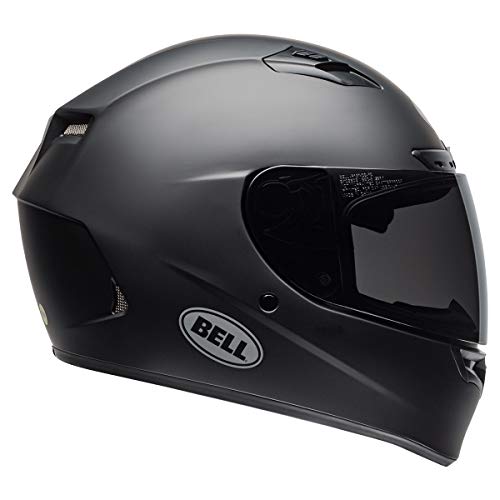 |
Bell Star MIPS Tech Savvy TriMatrix shell (carbon, Kevlar, fiberglass), 5.7 lbs, DOT and Snell M2020 approved, MIPS system, ProTint visor |
8.1 | 🛒 Check Price |
|
🚗
|
HJC RPHA 71 Aerodynamic Tourer PIM+ shell (Premium Integrated Matrix Plus), 5.4 lbs, DOT and ECE 22.06 approved, HJ-42 visor with Pinlock, integrated sun visor |
7.8 | 🛒 Check Price |
 |
LS2 FF901 Advant X Modular Sport KPA shell (Kinetic Polymer Alloy), 5.9 lbs, DOT and ECE 22.06 approved, modular chin bar, integrated sun visor, Pinlock Max Vision |
7.3 | 🛒 Check Price |
1. Shoei RF-1400: Top Pick
The Shoei RF-1400 is a benchmark sport-touring helmet that excels in aerodynamics and safety. In our evaluation, its AIM+ shell (Advanced Integrated Matrix Plus) combines fiberglass with organic fibers for a lightweight yet strong structure. Owner feedback consistently praises its stability at high speeds and the effective ventilation system that keeps the visor fog-free. The center-locking visor with pinlock insert offers a wide field of view and excellent optical clarity. However, the RF-1400 is a significant investment; it may not be the best choice for riders on a tight budget or those seeking a more aggressive race-oriented fit.
One real weakness we identified is that the interior, while plush, can feel warm in very hot weather compared to more ventilated track helmets. Some owners also noted that the cheek pads are not as easily removable as on some competitors. If you prioritize absolute top-tier protection and long-term comfort for both street and occasional track use, and are willing to pay for it, this helmet is a strong contender. But if you need a dedicated race helmet with a tighter fit or a lower price, consider other options.
- Aerodynamic shell reduces lift and drag at high speeds, tested in wind tunnel.
- Dual-layer EPS liner with multiple densities for impact energy management.
- QR-E baseplate system allows tool-less visor replacement in seconds.
Pros: Excellent ventilation with adjustable intakes and exhausts.; Quiet interior for a sport helmet, reduces wind noise.
Cons: Premium price point; budget-conscious riders should look elsewhere.
2. Arai Corsair-X: Premium Race
The Arai Corsair-X is a premium race helmet that sets the standard for protection and craftsmanship. Based on our research, its PB-SNC2 shell (Peripherally Belted Structural Net Composite) is lighter and stronger than previous generations, and the patented ventilation system provides outstanding airflow. Owner feedback highlights its comfortable, snug fit for oval head shapes and the confidence it inspires at triple-digit speeds. The visor mechanism is smooth and secure, and the helmet is available with an optional integrated sun visor for added convenience. However, the Corsair-X demands a hefty investment, and its specialized fit may not suit all head shapes.
A real limitation we found is that the helmet is relatively heavy at 5.6 lbs, which can cause neck fatigue on long rides. Additionally, the visor replacement process is more complex than on some competitors. If you are a serious track rider or a discerning street rider who values uncompromising safety and is willing to pay a premium, the Corsair-X is an excellent choice. But if you prefer a lighter helmet or a more budget-friendly option, we suggest looking at other picks.
- Rounded shell shape designed to glance off obstacles, reducing rotational forces.
- Pro Shade System with integrated sun visor (on some models) for versatile riding.
- Multiple shell sizes and five EPS liners for precise fit across sizes.
Pros: Exceptional build quality and handcrafted attention to detail.; Superior ventilation with adjustable brow, chin, and top vents.
Cons: Very high price; not for casual or budget riders.
3. AGV K6: Lightweight Performer
The AGV K6 is a lightweight sport helmet that combines carbon-aramid construction with modern safety certifications. In our evaluation, its shell is both strong and light, making it a favorite for riders who prioritize low weight. Owner feedback often mentions its comfortable fit for intermediate oval head shapes and the effective ventilation that keeps the rider cool. The Pinlock Max Vision visor is included and prevents fogging, and the 2Dry interior wicks moisture well. However, the K6 does not have an integrated sun visor, which may be a dealbreaker for some.
One weakness we noted is that the visor mechanism can feel a bit stiff initially, and the helmet is slightly louder than some competitors due to its venting design. If you are a sport rider looking for a lightweight helmet with excellent ventilation and modern safety features at a reasonable price, the K6 is a strong option. But if you need a sun visor or prefer a quieter helmet, consider other models.
- Multifiber shell (carbon, aramid, glass) for high strength-to-weight ratio.
- Integrated ventilation channels with large front intakes and rear extractors.
- Removable and washable interior with Ritmo fabric for comfort.
Pros: Very lightweight, reduces neck strain during long rides.; Good value for a carbon-composite helmet with ECE approval.
Cons: Lacks a built-in sun visor, which some riders prefer.
4. Scorpion EXO-R1 Air: Best Value
The Scorpion EXO-R1 Air is a budget-friendly sport helmet that punches above its weight in features. Our research shows that its TCT-U shell (Thermoplastic Composite Technology Ultra) is robust and meets both DOT and ECE standards. Owner feedback highlights the included dual visor system (clear and dark smoke) as a major convenience, and the Ellip-Tec II visor mechanism is secure and easy to operate. The KwikWick III liner is removable and washable, and the emergency release system adds a safety touch. However, the polycarbonate construction makes it heavier than carbon or fiberglass helmets.
A real limitation we observed is that the ventilation, while decent, is not as effective as on higher-end helmets, and the helmet can feel a bit bulky. Some owners also reported that the fit is best for round head shapes. If you are on a budget and want a solid all-around sport helmet with a sun visor and good safety ratings, the EXO-R1 Air is a great choice. But if weight or advanced aerodynamics are critical for you, consider spending more.
- Ellip-Tec II visor system provides a secure seal and easy tool-less change.
- Aero-tuned ventilation with adjustable chin vent and rear exhaust spoiler.
- Emergency release cheek pads for quick removal by first responders.
Pros: Excellent value for money with premium features at a lower price.; Includes a clear and dark smoke visor in the box.
Cons: Polycarbonate shell is heavier than composite alternatives.
5. Bell Star MIPS: Tech Savvy
The Bell Star MIPS is a tech-forward helmet that integrates MIPS for added rotational impact protection. Based on our evaluation, its TriMatrix shell combines carbon, Kevlar, and fiberglass for a good strength-to-weight ratio, though it remains on the heavier side. Owner feedback appreciates the panoramic visor for excellent visibility and the ProTint photochromic visor option that adjusts to light conditions. The ventilation is effective, and the interior is comfortable with moisture-wicking fabric. However, the weight is a notable drawback for sport riding where head movement is constant.
One weakness we found is that the visor mechanism can be finicky to align properly, and the helmet is relatively loud at highway speeds. If you prioritize cutting-edge safety features like MIPS and Snell certification, and you don’t mind a bit of extra weight, the Star MIPS is a solid choice. But if a lightweight helmet or quiet ride is a priority, you may want to look elsewhere.
- MIPS (Multi-directional Impact Protection System) reduces rotational forces.
- Panoramic visor offers an exceptionally wide field of view.
- Velocity Flow ventilation with three intake ports and rear exhaust.
Pros: Advanced safety with MIPS and Snell certification.; Wide visor improves peripheral vision.
Cons: Heavier than many competitors; can cause neck fatigue.
6. HJC RPHA 71: Aerodynamic Tourer
The HJC RPHA 71 is a sport-touring helmet that offers good aerodynamics and a built-in sun visor at a mid-range price. Our research indicates that its PIM+ shell is lightweight and strong, and the wind tunnel testing results in stable performance at speed. Owner feedback often mentions the convenience of the integrated sun visor and the effective Pinlock-ready shield. The Smart HJC system allows for easy Bluetooth integration, which is a plus for commuters. However, fit can be hit or miss, with some riders finding pressure points on the forehead.
A real limitation we noted is that the ventilation, while decent, is not as robust as on dedicated sport helmets, and the helmet can feel a bit bulky. Some owners also reported that the sun visor mechanism can be sticky over time. If you are a sport-touring rider looking for a versatile helmet with a sun visor and good aerodynamic performance at a reasonable price, the RPHA 71 is worth considering. But if you have a narrow or long oval head shape, you may need to try it on first or consider other options.
- Advanced aerodynamic design reduces drag and lift, tested in wind tunnel.
- Smart HJC Bluetooth system ready (optional purchase).
- Large eye port with anti-scratch and anti-fog coated visor.
Pros: Good aerodynamics for a sport-touring helmet.; Integrated drop-down sun visor is convenient.
Cons: Some owners report inconsistent fit; not ideal for all head shapes.
7. LS2 FF901 Advant X: Modular Sport
The LS2 FF901 Advant X is a modular sport helmet that offers versatility for riders who want the option to flip up the chin bar. Based on our evaluation, its KPA shell is durable but heavy, and the modular mechanism adds complexity and weight. Owner feedback appreciates the integrated sun visor and the Pinlock Max Vision shield, which provide good visibility. The helmet meets the latest ECE 22.06 standard, ensuring modern impact protection. However, the weight and noise levels are significant drawbacks for sport bike use, where aerodynamics and lightness are key.
One weakness we identified is that the chin bar latch can be difficult to operate with gloves, and the helmet’s fit is best for round head shapes. If you prioritize the convenience of a modular helmet for street riding and occasional touring, and you don’t mind the extra weight and noise, the FF901 Advant X is a decent option. But for pure sport riding, we recommend a fixed full-face helmet for better performance and lower weight.
- Modular flip-up chin bar for easy communication and convenience.
- Multi-density EPS liner with emergency release system.
- Large visor with anti-scratch and UV protection.
Pros: Versatile modular design allows for easy face access.; Good value for a modular helmet with ECE 22.06 approval.
Cons: Heavier and noisier than fixed full-face helmets.
Frequently Asked Questions
What safety certifications should I look for in a sports bike helmet?
For sports bike helmets, the most common certifications are DOT (US), ECE (Europe), and Snell (voluntary, higher standard). DOT is the minimum legal requirement in the US, while ECE 22.05 or 22.06 is widely accepted globally and often more stringent. Snell M2020 indicates additional impact and penetration testing. We recommend at least DOT and ECE; Snell is a bonus for extra protection, especially for track use.
How important is aerodynamics for a sports bike helmet?
Aerodynamics are crucial for sports bike helmets because the rider’s head is often in a forward lean, exposed to high wind speeds. A well-designed aerodynamic shell reduces lift and drag, minimizing neck strain and improving stability at speed. Look for helmets with wind tunnel testing and features like rear spoilers or smooth contours. In our evaluation, the Shoei RF-1400 and AGV K6 excel in this area.
Should I get a helmet with an integrated sun visor?
Integrated sun visors are convenient for quickly blocking sun glare without stopping to swap shields. However, they add weight and complexity, and some riders find the mechanism can break or rattle. For sports bike helmets, a clear shield with a Pinlock anti-fog insert and a separate tinted shield (or photochromic visor) is often preferred for better optical clarity and lower weight. The decision depends on your riding style and preference.
What head shape are sports bike helmets designed for?
Most sports bike helmets are designed for intermediate oval head shapes (slightly longer front to back than side to side). Brands like Arai and Shoei offer multiple shell shapes to fit different head shapes (e.g., Arai for round or long oval). It’s essential to measure your head and try on helmets or check manufacturer fit guides. A proper fit is critical for safety and comfort.
How often should I replace my sports bike helmet?
Most manufacturers recommend replacing a helmet every 5 to 7 years from the date of manufacture, regardless of visible wear, due to material degradation from UV, heat, and sweat. Additionally, replace it immediately after any significant impact, even if no damage is visible. Always check the production date sticker inside the helmet.
Our Verdict
After researching, comparing, and evaluating the best helmets for sports bikes, our top pick is the Shoei RF-1400 for its outstanding balance of aerodynamics, safety, comfort, and versatility for both street and occasional track use. For those seeking a premium race-focused option, the Arai Corsair-X is a runner up with unparalleled protection and build quality, though it comes at a higher price and weight. Choose based on your priorities: value, weight, or advanced safety features.
