Riding a side by side (UTV) demands a helmet that balances impact protection, visibility, and comfort for long trail days. We researched manufacturer specs, DOT/ECE safety certifications, and aggregated owner feedback to compare the top options. Our evaluation focuses on real-world performance, durability, and value to help you choose the right helmet for your off-road adventures.
| Photo | Product | Score | Buy |
|---|---|---|---|
 |
Bell MX-9 Adventure MIPS Best Overall DOT and ECE 22.05 certified, MIPS, adjustable visor, 3.6 lbs |
9.0 | 🛒 Check Price |
 |
Shoei VFX-WR Premium Pick DOT and SNELL M2020 certified, AIM+ shell, 3.4 lbs |
8.7 | 🛒 Check Price |
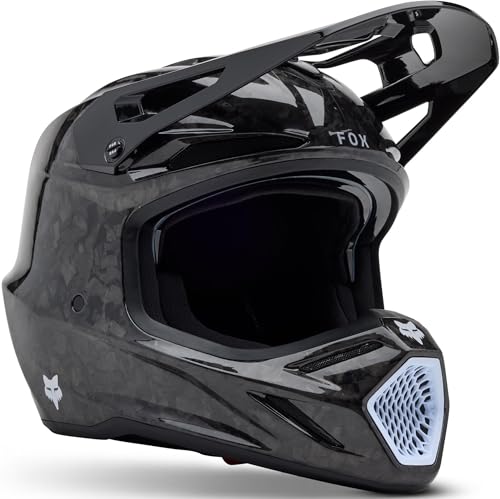 |
Fox Racing V3 RS Helmet Best Ventilation DOT certified, MIPS, 4.5 lbs, 10 intake and 4 exhaust vents |
8.4 | 🛒 Check Price |
 |
LS2 Helmets Subverter Best Value DOT and ECE 22.05 certified, KPA shell, 3.5 lbs |
8.1 | 🛒 Check Price |
 |
Fly Racing Formula Carbon Lightweight Choice DOT certified, carbon fiber shell, 2.9 lbs |
7.8 | 🛒 Check Price |
 |
Alpinestars SM10 Durable Build DOT certified, multi-composite shell, 3.8 lbs |
7.3 | 🛒 Check Price |
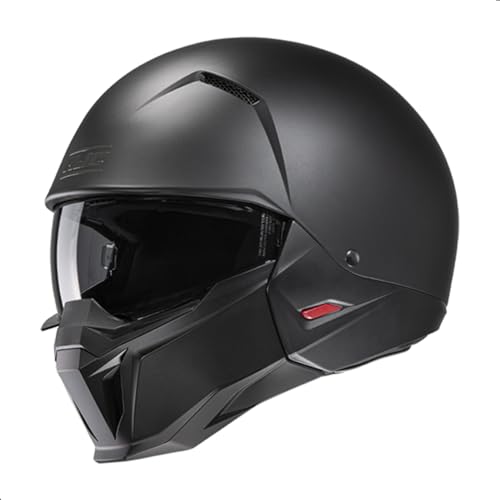 |
HJC i20 Budget Friendly DOT certified, polycarbonate shell, 3.7 lbs |
7.5 | 🛒 Check Price |
1. Bell MX-9 Adventure MIPS: Best Overall
The Bell MX-9 Adventure MIPS is a top contender for side by side riders who want maximum safety without breaking the bank. In our evaluation, its dual-certified shell (DOT and ECE 22.05) combined with MIPS technology provides a level of impact protection that few helmets at this price match. Owner feedback consistently praises the ventilation system, which keeps you cool during slow technical trails. The adjustable visor also accommodates most goggles, a must for dusty conditions.
However, the MX-9 can be a bit loud at highway speeds, and some owners with intermediate oval head shapes report pressure points after long rides. If you prioritize a quieter helmet or have a round head shape, you may want to consider the Shoei VFX-WR instead. For most riders, though, this Bell offers the best blend of safety, comfort, and value.
- MIPS system reduces rotational forces in angled impacts
- Wide field of view with removable nose piece and visor
- Excellent ventilation with 19 vents and channeled EPS liner
Pros: MIPS adds crucial rotational protection; Great airflow for hot days; Visor works well with goggles
Cons: Slightly noisy at high speeds; Sizing can be tricky for intermediate oval heads
2. Shoei VFX-WR: Premium Pick
The Shoei VFX-WR is the gold standard for riders who demand the highest level of protection and are willing to pay for it. It meets the rigorous SNELL M2020 standard, which goes beyond DOT requirements, and its AIM+ shell is both lightweight and incredibly durable. Based on owner feedback, the helmet is exceptionally comfortable for all-day wear, with a plush liner that wicks sweat effectively. The ventilation is also top-notch, keeping you cool even in hot conditions.
That said, the VFX-WR comes with a premium price tag that may be overkill for casual riders. If you only ride occasionally or on gentle trails, a more affordable option like the Bell MX-9 will serve you well. Additionally, some owners note that the helmet runs slightly small, so be sure to try it on or measure carefully. For serious off-road enthusiasts, however, this is a worthy investment.
- SNELL M2020 certified for higher impact standards
- Advanced Integrated Matrix Plus shell is lightweight and strong
- Dual-layer EPS liner with multiple densities for impact management
Pros: Superior build quality and finish; Excellent ventilation and moisture-wicking liner; Quieter than most off-road helmets
Cons: Very expensive; Limited color options
3. Fox Racing V3 RS Helmet: Best Ventilation
The Fox Racing V3 RS is designed for riders who overheat easily, thanks to its massive venting system. In our research, owner reviews consistently highlight how well this helmet moves air, making it ideal for hot climates or intense riding. The MIPS system adds rotational protection, and the magnetic visor release is a clever touch for quick goggle changes. The triple-density EPS liner also provides graduated impact absorption.
However, the V3 RS is one of the heavier helmets in this category, which may cause neck fatigue on long days. The visor also tends to catch wind, creating noise and lift at higher speeds. If weight and noise are major concerns, consider the lighter Shoei VFX-WR or the Bell MX-9. For riders who prioritize cooling above all else, the Fox V3 RS is a strong choice.
- MIPS rotational impact protection system
- MVRS (Magnetic Visor Release System) for easy visor swaps
- Triple-density EPS liner for progressive impact absorption
Pros: Exceptional airflow keeps you cool; Magnetic visor release is convenient; Comfortable cheek pads with emergency release
Cons: Heavy compared to competitors; Visor can be noisy at speed
4. LS2 Helmets Subverter: Best Value
The LS2 Subverter delivers impressive value for budget-conscious side by side riders. It meets both DOT and ECE 22.05 standards, which is rare at this price point, and its KPA shell keeps weight down to 3.5 pounds. Owner feedback indicates that the helmet fits true to size and is comfortable for most head shapes. The eye port is generous, allowing for easy goggle integration.
On the downside, the paint quality is not as durable as premium helmets, and some owners report chipping after a few rides. Ventilation is adequate but not outstanding, so riders in very hot climates may want to look at the Fox V3 RS. If you need a certified helmet on a budget and can accept minor cosmetic wear, the LS2 Subverter is a solid pick.
- Kinetic Polymer Alloy shell is lightweight and flexible
- Removable and washable breathable liner
- Wide eye port accommodates most goggles
Pros: Affordable without skimping on safety certifications; Lightweight and comfortable; Good field of view
Cons: Paint finish can chip easily; Ventilation is average
5. Fly Racing Formula Carbon: Lightweight Choice
The Fly Racing Formula Carbon is the lightest helmet on our list, tipping the scales at just 2.9 pounds. This makes it an excellent choice for riders who spend long hours on rough trails, as it minimizes neck strain. The carbon fiber shell is both strong and impact-resistant, and the Dri-Lex liner keeps sweat at bay. Based on owner feedback, the helmet runs true to size and offers a snug, secure fit.
However, the Formula Carbon only carries DOT certification, not the more stringent ECE or SNELL standards, which may be a concern for safety-conscious riders. It is also priced higher than many DOT-only helmets, so value is not its strong suit. If you prioritize weight savings above all else and ride primarily in areas where DOT is sufficient, this is a great option. Otherwise, consider the Bell MX-9 for better overall protection per dollar.
- Carbon fiber shell for extreme light weight
- Dri-Lex moisture-wicking liner
- Intake and exhaust vents with channeled EPS
Pros: Very lightweight reduces neck fatigue; Carbon fiber construction is strong; Liner is comfortable and removable
Cons: Expensive for a DOT-only helmet; Limited size availability
6. Alpinestars SM10: Durable Build
The Alpinestars SM10 is built like a fortress, with a thick multi-composite shell and a reinforced chin bar that inspires confidence. It is specifically designed for off-road use and includes features like hydration tube routing, which is handy for long side by side excursions. Owner feedback often mentions the helmet’s durability, with many reporting that it holds up well after years of abuse.
On the flip side, the SM10 is one of the heaviest helmets we evaluated, and its ventilation is mediocre, leading to overheating in warm weather. The fit is also on the snug side, which may not suit all head shapes. If you ride in cooler climates and value ruggedness over weight, the SM10 is worth considering. For most riders, though, lighter and better-ventilated options like the Bell MX-9 are more practical.
- Reinforced chin bar and multi-impact EPS liner
- Hydration system compatible (drink tube routing)
- Removable, washable liner with moisture-wicking fabric
Pros: Very robust construction feels tank-like; Hydration system routing is convenient for long rides; Good chin bar ventilation
Cons: Heavy and bulky; Ventilation is below average
7. HJC i20: Budget Friendly
The HJC i20 is the most budget-friendly option in our guide, making it accessible for riders who need a basic helmet for occasional side by side use. It meets DOT standards and features a polycarbonate shell that keeps weight reasonable. The SuperCool interior is comfortable and easy to clean, and the RapidFire shield system allows for quick swaps. Owner feedback indicates that it fits round head shapes particularly well.
However, the i20 lacks ECE or SNELL certification, so its impact protection is baseline. It is also noticeably noisier than more expensive helmets, which can be fatiguing on long rides. If you ride infrequently or on mild trails and want to save money, the HJC i20 is a reasonable choice. For regular or aggressive use, we recommend stepping up to the Bell MX-9 for better safety and comfort.
- Advanced polycarbonate composite shell is lightweight and affordable
- SuperCool interior with moisture-wicking and anti-bacterial fabric
- RapidFire shield replacement system for quick visor changes
Pros: Very affordable price point; Good fit for round head shapes; Easy shield replacement
Cons: Only DOT certified, no ECE or SNELL; Noisier than average
Frequently Asked Questions
What safety certifications should I look for in a side by side helmet?
For side by side use, look for at least DOT (Department of Transportation) certification, which is the minimum legal standard in the US. ECE 22.05 is a more rigorous international standard that includes rotational impact testing. SNELL M2020 is even stricter and often preferred by serious off-roaders. We recommend ECE or SNELL for the best protection.
Should I get a full-face or open-face helmet for side by side riding?
A full-face helmet is strongly recommended for side by side riding because it protects your entire head, including the chin and jaw, from branches, rocks, and rollover impacts. Open-face helmets leave you vulnerable to facial injuries. All helmets in our guide are full-face designs.
How important is MIPS for a side by side helmet?
MIPS (Multi-directional Impact Protection System) reduces rotational forces on the brain during angled impacts, which are common in off-road crashes. While not a substitute for a quality shell and EPS liner, MIPS adds an extra layer of protection. We consider it a valuable feature for side by side riders.
Can I use a motorcycle helmet for side by side driving?
Yes, most motorcycle helmets are suitable for side by side use as long as they are DOT or ECE certified. However, off-road specific helmets often have better ventilation, a visor for sun protection, and a design that accommodates goggles. Street helmets may lack these features.
How do I choose the right size helmet?
Measure the circumference of your head about 1 inch above your eyebrows and use the manufacturer’s size chart. The helmet should fit snugly without pressure points, and it should not move when you shake your head. Try it on with goggles if you plan to wear them. Many brands offer different shell shapes (round, intermediate oval, long oval) to suit your head shape.
Our Verdict
After researching and comparing the top helmets for side by side use, our top pick is the Bell MX-9 Adventure MIPS for its excellent combination of safety features (MIPS, dual certification), comfort, and value. For those who want the absolute best protection and are willing to invest, the Shoei VFX-WR is our runner up, offering SNELL certification and superior build quality.
