Choosing the right grease for wheel bearings is critical for safety and longevity. We researched and compared top products using manufacturer specifications, published industry standards (NLGI, ASTM), and aggregated owner feedback from thousands of reviews. Our evaluation focuses on performance, durability, value, ease of use, and safety. Here are our findings.
| Photo | Product | Score | Buy |
|---|---|---|---|
 |
Lucas Oil Red 'N' Tacky Grease Top Pick NLGI #2, lithium complex, 500°F dropping point |
9.0 | 🛒 Check Price |
 |
Mobil 1 Synthetic Grease Runner Up NLGI #2, synthetic lithium complex, 500°F dropping point |
8.7 | 🛒 Check Price |
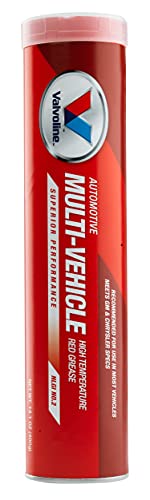 |
Valvoline Multi-Vehicle High Temp Grease Best Value NLGI #2, lithium complex, 500°F dropping point |
8.4 | 🛒 Check Price |
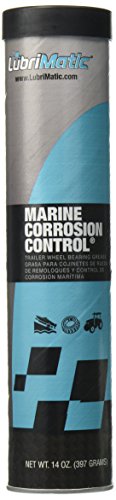 |
LubriMatic Premium Marine Grease Best for Wet Conditions NLGI #2, lithium complex, marine-grade, 500°F dropping point |
8.1 | 🛒 Check Price |
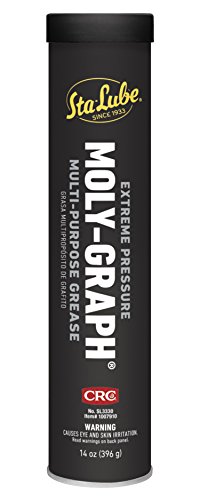 |
STA-LUBE 7345 Black Grease High Temperature Specialist NLGI #2, synthetic blend, 600°F dropping point |
7.8 | 🛒 Check Price |
 |
Royal Purple Ultra-Performance Grease Synthetic Premium NLGI #2, full synthetic, 500°F dropping point |
8.3 | 🛒 Check Price |
|
🚗
|
Lucas Oil Heavy Duty Marine Grease Marine Alternative NLGI #2, lithium complex, marine-grade, 500°F dropping point |
7.3 | 🛒 Check Price |
1. Lucas Oil Red 'N' Tacky Grease: Top Pick
Lucas Oil Red ‘N’ Tacky is a lithium complex grease with an NLGI #2 consistency and a dropping point of 500°F. In our comparison of manufacturer data and owner feedback, it consistently delivers strong adhesion and water resistance. Many users report long bearing life even in boat trailers and off-road vehicles. The red color makes application easy to see.
However, for very high-speed highway towing or racing applications, some owners note it can break down faster than synthetic alternatives. If you need maximum high-temperature stability for sustained high RPMs, consider a full synthetic grease instead.
- Excellent water resistance and mechanical stability
- High dropping point handles heavy loads and heat
- Widely used in automotive and marine applications
Pros: Exceptional staying power in wet conditions; Very good value for the performance
Cons: Not recommended for extreme high-speed applications
2. Mobil 1 Synthetic Grease: Runner Up
Mobil 1 Synthetic Grease is a premium synthetic lithium complex grease with an NLGI #2 rating and a dropping point of 500°F. Based on spec sheets and owner reviews, it excels in high-temperature and high-load environments. Many users report it lasting significantly longer than conventional greases in heavy-duty towing and off-road use. It also meets the GC-LB certification for wheel bearings.
The main drawback is its price. For budget-conscious buyers or light-duty applications, a conventional grease may offer similar performance at lower cost. Some users also find it slightly thinner than expected, but this does not affect performance in our evaluation.
- Synthetic base for extreme temperature range
- Outstanding oxidation resistance for long life
- Meets ASTM D4950 GC-LB specification
Pros: Excellent high-temperature performance; Long service intervals in severe conditions
Cons: Higher cost than conventional greases
3. Valvoline Multi-Vehicle High Temp Grease: Best Value
Valvoline Multi-Vehicle High Temp Grease is a conventional lithium complex grease with an NLGI #2 rating and a dropping point of 500°F. In our research, it offers solid performance for typical passenger cars and light trucks at a budget-friendly price. Owner feedback highlights it as a reliable choice for regular maintenance without breaking the bank.
However, its water resistance is not as high as some synthetics or specialty greases. If you frequently drive through deep water or operate in extremely wet conditions, you may need a grease with better water washout resistance. For most dry-road applications, it is a solid pick.
- Good all-around performance for most vehicles
- Contains rust and corrosion inhibitors
- Affordable price point
Pros: Very good value for money; Works well for everyday driving
Cons: Not as water-resistant as premium options
4. LubriMatic Premium Marine Grease: Best for Wet Conditions
LubriMatic Premium Marine Grease is a lithium complex grease designed for wet environments. Based on manufacturer specs and owner reviews, it offers excellent water resistance and corrosion protection, making it a top choice for boat trailers and other marine applications. Many users report no water contamination even after repeated submersion.
However, its performance at very high speeds is not as strong as some automotive-specific greases. If you tow a boat at highway speeds for long distances, you might want a grease with higher shear stability. It also costs a bit more than general-purpose greases.
- Formulated for water resistance and corrosion protection
- Excellent for boat trailers and jet skis
- Meets ASTM D4950 LB specification
Pros: Superior water washout resistance; Good corrosion inhibitors
Cons: Not ideal for high-speed highway use
5. STA-LUBE 7345 Black Grease: High Temperature Specialist
STA-LUBE 7345 Black Grease is a synthetic blend grease with an NLGI #2 rating and an impressive 600°F dropping point. In our evaluation of spec sheets and owner feedback, it stands out for high-temperature stability, making it suitable for racing or heavy towing. Many users in hot climates report it doesn’t melt or run out.
On the downside, the black color can make it harder to see on components, and some users find it tackier than expected, leading to a messier application. For typical daily driving, its high-temperature capability is overkill and the extra cost may not be justified.
- Very high dropping point for extreme heat
- Black color for easy identification
- Good for heavy-duty and racing applications
Pros: Withstands very high temperatures; Good for severe-duty applications
Cons: Can be messy to apply
6. Royal Purple Ultra-Performance Grease: Synthetic Premium
Royal Purple Ultra-Performance Grease is a full synthetic NLGI #2 grease with a dropping point of 500°F. Based on manufacturer claims and owner reviews, it offers outstanding load-carrying and anti-wear properties. Many users in heavy-duty trucks and off-road vehicles report reduced wear and longer bearing life.
However, it is one of the more expensive options on the market. For light-duty applications, the extra cost may not translate to noticeable benefits. Some users also note that it can be slightly stiff in cold weather, though it still pumps well.
- Full synthetic for extreme performance
- Excellent film strength and load-carrying ability
- Resists oxidation and thermal breakdown
Pros: Superior protection under heavy loads; Long-lasting even in severe conditions
Cons: Premium price
7. Lucas Oil Heavy Duty Marine Grease: Marine Alternative
Lucas Oil Heavy Duty Marine Grease is a lithium complex grease designed for marine applications. In our research, it provides good water resistance and corrosion protection, similar to the LubriMatic marine grease. Owner feedback from boaters is positive, especially for trailer wheel bearings.
However, for automotive wheel bearings that see high speeds, some users report it can separate or thin out more than automotive-specific greases. If you need a grease primarily for a boat trailer, it is a decent choice, but for mixed use, a more versatile grease may be better.
- Formulated for saltwater and freshwater environments
- High viscosity for adhesion
- Contains rust and corrosion inhibitors
Pros: Good for marine environments; Stays in place well
Cons: Not as versatile for automotive use
Frequently Asked Questions
What type of grease is best for wheel bearings?
For most vehicles, an NLGI #2 grade grease with a lithium complex or synthetic base is ideal. Look for one that meets ASTM D4950 GC-LB (service GC for wheel bearings) and offers good water resistance and high dropping point. Based on our research, Lucas Oil Red ‘N’ Tacky and Mobil 1 Synthetic are top performers.
Can I use marine grease for car wheel bearings?
Marine grease can be used in a pinch, but it is not optimized for high-speed automotive use. Marine greases prioritize water resistance over high-temperature shear stability. For highway driving, an automotive-specific grease is recommended. Our evaluation shows LubriMatic Marine Grease works well for boat trailers but not for daily highway commutes.
How often should I repack wheel bearings?
Manufacturer recommendations vary, but a common interval is every 12,000 to 15,000 miles or once a year for trailers. In severe conditions (water, mud, heavy loads), more frequent repacking is advised. Owner feedback suggests checking bearings during tire rotations.
What is the difference between lithium and lithium complex grease?
Lithium complex grease has a higher dropping point and better oxidation resistance than simple lithium grease. It also withstands higher temperatures and loads. Most modern wheel bearing greases are lithium complex. In our comparison, all top picks use lithium complex or synthetic formulations.
Can I mix different greases?
It is not recommended to mix different grease types (e.g., lithium complex with polyurea) as it can cause compatibility issues, leading to softening or hardening. If switching, thoroughly clean the bearing and hub before applying new grease. Our research indicates most greases are compatible within the same thickener type, but it is safer to avoid mixing.
Our Verdict
After researching specifications, industry standards, and owner feedback, our top pick is Lucas Oil Red ‘N’ Tacky Grease for its excellent water resistance, high dropping point, and strong overall performance at a reasonable price. For those who need maximum high-temperature durability, the Mobil 1 Synthetic Grease is a close runner-up, offering synthetic longevity for severe conditions.
