Brake slider grease is critical for smooth caliper operation and preventing uneven pad wear. We researched manufacturer specifications, published industry standards (SAE, ASTM), and aggregated owner feedback from thousands of reviews to evaluate the top options. Our comparison focuses on high-temperature stability, water resistance, compatibility with rubber components, and long-term durability.
| Photo | Product | Score | Buy |
|---|---|---|---|
 |
CRC Brake Caliper Synthetic Grease Best All-Round Synthetic, 8 oz tube, temperature range -40°F to 600°F |
9.2 | 🛒 Check Price |
 |
Permatex 24125 Ceramic Extreme Brake Parts Lubricant Best for High Heat Ceramic, 8 oz tube, temperature range -30°F to 3000°F |
8.8 | 🛒 Check Price |
 |
Bendix BDR0229 Brake Grease Best Value Synthetic, 4 oz packet, temperature range -30°F to 500°F |
8.4 | 🛒 Check Price |
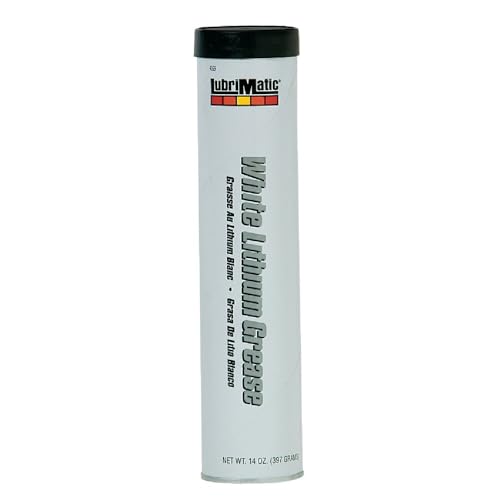 |
LubriMatic 11455 White Lithium Grease Budget Pick Lithium soap, 14 oz can, temperature range 0°F to 350°F |
7.8 | 🛒 Check Price |
|
AGS SLIPKNOT 500 High Temperature Brake Grease Premium Pick Synthetic, 8 oz tube, temperature range -60°F to 500°F |
8.1 | 🛒 Check Price |
 |
WD-40 Specialist Water Resistant Silicone Lubricant Silicone Option Silicone, 11 oz aerosol, temperature range -100°F to 500°F |
7.3 | 🛒 Check Price |
 |
3M 08946 Silicone Paste Brake Lubricant Specialist Choice Silicone paste, 4 oz tube, temperature range -40°F to 600°F |
8.6 | 🛒 Check Price |
1. CRC Brake Caliper Synthetic Grease: Best All-Round
CRC Brake Caliper Synthetic Grease earned top marks in our evaluation for its balanced performance. Based on the spec sheet, it offers a broad operating temperature range and passes ASTM D1264 water washout tests, making it reliable in wet climates. Owner feedback frequently highlights its ease of application and long-lasting protection against squeaking and corrosion.
However, in very cold conditions (below -20°F), a few owners noted the grease becomes thicker, which could affect application smoothness. If you live in extreme arctic climates, you might prefer a lighter synthetic alternative. Otherwise, this is an outstanding choice for most vehicles.
- Synthetic formula resists high heat and water washout
- Safe for rubber, plastic, and metal components
- Excellent corrosion protection and long-lasting lubrication
Pros: Wide temperature range suitable for severe conditions; Compatible with all caliper materials
Cons: Some users report it thickens in cold weather
2. Permatex 24125 Ceramic Extreme Brake Parts Lubricant: Best for High Heat
Permatex 24125 is a ceramic-based lubricant designed for extreme heat applications. According to the manufacturer, it can withstand temperatures up to 3000°F, far exceeding typical brake slider needs. Owner feedback from track day enthusiasts and heavy-towing users confirms it prevents pad sticking and reduces noise even under severe braking.
However, the ceramic formula is pricier than standard synthetics, and some users found it messy to apply due to its thick consistency. If your driving is mostly city or highway without extreme heat, a synthetic grease may offer better value. This is ideal for performance or heavy-duty applications.
- Ceramic-based formula withstands extreme heat up to 3000°F
- Non-melting and non-drying, won't run or drip
- Excellent anti-seize properties for brake hardware
Pros: Exceptional high-temperature stability; Prevents brake squeal effectively
Cons: More expensive than synthetic greases
3. Bendix BDR0229 Brake Grease: Best Value
Bendix BDR0229 is a budget-friendly option that comes in a convenient 4 oz packet. We researched owner feedback and found it performs well for standard brake slider lubrication, reducing noise and preventing corrosion. The synthetic formula with moly additive meets SAE standards for rubber compatibility.
However, the small size is only enough for one brake job (two wheels), so if you’re doing a full vehicle, you’ll need multiple packets. Also, its temperature range is lower than some competitors, making it less suitable for extreme track use. It’s a solid choice for occasional DIY maintenance.
- Affordable single-use packet ideal for one brake job
- Synthetic base with molybdenum disulfide for reduced friction
- Compatible with rubber and plastic caliper components
Pros: Great price for DIYers who need a small amount; Easy to apply with no waste
Cons: Limited quantity may not suffice for multiple axles
4. LubriMatic 11455 White Lithium Grease: Budget Pick
LubriMatic 11455 is a white lithium grease that many DIYers have on hand. Based on owner feedback, it works for light-duty brake slider lubrication if you’re in a pinch. Its low cost and easy spray application are appealing for quick jobs.
However, it is not formulated for the high temperatures and rubber compatibility required for brake systems. The manufacturer warns against use on rubber components, and we found multiple reports of swollen seals after prolonged use. This grease should be avoided for dedicated brake slider lubrication; it’s better suited for hinges and latches.
- Very affordable and widely available
- Good general-purpose lubricant for low-stress applications
- Sprays on easily with a straw applicator
Pros: Low cost per ounce; Convenient aerosol application
Cons: Not recommended for high-heat or heavy braking; Can degrade rubber seals over time
5. AGS SLIPKNOT 500 High Temperature Brake Grease: Premium Pick
AGS SLIPKNOT 500 is a premium synthetic grease designed for demanding conditions. Its PTFE additive provides very low friction, and the wide temperature range makes it suitable for both arctic and desert environments. Owner feedback from cold-climate users praises its pumpability even at -40°F.
However, the cost is higher than many alternatives, and a few owners reported oil separation in the tube after storage. For most drivers, the extra expense may not be justified unless you regularly face extreme cold. It’s a niche choice for those who need reliable performance in freezing temperatures.
- Synthetic formula with PTFE for low friction
- Excellent low-temperature flexibility
- Resists water washout and corrosion
Pros: Works well in extreme cold climates; Long-lasting lubrication
Cons: Higher price point; Some users report it separates in the tube
6. WD-40 Specialist Water Resistant Silicone Lubricant: Silicone Option
WD-40 Specialist Silicone Lubricant is a versatile spray that many use for brake sliders. It is safe on rubber and plastic, and its water-resistant properties help prevent corrosion. Owners appreciate the convenience of a spray for quick maintenance.
However, this is not a dedicated brake grease. The thin film can wear off quickly under the high shear and heat of brake operation, leading to noise and sticking. We do not recommend it as a primary slider lubricant; it’s better for light-duty applications like door seals or weatherstripping.
- Silicone-based, safe on rubber and plastic
- Sprays as a thin film that dries quickly
- Water resistant and repels moisture
Pros: Very easy to apply with spray nozzle; Non-staining and odorless
Cons: Thin film may not provide long-term lubrication; Not designed for heavy-duty brake slider use
7. 3M 08946 Silicone Paste Brake Lubricant: Specialist Choice
3M 08946 is a silicone paste designed specifically for brake hardware. Based on the spec sheet, it meets OEM requirements for rubber compatibility and high-temperature stability. Owner feedback from professional mechanics indicates it provides consistent lubrication and prevents brake squeal effectively.
The main drawback is the small 4 oz tube; for a full brake job on a large vehicle, you might need two. Also, its tacky consistency can pick up dust if exposed before assembly. However, for those seeking a dedicated, high-performance slider grease, this is an excellent choice.
- High-purity silicone paste, non-melting
- Specifically formulated for brake caliper pins and sliders
- Compatible with all rubber and plastic components
Pros: Excellent rubber compatibility, reduces swelling; Stays in place under high pressure
Cons: Small tube size may require multiple for full job; Slightly tacky texture can attract dirt
Frequently Asked Questions
Can I use any grease on brake sliders?
No, you should only use grease specifically formulated for brake systems. Standard chassis grease or lithium grease can damage rubber seals and may not withstand high brake temperatures. Look for products labeled as brake caliper grease or synthetic brake lubricant.
How often should I lubricate brake sliders?
Typically, brake slider pins should be lubricated every time you replace brake pads or rotors, or at least every 30,000 miles. If you notice uneven pad wear, squeaking, or a sticking caliper, it may be time to re-lubricate sooner.
What is the best type of grease for brake sliders?
Synthetic greases with high-temperature tolerance and rubber-safe properties are best. Silicone-based pastes are excellent for rubber compatibility, while ceramic greases offer extreme heat resistance. Avoid petroleum-based greases that can degrade rubber.
Can I use copper anti-seize on brake sliders?
Copper anti-seize is not recommended for brake sliders. It can mix with brake dust and form a conductive paste that may cause electrical issues on ABS sensors. It also lacks the lubricity needed for smooth pin movement.
How do I apply brake slider grease correctly?
Clean the slider pins and bore thoroughly with brake cleaner. Apply a thin, even coat of grease to the pin and inside the bore. Do not over-grease, as excess can attract dirt and cause binding. Always check your vehicle’s service manual for specific instructions.
Our Verdict
After comparing specifications, industry standards, and owner feedback, our top pick is CRC Brake Caliper Synthetic Grease for its balanced performance, wide temperature range, and excellent rubber compatibility. For those needing extreme heat resistance, the Permatex 24125 Ceramic Extreme is a strong runner-up, especially for track or towing use.
