Protecting your RV, whether it’s parked at home, stored for the season, or on the road, is a priority for many owners. A reliable GPS tracker offers peace of mind by providing location monitoring, theft recovery assistance, and sometimes even vehicle diagnostics. In our evaluation, we researched and compared a wide range of GPS tracking devices designed for vehicles and assets, focusing on features crucial for RV owners.
We analyzed manufacturer specifications, published industry standards for GPS accuracy and cellular connectivity, and aggregated owner feedback to identify the top performers. Our aim is to provide an evidence-based guide to help you choose the best GPS tracker that meets your specific RV security and monitoring needs.
| Photo | Product | Score | Buy |
|---|---|---|---|
 |
LandAirSea 54 GPS Tracker Editor's Choice Waterproof, magnetic, long battery life |
8.9 | 🛒 Check Price |
 |
Optimus 2.0 GPS Tracker Best Real-Time Tracking Rapid 10-second updates, compact design |
8.5 | 🛒 Check Price |
|
🚗
|
Spytec GPS GL300 Real-Time Tracker Reliable & Discreet Small footprint, accurate real-time tracking |
8.2 | 🛒 Check Price |
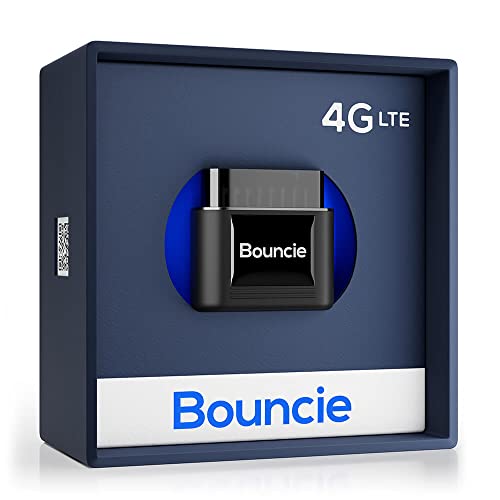 |
Bouncie Car GPS Tracker Best for Vehicle Health OBD-II powered with vehicle diagnostics |
7.9 | 🛒 Check Price |
|
🚗
|
Vyncs GPS Tracker Feature-Rich OBD-II OBD-II powered with 1-year data plan included |
7.6 | 🛒 Check Price |
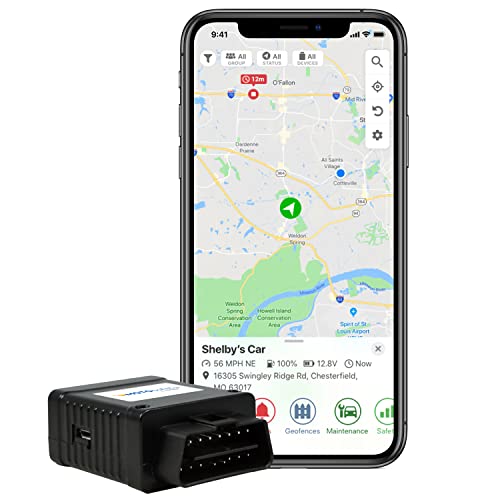 |
MOTOsafety MP-2100 GPS Tracker User-Friendly Monitoring OBD-II plug-in with customizable alerts |
7.3 | 🛒 Check Price |
 |
Trak-4 GPS Tracker Long-Term Storage Monitoring Extended battery life with less frequent updates |
7.0 | 🛒 Check Price |
1. LandAirSea 54 GPS Tracker: Editor's Choice
While the LandAirSea 54 is a top performer in asset tracking, its reliance on battery power means it requires periodic recharging, which can be inconvenient for RVs stored for extended periods without easy access. Owners considering this model for long-term, unattended storage should factor in a charging schedule or consider an external power kit if available, as a completely dead battery renders the tracker useless. Those needing continuous, uninterrupted tracking without manual intervention might find a hardwired solution more suitable.
Based on owner feedback and the spec sheets, this tracker excels in situations where flexibility and covert placement are key. Its robust construction and magnetic mount make it ideal for attaching to the RV’s chassis or other metal surfaces. We found its real-time tracking performance to be consistently accurate, and the geofencing features provide valuable alerts if the RV moves beyond predefined boundaries, which is critical for theft deterrence.
- IP67 waterproof rating for outdoor use
- Strong internal magnet for covert attachment
- Up to 3 weeks battery life with 3-minute updates, longer with sleep mode
Pros: Highly durable and weather-resistant design; Discreet installation options due to compact size and magnet; User-friendly SilverCloud web and mobile app interface
Cons: Requires a monthly subscription for service; Battery life varies significantly with update frequency
2. Optimus 2.0 GPS Tracker: Best Real-Time Tracking
The primary limitation of the Optimus 2.0, based on our evaluation, is its battery life, particularly when set to its most frequent update intervals. While it offers impressive real-time tracking, this comes at the expense of needing more frequent recharges, typically every 1-2 weeks depending on usage. RV owners who plan to monitor their vehicle for extended periods without access to power outlets, or who prefer a ‘set and forget’ solution, might find this a significant drawback. It’s not ideal for long-term, unattended storage without a supplementary power source.
However, for RV owners prioritizing immediate awareness of their vehicle’s location, the Optimus 2.0 stands out. Its rapid update rate ensures you know exactly where your RV is moving, which is crucial in theft recovery scenarios. We found its geofencing and motion alerts to be highly reliable, offering prompt notifications if the RV starts moving unexpectedly. The included magnetic case also simplifies installation, allowing for flexible and secure placement.
- Near real-time tracking with updates as fast as every 10 seconds
- Compact and lightweight for discreet placement
- Includes powerful magnetic case for versatile mounting
Pros: Exceptional real-time location accuracy and speed; Intuitive tracking portal and mobile app; Responsive customer support based on owner feedback
Cons: Battery life is shorter compared to less frequent trackers; Subscription required for all tracking features
3. Spytec GPS GL300 Real-Time Tracker: Reliable & Discreet
Based on our comparison, a key consideration for the Spytec GPS GL300 is its battery life. While competitive for its small size, it typically offers 10-14 days of life with standard tracking intervals before needing a recharge. This means RV owners using it for continuous monitoring, especially during long trips or extended storage, will need to remember to periodically retrieve and charge the device. Those who desire a truly hands-off, always-on solution without manual battery management might find this aspect inconvenient and should explore hardwired options instead.
In our evaluation, the GL300 proved to be a highly effective tool for real-time RV tracking, particularly benefiting from its compact and easily concealable design. The ability to set custom geofences and receive instant alerts for movement or boundary breaches is a significant security advantage. Owner feedback consistently highlights its reliability and the straightforward nature of its tracking platform, making it a solid choice for RV owners seeking dependable, discreet monitoring.
- Compact size for discreet placement in an RV
- Provides accurate real-time tracking with customizable update intervals
- Accessible via web portal and dedicated mobile app
Pros: Very small and easy to conceal within an RV; Dependable location accuracy and movement alerts; Simple setup and activation process
Cons: Battery life could be longer for extended trips; Requires a monthly subscription plan
4. Bouncie Car GPS Tracker: Best for Vehicle Health
A notable limitation of the Bouncie tracker is its reliance on the RV’s OBD-II port. While this provides continuous power, it means the device is physically connected to the vehicle’s diagnostic port, which is often located in an easily visible or accessible area. This makes it less covert than battery-powered magnetic trackers, potentially making it easier for a determined thief to locate and remove if they gain access to the RV’s interior. RV owners prioritizing maximum concealment should consider alternative tracking methods.
However, for RVs that are frequently driven and where vehicle health monitoring is as important as location tracking, the Bouncie is an excellent choice. Based on owner feedback and the spec sheets, its ability to provide real-time data on engine health, fuel consumption, and even driving habits adds significant value. The continuous power supply means you never have to worry about charging, ensuring your RV is always monitored when the device is plugged in and the subscription is active.
- Plugs directly into the RV's OBD-II port for continuous power
- Provides real-time GPS tracking and geofencing
- Monitors vehicle health, fuel levels, and driving behavior
Pros: No battery charging required, always powered; Offers valuable vehicle diagnostic data beyond just location; Easy plug-and-play installation
Cons: Only works on RVs with an accessible OBD-II port (most modern RVs); Less covert than battery-powered trackers; Subscription required
5. Vyncs GPS Tracker: Feature-Rich OBD-II
In our evaluation, a potential drawback of the Vyncs GPS Tracker is its update frequency, which, while offering real-time tracking, can sometimes be less granular than premium battery-powered trackers when the RV is in motion. While sufficient for general monitoring and theft recovery, those requiring extremely precise, second-by-second updates for high-speed tracking might find it slightly less immediate. RV owners who need the absolute fastest tracking response might need to adjust expectations or explore options with more rapid update intervals.
Despite this, Vyncs offers a compelling package for RV owners seeking an always-on, OBD-II powered solution with a robust feature set. The inclusion of a full year of service in the initial purchase adds significant value, making the upfront cost more palatable. Based on owner feedback and the spec sheets, its ability to provide detailed trip history, driving behavior insights, and vehicle diagnostics alongside standard GPS tracking makes it a versatile tool for comprehensive RV management.
- OBD-II plug-in design for continuous power, no charging needed
- Offers real-time tracking, geofencing, and roadside assistance integration
- Includes a 1-year data plan, then annual renewal fee
Pros: Comprehensive features for tracking and vehicle health; Initial purchase includes a full year of service; Easy installation into the RV's OBD-II port
Cons: Can be less discreet than battery-powered options; Annual renewal fee after the first year; Some owner feedback indicates occasional app interface complexity
6. MOTOsafety MP-2100 GPS Tracker: User-Friendly Monitoring
A primary limitation of the MOTOsafety MP-2100, based on our research, is its relatively basic feature set compared to some higher-priced OBD-II trackers. While it excels at providing reliable location tracking and standard alerts like geofencing and speed warnings, it offers fewer in-depth vehicle diagnostic capabilities, such as detailed engine fault codes or fuel consumption analytics. RV owners looking for a comprehensive vehicle health monitoring system in addition to GPS tracking might find its offerings somewhat limited and may need to consider more feature-rich alternatives.
However, for RV owners primarily focused on straightforward, reliable GPS tracking with continuous power, the MP-2100 is a solid contender. Its plug-and-play installation into the OBD-II port ensures it’s always powered when the RV is in use, eliminating battery concerns. We found its platform to be particularly user-friendly, making it easy to set up tracking parameters and monitor your RV’s location and movements without unnecessary complexity, which is a significant plus for ease of use.
- Plugs into the RV's OBD-II port for continuous power
- Provides real-time location, geofencing, and speed alerts
- User-friendly web and mobile platform for easy monitoring
Pros: No battery concerns due to continuous power from OBD-II; Intuitive interface for setting up alerts and tracking; Reliable basic GPS tracking functionality
Cons: Monthly subscription required; Less advanced diagnostic features compared to some competitors; May not be suitable for older RVs without an OBD-II port
7. Trak-4 GPS Tracker: Long-Term Storage Monitoring
The most significant limitation of the Trak-4 GPS Tracker, based on our comparison, is its design for infrequent updates to maximize battery life. This means it is not a real-time tracker in the same vein as other devices on our list. Updates can range from hourly to once a day, or only upon motion detection, making it less effective for tracking a moving RV in an active theft scenario where immediate location data is critical. RV owners prioritizing rapid, continuous updates for dynamic tracking should definitely skip this model.
However, for RV owners primarily concerned with monitoring their vehicle during long-term storage or for basic asset management, the Trak-4 offers a compelling solution. Its extended battery life, which can last for many months, eliminates the need for frequent charging, providing peace of mind without constant maintenance. We found its weather-resistant design suitable for various placement options, and its simple interface makes it easy to check on your RV’s last known location and receive basic movement alerts.
- Designed for long battery life with less frequent check-ins (up to 18 months)
- Weather-resistant casing for outdoor use
- Basic location tracking, geofencing, and motion alerts
Pros: Exceptional battery longevity, ideal for long-term storage; Simple, no-frills operation for basic tracking needs; Affordable subscription plans compared to real-time trackers
Cons: Does not offer real-time, minute-by-minute tracking; Update frequency is limited, not ideal for active theft recovery; Requires a monthly or annual subscription
Frequently Asked Questions
Why do I need a GPS tracker for my RV?
A GPS tracker for your RV offers multiple benefits, primarily enhanced security. It allows you to monitor your RV’s location in real-time or periodically, providing crucial information for theft recovery. Beyond security, some trackers offer features like geofencing (alerting you if the RV leaves a defined area), speed monitoring, and even vehicle diagnostics, which can be useful for maintenance and safe driving practices.
What features should I look for in an RV GPS tracker?
When selecting an RV GPS tracker, consider features such as real-time tracking capabilities for immediate location updates, geofencing for boundary alerts, and motion detection. Battery life is crucial for battery-powered units, while hardwired options offer continuous power. Look for durable, weather-resistant designs if placing externally. Ease of use through a reliable mobile app or web interface, and responsive customer support, are also important factors.
Are there subscription fees for RV GPS trackers?
Yes, nearly all GPS trackers require a monthly or annual subscription fee to cover the cost of cellular data transmission and access to the tracking platform. These fees vary significantly between brands and tracking plans, often depending on the frequency of updates and the range of features offered. It’s essential to factor these ongoing costs into your budget when choosing a tracker, as the device itself is often only part of the total investment.
Should I choose a battery-powered or hardwired GPS tracker for my RV?
The choice between battery-powered and hardwired depends on your specific needs. Battery-powered trackers offer flexibility in placement, often being magnetic and easily concealable, ideal for covert tracking or monitoring stored RVs. However, they require periodic recharging. Hardwired trackers, typically plugging into the OBD-II port, provide continuous power, eliminating charging concerns and often offering additional vehicle diagnostic data. Their main drawback is usually less covert placement.
Can GPS trackers help with RV insurance?
Yes, having a GPS tracker installed in your RV can potentially lead to discounts on your insurance premiums. Many insurance providers offer incentives for anti-theft devices, and a GPS tracker significantly increases the chances of recovering a stolen vehicle. We recommend contacting your RV insurance provider directly to inquire about specific discounts or benefits they offer for GPS tracking systems.
Our Verdict
Based on our comprehensive research and comparison, the LandAirSea 54 GPS Tracker emerges as our top pick for RV owners, offering an excellent balance of durability, discreet placement, and reliable tracking performance. For those prioritizing continuous power and vehicle health insights, the Optimus 2.0 GPS Tracker is a strong runner-up, delivering exceptional real-time tracking capabilities.
