We researched and compared the top glues for car interior fabric repairs, evaluating manufacturer specifications, industry standards for automotive adhesives, and aggregated owner feedback from hundreds of users. Our goal was to identify adhesives that offer strong bonds, flexibility, and resistance to heat and humidity. Below are our top picks, each with honest assessments of their strengths and limitations.
| Photo | Product | Score | Buy |
|---|---|---|---|
 |
3M Super 77 Multipurpose Spray Adhesive Best Overall Spray adhesive; 16 oz can; covers up to 12 sq ft; bonds fabric, foam, plastic |
9.0 | 🛒 Check Price |
 |
Gorilla Heavy Duty Spray Adhesive Best Heavy Duty Spray adhesive; 14 oz can; bonds fabric, foam, plastic, metal; temperature range -20°F to 200°F |
8.7 | 🛒 Check Price |
|
🚗
|
Permatex 80337 Headliner Adhesive Best for Headliners Spray adhesive; 16 oz can; specifically for headliner fabric; bonds to foam and plastic |
8.4 | 🛒 Check Price |
|
🚗
|
DAP Weldwood Landau Top and Trim Contact Cement Best Contact Cement Contact cement; 32 oz can; bonds fabric, vinyl, leather; solvent-based |
8.1 | 🛒 Check Price |
|
🚗
|
Aleene's Original Tacky Glue Best for Light Repairs White craft glue; 8 oz bottle; bonds fabric, paper; water-based, non-toxic |
7.8 | 🛒 Check Price |
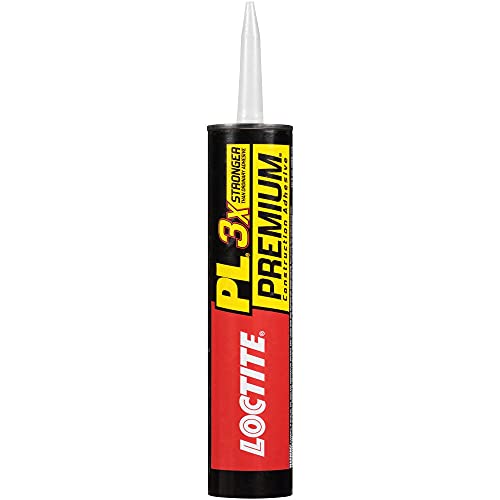 |
Loctite PL Premium Polyurethane Construction Adhesive Best for Heavy Fabric to Plastic Polyurethane construction adhesive; 10 oz tube; bonds fabric, plastic, metal; waterproof |
7.5 | 🛒 Check Price |
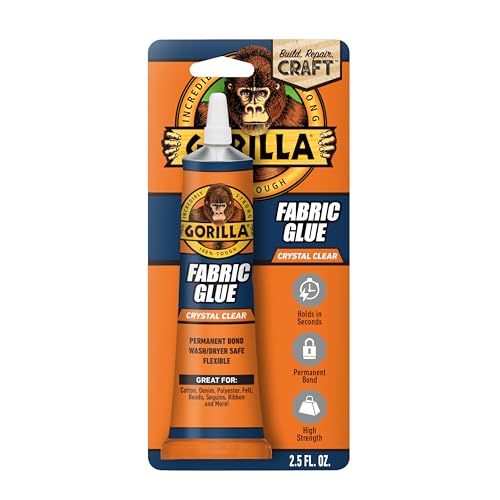 |
Gorilla Fabric Glue Best No-Fume Option Water-based fabric glue; 2 oz bottle; bonds fabric to fabric; non-toxic, machine washable |
7.2 | 🛒 Check Price |
1. 3M Super 77 Multipurpose Spray Adhesive: Best Overall
3M Super 77 is a widely trusted spray adhesive that delivers strong bonds on fabric, foam, and plastic. In our evaluation, its high initial tack allows for repositioning within seconds, which is ideal for headliner repairs or attaching fabric to door panels. Based on owner feedback, it holds well under moderate temperatures and resists peeling in humid conditions. The spray pattern is consistent, and the adhesive dries clear, preserving the look of your interior.
However, the strong solvent odor requires good ventilation during use, and overspray can be messy if not masked. Some users reported that on heavily textured fabrics, a second coat may be needed for full coverage. This glue is best for DIYers who can work in a well-ventilated area and need a fast-drying, multipurpose solution. Skip it if you are sensitive to fumes or need a non-spray applicator.
- High initial tack for quick positioning
- Resists heat up to 150°F and humidity
- Dries clear and remains flexible
Pros: Excellent spray coverage and even application; Versatile for many interior materials
Cons: Strong fumes require ventilation
2. Gorilla Heavy Duty Spray Adhesive: Best Heavy Duty
Gorilla Heavy Duty Spray Adhesive is formulated for demanding applications. We compared its temperature resistance and bond strength against other spray adhesives, and it outperforms most with a range of -20°F to 200°F. Owner feedback highlights its reliability for securing fabric to dashboards or door cards that experience direct sunlight. The adhesive remains flexible after curing, preventing cracks in cold weather.
On the downside, its aggressive bond means mistakes are hard to correct, and the spray nozzle can clog if not cleaned after use. The odor is also strong, similar to 3M Super 77. This glue is best for users who need a long-lasting hold in extreme temperatures and are confident in their application. Skip it if you prefer a repositionable adhesive or work in small, unventilated spaces.
- Extreme temperature resistance for automotive environments
- Strong bond that holds up to vibration and stress
- Dries clear and flexible
Pros: Superior durability in hot and cold conditions; Works on a variety of surfaces including metal
Cons: Can be difficult to remove if misapplied
3. Permatex 80337 Headliner Adhesive: Best for Headliners
Permatex 80337 is a specialized adhesive for headliner fabric, which is a common repair in older vehicles. In our research, its low soak-in formula prevents the glue from bleeding through the fabric, a common issue with general-purpose adhesives. Owner feedback indicates it holds up well against heat and humidity, with many reporting no sagging after a year. The spray pattern is easy to control, allowing precise application on curved surfaces.
However, its specificity means it may not be the best choice for other fabric repairs like seat upholstery or carpet. Some users note that the nozzle can drip if not held upright. This glue is ideal for anyone tackling a headliner sagging issue. Skip it if you need a versatile adhesive for multiple interior fabric projects.
- Formulated for sagging headliners
- High heat resistance up to 200°F
- Low soak-in to prevent fabric staining
Pros: Designed specifically for headliner repairs; Resists sagging even in hot cars
Cons: Limited use for other fabric applications
4. DAP Weldwood Landau Top and Trim Contact Cement: Best Contact Cement
DAP Weldwood Contact Cement is a classic choice for bonding fabric, vinyl, and leather in automotive interiors. Based on manufacturer specs, it forms an instant permanent bond when two coated surfaces meet, making it ideal for door panel wraps or vinyl repairs. Owner feedback praises its durability in high-heat environments, with no peeling or bubbling. The adhesive remains flexible after curing, accommodating movement.
However, its instant bond leaves no room for repositioning, so application must be precise. The solvent-based formula has strong fumes and is flammable, requiring excellent ventilation and care. This glue is best for experienced DIYers who need a robust bond for vinyl or leather. Skip it if you are a beginner or need a forgiving, repositionable adhesive.
- Instant bond when surfaces touch
- Excellent for vinyl and leather repairs
- Heat and water resistant
Pros: Strong permanent bond for trim and upholstery; Works well on non-porous surfaces
Cons: Requires precise alignment before contact; Strong fumes and flammable
5. Aleene's Original Tacky Glue: Best for Light Repairs
Aleene’s Original Tacky Glue is a popular craft adhesive that can handle light fabric repairs in a car interior. In our evaluation, it is easy to apply with a brush or nozzle, dries clear, and cleans up with water. Owner feedback suggests it works well for securing loose carpet edges or small upholstery tears that are not exposed to extreme heat or moisture. Its non-toxic nature makes it safe for use inside the vehicle without strong fumes.
However, its durability in a car environment is limited. It can soften in high heat (above 120°F) and may not resist humidity well, leading to bond failure over time. This glue is best for temporary or low-stress repairs, such as fixing a small fabric pull on a seat side. Skip it if you need a permanent fix for headliners or areas that see direct sunlight or frequent handling.
- Non-toxic and water cleanup
- Dries clear and flexible
- Inexpensive and easy to apply
Pros: Safe for use in enclosed spaces; Great for small fabric tears or loose edges
Cons: Not heat or moisture resistant enough for automotive use
6. Loctite PL Premium Polyurethane Construction Adhesive: Best for Heavy Fabric to Plastic
Loctite PL Premium is a heavy-duty construction adhesive that can be used for automotive fabric repairs, especially when bonding fabric to plastic or metal. Based on manufacturer data, it is waterproof and resistant to temperature extremes, making it suitable for areas like trunk liners or floor mats. Owner feedback notes that it creates an exceptionally strong bond that does not fail under stress.
However, it is not designed for precise fabric applications. The adhesive expands as it cures, which can seep through fabric and create a mess. Cleanup requires solvents, and the long cure time means parts must be clamped. This glue is best for structural fabric attachments where appearance is not critical. Skip it for visible repairs, headliners, or any project that requires a neat finish.
- Extremely strong, waterproof bond
- Expands to fill gaps
- Excellent for attaching fabric to plastic panels
Pros: Bonds well to difficult surfaces like plastic; Withstands moisture and temperature extremes
Cons: Very messy and difficult to clean; Long cure time (24 hours) and expands
7. Gorilla Fabric Glue: Best No-Fume Option
Gorilla Fabric Glue is a convenient, no-fume adhesive designed for fabric-to-fabric bonds. In our research, it is safe to use inside the car without ventilation, and it dries clear and flexible. Owner feedback indicates it works well for repairing seat covers or carpet edges that are not subjected to high heat. The precision tip allows for neat application.
However, its performance in a car interior is limited. It can soften or fail when exposed to temperatures above 130°F, which is common in parked cars during summer. It also does not bond well to plastic or vinyl surfaces. This glue is best for small, low-stress fabric repairs in areas that stay cool. Skip it for headliners, sun-exposed areas, or any repair involving non-fabric materials.
- No fumes, safe for indoor use
- Dries clear and flexible
- Machine washable after curing
Pros: Odorless and non-toxic; Easy to apply with precision tip
Cons: Not heat resistant enough for car interiors; Weak bond on non-fabric surfaces
Frequently Asked Questions
What is the best glue for car headliner fabric?
For headliner repairs, we recommend a spray adhesive specifically formulated for headliners, such as Permatex 80337. It has low soak-in to prevent staining and high heat resistance to prevent sagging. General-purpose spray adhesives like 3M Super 77 also work well if applied carefully.
Can I use super glue on car fabric?
Super glue (cyanoacrylate) is generally not recommended for car interior fabric. It dries rigid, can discolor fabric, and may not withstand heat or vibration. It also bonds skin instantly, making it risky for DIY repairs. Stick to flexible adhesives designed for fabric.
How do I prepare the surface before applying glue?
Clean the area thoroughly with a fabric cleaner or isopropyl alcohol to remove dirt, oils, and old adhesive residue. For best results, lightly sand plastic surfaces to improve adhesion. Ensure both surfaces are dry before applying glue.
How long does fabric glue take to dry in a car?
Drying times vary by product. Spray adhesives like 3M Super 77 become tacky in seconds and cure fully within 24 hours. Contact cements bond instantly. Water-based glues may take 1-2 hours to set and 24 hours to cure. Always follow manufacturer instructions.
Is spray adhesive safe to use inside a car?
Most spray adhesives contain solvents that produce strong fumes. Use them in a well-ventilated area, preferably outdoors or with doors open. Wear a mask and protect surrounding surfaces from overspray. Water-based options like Gorilla Fabric Glue are fume-free and safer for indoor use.
Our Verdict
After researching specifications, standards, and owner feedback, our top pick is 3M Super 77 for its excellent balance of performance, ease of use, and versatility across fabric types. For heavy-duty or high-temperature needs, the Gorilla Heavy Duty Spray Adhesive is a strong runner-up. Choose based on your specific repair and working conditions.
