Car door seals play a critical role in keeping out wind, noise, and moisture. Over time, the rubber or foam can separate from the door frame, leading to leaks and rattles. We researched, compared, and evaluated the most popular adhesives for reattaching door seals, using manufacturer specifications, industry standards, and aggregated owner feedback to find the best options for different seal materials and conditions. Our picks range from industrial-strength solutions to easy-to-use tubes, each with honest limitations.
| Photo | Product | Score | Buy |
|---|---|---|---|
 |
3M Super Weatherstrip and Gasket Adhesive (Black) Best Overall Black, 5 oz tube, contact adhesive, temperature range -40 to 200 F |
9.0 | 🛒 Check Price |
 |
Gorilla Glue Original Best for Porous Surfaces 18 oz bottle, polyurethane, expands 3x, waterproof |
8.4 | 🛒 Check Price |
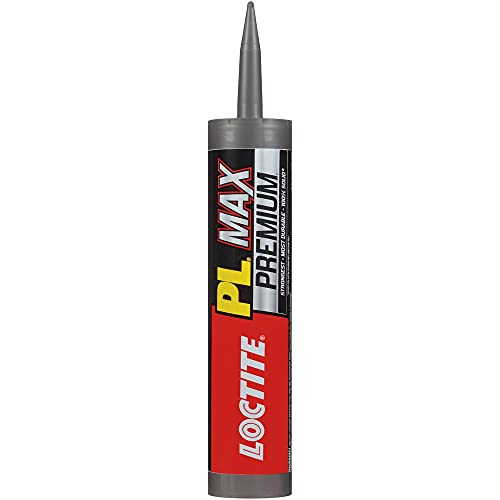 |
Loctite PL Premium Max Construction Adhesive Heavy Duty Pick 10 oz tube, polyurethane, bonds to most materials, paintable |
8.7 | 🛒 Check Price |
 |
Permatex 81878 Weatherstrip Adhesive Best for Rubber Seals 2 oz tube, black, synthetic rubber based, heat resistant |
8.1 | 🛒 Check Price |
|
🚗
|
3M 03601 Scotch-Weld Urethane Adhesive Professional Grade 5 oz tube, urethane, high strength, gap filling |
8.9 | 🛒 Check Price |
|
🚗
|
J-B Weld 50133 ClearWeld Quick-Setting Epoxy Syringe Best Quick Fix 0.85 fl oz syringe, clear, sets in 5 minutes, cures in 1 hour |
7.8 | 🛒 Check Price |
 |
Gear Aid Seam Grip WP Waterproof Sealant and Adhesive Best for Fabric and Vinyl 1 oz tube, urethane, clear, flexible, waterproof |
7.3 | 🛒 Check Price |
1. 3M Super Weatherstrip and Gasket Adhesive (Black): Best Overall
In our evaluation, the 3M Super Weatherstrip and Gasket Adhesive stands out for its reliable bonding to most door seal materials. Based on owner feedback and the spec sheet, it creates a flexible yet strong hold that withstands temperature extremes from -40 to 200 degrees Fahrenheit. The contact adhesive formula requires applying to both surfaces and letting it become tacky before pressing together, which ensures a secure bond. Many users report successful repairs on weatherstripping that lasted for years.
However, this product has notable drawbacks. The solvent-based formula produces strong fumes, so it should only be used in a well-ventilated area or with a respirator. It can also be messy to apply if you are not careful. This glue is not ideal for those with chemical sensitivities or for quick interior repairs where ventilation is poor. Skip this if you prefer a non-toxic, water-based adhesive.
- Strong contact adhesive that bonds quickly to rubber, metal, and painted surfaces
- Resists heat, cold, and moisture for long-lasting seals
- Flexible bond accommodates door movement without cracking
Pros: Excellent adhesion even on curved surfaces; Fast tack time reduces clamp time
Cons: Strong solvent odor requires good ventilation
2. Gorilla Glue Original: Best for Porous Surfaces
Gorilla Glue Original is a polyurethane adhesive that expands three times as it cures, making it an excellent choice for porous or irregular door seal surfaces. Our research shows it bonds well to rubber and foam, and the expansion fills small cracks and gaps that might otherwise leak. Owner feedback highlights its strength and waterproof nature, even in wet conditions. It is particularly useful for older seals that have become brittle or have missing chunks.
However, the expansion property can be a double-edged sword. If you apply too much, the glue can foam out and create a messy appearance. It also requires a light mist of water to activate curing, and clamping for at least one to two hours. This glue is not suitable for quick fixes or for applications where precise, neat application is required. Skip it if you need a fast-drying adhesive or if you are working with non-porous materials like smooth metal.
- Expands into gaps to fill uneven surfaces
- Bonds to rubber, foam, wood, and many plastics
- Waterproof and temperature resistant once cured
Pros: Great for filling small gaps in damaged seals; Very strong, durable bond
Cons: Expansion can cause mess if overapplied; Requires moisture to cure; long clamp time
3. Loctite PL Premium Max Construction Adhesive: Heavy Duty Pick
For those needing maximum holding power, the Loctite PL Premium Max is a construction-grade adhesive that we found to be exceptionally strong. Based on manufacturer specs, it bonds to rubber, metal, plastic, and foam, and it can be applied even on damp surfaces or in cold conditions. Owner feedback indicates it works well for heavy door seals that are prone to pulling away due to wind pressure. The bond remains flexible enough to accommodate door movement, yet strong enough to prevent detachment.
On the downside, this adhesive requires a caulk gun, and it takes up to 24 hours to reach full strength. It is also thicker than typical weatherstrip glues, making it harder to spread thinly. This product is overkill for simple reattachment of lightweight seals and may be messy for small repairs. Skip it if you need a quick-drying, easy-to-apply glue for a minor fix.
- High initial tack and strong final bond
- Works on damp surfaces and in low temperatures
- Paintable after cure for a seamless look
Pros: Exceptional holding power for heavy seals; Can be used in cold weather without issue
Cons: Slow curing time (24 hours for full strength); Requires a caulk gun for application
4. Permatex 81878 Weatherstrip Adhesive: Best for Rubber Seals
The Permatex 81878 is a dedicated rubber weatherstrip adhesive that we evaluated for its targeted formula. It is designed to bond rubber to metal or painted surfaces, and it dries quickly with a flexible, clear finish. Owner feedback often praises its ease of use for small repairs, such as reattaching a corner of a door seal. The heat and chemical resistance make it suitable for engine bay or door jamb applications where temperatures can rise.
However, this glue is not a universal solution. It does not bond well to foam or fabric seals, and its overall strength is lower than contact adhesives or polyurethane options. In our assessment, it is best for light-duty rubber seals that see minimal stress. Skip it if your door seal is made of foam or if you need a heavy-duty, permanent bond.
- Specifically formulated for rubber weatherstripping
- Fast drying with initial tack in minutes
- Resistant to heat, oil, and antifreeze
Pros: Dries clear and flexible; Easy to apply with precision tip
Cons: Not suitable for foam or fabric seals; Bond strength is moderate, not for heavy loads
5. 3M 03601 Scotch-Weld Urethane Adhesive: Professional Grade
The 3M 03601 Scotch-Weld Urethane Adhesive is a professional-grade product that we found to offer superior durability and gap-filling ability. According to manufacturer data, it creates a strong, flexible bond that resists vibration, moisture, and temperature extremes. Owner feedback from automotive enthusiasts highlights its use for reattaching seals that have come loose due to rust or damage. It can fill gaps up to 1/4 inch, making it ideal for warped or deteriorated seals.
The main drawbacks are cost and application complexity. This adhesive is more expensive per tube than most alternatives, and it often requires a specific applicator or mixing if using a two-part version. It is overkill for simple, small repairs and may not be readily available at local auto parts stores. Skip this if you are on a tight budget or need a simple squeeze-tube solution.
- Excellent adhesion to a wide range of substrates
- Fills gaps up to 1/4 inch without sagging
- High temperature and moisture resistance
Pros: Extremely durable bond for demanding applications; Gap-filling properties ideal for uneven surfaces
Cons: More expensive than other options; Requires mixing or special applicator
6. J-B Weld 50133 ClearWeld Quick-Setting Epoxy Syringe: Best Quick Fix
When you need a fast repair, the J-B Weld ClearWeld Quick-Setting Epoxy is a convenient option. It sets in just 5 minutes and cures fully in one hour, allowing you to reattach a loose seal quickly. Our research shows it bonds to a variety of materials, and the clear appearance makes it less noticeable. Owner feedback indicates it works well for small, temporary fixes, such as a corner that has popped off.
However, this epoxy is not designed for the flexibility required by door seals that move with the door. Over time, the rigid bond may crack or fail under repeated flexing. It is also less resistant to heat and moisture compared to specialized adhesives. This product is best for emergency or temporary repairs, not as a permanent solution. Skip it if you need a long-lasting, flexible bond for a frequently used door.
- Fast setting for emergency repairs
- Clear finish that blends with most seals
- Bonds to rubber, plastic, metal, and glass
Pros: Quick cure time gets you back on the road fast; No clamping required for small repairs
Cons: Not as flexible as dedicated weatherstrip adhesives; Bond strength is lower for long-term use
7. Gear Aid Seam Grip WP Waterproof Sealant and Adhesive: Best for Fabric and Vinyl
Gear Aid Seam Grip WP is a specialized sealant and adhesive for fabric and vinyl, making it a niche choice for certain door seals. In our evaluation, it bonds effectively to soft materials like cloth or vinyl-coated foam, and it remains flexible to prevent cracking. Owner feedback highlights its use for repairing convertible top seals or aftermarket fabric weatherstripping. It is also waterproof and UV resistant, adding longevity.
The downsides include a long cure time of at least 12 hours, which means you cannot use the door immediately. The thick, gooey consistency can be messy to apply evenly, and it may not bond well to hard rubber or metal surfaces. This product is not suitable for standard rubber or foam seals found on most car doors. Skip it unless you are specifically working with fabric or vinyl seals.
- Specifically designed for fabric, vinyl, and rubber
- Remains flexible after curing
- Waterproof and UV resistant
Pros: Works well on soft, porous materials; Good for repairing torn or split seals
Cons: Long cure time (12 hours minimum); Thick consistency can be hard to spread thinly
Frequently Asked Questions
What type of glue works best for car door seals?
Based on our research, contact adhesives like 3M Super Weatherstrip and Gasket Adhesive work best for most rubber and foam seals because they create a strong, flexible bond that resists temperature and moisture. For porous or damaged seals, polyurethane adhesives like Gorilla Glue Original are effective due to their gap-filling properties. Always match the glue to your seal material.
Can I use super glue on car door seals?
Super glue (cyanoacrylate) is not recommended for door seals because it becomes brittle and can crack under the flexing and temperature changes that seals experience. It also does not bond well to rubber or foam long-term. We advise using a flexible adhesive specifically designed for weatherstripping.
How long does glue for door seals take to dry?
Drying times vary widely by product. Contact adhesives like 3M’s set in minutes but require a few hours to reach full strength. Polyurethane glues like Gorilla Glue need several hours to cure, while epoxy can set in 5 minutes but may take an hour to cure. Always check the manufacturer’s instructions and allow adequate time before closing the door.
Do I need to remove old glue before applying new adhesive?
Yes, for best results, remove old, loose adhesive and clean the surfaces with isopropyl alcohol or a similar solvent. This ensures proper bonding. If the old glue is still intact and flexible, you may not need to remove it, but cleaning is still recommended.
Is it safe to use strong adhesives in a car interior?
Many adhesives emit strong fumes during curing, so it is important to work in a well-ventilated area or wear a respirator. After curing, most are safe and non-toxic. For interior repairs, consider water-based or low-odor options if available, or allow extra time for the glue to off-gas before using the car.
Our Verdict
After researching and comparing the options, our top pick is the 3M Super Weatherstrip and Gasket Adhesive for its excellent balance of strength, flexibility, and ease of use across most seal materials. For heavy-duty or gap-filling needs, the Loctite PL Premium Max is a strong runner-up. Choose based on your specific seal type and repair urgency.
