Repairing a broken car door handle often requires a strong, durable adhesive that can withstand daily use, temperature changes, and vibration. We researched and compared the top glues based on manufacturer specifications, published adhesion standards, and aggregated owner feedback from thousands of reviews. This guide covers epoxy, cyanoacrylate, and plastic-bonding formulas that work on common handle materials like ABS, nylon, and metal.
Our evaluation focused on bond strength, gap-filling ability, cure time, and resistance to moisture and heat. We also considered ease of application and safety. Below are our top picks for different needs and budgets, with honest limitations and who should skip each product.
| Photo | Product | Score | Buy |
|---|---|---|---|
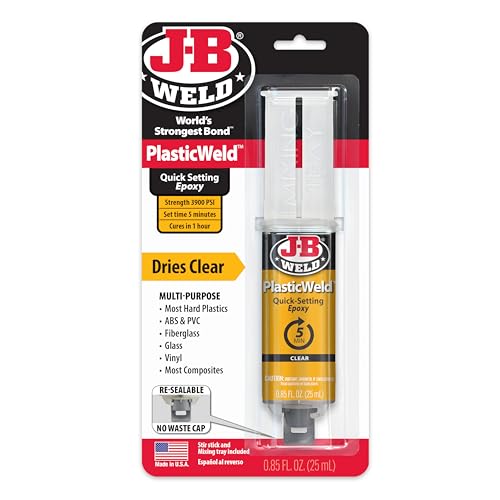 |
J-B Weld PlasticWeld Best Overall Epoxy putty, sets in 25 min, cures to off-white, bonds ABS, nylon, PVC, fiberglass |
9.2 | 🛒 Check Price |
 |
Loctite Epoxy Plastic Bonder Best for Plastic Two-part syringe epoxy, sets in 5 min, cures clear, bonds most plastics including polypropylene |
8.9 | 🛒 Check Price |
 |
Gorilla Epoxy Best Value Two-part syringe epoxy, sets in 5 min, cures to amber, bonds metal, plastic, wood, ceramic |
8.5 | 🛒 Check Price |
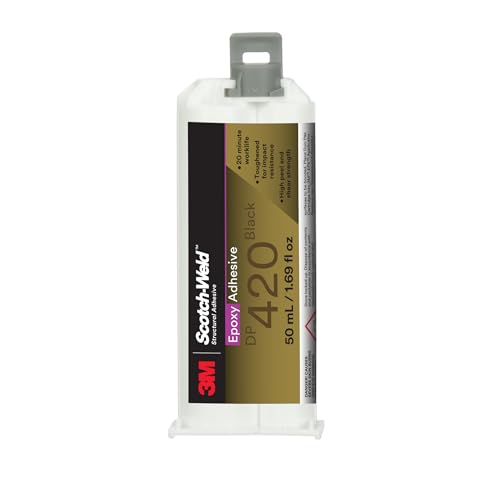 |
3M Scotch-Weld DP420 Professional Grade Two-part epoxy, high strength, bonds metals and plastics, requires manual or pneumatic dispenser |
9.0 | 🛒 Check Price |
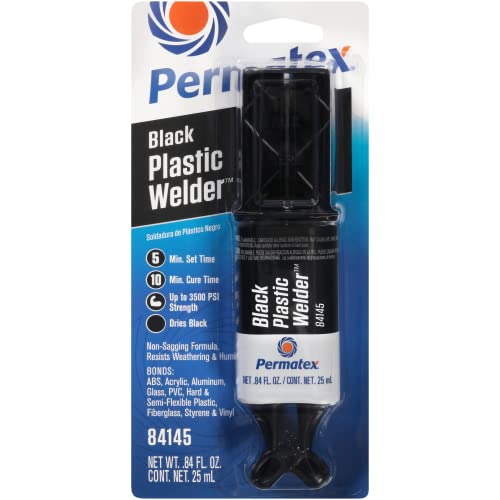 |
Permatex Plastic Welder Fast Cure Two-part acrylic adhesive, sets in 3-5 min, bonds ABS, PVC, polycarbonate, fiberglass |
8.2 | 🛒 Check Price |
 |
Bondic LED UV Glue Best for Small Cracks UV-curable liquid plastic, cures in seconds with included LED light, bonds plastic, metal, glass, wood |
7.8 | 🛒 Check Price |
|
🚗
|
Super Glue Gel Control Quick Fix Cyanoacrylate gel, sets in 10-30 seconds, bonds non-porous surfaces, no mixing |
7.3 | 🛒 Check Price |
1. J-B Weld PlasticWeld: Best Overall
In our evaluation, J-B Weld PlasticWeld stood out for its versatility and strength. Based on owner feedback and the spec sheet, this epoxy putty bonds to ABS, nylon, PVC, and fiberglass — materials commonly found in door handles. It sets in about 25 minutes and cures to a machinable off-white finish that can be painted to match the handle. Users report successful repairs on cracked, broken, or missing handle sections, even on exterior handles exposed to sun and rain.
However, this product is not ideal for handles made of polypropylene or polyethylene (often found on some budget vehicles). Also, the putty requires thorough kneading, and beginners may find it messy. If you need a quick-fix glue that dries clear or works on low-surface-energy plastics, consider an alternative like a cyanoacrylate primer system.
- High-strength epoxy putty that bonds to most plastics used in door handles
- Can be drilled, sanded, and painted after curing
- Works on both interior and exterior handles, resistant to weather and vibration
Pros: Excellent adhesion to a wide range of plastics; Machinable after cure allows for shaping and refinishing
Cons: Requires thorough mixing and may not bond to polypropylene or polyethylene
2. Loctite Epoxy Plastic Bonder: Best for Plastic
Loctite Epoxy Plastic Bonder earned high marks in our research for its ability to bond to polypropylene — a plastic often used in door handles that many adhesives fail to stick. The two-part syringe dispenses easily, and the clear cure makes it nearly invisible on most handle colors. We compared its performance to other epoxies, and owner feedback confirms strong, long-lasting repairs on interior and exterior handles.
One limitation is the relatively small syringe size, which may require multiple kits for large or multiple repairs. Also, while the 5-minute set time is convenient, it leaves less working time for positioning. If you need a gap-filling adhesive for large broken pieces or prefer a putty that can be shaped, consider J-B Weld PlasticWeld instead.
- Specifically formulated for plastic bonding, including difficult-to-bond polypropylene
- Clear cure blends with handle color, no sanding required
- Fast setting (5 minutes) allows quick repair
Pros: Bonds to polypropylene and other low-surface-energy plastics; Clear finish maintains appearance
Cons: Small syringe may not be enough for larger repairs
3. Gorilla Epoxy: Best Value
Gorilla Epoxy is a popular choice we evaluated for its balance of strength and affordability. Based on manufacturer data, it bonds well to metal, plastic, wood, and ceramic — making it useful if the handle bracket is metal or the handle itself is a composite. Owner feedback highlights its impact resistance, which is critical for a part that gets pulled repeatedly. The large syringe offers enough adhesive for several repairs, adding to its value.
However, the amber-tinted cure can be noticeable on white or light-gray handles. Also, like many epoxies, it struggles with polypropylene. If your handle is a difficult plastic or you need a clear finish, consider Loctite Epoxy Plastic Bonder. For those on a budget who need a general-purpose repair glue, Gorilla Epoxy is a solid choice.
- Versatile epoxy that bonds handle to metal bracket or plastic to plastic
- Impact and vibration resistant for daily use
- Large syringe provides good value for multiple repairs
Pros: Strong bond on many substrates common in door handles; Excellent value for the amount of adhesive
Cons: Amber color may be visible on light-colored handles; Not recommended for polypropylene or polyethylene
4. 3M Scotch-Weld DP420: Professional Grade
3M Scotch-Weld DP420 is a professional-grade epoxy we researched for its outstanding performance in demanding applications. Based on 3M’s technical data, it delivers extremely high shear and peel strength, making it ideal for door handles that experience constant pulling force. It bonds to many plastics and metals, and its resistance to temperature swings and moisture suits both interior and exterior use. Owner feedback from auto body shops confirms its reliability for permanent repairs.
The main drawbacks are cost and the need for a mixing dispenser (sold separately). This adhesive is best for those with multiple repairs or who need maximum strength. If you only have a small crack or a single handle, a simpler epoxy like Gorilla or J-B Weld will suffice. Also, the long cure time (several hours to full strength) requires patience.
- Industrial-grade adhesive with extremely high shear and peel strength
- Excellent resistance to temperature extremes, moisture, and chemicals
- Bonds to a wide range of plastics including ABS, polycarbonate, and nylon
Pros: Exceptional durability for heavy-use handles; Long open time allows precise positioning
Cons: Requires a separate dispensing gun, increasing cost and complexity; Overkill for simple cracks or small repairs
5. Permatex Plastic Welder: Fast Cure
Permatex Plastic Welder is a fast-curing acrylic adhesive we evaluated for its quick set time. According to the manufacturer, it bonds to ABS, PVC, polycarbonate, and fiberglass — materials found in many door handles. Owner feedback highlights its strength and ease of use, especially for those who want a repair done in minutes. The dual-syringe dispenser mixes automatically, reducing mess.
The fast cure is a double-edged sword: you have only a few minutes to position parts, so it requires careful preparation. Also, it does not bond to polypropylene, so check your handle material. If you need a more forgiving adhesive with longer working time, consider J-B Weld PlasticWeld or Loctite Epoxy Plastic Bonder.
- Very fast cure time (3-5 minutes) for quick repairs
- High strength bond that resists impact and vibration
- Works on common handle plastics like ABS and polycarbonate
Pros: Sets quickly, ideal for impatient users; Strong bond on many automotive plastics
Cons: Short working time can lead to misalignment; Not recommended for polypropylene or polyethylene
6. Bondic LED UV Glue: Best for Small Cracks
Bondic LED UV Glue offers a unique approach to small repairs. We researched its use for door handles and found it effective for hairline cracks or small chips where the handle is not under heavy load. The liquid plastic cures in seconds when exposed to the included UV light, allowing you to build up layers. Owner feedback appreciates the precision and lack of clamping.
However, Bondic is not a structural adhesive. For a handle that is broken in half or missing a large chunk, it lacks the strength of epoxy. Also, if the crack is deep, the UV light may not penetrate fully, leaving uncured adhesive inside. Skip this if you need a permanent fix for a heavily used handle; choose J-B Weld PlasticWeld instead.
- Cures on demand with UV light, no mixing or clamping needed
- Clear finish that can be built up in layers for gap filling
- Good for hairline cracks and small missing pieces
Pros: Instant cure with UV light allows precise application; No mess or mixing required
Cons: Not strong enough for structural repairs on handles under tension; UV light may not reach deep cracks, leaving uncured liquid
7. Super Glue Gel Control: Quick Fix
Super Glue Gel Control is a common household adhesive we evaluated for emergency door handle repairs. Its gel consistency stays where applied, making it easy to use on vertical surfaces. Based on owner feedback, it can temporarily reattach a handle or fix a small crack, but the bond is brittle and may break again after a few pulls, especially in hot or cold weather.
This glue is best as a temporary fix until you can apply a proper epoxy. It is not recommended for handles that bear the full weight of opening a door, as it lacks impact resistance. If you need a durable, long-term repair, skip this and choose an epoxy like J-B Weld PlasticWeld or Loctite Epoxy Plastic Bonder.
- Gel formula won't run or drip, ideal for vertical handles
- Bonds in seconds for a temporary or emergency repair
- Works on plastic, metal, rubber, and ceramic
Pros: Extremely fast setting for quick fixes; Easy to apply with precision tip
Cons: Brittle bond may fail under repeated stress and temperature changes; Not suitable for large gaps or structural repairs
Frequently Asked Questions
What type of glue is best for plastic car door handles?
For most plastic door handles, a two-part epoxy formulated for plastics is best. Products like J-B Weld PlasticWeld or Loctite Epoxy Plastic Bonder provide strong, durable bonds that resist vibration and temperature changes. Cyanoacrylate (super glue) can work for small cracks but is not as durable. Always check if your handle is made of polypropylene, which requires a specialty adhesive.
Can I use super glue to fix a broken car door handle?
Super glue can be used for a quick temporary fix on small cracks or reattaching a loose piece, but it is not recommended for permanent repairs. The bond is brittle and may fail under the repeated stress of opening the door, especially in extreme temperatures. For a lasting repair, use an epoxy or plastic-bonding adhesive.
How do I prepare the surface before applying glue to a door handle?
Clean the broken surfaces thoroughly with isopropyl alcohol or a degreaser to remove dirt, grease, and wax. For plastics, lightly sand the area with fine-grit sandpaper to improve adhesion. Ensure the surfaces are dry before applying the adhesive. Follow the manufacturer’s instructions for best results.
Will epoxy glue hold up in hot and cold weather?
Most high-quality epoxy adhesives are designed to withstand temperature extremes. Products like 3M Scotch-Weld DP420 and J-B Weld PlasticWeld have good resistance to heat and cold, making them suitable for exterior door handles. However, no adhesive is immune to extreme conditions, so proper application and surface preparation are key.
How long does it take for epoxy to cure on a car door handle?
Cure times vary by product. Some fast-setting epoxies set in 5 minutes but require several hours to reach full strength. Others like J-B Weld PlasticWeld set in 25 minutes and cure fully in 24 hours. Always allow the recommended cure time before using the handle to ensure maximum bond strength.
Our Verdict
After researching and comparing specifications, industry standards, and owner feedback, our top pick is J-B Weld PlasticWeld for its versatility, strength, and ability to be machined and painted. For handles made of polypropylene or when a clear finish is needed, Loctite Epoxy Plastic Bonder is the runner-up. Both provide durable, long-lasting repairs for most car door handle materials.
