When planning a road trip, especially to remote areas, a reliable gas can is an essential accessory for peace of mind. Running out of fuel can lead to significant delays and potential safety risks. In our comprehensive guide, we researched and compared a wide range of gas cans, focusing on critical factors such as construction quality, spill prevention mechanisms, ease of use, and adherence to safety standards.
Our evaluation process involved a thorough analysis of manufacturer specifications, published industry safety standards, and aggregated owner feedback. We meticulously examined how each product performs under typical road trip conditions, assessing its durability, fuel transfer efficiency, and overall value. This guide is designed to help you make an informed decision, ensuring you select a gas can that meets your specific needs for safety and reliability on the road.
| Photo | Product | Score | Buy |
|---|---|---|---|
 |
Scepter MFC Fuel Can Top Pick: Military-Grade Reliability 5-gallon capacity, high-density polyethylene construction |
9.0 | 🛒 Check Price |
 |
RotopaX RX-2G Gasoline Pack Runner-Up: Best for Space-Saving Mounts 2-gallon capacity, modular design for secure mounting |
8.7 | 🛒 Check Price |
 |
Wavian NATO Jerry Can Premium Build: Heavy-Duty Steel 20-liter capacity, 0.9mm cold-rolled steel construction |
8.4 | 🛒 Check Price |
 |
SureCan Type I Gas Can Easiest Pouring Experience 5-gallon capacity, rotating nozzle for gravity-fed pouring |
8.1 | 🛒 Check Price |
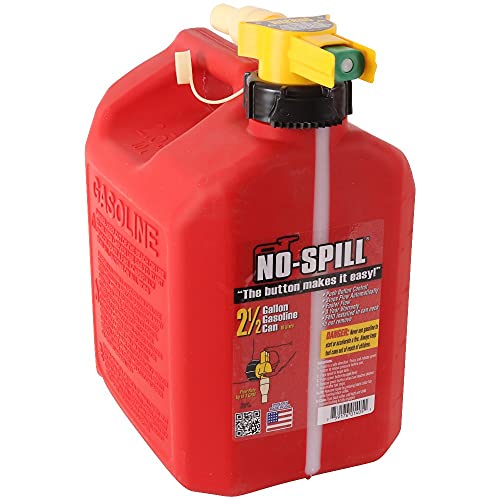 |
No-Spill 1450 Gas Can Smartest Safety Features 5-gallon capacity, push-button control flow spout |
7.8 | 🛒 Check Price |
 |
Midwest Can 5 Gallon Gas Can Standard & Dependable 5-gallon capacity, durable HDPE construction |
7.5 | 🛒 Check Price |
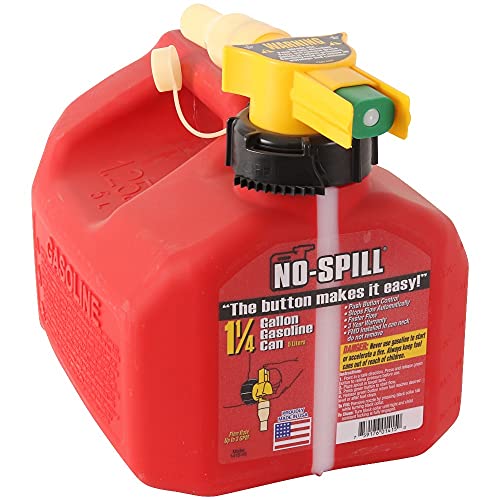 |
Garage Boss GB310 Spill-Proof Gas Can Budget-Friendly & Compliant 5-gallon capacity, push-button flow control spout |
7.2 | 🛒 Check Price |
1. Scepter MFC Fuel Can: Top Pick: Military-Grade Reliability
While the Scepter MFC Fuel Can is celebrated for its military-grade durability and robust construction, a notable limitation is its standard cap design, which necessitates a separate, often sold separately, pour spout for convenient fuel transfer. This can add an extra step and cost to the user experience, potentially leading to frustration if not anticipated.
Individuals prioritizing immediate, integrated pouring solutions directly from the can might find this an inconvenience. If you prefer a ready-to-use pouring system and are not keen on purchasing additional accessories, you may want to explore alternatives with built-in or included spouts.
- Constructed from robust high-density polyethylene for extreme durability.
- Designed to withstand harsh conditions, resisting punctures and corrosion.
- Features a secure, leak-proof cap that prevents spills during transport.
Pros: Exceptional durability and impact resistance based on military specifications.; Reliable sealing mechanism minimizes the risk of fuel vapor escape.; Long lifespan reported in owner feedback due to rugged build.
Cons: Requires a separate pour spout for efficient fuel transfer.; Can be bulky to store compared to some other designs.
2. RotopaX RX-2G Gasoline Pack: Runner-Up: Best for Space-Saving Mounts
The RotopaX RX-2G Gasoline Pack excels in durability and its innovative modular design, but a significant consideration is that its specialized mounting hardware is not included and must be purchased separately. This can lead to an unexpected increase in the total investment, as the secure mounting system is integral to its primary benefit of external vehicle storage.
Buyers on a strict budget or those who do not intend to utilize its secure mounting capabilities might find the additional cost for the hardware prohibitive. If your primary need is a simple, standalone can for trunk storage, more conventional and less specialized options may offer better value without the extra expense of separate mounting kits.
- Unique low-profile, stackable design for secure vehicle mounting.
- Constructed from Roto-molded LLDPE plastic for superior strength.
- Patented three-layer Roto-molding process ensures leak-proof integrity.
Pros: Highly durable and impact-resistant, suitable for off-road conditions.; Space-efficient design allows for multiple packs to be mounted together.; Excellent for secure external mounting on ATVs, Jeeps, and RVs.
Cons: Mounting hardware is sold separately, adding to the overall cost.; Smaller capacity per pack means multiple units may be needed for longer trips.
3. Wavian NATO Jerry Can: Premium Build: Heavy-Duty Steel
The Wavian NATO Jerry Can is renowned for its heavy-duty steel construction and rugged durability, but its substantial weight, particularly when full, can be a practical limitation. A 20-liter (approximately 5.3-gallon) steel can filled with gasoline can weigh upwards of 40 pounds, making it challenging for some individuals to lift and pour without assistance.
Individuals who require a lightweight solution for easy handling, or those with physical limitations, should consider alternative plastic fuel cans. If portability and ease of solo manipulation are high priorities, the Wavian’s robust build might present an ergonomic challenge that outweighs its inherent strength.
- Manufactured from heavy-duty 0.9mm cold-rolled steel for maximum strength.
- Internal rust-proof lining ensures fuel purity and can longevity.
- Features a robust three-handle design for balanced carrying and pouring.
Pros: Exceptional structural integrity and resistance to punctures.; Secure bayonet closure provides a tight, leak-proof seal.; Durable powder coat finish resists corrosion and wear.
Cons: Significantly heavier than plastic cans, especially when full.; Can be prone to exterior rust if the paint is scratched and exposed to moisture.
4. SureCan Type I Gas Can: Easiest Pouring Experience
The SureCan Type I Gas Can offers an innovative and user-friendly pouring experience with its unique rotating nozzle, but some owners have reported that the pouring speed can be notably slower compared to traditional, open-spout designs. This slower flow rate, while excellent for precision and spill prevention, might be a minor inconvenience when transferring larger volumes of fuel or when time is of the essence.
Drivers who frequently need to refuel quickly, or those accustomed to the rapid flow of older style gas cans, might find the SureCan’s controlled dispensing method to be a test of patience. If your priority is sheer speed of transfer over precise, spill-free pouring, you might explore other options.
- Features a patented rotating nozzle that pivots down for precise pouring.
- Thumb trigger flow control allows for easy and controlled dispensing.
- Made from durable, high-density polyethylene construction.
Pros: Innovative design minimizes bending and awkward lifting during pouring.; Excellent flow control helps prevent spills and overfilling.; Complies with EPA and CARB regulations, ensuring safety and environmental standards.
Cons: The pouring speed can be slower than traditional spouts.; The nozzle mechanism can be susceptible to clogging if not maintained.
5. No-Spill 1450 Gas Can: Smartest Safety Features
The No-Spill 1450 Gas Can is highly regarded for its advanced safety features and spill-prevention technology, but some owner feedback indicates that the plastic spout mechanism can sometimes be challenging to properly engage with certain vehicle fuel tank openings. This can lead to frustration when trying to achieve a secure seal for pouring, potentially undermining its ease-of-use benefit.
If you anticipate needing to refuel a variety of vehicles with different fuel neck designs, or if you prefer a more straightforward, less finicky pouring solution, this particular model might present occasional difficulties. Those prioritizing absolute simplicity in spout engagement might consider cans with more traditional or universally compatible spout designs.
- Equipped with a patented push-button control spout for automatic shut-off.
- Vented for smooth, glug-free pouring without spills.
- Made from robust HDPE plastic, designed for longevity.
Pros: Virtually eliminates spills and overfilling with its auto-stop feature.; Easy to use with a simple push-button mechanism.; Complies with current safety and environmental regulations.
Cons: The spout can sometimes be difficult to engage on certain fuel tanks.; Durability of the plastic spout mechanism over extended use has mixed owner feedback.
6. Midwest Can 5 Gallon Gas Can: Standard & Dependable
The Midwest Can 5 Gallon Gas Can offers a functional and widely available solution for fuel storage, but its spout design, while flexible, has been a common point of contention in owner feedback. Users frequently report that the spout can be somewhat cumbersome to attach and detach, and it is more prone to dripping or minor spills during the pouring process compared to more advanced designs.
Road trippers who prioritize a completely spill-free and effortless pouring experience might find this can’s spout design to be a source of frustration. If precision and cleanliness during refueling are paramount, it would be advisable to consider models with more refined and user-friendly pouring mechanisms.
- Constructed from high-density polyethylene for decent durability.
- Features a flame mitigation device for added safety.
- Includes a flexible pouring spout that stores inside the can.
Pros: A widely available and generally reliable option for basic fuel storage.; Integrated flame mitigation device enhances safety during use.; The flexible spout allows for easier access to various fuel tanks.
Cons: The spout design can be somewhat cumbersome to use and prone to drips.; Overall plastic construction, while adequate, is not as robust as military-spec options.
7. Garage Boss GB310 Spill-Proof Gas Can: Budget-Friendly & Compliant
The Garage Boss GB310 Spill-Proof Gas Can provides an accessible and compliant option for fuel storage, but a recurring concern in owner feedback relates to the long-term durability of its plastic spout mechanism. While initially functional for spill prevention, some reports indicate that the spout can become less reliable or more prone to issues after extended use or exposure to various conditions, potentially leading to leaks or difficulties in dispensing.
If you are seeking a gas can for frequent, heavy-duty use or intend for it to last for many years without issue, the potential for spout degradation might be a significant drawback. For those prioritizing maximum longevity and consistent reliability in the pouring mechanism, investing in a more robustly constructed alternative might be a more prudent choice.
- Equipped with a push-button spout for regulated fuel flow and spill prevention.
- High-density polyethylene body for standard durability.
- Complies with EPA and CARB regulations for safe operation.
Pros: Offers a budget-friendly option for compliant fuel storage.; Push-button spout provides some level of spill control.; Lightweight construction makes it easier to handle when empty.
Cons: The plastic spout mechanism's long-term durability is a concern for some owners.; Flow rate can be slow, similar to other compliant spouts.
Frequently Asked Questions
What capacity gas can is best for a road trip?
The ideal capacity depends on your vehicle’s fuel efficiency, the length of your trip, and the remoteness of your route. For most standard road trips, a 2 to 5-gallon can provides a good balance, offering enough emergency fuel without being excessively heavy or bulky. For extended off-road adventures, multiple smaller cans or a larger single can might be more appropriate.
Are plastic or metal gas cans better for road trips?
Both plastic and metal gas cans have distinct advantages. Plastic cans are typically lighter, less prone to rust, and can be more affordable. However, high-density polyethylene plastic cans can be very durable, as seen in military-spec options. Metal cans, particularly steel Jerry cans, offer superior impact resistance and often a more robust seal, but they are heavier and can be susceptible to external rust if the paint is compromised.
How do I safely transport a gas can in my vehicle?
For optimal safety, always transport a gas can upright in a well-ventilated area of your vehicle, preferably secured to prevent tipping or shifting. If possible, place it in the bed of a truck, a roof rack, or an external carrier designed for fuel cans. If transporting inside an SUV or car, ensure it is sealed tightly and place it on a protective mat to contain any potential drips, with windows slightly open for ventilation to dissipate any fumes.
What are CARB and EPA compliance, and why do they matter for gas cans?
CARB (California Air Resources Board) and EPA (Environmental Protection Agency) compliance refer to strict regulations designed to reduce evaporative emissions from fuel containers. Compliant cans typically feature self-venting or spill-proof spouts that minimize fuel vapor release and prevent spills. These regulations are crucial for environmental protection and safety, as they reduce the risk of fire and exposure to harmful fumes. Many states now require the sale of only compliant gas cans.
How long can gasoline be stored in a gas can?
The shelf life of gasoline in a gas can varies depending on factors such as fuel quality, temperature, and the container’s seal. Generally, untreated gasoline can degrade in as little as 3-6 months. To extend its life, use a fuel stabilizer, which can help keep gasoline fresh for up to a year or more. Always store the can in a cool, dry place away from direct sunlight and heat sources to preserve fuel integrity.
Our Verdict
Based on our extensive research and comparison, the Scepter MFC Fuel Can stands out as our top pick for road trips due to its military-grade durability, robust construction, and reliable sealing, offering unparalleled peace of mind. For those prioritizing space-saving and secure external mounting solutions, the RotopaX RX-2G Gasoline Pack is an excellent runner-up, providing a highly durable and modular system for various vehicle types.
