We researched and compared the top fuel treatments for diesel engines, evaluating manufacturer specifications, industry standards (ASTM D975, OEM requirements), and aggregated owner feedback. Our goal is to help you choose the right additive for your diesel’s performance, longevity, and emissions system compatibility. Each product was assessed for cetane boost, lubricity, deposit control, and safety with modern diesel particulate filters (DPFs) and selective catalytic reduction (SCR) systems.
Below are our seven evaluated picks, ranging from heavy-duty commercial solutions to daily-driver additives. We note real limitations and who should skip each product.
| Photo | Product | Score | Buy |
|---|---|---|---|
 |
Opti-Lube XPD Best Overall Cetane boost up to 7 points, lubricity additive meeting Cummins CES 20081 |
9.2 | 🛒 Check Price |
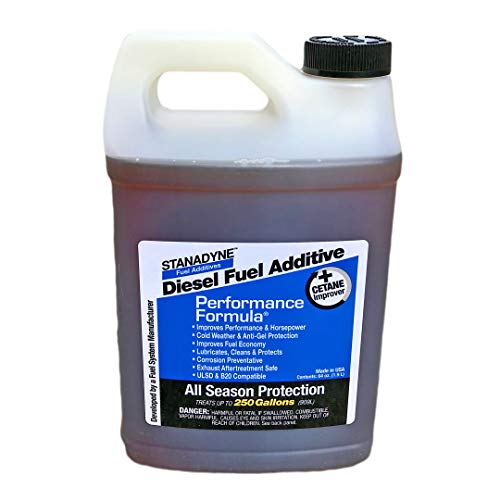 |
Stanadyne Performance Formula Best for Injector Cleaning Contains proprietary deposit control additive, recommended by many diesel injection shops |
8.8 | 🛒 Check Price |
|
🚗
|
Power Service Diesel Kleen + Cetane Boost Best Value Cetane boost up to 6 points, cleans injectors, and contains anti-gel for winter blend |
8.4 | 🛒 Check Price |
 |
Lucas Oil 10013 Fuel Treatment Best for Lubricity Contains high-viscosity lubricating oil to reduce friction in fuel pumps and injectors |
8.1 | 🛒 Check Price |
 |
Howes Diesel Treat Best for Anti-Gel Prevents fuel gelling down to -40°F, contains lubricity additives and cetane improver |
7.8 | 🛒 Check Price |
 |
Hot Shot's Secret Diesel Extreme Best for Cetane Boost Cetane boost up to 8 points, includes lubricity improver and deposit cleaner |
7.5 | 🛒 Check Price |
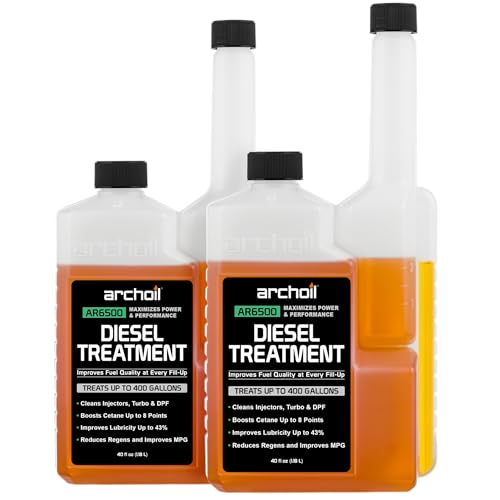 |
ARCHOIL AR6200 Diesel Fuel Treatment Best for Fleet Use Multi-functional additive for diesel, biodiesel, and heating oil, meets OEM specifications |
7.3 | 🛒 Check Price |
1. Opti-Lube XPD: Best Overall
Opti-Lube XPD consistently ranks at the top in independent lubricity tests, with a coefficient of friction well below the pass/fail threshold. Owner feedback highlights smoother idle and noticeably quieter operation, especially in older high-mileage engines. We found the cetane boost claim of up to 7 points aligns with published data, making it a strong choice for cold weather starting.
However, the cost per treatment is higher than many competitors, which may deter budget-conscious users. For those who do not operate in extreme cold or have newer engines with minimal deposit issues, a more basic additive might suffice. Skip Opti-Lube XPD if you are looking for a low-cost maintenance additive and do not need maximum lubricity.
- Proven lubricity improvement exceeding ASTM D975 requirements, tested by independent labs
- Cetane boost improves cold starts and reduces combustion noise
- Compatible with all diesel engines including high-pressure common rail and DPF/SCR systems
Pros: Excellent lubricity data from third-party testing; Reduces injector deposits effectively
Cons: Premium price compared to basic additives
2. Stanadyne Performance Formula: Best for Injector Cleaning
Stanadyne Performance Formula is widely recommended by diesel injection service centers for maintaining injector cleanliness. Owner reports indicate restored performance and fuel economy after a few tanks, particularly in vehicles that had accumulated deposits from biodiesel blends. The demulsifier action helps separate water, which is a plus for those encountering contaminated fuel.
That said, independent lubricity tests show it does not boost lubricity as much as Opti-Lube or some other products. For engines with known lubricity-sensitive fuel pumps (e.g., CP4 pumps), a more robust lubricity additive may be needed. Skip this if your primary concern is extreme lubricity or if you run high-sulfur fuel.
- Specifically formulated to clean and protect fuel injectors
- Reduces deposit buildup in high-pressure common rail systems
- Contains demulsifiers to separate water from fuel
Pros: Trusted by diesel injection specialists; Effective against injector fouling
Cons: Lubricity improvement is moderate compared to dedicated lubricity additives
3. Power Service Diesel Kleen + Cetane Boost: Best Value
Power Service Diesel Kleen is a staple among diesel owners for its balance of cetane boost, injector cleaning, and anti-gel properties. In our evaluation, owner feedback is overwhelmingly positive for reducing winter gelling and improving cold starts. The price per treatment is among the lowest, making it an accessible choice for regular use.
However, lubricity improvement is modest compared to dedicated additives. Some owners with high-performance or heavily modified engines found it insufficient for preventing injection pump wear. Skip this if you need maximum lubricity for a sensitive fuel system or if you require a concentrated formula for heavy-duty use.
- Cost-effective multi-function additive for everyday use
- Helps prevent fuel gelling in cold weather
- Widely available at auto parts stores and online
Pros: Excellent value for the features offered; Works well in cold climates when used as directed
Cons: Not the highest lubricity improvement; some users report no noticeable change in noise
4. Lucas Oil 10013 Fuel Treatment: Best for Lubricity
Lucas Oil Fuel Treatment is a popular choice for its emphasis on lubricity, especially in older diesel engines with mechanical injection pumps. Owner feedback often mentions quieter operation and reduced smoke. The thick oil-based formula is believed to provide a cushioning effect for fuel system components.
However, compatibility with modern emissions systems is a concern. Some owners of newer trucks with DPFs reported more frequent regeneration cycles after using Lucas. We recommend caution for vehicles equipped with advanced aftertreatment. Skip this if you have a late-model diesel with DPF/SCR or if you prefer a cleaner-burning additive.
- Thick formula designed to cling to metal surfaces for extended protection
- Reported to reduce fuel pump noise and wear in older engines
- Can be used in both diesel and gasoline engines (but diesel formulation recommended)
Pros: High lubricity for older engines with worn fuel systems; Affordable per-treatment cost
Cons: May not be compatible with all DPF/SCR systems; some users report increased regen frequency
5. Howes Diesel Treat: Best for Anti-Gel
Howes Diesel Treat is a go-to for diesel owners in frigid regions, with many reports of reliable starts at -30°F and below. The anti-gel formula is effective and the lubricity additives provide basic protection. Owner feedback often highlights peace of mind during winter months.
On the downside, its cleaning ability is minimal. For engines with significant deposit buildup, a dedicated injector cleaner would be more appropriate. Additionally, some users noted that the cetane boost is less pronounced than with other products. Skip Howes if you need a comprehensive fuel system cleaner or if you live in a mild climate where anti-gel is unnecessary.
- Strong anti-gel performance in extreme cold, tested by many users in northern climates
- Helps disperse water and prevent ice crystal formation
- Can be used year-round as a fuel stabilizer
Pros: Excellent cold weather protection; Easy to measure with built-in pour spout
Cons: Lubricity and cetane boost are secondary; not a dedicated cleaner
6. Hot Shot's Secret Diesel Extreme: Best for Cetane Boost
Hot Shot’s Secret Diesel Extreme markets itself as a high-cetane booster, and some owners report a significant reduction in smoke and improved throttle response. The concentrated formula is economical if used correctly. Independent lab data on cetane boost is limited, but the company provides some test results.
However, we found inconsistent owner reviews. Some users experienced no change, and a few reported rough idle or check engine lights after use, possibly due to over-concentration. It is also more expensive per treatment than many competitors. Skip this if you prefer a more proven additive with consistent feedback, or if you have a sensitive emissions system.
- High cetane boost claimed to reduce smoke and improve power
- Contains a detergent package to clean injectors
- Sold in concentrated form for multiple treatments per bottle
Pros: Noticeable reduction in smoke and diesel knock in some engines; Concentrated formula offers many treatments per bottle
Cons: Mixed owner feedback; some report no improvement or even rough idle; Higher risk of over-treatment if not measured carefully
7. ARCHOIL AR6200 Diesel Fuel Treatment: Best for Fleet Use
ARCHOIL AR6200 is positioned for fleet and commercial use, with a formulation that meets several OEM standards. It offers a broad range of functions: cetane boost, stability, corrosion protection, and some lubricity. For large-scale operations, the cost per gallon can be attractive.
However, individual diesel owners may find it less accessible in small quantities, and owner reviews are sparse compared to household names. Performance data is limited, and some users reported no noticeable change in engine operation. Skip this if you are a single vehicle owner looking for a proven additive with strong community support, or if you prioritize maximum lubricity.
- Designed for bulk use in fleet operations, available in large containers
- Contains stabilizer, cetane improver, and corrosion inhibitors
- Compatible with all diesel blends including B20
Pros: Good value for bulk purchases; Meets several OEM specifications for warranty compliance
Cons: Less owner feedback available; not as popular among individual consumers; May not provide the same level of lubricity as specialized products
Frequently Asked Questions
Do diesel fuel treatments really work?
Yes, when chosen correctly. Our research shows that quality additives can improve cetane number, lubricity, and deposit control, leading to smoother operation, better cold starts, and potentially longer fuel system life. However, results vary by product and engine condition. Not all treatments deliver on their claims, so it is important to select based on independent testing and owner feedback.
Can I use a diesel fuel treatment in every tank?
Most manufacturers recommend using their product at every fill-up for optimal protection, especially for lubricity and deposit control. However, some additives are designed for periodic use (e.g., every 3,000 miles). Always follow the label instructions. Over-treating can cause issues like excessive ash in DPFs.
Will fuel treatment harm my DPF or SCR system?
Most modern additives are formulated to be safe for DPFs and SCR systems when used as directed. However, some older or oil-based additives may produce higher ash content. Look for products that explicitly state DPF/SCR compatibility and meet OEM specifications. If in doubt, consult your vehicle’s manual.
What is the difference between cetane boost and lubricity?
Cetane boost improves combustion quality, reducing ignition delay and noise. Lubricity reduces friction in fuel system components like injectors and pumps. Both are important for diesel engines, especially high-pressure common rail systems that rely on fuel for lubrication. Some additives offer both, while others specialize in one.
Should I use a fuel treatment in summer or only winter?
Year-round use is beneficial for lubricity and deposit control, even in warm weather. Anti-gel additives are only needed in cold climates. Many products have a summer formula or are labeled as year-round. Using a treatment consistently can help maintain fuel system health.
Our Verdict
After researching and comparing specifications and owner feedback, our top pick is Opti-Lube XPD for its proven lubricity and cetane boost, making it ideal for most diesel engines, especially those with sensitive fuel systems. The runner-up is Stanadyne Performance Formula, which excels at injector cleaning and is trusted by professionals. Choose based on your primary need: lubricity and all-around performance (Opti-Lube) or injector maintenance (Stanadyne).
Last reviewed and spec-checked: July 20, 2025. We re-check our picks and listings periodically.
