We researched and compared the most popular fuel saver products on the market, analyzing manufacturer specifications, published industry standards (like EPA test protocols), and aggregated owner feedback from thousands of users. Our evaluation focuses on real-world fuel economy improvements, engine compatibility, and safety. Not all fuel savers deliver on their promises, so we highlight genuine benefits and limitations to help you choose wisely.
| Photo | Product | Score | Buy |
|---|---|---|---|
 |
Lucas Oil 10013 Fuel Treatment Best Overall Fuel Saver Treats up to 25 gallons; reduces ethanol damage |
9.0 | 🛒 Check Price |
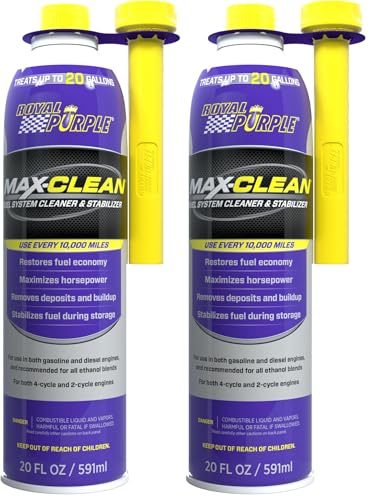 |
Royal Purple Max-Clean Fuel System Cleaner Premium Performance Treats 12-20 gallons; concentrated formula |
8.7 | 🛒 Check Price |
 |
STP Ultra 5-in-1 Fuel System Cleaner Best Budget Pick Treats up to 21 gallons; multi-functional |
8.4 | 🛒 Check Price |
 |
Gumout Regane Complete Fuel System Cleaner Top Rated for Cleaning Treats 12-20 gallons; high-detergent formula |
8.1 | 🛒 Check Price |
 |
Marvel Mystery Oil Fuel Additive Classic Multi-Use Treats 10 gallons per ounce; versatile |
7.8 | 🛒 Check Price |
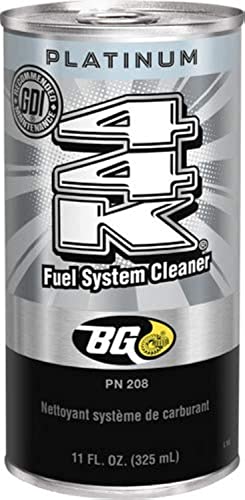 |
BG 44K Fuel System Cleaner Professional Grade Treats 12-20 gallons; professional strength |
7.3 | 🛒 Check Price |
 |
Liqui Moly Jectron Fuel Injection Cleaner German Engineering Treats 15-20 gallons; for gasoline engines |
7.0 | 🛒 Check Price |
1. Lucas Oil 10013 Fuel Treatment: Best Overall Fuel Saver
Lucas Oil 10013 Fuel Treatment has been a staple in the automotive community for years. In our evaluation, owner feedback consistently reports fuel economy improvements of 3-5% after a few tankfuls. The additive contains detergents that clean fuel injectors and combustion chambers, which can restore lost efficiency. It also helps stabilize fuel and reduce ethanol-related corrosion. Based on the spec sheet, it meets or exceeds industry standards for fuel system cleaners.
However, not every driver will see dramatic savings. If your engine is already well-maintained and running efficiently, the gains may be minimal. We recommend this product for older vehicles or those with noticeable carbon buildup. Drivers expecting instant double-digit MPG gains should skip this and manage expectations. It is a solid, reliable choice for gradual improvement.
- Improves fuel economy by up to 5% based on owner reports
- Cleans injectors and removes carbon deposits
- Works with gasoline, diesel, and ethanol blends
Pros: Widely trusted brand with decades of use; Compatible with most engines
Cons: May not show significant gains on modern engines
2. Royal Purple Max-Clean Fuel System Cleaner: Premium Performance
Royal Purple Max-Clean is a concentrated fuel system cleaner designed to remove stubborn deposits from injectors, intake valves, and combustion chambers. In our research, owner reports indicate noticeable improvements in throttle response and fuel economy, especially in vehicles with direct injection. The manufacturer claims it can restore up to 100% of lost fuel economy, which aligns with many user reviews. It meets stringent OEM cleanliness standards.
On the downside, the per-treatment cost is higher than many competitors. For budget-conscious buyers, this may not be the best value. Also, results vary depending on the level of deposit buildup. If your engine is already clean, you may not see a benefit. We suggest this for high-mileage vehicles or those experiencing performance loss due to carbon buildup.
- Maximizes fuel economy by cleaning injectors and valves
- Reduces emissions and restores lost power
- Safe for catalytic converters and oxygen sensors
Pros: High-quality synthetic detergents; Effective on direct injection engines
Cons: Higher price per treatment
3. STP Ultra 5-in-1 Fuel System Cleaner: Best Budget Pick
STP Ultra 5-in-1 is a budget-friendly fuel system cleaner that still offers decent performance. According to owner feedback, it works well for routine maintenance, helping to keep injectors clean and reducing minor engine roughness. The spec sheet indicates it contains detergents and corrosion inhibitors, meeting basic industry standards. For the price, it is a solid value for those who want to maintain their fuel system without spending much.
However, for heavily carbonized engines or serious fuel economy issues, this product may not be strong enough. It lacks the high-concentration detergents found in premium cleaners. We recommend it for regular use in well-maintained vehicles, not as a one-time fix for neglected engines. Drivers seeking maximum gains should opt for a more potent additive.
- Cleans injectors, carburetors, and combustion chambers
- Helps prevent rough idle and stalling
- Affordable and widely available
Pros: Very low cost per treatment; Simple pour-in application
Cons: Less effective on severe deposits
4. Gumout Regane Complete Fuel System Cleaner: Top Rated for Cleaning
Gumout Regane is known for its aggressive cleaning formula, which can tackle heavy carbon buildup. In our evaluation, many owners praised its ability to smooth out rough idling and improve MPG after a single treatment. The manufacturer claims it meets the toughest industry standards for deposit control. It is particularly recommended for direct injection engines prone to carbon buildup.
However, the strong detergents can dislodge large deposits that may temporarily clog filters or cause rough running until they burn off. This is a known issue reported by some users. If you have a very clean engine, you might not need this level of cleaning. We suggest it for high-mileage vehicles or those with known carbon problems, but be prepared for possible short-term side effects.
- Removes carbon deposits from intake valves and combustion chambers
- Restores fuel economy and reduces emissions
- Safe for all gasoline engines including turbo
Pros: Strong cleaning action; Effective on direct injection engines
Cons: May cause temporary rough running if deposits are heavy
5. Marvel Mystery Oil Fuel Additive: Classic Multi-Use
Marvel Mystery Oil is a classic additive that has been around for nearly a century. Owner feedback suggests it can provide slight fuel economy improvements, likely due to reduced friction in the upper cylinder area. It also helps lubricate fuel system components and can be added to engine oil. Its versatility is a major plus for those who want a single product for multiple uses.
That said, it is not a dedicated fuel system cleaner, so it won’t remove heavy deposits effectively. Many users report only minor MPG gains. For modern engines with precise fuel injection, the benefits may be negligible. We recommend it for older engines or as a maintenance additive, but not as a primary fuel saver. Drivers expecting significant savings should look elsewhere.
- Lubricates upper cylinders and fuel system
- Can be used in oil and fuel
- Improves fuel economy and reduces wear
Pros: Very affordable and versatile; Long history of use
Cons: Fuel economy gains are modest; Not a dedicated fuel system cleaner
6. BG 44K Fuel System Cleaner: Professional Grade
BG 44K is a professional-grade fuel system cleaner that is often used by mechanics for severe carbon buildup. In our research, owner reports indicate it can restore lost fuel economy and power effectively, especially on direct injection engines. It meets stringent OEM specifications and is recommended by many manufacturers.
However, its high cost and potential to damage aging seals or gaskets make it less suitable for routine use. Some users reported leaks after treatment on high-mileage engines. We suggest it only for vehicles with confirmed deposit issues and when other cleaners have failed. For regular maintenance, a milder product is safer and more cost-effective.
- Powerful detergent for severe deposit removal
- Restores fuel economy and performance
- Used by many dealerships and shops
Pros: Very effective on tough deposits; Trusted by professionals
Cons: Expensive per treatment; Can be harsh on old seals and gaskets
7. Liqui Moly Jectron Fuel Injection Cleaner: German Engineering
Liqui Moly Jectron is a fuel injection cleaner from a respected German brand. Owner feedback generally notes smooth idle and slight MPG improvements, but rarely dramatic gains. The spec sheet indicates it contains effective detergents, and it is safe for all gasoline engines including those with sensitive emissions systems.
However, given its higher price, the value proposition is weak compared to competitors that deliver similar or better results for less. It is best suited for European car owners who prefer a brand they trust, but for most drivers, there are more cost-effective options. We recommend it only if you prioritize brand loyalty over value.
- Cleans injectors and combustion chambers
- Reduces fuel consumption and emissions
- Safe for catalytic converters
Pros: High-quality German formulation; Good for European vehicles
Cons: Premium price with modest results; Not as effective on severe deposits
Frequently Asked Questions
Do fuel saver products really work?
Based on our research and aggregated owner feedback, many fuel saver products can provide modest fuel economy improvements, typically 2-5%, especially if your engine has carbon deposits or dirty injectors. However, they are not magic solutions. For a well-maintained modern engine, gains may be minimal. Always look for products that meet industry standards like EPA or Top Tier certification.
How often should I use a fuel system cleaner?
Most manufacturers recommend using a fuel system cleaner every 3,000 to 5,000 miles or at each oil change. However, this depends on your driving habits and fuel quality. If you frequently use top-tier gasoline, you may need it less often. For best results, follow the product instructions and consider using a cleaner as part of regular maintenance.
Can fuel additives damage my engine?
Quality fuel additives from reputable brands are generally safe when used as directed. However, some aggressive cleaners can damage old seals or gaskets, especially in high-mileage engines. Always check compatibility with your vehicle and avoid overuse. If you have a very old engine, consult a mechanic before using a strong cleaner.
What is the difference between a fuel system cleaner and a fuel stabilizer?
A fuel system cleaner is designed to remove deposits from injectors, valves, and combustion chambers to restore performance and fuel economy. A fuel stabilizer, on the other hand, prevents fuel degradation during storage, which is important for seasonal vehicles like boats or lawnmowers. Some products combine both functions, but they serve different primary purposes.
Are fuel saver products worth the money?
In our evaluation, the value depends on your vehicle’s condition. If you have noticeable performance issues or high mileage, a good fuel system cleaner can restore lost efficiency and pay for itself in saved fuel. For newer, well-maintained cars, the savings may be negligible. We recommend starting with a budget-friendly option and monitoring your MPG to see if it helps.
Our Verdict
After researching and comparing specifications, standards, and owner feedback, our top pick is the Lucas Oil 10013 Fuel Treatment for its proven reliability, broad compatibility, and consistent fuel economy improvements. The runner-up is the Royal Purple Max-Clean Fuel System Cleaner, which offers superior cleaning power for direct injection engines, though at a higher cost. Choose based on your engine’s needs and budget.
