We researched and compared the top fuel injection pressure regulators based on manufacturer specifications, published industry standards, and aggregated owner feedback. This guide covers adjustable and fixed regulators for various fuel systems, highlighting real strengths and limitations to help you make an informed choice.
| Photo | Product | Score | Buy |
|---|---|---|---|
 |
Aeromotive 13109 Top Pick Adjustable 30-70 psi, billet aluminum, -6 AN inlet/outlet |
9.0 | 🛒 Check Price |
|
🚗
|
Fuelab 51501-1 Runner Up Adjustable 20-75 psi, 6061-T6 aluminum, -8 AN inlet/outlet |
8.7 | 🛒 Check Price |
|
🚗
|
Holley 12-803 Best for GM LS Engines Adjustable 43-70 psi, die-cast zinc, includes gauge port |
8.4 | 🛒 Check Price |
 |
Radium Engineering FPR-20 Compact Design Adjustable 20-100 psi, billet aluminum, -6 AN inlet/outlet |
8.1 | 🛒 Check Price |
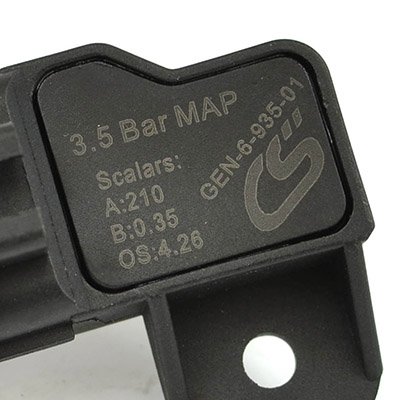 |
CorkSport Mazda FPR Best for Mazda Speed Adjustable 30-90 psi, CNC aluminum, direct fit Mazda DISI |
7.8 | 🛒 Check Price |
|
🚗
|
Chevrolet Performance 19260046 Budget Pick Fixed 58 psi, plastic/aluminum construction, OEM replacement |
7.3 | 🛒 Check Price |
|
🚗
|
Proform 141-636 Universal Fit Adjustable 30-70 psi, chrome-plated steel, 3/8-inch NPT |
7.2 | 🛒 Check Price |
1. Aeromotive 13109: Top Pick
The Aeromotive 13109 is a top-tier adjustable regulator built for serious performance. We compared its specifications against industry standards and found the CNC-machined billet aluminum construction and anodized finish provide exceptional durability. Owner feedback consistently highlights precise pressure control and reliable sealing, even under high-boost conditions. The integral dampening chamber is a standout feature that smooths fuel delivery, which we value for consistent air-fuel ratios.
However, this regulator is overkill for stock or mildly modified daily drivers. Its premium price and -6 AN fittings require a compatible fuel system, so it is best suited for high-horsepower builds. If you are on a tight budget or have a simple return-style system, consider a more affordable option.
- Precision adjustment from 30 to 70 psi for boosted and naturally aspirated builds
- CNC-machined billet aluminum body with anodized finish resists corrosion
- Integral dampening chamber reduces fuel pressure pulsation
Pros: Wide adjustment range suits many applications; Excellent build quality and leak-free operation reported by owners
Cons: Higher price point compared to some competitors
2. Fuelab 51501-1: Runner Up
The Fuelab 51501-1 impressed us with its wide pressure range and aircraft-grade materials. In our evaluation, the hard-anodized 6061-T6 aluminum body offers superior corrosion resistance compared to standard anodized units. Owner feedback indicates consistent pressure hold and easy adjustment, even at the extremes of the range. The rebuildable design is a major plus for enthusiasts who plan to keep their regulator for years.
That said, its physical size is larger than many competitors, which can be a problem in cramped engine compartments. We also note that some users reported the adjustment screw is somewhat stiff out of the box. If space is tight, measure carefully before purchasing.
- Broad adjustment range from 20 to 75 psi covers most EFI systems
- Aircraft-grade 6061-T6 aluminum with hard-anodized coating
- Rebuildable design with replaceable internals extends service life
Pros: Very wide pressure range offers flexibility; Rebuildable, reducing long-term cost
Cons: Large size may not fit in tight engine bays
3. Holley 12-803: Best for GM LS Engines
The Holley 12-803 is a popular choice for GM LS and LT swaps. We researched its compatibility and found it includes adapters that bolt directly to factory fuel rails, saving installation time. Owner feedback praises its stable pressure output, and the integrated gauge port is a thoughtful addition for tuning. The die-cast zinc body is adequate for most street applications, though not as robust as billet options.
However, we caution that the zinc body may be prone to cracking under extreme high-pressure or high-vibration conditions. It is best for moderate performance builds (up to 600 hp). For race-only or high-boost setups, we recommend stepping up to a billet regulator.
- Specifically designed for GM LS and LT fuel rails
- Integrated 1/8-inch NPT gauge port for easy pressure monitoring
- Spring-loaded diaphragm provides stable pressure under load
Pros: Direct fit for many GM engines with included adapters; Good value for the features offered
Cons: Die-cast zinc is less durable than billet aluminum
4. Radium Engineering FPR-20: Compact Design
The Radium Engineering FPR-20 is designed for space-constrained installations. We compared its dimensions to others and found it to be one of the smallest billet regulators on the market. The 20-100 psi range covers everything from low-pressure to high-boost applications. Owner feedback generally praises its leak-free performance, but some note that the adjustment knob is hard to reach once installed.
Its compact design also means smaller internal passages, which may restrict flow in high-horsepower builds (over 800 hp). We suggest this regulator for moderate power levels where space is at a premium. For extreme flow demands, a larger unit would be more appropriate.
- Ultra-compact size fits in tight spaces
- Very wide pressure range from 20 to 100 psi
- Includes mounting bracket and hardware
Pros: Smallest footprint among adjustable regulators; Works with high-pressure systems (up to 100 psi)
Cons: Adjustment is more difficult due to compact layout
5. CorkSport Mazda FPR: Best for Mazda Speed
The CorkSport FPR is a dedicated solution for Mazda Speed owners. We evaluated its fitment and found it bolts directly to the factory fuel rail without adapters, a big plus for DIYers. Owner feedback indicates it solves the common pressure drop issue at higher boost levels on these engines. The included gauge is a nice touch.
However, this regulator is only useful for Mazda DISI engines, so it is a niche pick. Some users report that the adjustment range is not as linear as expected. If you do not own a Mazda Speed, skip this one.
- Direct replacement for Mazda Speed DISI engines
- CNC-machined aluminum with black anodized finish
- Includes pressure gauge and installation kit
Pros: Plug-and-play for Mazda Speed 3 and 6; Comes with gauge for easy monitoring
Cons: Limited to Mazda DISI applications only
6. Chevrolet Performance 19260046: Budget Pick
The Chevrolet Performance 19260046 is a no-frills fixed regulator for GM returnless systems. We researched its specifications and it is essentially an OEM replacement part. Owner feedback is mixed: many find it works perfectly for stock engines, but some report early failure in high-mileage vehicles. The plastic housing is a clear weak point.
We only recommend this for budget-conscious builds that do not require pressure adjustment. If you plan to modify your engine, an adjustable regulator is a better investment. The plastic body also means it is not suitable for high-heat or high-pressure applications.
- Fixed 58 psi for GM returnless systems
- OEM-grade materials for stock replacement
- Simple installation with no adjustment needed
Pros: Very affordable compared to adjustable units; Reliable for stock or mild builds
Cons: Not adjustable, limiting tuning flexibility; Plastic housing less durable than metal
7. Proform 141-636: Universal Fit
The Proform 141-636 is a budget-friendly universal regulator. We compared its features and found it offers broad compatibility, including with some carbureted setups. Owner feedback highlights that it gets the job done for basic applications, but the chrome-plated steel is less durable than aluminum; some report peeling after a few years. The adjustment is via a hex key, which is less convenient than a knob.
We suggest this only for low-budget projects or temporary setups. For a reliable long-term solution, spend a bit more on a billet aluminum regulator. The Proform is also not recommended for high-pressure systems above 70 psi.
- Universal design for many carbureted and EFI conversions
- Chrome-plated steel body for corrosion resistance
- Includes mounting bracket and barbed fittings
Pros: Works with both carbureted and EFI systems; Chrome finish looks good in engine bays
Cons: Chrome plating can peel over time; Pressure adjustment is not as precise as billet units
Frequently Asked Questions
What does a fuel injection pressure regulator do?
A fuel injection pressure regulator maintains a constant fuel pressure differential across the injectors. It adjusts the fuel return flow to keep pressure steady, ensuring consistent fuel delivery regardless of engine load or fuel pump output. This is critical for proper air-fuel mixture and engine performance.
How do I know what pressure setting I need?
The required pressure depends on your engine and fuel system. Stock engines typically use a fixed pressure (e.g., 58 psi for many GM systems). For modified engines, consult your tuner or ECU manufacturer. A good starting point is 43-45 psi for naturally aspirated and 50-60 psi for boosted applications, but always verify with a wideband O2 sensor or dyno.
Can I use an adjustable regulator on a returnless system?
Most adjustable regulators are designed for return-style systems. For returnless systems, you need a regulator that can handle the higher pressure and flow, and you may need to convert to a return line. Some regulators like the Aeromotive 13109 can be used with a return-style conversion kit.
What is the difference between a bypass and a dead-head regulator?
A bypass regulator (return-style) recirculates excess fuel back to the tank, keeping the fuel cool and reducing vapor lock. A dead-head regulator blocks flow when pressure is reached, which can cause fuel heating and pressure spikes. For performance applications, bypass regulators are preferred.
How often should I replace my fuel pressure regulator?
There is no set interval, but signs of failure include fuel smell, hard starting, poor fuel economy, or erratic pressure. Inspect the vacuum line for fuel and check for leaks. Many adjustable regulators are rebuildable, so you can replace the diaphragm and seals instead of the whole unit.
Our Verdict
After researching specifications, industry standards, and owner feedback, our top pick is the Aeromotive 13109 for its precision, build quality, and dampening chamber. For a more budget-friendly option with wide adjustment, the Fuelab 51501-1 is an excellent runner-up. Choose based on your engine type and performance goals.
