Gasoline direct injection (GDI) engines are powerful and efficient, but they have a well known weakness. Because fuel sprays straight into the cylinder instead of washing over the back of the intake valves, carbon deposits build up on those valves over time. The right fuel additive will not magically scrub bone dry intake valves clean on its own, but a quality detergent additive keeps your injectors, combustion chamber, and fuel system in far better shape and helps slow the deposit problem before it costs you real money.
We looked at how each additive handles GDI specific issues like injector fouling, top tier detergent strength, polyether amine (PEA) content, and whether the brand is honest about what it can and cannot reach. Below are seven additives we trust for direct injection engines, ranked best first, with an honest read on where each one shines and where it falls short.
| Photo | Product | Score | Buy |
|---|---|---|---|
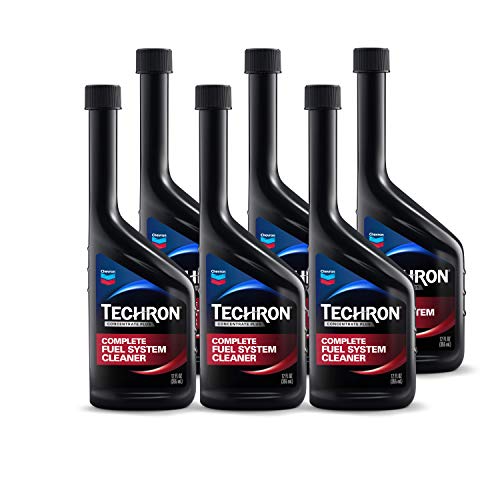 |
Chevron Techron Concentrate Plus Best Overall PEA-based fuel system cleaner, treats up to 20 gallons per bottle |
9.5 | 🛒 Check Price |
 |
Red Line SI-1 Complete Fuel System Cleaner Best Detergent Strength High PEA concentration, treats up to 100 gallons per bottle |
9.3 | 🛒 Check Price |
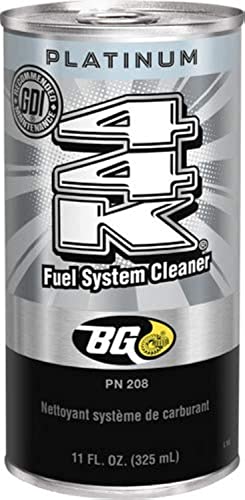 |
BG 44K Fuel System Cleaner Pro Shop Pick Professional grade PEA cleaner, 11 oz treats up to a full tank |
9.2 | 🛒 Check Price |
 |
Liqui Moly Jectron Fuel Injection Cleaner Best for Imports 300 ml PEA injection cleaner, treats roughly one full tank |
9.0 | 🛒 Check Price |
 |
Gumout Multi-System Tune-Up Best Value PEA fuel system cleaner, single bottle treats up to 35 gallons |
8.7 | 🛒 Check Price |
 |
Lucas Oil Upper Cylinder Lubricant & Injector Cleaner Best Injector Lubrication Fuel lubricant plus cleaner, one ounce treats up to 10 gallons |
8.4 | 🛒 Check Price |
 |
Sea Foam Motor Treatment SF-16 Most Versatile Petroleum based treatment, 16 oz treats fuel, oil, or intake systems |
8.2 | 🛒 Check Price |
1. Chevron Techron Concentrate Plus: Best Overall
Techron Concentrate Plus is the additive we reach for first in any GDI engine, and it earns the top spot because it does the fundamentals better than almost anything else on the shelf. It uses polyether amine (PEA), the detergent chemistry that genuinely lifts varnish and carbon off injector tips, intake systems it can touch, and combustion chamber surfaces. In a direct injection engine the most common drivability complaints come from fouled or sticky injectors, and this is exactly the area Techron addresses well. Run a bottle every few thousand miles and you keep the spray pattern clean, which protects both power and fuel economy.
The honest weakness is the one that affects every fuel additive in a GDI engine. Because fuel never flows across the back of the intake valves on a pure direct injection design, no fuel poured into the tank can scrub baked on valve deposits. Techron will not fix a car that already has heavy valve coking, and the brand does not pretend otherwise. Treat it as excellent preventive maintenance and injector care, not a cure for a neglected engine that needs a walnut blast.
- Polyether amine (PEA) detergent chemistry that works on injectors and combustion chamber deposits
- Single bottle treats a full tank, safe for every fill or as a periodic cleanout
- Trusted by techs and backed by Chevron fuel science
Pros: Strong, proven PEA detergent that actually cleans injectors; Widely available and easy to dose at a full tank; Safe for GDI, port injection, turbo, and hybrid gas engines
Cons: Cannot reach intake valve deposits on the dry side of a GDI engine; Best results need repeated use, not a one time pour
2. Red Line SI-1 Complete Fuel System Cleaner: Best Detergent Strength
If you want the most detergent muscle in a single bottle, Red Line SI-1 is the enthusiast favorite for good reason. It carries one of the richest PEA concentrations you can buy over the counter, so it tackles stubborn injector deposits and fuel system varnish that lighter additives only nibble at. It also includes an upper cylinder lubricant, which is a nice touch for GDI engines that run high fuel pressure and put a lot of stress on injector internals. Because one bottle is rated to treat a large amount of fuel, it is genuinely good value over time even though it is a premium product.
The flip side of that strength is that SI-1 rewards correct dosing. Pour it into too large a tank and the detergent is diluted below its effective range, so you get less than you paid for. And like every tank poured additive, it has no path to the back of the intake valves on a direct injection engine. Used at the right ratio on a roughly full tank, though, it is one of the most effective injector and fuel system cleaners available to a home mechanic.
- One of the highest PEA detergent concentrations sold to consumers
- Cleans injectors, valves it can reach, and adds upper cylinder lubrication
- Treats a large fuel volume so one bottle covers several fills
Pros: Very aggressive cleaning thanks to heavy PEA loading; Adds upper cylinder lube that helps injectors and rings; Goes a long way per bottle
Cons: Strong enough that some owners over dose and dilute too thin; Still cannot reach dry intake valve carbon on GDI
3. BG 44K Fuel System Cleaner: Pro Shop Pick
BG 44K has a reputation among professional technicians, and it lives up to it. This is the can a lot of shops sell as part of a fuel induction service, and the PEA based formula hits combustion chamber carbon and injector deposits hard. On a GDI engine with some miles and a slightly rough idle or hesitation traced to injectors, a single can of 44K in a near full tank often delivers a clearly noticeable improvement in smoothness and throttle response. It is the additive to choose when you want a serious one time cleanout rather than light maintenance.
The trade off is that BG 44K is positioned as an intensive treatment, not a top off you add at every fill, and it carries a premium feel to match. It is also still bound by the GDI physics problem, so it does not magically de coke intake valves the fuel never washes. Think of it as the heavy duty option in your rotation: run it periodically for a deep clean, and lean on a lighter PEA additive for the in between fills.
- Shop grade formula used by dealerships and independent techs
- Targets combustion chamber, injectors, and intake deposits it can reach
- Strong one tank cleanout for engines with mileage on them
Pros: Genuinely powerful, dealer level cleaning in one can; Noticeable smoothing on engines with injector fouling; A little goes a long way for a single intensive treatment
Cons: Costs more per can than shelf brands at the parts store; Not meant for every fill, more of a periodic deep clean
4. Liqui Moly Jectron Fuel Injection Cleaner: Best for Imports
Liqui Moly Jectron is the additive we point European GDI owners toward, because the brand is built around the kind of high pressure direct injection engines you find in VW, Audi, BMW, and Mercedes. The PEA detergent package focuses squarely on injector cleanliness, and on a car with a slightly uneven idle or sluggish part throttle response from fouled injectors, a bottle in a full tank often restores noticeably smoother running. It plays nicely with turbocharged and high pressure systems, which is exactly the territory most modern imports live in.
Jectron is dosed at one bottle per full tank, so if you treat every fill it adds up over a year, making it better suited to periodic use than constant pouring. And to be clear about the limitation that follows every product on this list, it cleans what the fuel can reach, which on a pure GDI layout does not include the back of the intake valves. For injector and fuel system health on an import, though, it is a clean, dependable choice.
- German engineered detergent package aimed at injector cleanliness
- Popular with European GDI and turbo direct injection owners
- Smooths idle and restores spray pattern on fouled injectors
Pros: Excellent fit for European direct injection engines; Clean, consistent results on injector related roughness; Compatible with turbo and high pressure fuel systems
Cons: One bottle per tank gets pricey if used very often; No effect on dry intake valve coking
5. Gumout Multi-System Tune-Up: Best Value
Gumout Multi System Tune Up is the smart pick when you want real PEA cleaning without reaching for a premium can every time. It carries a respectable polyether amine load, treats a generous amount of fuel per bottle, and is available everywhere, which makes it a sensible default for routine maintenance on a daily driven GDI car. Used regularly, it keeps injectors and the fuel system from accumulating the varnish that leads to rough idle and lost economy, and that preventive role is exactly where it delivers the most for your effort.
It is not as punchy as the shop grade options when you are trying to rescue a fouled engine in a single tank, so if you already feel a misfire or hesitation you may want a stronger one time treatment first. And as with everything you pour in the tank, it has no route to the dry intake valves on a direct injection engine. As an everyday maintenance additive that you actually keep using because it is convenient and effective, though, it is hard to fault.
- High PEA content at an accessible, easy to find price point
- Treats a large fuel volume per bottle for routine maintenance
- Works across GDI, port injection, and flex fuel gas engines
Pros: Strong PEA cleaning for an entry level product; Treats plenty of fuel, so a bottle lasts; Easy to find at any parts or big box store
Cons: Results are more subtle than premium pro grade cans; Cannot address intake valve deposits on GDI
6. Lucas Oil Upper Cylinder Lubricant & Injector Cleaner: Best Injector Lubrication
Lucas Upper Cylinder Lubricant takes a different angle from the pure detergents on this list, and that is precisely why it earns a place. GDI engines run extremely high fuel pressure, and the injectors and high pressure fuel pump rely on the fuel itself for lubrication. Modern ethanol blended pump gas is not great at that job, so a small dose of this lubricant at every fill helps protect those expensive components while a mild detergent keeps injectors flowing. It is the additive to pair with a stronger cleaner for a complete fuel system strategy.
Where it falls short is raw cleaning power. If your goal is to dissolve heavy injector or combustion deposits, this is not the most aggressive tool and it is not trying to be. It is a protectant first, cleaner second, with no ability to touch intake valve carbon. Used as intended, as an every tank lubricity boost alongside a periodic PEA cleanout, it is a genuinely useful part of caring for a direct injection engine.
- Adds upper cylinder and injector lubrication on every fill
- Helps offset the low lubricity of ethanol blended pump gas
- Light detergent action to keep injectors flowing freely
Pros: Excellent fuel and injector lubrication for high pressure GDI pumps; Easy to add a small dose at every fill; Good companion to a dedicated PEA cleaner
Cons: Lighter detergent than dedicated PEA cleaners; Lubrication focus, not a heavy carbon remover
7. Sea Foam Motor Treatment SF-16: Most Versatile
Sea Foam is the jack of all trades in this group, and that flexibility is its real appeal. The same can can go in your fuel tank to help clean injectors and stabilize fuel, into the crankcase as a short term oil system cleaner, or be used through the intake on engines where that is appropriate. For a GDI owner who wants one bottle that handles several maintenance chores, including prepping a seasonal or stored vehicle, it is a practical thing to keep on the shelf. It is gentle, broadly compatible, and forgiving to use.
The honest catch is that Sea Foam is a petroleum based treatment rather than a concentrated PEA detergent, so on pure injector deposit removal it is less surgical than the top picks here. And no tank poured product, Sea Foam included, can solvent blast the dry intake valves of a direct injection engine, despite what some hopeful forum posts suggest. As a versatile, do a bit of everything maintenance product, though, it remains a reasonable and well liked choice.
- Multi use formula for fuel tank, crankcase, or intake cleaning
- Helps clean injectors and stabilize fuel during storage
- Flexible dosing for cars, trucks, and small engines
Pros: Extremely versatile across fuel, oil, and intake uses; Doubles as a fuel stabilizer for stored vehicles; Gentle and safe for a wide range of gas engines
Cons: Petroleum based, not as targeted as a PEA detergent on injectors; Cannot solvent clean dry intake valves through the tank
Frequently Asked Questions
Can a fuel additive clean carbon off GDI intake valves?
No, and this is the single most important thing to understand about GDI engines. In a pure gasoline direct injection design, fuel sprays directly into the cylinder and never flows across the back of the intake valves, so nothing you pour into the fuel tank can physically reach those valves to scrub baked on carbon. Fuel additives do an excellent job cleaning injectors, the combustion chamber, and the fuel system, which is real and worthwhile maintenance, but heavy intake valve coking has to be removed mechanically with a process like walnut shell blasting. Any product claiming a tank pour will de coke your valves is overselling. Use additives for what they genuinely do, and budget for an occasional intake cleaning service if your engine has high mileage.
What ingredient should I look for in a GDI fuel additive?
Look for polyether amine, almost always abbreviated as PEA, on the label or in the product description. PEA is the detergent chemistry that genuinely dissolves and carries away injector and combustion chamber deposits, and it works at the temperatures inside a running engine where lesser detergents simply burn off. Top picks like Chevron Techron, Red Line SI-1, BG 44K, and Liqui Moly Jectron all rely on PEA. Polyisobutylene amine (PIBA) is a weaker, cheaper detergent you will find in budget additives, fine for very light maintenance but not for serious cleaning. If a bottle does not mention PEA and is vague about its detergent, assume it is on the mild end.
How often should I use a fuel additive in my GDI engine?
For maintenance, a PEA based cleaner every 3,000 to 5,000 miles, or roughly every few fills, keeps injectors and the fuel system in good shape without overdoing it. Lighter additives and lubricants like the Lucas product are gentle enough to add at every fill if you want continuous protection. Stronger pro grade cleaners such as BG 44K are better used periodically as an intensive cleanout rather than constantly. Always follow the dosing on the bottle and match it to a roughly full tank, since pouring a strong cleaner into a nearly empty or oversized tank dilutes it below its effective concentration and wastes the benefit.
Are fuel additives safe for turbocharged and hybrid GDI engines?
Yes, the quality PEA based fuel additives on this list are formulated to be safe for modern gasoline engines including turbocharged direct injection and gas hybrid powertrains, and several are specifically marketed for high pressure import engines. They are designed to be compatible with oxygen sensors, catalytic converters, and the high pressure fuel components GDI engines rely on. The key is to use a reputable detergent additive at the recommended dose and to stick with fuel system cleaners rather than dumping random solvents into your tank. If your vehicle is under warranty, choosing a name brand fuel system cleaner used as directed is the safe path, and you can always confirm with your owner manual.
Do fuel additives actually improve fuel economy on GDI engines?
They can, but set realistic expectations. If your injectors have accumulated deposits that distort the fuel spray pattern, a good PEA cleaner that restores proper atomization can recover the economy and smoothness you lost, which sometimes feels like a meaningful gain. If your engine is already clean and well maintained, an additive mostly keeps it that way rather than unlocking extra miles per gallon. So additives are best understood as a way to protect and preserve efficiency over time, not as a magic boost. The real economy story with GDI is preventing deposits from building up in the first place, and consistent use of a detergent additive is a sensible part of that.
Our Verdict
For most GDI owners, Chevron Techron Concentrate Plus is the best all around choice. It delivers proven PEA cleaning power, is easy to dose and find, and is safe for every modern gas engine, making it the additive we would keep in the trunk and run regularly. If you want maximum detergent strength in a single bottle, Red Line SI-1 is the runner up, packing one of the heaviest PEA concentrations available along with upper cylinder lubrication. Whichever you choose, remember the golden rule of direct injection: additives keep your injectors and fuel system genuinely clean, but no tank pour can reach dry intake valves, so pair smart additive use with an occasional mechanical intake cleaning on higher mileage engines.
