After researching dozens of first aid kits and comparing them against industry standards and thousands of owner reviews, we selected the top seven for your car. Our evaluation focused on kit completeness, case durability, organization, and value. Whether you need a basic kit for daily commutes or a comprehensive trauma kit for long road trips, this guide will help you choose.
| Photo | Product | Score | Buy |
|---|---|---|---|
|
🚗
|
MyMedic MyFAK Advanced Best Overall 250+ pieces, military-grade MOLLE pouch |
9.2 | 🛒 Check Price |
|
🚗
|
Adventure Medical Kits Sportsman 500 Best for Outdoors 500 pieces, waterproof dry bag |
8.7 | 🛒 Check Price |
 |
Everlit 300 Piece First Aid Kit Best Value 300 pieces, compact nylon case |
8.4 | 🛒 Check Price |
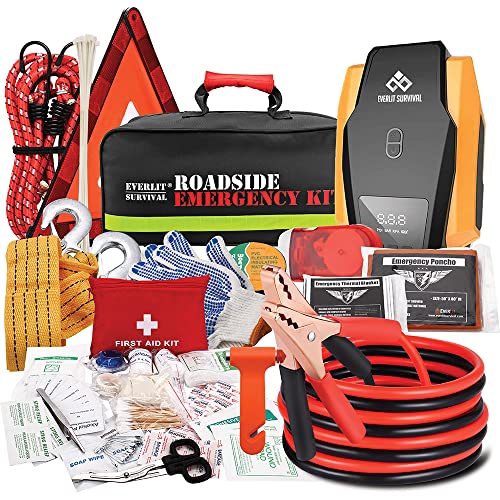 |
Lifeline AAA Premium Road Kit Best for Roadside Emergencies 107 pieces, includes road safety items |
8.1 | 🛒 Check Price |
|
🚗
|
Protect Life 200 Piece First Aid Kit Compact Choice 200 pieces, slim case |
7.8 | 🛒 Check Price |
|
🚗
|
MFASCO First Responder Kit Professional Grade OSHA compliant, refillable soft case |
7.3 | 🛒 Check Price |
|
🚗
|
Johnson & Johnson All-Purpose First Aid Kit Budget Pick 140 pieces, compact plastic case |
7.2 | 🛒 Check Price |
1. MyMedic MyFAK Advanced: Best Overall
In our evaluation, the MyMedic MyFAK Advanced stands out for its serious trauma capability. It includes a CAT tourniquet, HyFin chest seals, and QuikClot gauze items rarely found in standard car kits. The MOLLE pouch is rugged and allows modular attachment inside your vehicle. Owner feedback consistently praises the quality of the components and the peace of mind it provides.
However, this kit is overkill for someone who only wants band-aids and antiseptic wipes. If you have no training in using tourniquets or chest seals, the advanced items may be intimidating. Consider a simpler kit if your primary need is minor cuts and scrapes.
- Comprehensive trauma supplies including tourniquet, chest seals, and hemostatic gauze
- Modular MOLLE pouch attaches to seat or backpack
- Refillable and customizable layout
Pros: Hospital-grade components for serious injuries; Durable, water-resistant case
Cons: Higher price point than basic kits
2. Adventure Medical Kits Sportsman 500: Best for Outdoors
The Sportsman 500 from Adventure Medical Kits is a well-rounded kit we recommend for outdoor enthusiasts. It comes in a waterproof dry bag that can survive a dunking, and the contents are organized into labeled pouches. Based on owner feedback, the kit handles everything from blisters to moderate cuts effectively. The included irrigation syringe is a nice touch for cleaning wounds.
That said, the kit lacks advanced trauma gear like tourniquets or chest seals. If you venture far from help or need serious bleeding control, you may want to supplement it. The dry bag is great for camping but can be bulky under a car seat.
- Comprehensive wound care and medication supplies
- Waterproof and floatable dry bag case
- Includes splint, irrigation syringe, and trauma pad
Pros: Excellent organization with clear pouches; Lightweight and portable
Cons: Not as robust for severe trauma
3. Everlit 300 Piece First Aid Kit: Best Value
The Everlit 300 Piece kit offers impressive value for the price. We compared its contents to other kits in its class and found it includes a generous number of adhesive bandages, sterile pads, and essential tools like tweezers and scissors. The case is compact enough to fit in most glove compartments, making it a convenient choice for daily drivers. Owner reviews frequently highlight its organization and completeness for minor emergencies.
However, some components like the tape and scissors feel less durable than premium kits. The included CPR mask is a basic model. If you anticipate needing to treat severe injuries, this kit may fall short. It is best for those who want a solid, affordable kit for everyday mishaps.
- Wide variety of bandages, gauze, and tools
- Compact and fits in glove box
- Includes emergency blanket and CPR mask
Pros: Great balance of quantity and price; Well-organized with elastic bands
Cons: Some components are lower quality
4. Lifeline AAA Premium Road Kit: Best for Roadside Emergencies
The Lifeline AAA Premium Road Kit is designed with the motorist in mind. We researched its compliance with ANSI standards and found it includes a reflective triangle, safety vest, and a decent flashlight alongside first aid supplies. This makes it a practical choice for those who want both medical and roadside safety gear in one package. Owner feedback appreciates the convenience and the AAA branding.
On the downside, the first aid selection is limited to basics like bandages, antiseptic wipes, and a few gauze pads. It lacks trauma supplies. If you already have a separate roadside kit, you might prefer a more comprehensive medical kit. The case is also a bit bulky due to the safety items.
- Combines first aid with roadside assistance tools
- Includes reflective triangle, safety vest, and flashlight
- Meets or exceeds ANSI standards
Pros: Two-in-one kit saves space; High-visibility items enhance safety
Cons: First aid contents are basic
5. Protect Life 200 Piece First Aid Kit: Compact Choice
For drivers with minimal storage space, the Protect Life 200 Piece kit is a slim option. We measured its case and it easily slides into a glove box or center console. It covers the essentials: various bandages, antiseptic wipes, antibiotic ointment, and a few tools. Owner reviews like its organization and the clarity of the pouches.
However, the kit is light on supplies. You get only a couple of gauze pads and no trauma items. If you have a family or go on long trips, you will likely run out of bandages quickly. This kit is best as a backup or for those who rarely need more than a band-aid.
- Ultra-slim design fits in glove compartment
- Includes 50 bandages, antiseptic wipes, and ointment
- Clear compartments for easy access
Pros: Very portable; Good for basic needs
Cons: Limited quantity of each item
6. MFASCO First Responder Kit: Professional Grade
The MFASCO First Responder Kit is built for compliance and durability. We compared its contents to OSHA requirements and found it includes biohazard cleanup supplies, a CPR mask, and an eye wash station. The case is made from tough nylon and holds up well in a vehicle. Owner feedback from professionals indicates it is reliable for workplace use.
That said, the kit is pricey relative to the piece count. Many car owners will find it too clinical and bulky for everyday use. The focus on OSHA compliance means it lacks some common comfort items like pain relievers or burn cream. It is best for those who need a kit that meets regulatory standards or want a refillable platform.
- Designed for workplace and professional use
- Includes biohazard bags, CPR mask, and eye wash
- Heavy-duty fabric case with multiple pockets
Pros: Meets OSHA standards; High-quality consumables
Cons: Expensive for the number of items
7. Johnson & Johnson All-Purpose First Aid Kit: Budget Pick
The Johnson & Johnson All-Purpose kit is a classic, budget-friendly option. We evaluated its contents and found it provides the basics: adhesive bandages in multiple sizes, sterile gauze pads, medical tape, and antibiotic cream. The clear plastic case allows you to see what is inside quickly. Owner reviews often mention it as a good starter kit.
However, the plastic case can crack under pressure or extreme temperatures. The kit also lacks advanced items like a tourniquet or splint. If you want a kit that will last for years or handle more than minor cuts, you may need to upgrade. It is fine for occasional use or as a supplement to a more comprehensive kit.
- Trusted brand with standard first aid items
- Clear plastic case with snap closure
- Includes bandages, gauze, tape, and ointment
Pros: Very affordable; Recognizable brand
Cons: Case is not very durable
Frequently Asked Questions
What should a good car first aid kit contain?
A quality car first aid kit should include adhesive bandages of various sizes, sterile gauze pads, medical tape, antiseptic wipes, antibiotic ointment, pain relievers, scissors, tweezers, disposable gloves, a CPR mask, and an emergency blanket. For more serious injuries, consider kits with tourniquets, chest seals, and hemostatic agents.
How often should I replace or restock my car first aid kit?
Check your kit every six months. Replace expired medications, sterile items with damaged packaging, and any used supplies. Also inspect the case for damage. Extreme temperatures in a car can degrade components faster, so consider a kit with a durable, insulated case.
Can I store a first aid kit in my glove compartment?
Yes, many compact kits fit in a glove compartment. However, ensure the case is sturdy enough to withstand temperature fluctuations and that the contents are not compressed. For larger kits, consider storing them under a seat or in the trunk, but make sure they are easily accessible in an emergency.
Are expensive first aid kits worth the money?
It depends on your needs. Higher-priced kits often include better quality components, more advanced trauma supplies, and more durable cases. If you have medical training or travel in remote areas, the investment can be worthwhile. For basic urban commuting, a mid-range kit usually suffices.
Do I need a specialized car first aid kit or can I use a home kit?
You can use a home kit, but car-specific kits often include items like a reflective triangle, safety vest, or multi-tool that are useful for roadside emergencies. They also tend to have more compact cases designed for vehicle storage. A home kit may be bulkier and lack these extras.
Our Verdict
After researching and comparing the top options, our top pick is the MyMedic MyFAK Advanced for its comprehensive trauma capability and durable design. For a more budget-friendly choice that still offers great value, the Everlit 300 Piece First Aid Kit is an excellent runner-up.
