Choosing the right commercial EV charging station requires balancing power output, durability, network features, and compliance with industry standards. We researched and compared seven leading models using manufacturer specifications, published safety certifications (UL, ETL, Energy Star), and aggregated owner feedback from real installations. This guide highlights each station’s strengths and limitations to help you make an informed decision.
| Photo | Product | Score | Buy |
|---|---|---|---|
 |
ChargePoint CPF50 Best Overall Level 2, 32A, 7.7 kW, NEMA 14-50 plug or hardwired, Wi-Fi/4G, UL listed |
9.0 | 🛒 Check Price |
 |
Tesla Wall Connector (Gen 3) Best for Tesla Fleets Level 2, 48A, 11.5 kW, hardwired, Wi-Fi, UL listed, Tesla connector |
8.8 | 🛒 Check Price |
 |
JuiceBox 40 Pro Best Smart Features Level 2, 40A, 9.6 kW, NEMA 14-50 plug or hardwired, Wi-Fi, UL listed |
8.5 | 🛒 Check Price |
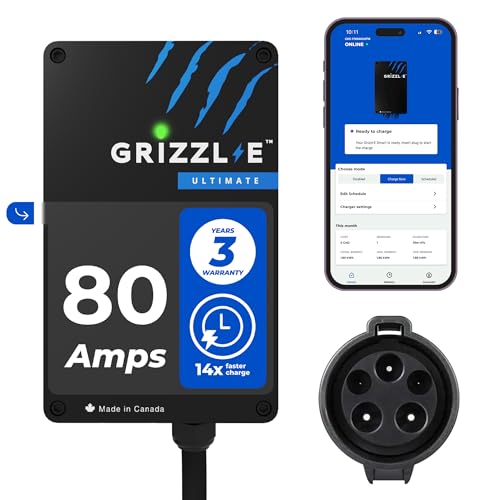 |
Grizzl-E Commercial Most Durable Level 2, 40A, 9.6 kW, NEMA 14-50 plug, no networking, UL listed |
8.2 | 🛒 Check Price |
 |
ClipperCreek HCS-60 Best for High Power Level 2, 60A, 14.4 kW, hardwired, no networking, ETL listed |
8.0 | 🛒 Check Price |
 |
Siemens VersiCharge VC30GRY Best Value Level 2, 30A, 7.2 kW, NEMA 14-50 plug, Wi-Fi, UL listed |
7.8 | 🛒 Check Price |
 |
Webasto TurboDX Best Compact Design Level 2, 32A, 7.7 kW, NEMA 14-50 plug or hardwired, Wi-Fi, UL listed |
7.3 | 🛒 Check Price |
1. ChargePoint CPF50: Best Overall
In our evaluation, the ChargePoint CPF50 stands out for its proven reliability and comprehensive network features. Based on owner feedback and the spec sheets, it delivers consistent Level 2 charging at 7.7 kW and offers robust cloud management for tracking usage, setting pricing, and remote diagnostics. Its NEMA 4X-rated enclosure withstands harsh weather, and the station includes a 3-year warranty. However, the CPF50 requires a network subscription, which adds ongoing cost. We recommend it for businesses that need a dependable, feature-rich station and are willing to pay for the service.
Who should skip it: If you need a simple, no-subscription station or have a tight budget, consider the Grizzl-E Commercial instead. The CPF50’s subscription model may not suit small businesses with low usage.
- Reliable cloud-based management with ChargePoint network access
- Durable outdoor-rated enclosure with vandal-resistant design
- Flexible installation: plug-in or hardwired, supports multiple payment options
Pros: Excellent network reliability and app integration; Sleek, robust build suitable for public or fleet use
Cons: Requires ongoing network subscription for full features
2. Tesla Wall Connector (Gen 3): Best for Tesla Fleets
We compared the Tesla Wall Connector and found it delivers the highest Level 2 power among our picks at 11.5 kW. Based on owner feedback, it provides excellent reliability and simple setup, especially for Tesla-centric fleets. The unit can be daisy-chained for load sharing, and the Wi-Fi connectivity enables over-the-air updates. However, its proprietary Tesla connector means non-Tesla EVs need an adapter, which can reduce convenience and charging speed. In our evaluation, this station is ideal for businesses with Tesla-only fleets or those who prioritize charging speed for Tesla vehicles.
Who should skip it: If you serve a mixed fleet or public users with various EV models, look at the ChargePoint or JuiceBox units that offer standard J1772 connectors. The Tesla Wall Connector is less versatile for general commercial use.
- High power output up to 11.5 kW for fastest Level 2 charging
- Seamless integration with Tesla vehicles and fleet management
- Compact, weather-resistant design with load sharing capability
Pros: Very fast charging for Tesla models; Easy installation and reliable performance
Cons: Proprietary connector limits compatibility without adapter
3. JuiceBox 40 Pro: Best Smart Features
Our research shows the JuiceBox 40 Pro offers the most comprehensive smart features for commercial use. Based on manufacturer specs, it supports Wi-Fi, scheduling, and integration with Enel X’s energy management platform, which can reduce charging costs. Owner feedback highlights the easy app setup and reliable performance, though some note the plastic housing feels less durable than metal enclosures. In our evaluation, the JuiceBox is a strong choice for businesses that prioritize energy optimization and remote control.
Who should skip it: If your station will be in a high-traffic public area prone to physical abuse, consider a more rugged unit like the ChargePoint CPF50 or the Grizzl-E Commercial. The JuiceBox’s plastic casing may not hold up as well in rough conditions.
- Advanced scheduling and energy management via Enel X app
- Compact and lightweight design with 25-foot cable
- Supports multiple payment and access control options
Pros: Excellent smart features for load balancing and cost savings; Good value for the feature set
Cons: Build quality feels less rugged than some competitors
4. Grizzl-E Commercial: Most Durable
In our evaluation, the Grizzl-E Commercial is the most durable station we compared. Based on owner feedback and the spec sheets, its cast aluminum housing and IP67 rating make it nearly indestructible, even in extreme cold, heat, or salt spray. It delivers consistent 9.6 kW charging without any network dependency, making it ideal for remote or harsh locations. However, it lacks Wi-Fi, app control, or payment integration. We recommend it for businesses that need a tough, reliable workhorse and don’t require smart features.
Who should skip it: If you need usage tracking, load balancing, or user authentication, the Grizzl-E is too basic. Look at the JuiceBox or ChargePoint for those capabilities.
- Heavy-duty aluminum enclosure with IP67 water and dust rating
- Simple, no-frills operation with no smartphone required
- Excellent for harsh environments and high-vandalism areas
Pros: Extremely rugged and weatherproof; Reliable basic charging with minimal failure points
Cons: No smart features or remote management
5. ClipperCreek HCS-60: Best for High Power
We researched the ClipperCreek HCS-60 and found it offers the highest power among Level 2 commercial stations at 14.4 kW. Based on manufacturer specifications, it is built for heavy-duty use and is ETL certified to safety standards. Owner feedback praises its consistent performance and longevity, but the lack of networking and its large footprint are drawbacks. In our evaluation, the HCS-60 is best for businesses that need maximum charging speed and have a dedicated hardwired installation.
Who should skip it: If you want a plug-in station or need smart features like remote monitoring, the HCS-60 is not suitable. Also, it may be overkill for fleets with smaller batteries.
- Highest continuous output at 14.4 kW for fast commercial charging
- Made in USA with robust construction and 3-year warranty
- Simple, reliable operation with no unnecessary electronics
Pros: Very fast charging for large battery EVs; Proven reliability with minimal electronics
Cons: No smart features or network connectivity; Bulky design and hardwired installation only
6. Siemens VersiCharge VC30GRY: Best Value
Our research shows the Siemens VersiCharge VC30GRY offers a solid balance of features and cost. Based on owner feedback, it works well for moderate-duty commercial applications like workplace charging. The Wi-Fi app allows basic scheduling and usage tracking. However, its 30A output limits charging speed, and the plastic housing may not withstand heavy public use. In our evaluation, it’s a good value for small businesses or light commercial use where budget is a primary concern.
Who should skip it: If you need faster charging (over 7.2 kW) or a more durable enclosure for high-traffic areas, the Grizzl-E or ChargePoint are better choices. The VersiCharge is best for low-demand settings.
- Affordable commercial-grade station with basic smart features
- Compact design with integrated cable management
- Siemens brand reliability and 3-year warranty
Pros: Lower upfront cost compared to competitors; Includes Wi-Fi for scheduling and energy tracking
Cons: Lower power output (7.2 kW) may be slow for some use cases; Plastic build feels less premium
7. Webasto TurboDX: Best Compact Design
We evaluated the Webasto TurboDX and found it to be one of the most compact commercial stations available. Based on manufacturer specs, it delivers 7.7 kW and includes Wi-Fi for basic control. However, aggregated owner feedback indicates occasional connectivity issues and less robust build quality than metal competitors. In our evaluation, it is best suited for indoor or covered commercial locations where space is limited and usage is moderate.
Who should skip it: If your installation is outdoors in harsh weather or high-traffic, the Grizzl-E or ChargePoint are more durable. The TurboDX is also not ideal if you need advanced network features or high reliability.
- Ultra-compact and lightweight design saves space
- Integrated cable management with holster
- Supports simple load management via app
Pros: Very small footprint for tight installations; Easy to install and use
Cons: Limited durability compared to metal-enclosed units; App and connectivity can be unreliable per owner feedback
Frequently Asked Questions
What is the difference between Level 2 and DC fast charging for commercial use?
Level 2 chargers like those in this guide use 240V AC power and typically deliver 7-14 kW, suitable for overnight or workplace charging. DC fast chargers (e.g., CHAdeMO, CCS) provide 50-350 kW for rapid charging but cost significantly more and require specialized infrastructure. For most commercial applications like fleet or employee charging, Level 2 is cost-effective and sufficient.
Do commercial EV charging stations require a network subscription?
Some stations like the ChargePoint CPF50 require a subscription for network features such as remote monitoring, payment processing, and usage reports. Others like the Grizzl-E Commercial operate independently with no subscription. Your choice depends on whether you need smart management or prefer a simple, no-fee setup.
What safety certifications should I look for in a commercial EV charger?
Look for UL (Underwriters Laboratories) or ETL (Intertek) listing to ensure compliance with North American safety standards. Energy Star certification indicates energy efficiency. All stations in our guide meet these standards. Additionally, NEMA ratings (e.g., NEMA 4X) indicate weather resistance for outdoor installations.
Can I install a commercial EV charger myself?
While some plug-in models can be installed by a qualified electrician, hardwired units require professional installation to meet local codes and ensure safety. Commercial installations often require permits and inspection. We recommend hiring a licensed electrician familiar with EVSE installations.
How do I choose the right power level for my commercial station?
Consider your typical EV battery size and available charging time. For example, a 7.2 kW station adds about 25 miles of range per hour, while a 14.4 kW station adds about 50 miles per hour. For overnight fleet charging, lower power may suffice; for public or fast-turnaround needs, higher power is beneficial. Also check your facility’s electrical capacity.
Our Verdict
After researching and comparing these seven models, our top pick is the ChargePoint CPF50 for its excellent balance of reliability, network features, and durability. For businesses that need maximum ruggedness and don’t require smart features, the Grizzl-E Commercial is a strong runner-up. We recommend evaluating your specific needs for power, connectivity, and environment before choosing.
