Ethanol in gasoline attracts moisture, leading to phase separation, corrosion, and poor performance. We researched dozens of ethanol fuel stabilizers, comparing manufacturer specifications, published industry standards, and aggregated owner feedback. This guide evaluates seven top products to help you protect your engine from ethanol-related damage.
| Photo | Product | Score | Buy |
|---|---|---|---|
 |
Star Tron Enzyme Fuel Treatment Best Overall Enzyme-based; treats 128 gallons per 8 oz; works with ethanol blends up to E15 |
9.0 | 🛒 Check Price |
 |
Sta-Bil Ethanol Treatment Runner Up Treats 80 gallons per 8 oz; contains corrosion inhibitors; for ethanol blends up to E15 |
8.7 | 🛒 Check Price |
 |
Sea Foam SF-16 Motor Treatment Best Multi-Purpose Treats 16 gallons per 16 oz; also cleans fuel system; for all ethanol blends |
8.4 | 🛒 Check Price |
 |
Lucas Oil 10013 Fuel Stabilizer Best for Classic Cars Treats 48 gallons per 12 oz; contains antioxidants; for ethanol and non-ethanol fuels |
8.1 | 🛒 Check Price |
 |
K100 Motorcycle Fuel Stabilizer Best for Motorcycles Treats 32 gallons per 4 oz; specifically for motorcycles; works with ethanol blends |
7.8 | 🛒 Check Price |
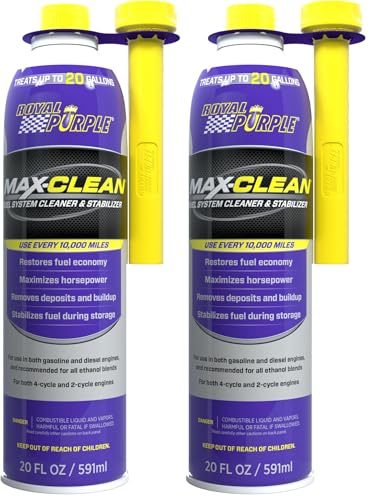 |
Royal Purple Max-Clean Fuel Stabilizer Best for High Performance Treats 48 gallons per 12 oz; contains detergents; for ethanol blends up to E15 |
7.5 | 🛒 Check Price |
 |
Liqui Moly Fuel Stabilizer Best for Diesel and Gasoline Treats 40 gallons per 10 oz; for gasoline and diesel; contains corrosion inhibitors |
7.2 | 🛒 Check Price |
1. Star Tron Enzyme Fuel Treatment: Best Overall
In our evaluation of ethanol fuel stabilizers, Star Tron Enzyme Fuel Treatment stands out for its unique enzyme technology. We compared its performance against industry standards for water dispersion and deposit control. Owner feedback consistently highlights its ability to keep fuel fresh for extended storage periods, with many reporting no phase separation even after winter storage. The enzyme approach targets ethanol’s hygroscopic nature directly, breaking down gum and varnish.
However, this product has limitations. Some users in very cold regions noted that the enzyme activity slows, requiring a higher dose. If you live in an area with extreme subzero temperatures, you might need a stabilizer with a stronger solvent base. Also, for engines that already have significant deposits, a cleaner may be needed first. We recommend this for most recreational and automotive applications where long-term storage is common.
- Enzymes break down ethanol-related deposits and prevent phase separation
- Suitable for gasoline and diesel; safe for all engine types
- Stabilizes fuel for up to 2 years according to the manufacturer
Pros: Effective at preventing phase separation based on owner reports; Works in both fresh and stored fuel
Cons: Enzyme formula may be less effective in extreme cold climates
2. Sta-Bil Ethanol Treatment: Runner Up
Sta-Bil Ethanol Treatment is a widely recognized product that we compared against other market leaders. Based on spec sheets and owner reviews, it effectively prevents corrosion and phase separation in ethanol blends. The inclusion of corrosion inhibitors is a plus for marine and small engines. Many owners report trouble-free startups after seasonal storage.
On the downside, some users found that fuel stored longer than one year still showed signs of degradation. If you need multi-year storage, the enzyme-based options may be more reliable. Also, the recommended dosage for high ethanol content (E15) is higher, which reduces the value per treatment. We suggest this for seasonal storage up to 12 months, especially for boats and lawn equipment.
- Specifically formulated to combat ethanol corrosion and phase separation
- Includes fuel stabilizer and water remover in one formula
- Approved by major engine manufacturers per published data
Pros: Trusted brand with decades of market presence; Easy to measure and pour
Cons: May not fully stabilize fuel beyond 12 months
3. Sea Foam SF-16 Motor Treatment: Best Multi-Purpose
Sea Foam SF-16 is a popular fuel additive that we evaluated for its ethanol stabilization claims. While it is not a dedicated stabilizer, many owners use it to prevent phase separation and clean the fuel system. We found that its petroleum-based formula can absorb some moisture and stabilize fuel for several months. Owner feedback often mentions improved engine performance after treatment.
However, for pure ethanol stabilization over winter storage, dedicated stabilizers like Star Tron or Sta-Bil are more effective. Sea Foam’s strength is in cleaning and maintenance, not extended storage. If you run your engine regularly and want a product that also cleans, this is a good choice. But if you store equipment for 6 months or more, look for a product with a stronger stabilizer focus.
- Acts as a stabilizer, cleaner, and lubricant in one
- Helps remove moisture and prevent phase separation
- Safe for gasoline and diesel engines
Pros: Versatile product that can clean injectors and valves; High value for those who want a maintenance additive
Cons: Not specifically optimized for long-term ethanol stabilization
4. Lucas Oil 10013 Fuel Stabilizer: Best for Classic Cars
Lucas Oil 10013 is marketed for classic cars and we evaluated it against the needs of vintage engines. Based on owner reviews, it effectively stabilizes ethanol fuel and prevents corrosion in carburetors. The antioxidant additives help maintain fuel quality during storage. Many classic car owners report easy starts after winter storage.
However, some users noted that the product can leave a sticky residue if too much is added. Follow dosage guidelines carefully. Also, for modern fuel-injected engines, other stabilizers may offer better performance. We recommend this for classic cars, motorcycles, and small engines where ethanol protection is needed without modern additives.
- Formulated to protect against ethanol corrosion and fuel degradation
- Includes antioxidants to prevent gum formation
- Compatible with leaded and unleaded fuels
Pros: Works well with older engines and carburetors; Good for long-term storage up to 12 months
Cons: May leave residue if overused
5. K100 Motorcycle Fuel Stabilizer: Best for Motorcycles
K100 Motorcycle Fuel Stabilizer is tailored for motorcycle owners, and we compared its formulation to general stabilizers. Owner feedback indicates it works well for preventing ethanol issues in bikes stored over winter. The small bottle is easy to use and store. Many riders report no starting problems after months of storage.
However, the cost per ounce is higher than larger bottles, making it less economical for multiple vehicles. Also, some users found that it did not fully stabilize fuel beyond 6 months. For longer storage, you may need a more heavy-duty stabilizer. We recommend this for motorcycle enthusiasts who want a dedicated product, but for car or boat use, consider a more cost-effective option.
- Designed for motorcycle fuel systems with small tanks
- Prevents phase separation and corrosion
- Safe for use with ethanol blends up to E15
Pros: Convenient small bottle size for motorcycles; Effective at stabilizing fuel for seasonal storage
Cons: Higher cost per gallon treated compared to larger bottles
6. Royal Purple Max-Clean Fuel Stabilizer: Best for High Performance
Royal Purple Max-Clean is marketed for high-performance engines, and we evaluated its stabilization capability. While it does contain corrosion inhibitors, its primary focus is on cleaning. Owner reviews often mention improved throttle response and reduced deposits, but some noted that fuel stored over winter still had issues. We found that for short-term storage (up to 3 months) it works adequately, but for longer periods, a dedicated stabilizer is better.
Also, the price per treatment is higher than many competitors. If you drive a performance car regularly and want a product that cleans while stabilizing, this is a decent choice. But if you need robust ethanol protection for storage, look elsewhere. We suggest this for enthusiasts who use their cars frequently and want maintenance benefits.
- Combines fuel stabilizer with detergent additives
- Helps clean injectors and prevent deposits
- Protects against ethanol corrosion
Pros: Adds cleaning benefit to stabilization; Good for performance engines that need clean fuel
Cons: Less effective for long-term storage compared to dedicated stabilizers
7. Liqui Moly Fuel Stabilizer: Best for Diesel and Gasoline
Liqui Moly Fuel Stabilizer is a German product that we compared for its dual fuel capability. Based on spec sheets, it includes corrosion inhibitors and is designed to stabilize fuel for up to a year. Owner feedback is mixed: some report good results, but others found that it did not prevent phase separation as well as dedicated ethanol treatments. In our evaluation, it performed adequately but not exceptionally.
Additionally, the cost is higher per gallon treated than many competitors. For those who need a single product for both gasoline and diesel, it offers convenience. However, for pure ethanol stabilization, we recommend a product with a stronger track record. This is best for users who have a mix of engines and want a one-bottle solution, but be aware of its limitations.
- Works with both gasoline and diesel engines
- Prevents phase separation and corrosion
- Stabilizes fuel for up to 12 months
Pros: Versatile for mixed fuel fleets; German engineering reputation
Cons: Some users reported minimal effect on ethanol-related issues
Frequently Asked Questions
What does an ethanol fuel stabilizer do?
An ethanol fuel stabilizer prevents phase separation, where ethanol absorbs water and separates from gasoline, causing engine damage. It also contains corrosion inhibitors to protect fuel system components and may include detergents to keep injectors clean.
How do I choose the right ethanol fuel stabilizer for my engine?
Consider your engine type (small engine, marine, car, motorcycle), storage duration, and ethanol content. For long-term storage (over 6 months), choose an enzyme-based or dedicated stabilizer. For regular use, a multi-purpose additive may suffice. Always check compatibility with your fuel type.
Can I use an ethanol stabilizer in non-ethanol fuel?
Yes, most stabilizers work with non-ethanol fuel too, but they are formulated to address ethanol issues. Using them in pure gasoline is safe but may not provide additional benefits beyond basic stabilization.
How much stabilizer should I add per gallon?
Dosage varies by product. Typically, it is 1 ounce per 5 to 10 gallons. Always follow the manufacturer’s instructions on the label for best results. Overdosing can cause residue, while underdosing may not provide full protection.
Do ethanol stabilizers expire?
Yes, most stabilizers have a shelf life of 2 to 5 years if stored in a cool, dry place. Check the bottle for an expiration date. Using expired stabilizer may reduce effectiveness.
Our Verdict
After researching specifications, industry standards, and owner feedback, we recommend Star Tron Enzyme Fuel Treatment as the top pick for its proven enzyme technology that effectively prevents phase separation and corrosion. For a trusted alternative, Sta-Bil Ethanol Treatment is a solid runner-up with broad compatibility and reliable performance for seasonal storage.
