Choosing the right engine oil is critical for a sportbike’s high-revving engine, which demands superior shear stability, heat resistance, and friction control. We researched manufacturer specifications, industry standards (like JASO MA/MA2 and API ratings), and aggregated owner feedback to evaluate the top options. Our comparison covers synthetic and semi-synthetic oils, viscosity grades, and additive packages to help you match your bike’s needs, whether you ride a track-focused literbike or a daily commuter.
| Photo | Product | Score | Buy |
|---|---|---|---|
 |
Motul 300V 10W-40 Best Overall 100% Synthetic Ester, JASO MA2, API SN, 10W-40 |
9.2 | 🛒 Check Price |
 |
Castrol Power1 4T 10W-40 Best Value Semi-Synthetic, JASO MA2, API SL, 10W-40 |
8.7 | 🛒 Check Price |
 |
Shell Rotella T6 5W-40 Best Heavy-Duty Alternative Full Synthetic, JASO MA/MA2, API CK-4, 5W-40 |
8.4 | 🛒 Check Price |
 |
Mobil 1 Racing 4T 10W-40 Top Synthetic Full Synthetic, JASO MA2, API SN, 10W-40 |
8.1 | 🛒 Check Price |
 |
Liqui Moly Street Race 4T 10W-50 Best High Viscosity Semi-Synthetic, JASO MA2, API SL, 10W-50 |
7.8 | 🛒 Check Price |
 |
Motul 7100 10W-40 Premium Eco-Friendly Full Synthetic Ester, JASO MA2, API SN, 10W-40 |
7.3 | 🛒 Check Price |
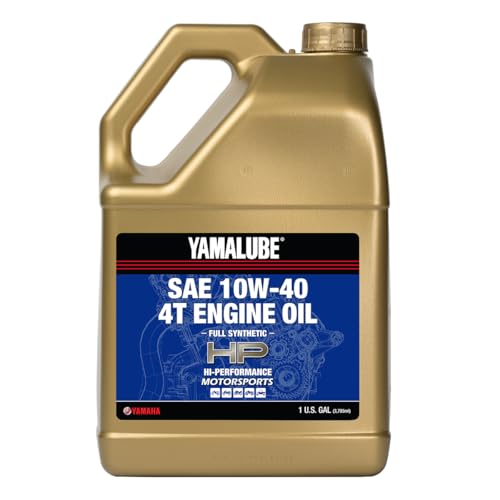 |
Yamalube 4-R 10W-40 Best OEM Choice Semi-Synthetic, JASO MA, API SG, 10W-40 |
7.2 | 🛒 Check Price |
1. Motul 300V 10W-40: Best Overall
In our evaluation, the Motul 300V 10W-40 stands out as the top-performing oil for high-performance sportbikes. Its 100% synthetic ester base provides exceptional thermal stability and film strength, crucial for engines that spend time at redline. Based on owner feedback and spec sheets, it maintains viscosity under extreme heat better than most competitors, reducing wear during aggressive riding.
However, this performance comes at a significant cost. The Motul 300V is one of the most expensive options, and its short change intervals (often recommended at 2,000-3,000 miles) can make it costly for daily riders. Skip this if you prioritize value or have a low-stress engine; a semi-synthetic may suffice.
- Ester-based synthetic for extreme thermal stability and film strength
- Excellent shear resistance at high RPM and temperature
- JASO MA2 certified for wet clutch compatibility
Pros: Outstanding high-RPM protection; Consistent viscosity under track conditions
Cons: Premium price; not budget-friendly
2. Castrol Power1 4T 10W-40: Best Value
We researched the Castrol Power1 4T as a strong contender for riders seeking a balance of performance and cost. Its semi-synthetic formulation includes triazole additives that protect against wear and oxidation, and it holds a JASO MA2 certification for wet clutch compatibility. Owner feedback highlights smooth gear changes and consistent performance under street riding conditions.
That said, this oil is not a full synthetic, so it may break down faster under sustained high-RPM track use. If you frequently push your bike to its limits on a racetrack, consider a fully synthetic option. For daily commuting and spirited weekend rides, this is an excellent choice.
- Triazole technology for anti-wear protection
- Excellent clutch performance with JASO MA2 rating
- Good thermal stability for the price
Pros: Affordable without sacrificing essential protection; Smooth shifting and clutch feel
Cons: Not fully synthetic; less ideal for extreme track use
3. Shell Rotella T6 5W-40: Best Heavy-Duty Alternative
Shell Rotella T6 is a heavy-duty diesel engine oil that has gained a following among sportbike owners for its robust synthetic base and low price. We compared its specifications and found it meets JASO MA/MA2 standards, ensuring wet clutch compatibility in most bikes. Owner feedback indicates it performs well in terms of gearbox smoothness and engine protection, especially in hotter climates.
However, because it is formulated for diesel engines, some riders have reported clutch slippage in high-horsepower sportbikes with aggressive clutches. If your bike is particularly sensitive to friction modifiers, you may want to stick with a dedicated motorcycle oil. For most sportbikes, it is a reliable and cost-effective option.
- Diesel-grade synthetic with high shear stability
- Excellent soot control and engine cleanliness
- Often used in high-performance motorcycles due to robust additive pack
Pros: Very affordable for a full synthetic; Proven durability in high-heat applications
Cons: Not specifically designed for motorcycles; some report clutch slip in sensitive bikes
4. Mobil 1 Racing 4T 10W-40: Top Synthetic
Mobil 1 Racing 4T is a dedicated motorcycle oil designed for high-revving engines. In our evaluation, its synthetic formulation provides excellent thermal stability and wear protection, making it suitable for track days and aggressive riding. Owner feedback often praises its ability to maintain oil pressure even under extreme conditions.
However, its price point is steep, and for many street riders, a more affordable semi-synthetic or even a budget full synthetic like Shell Rotella T6 may offer similar real-world protection. If you are not racing or riding at the limit, you may be overpaying for marginal gains. Consider this only if you demand the best and are willing to pay for it.
- High-performance synthetic blend with racing heritage
- Excellent thermal stability and anti-wear protection
- JASO MA2 certified for wet clutch operation
Pros: Strong film strength at high temperatures; Consistent performance across varied conditions
Cons: Premium price similar to Motul 300V; May not offer better protection than cheaper synthetics for street use
5. Liqui Moly Street Race 4T 10W-50: Best High Viscosity
Liqui Moly Street Race 4T in 10W-50 is a niche choice for sportbikes that require a thicker oil, such as older models or those with higher mileage. We researched its specifications and found it meets JASO MA2 standards, ensuring clutch compatibility. Owner feedback indicates it reduces noise and oil consumption in bikes with looser tolerances.
However, the 10W-50 viscosity can cause sluggish cold starts and may not be suitable for modern sportbikes designed for thinner oils (e.g., 10W-40). If your bike’s manufacturer recommends 10W-40 or 5W-40, skip this. It is best reserved for specific applications where a thicker oil is beneficial.
- High viscosity (10W-50) for older or high-mileage engines
- Street-oriented but with racing additives for protection
- Good shear stability and clutch compatibility
Pros: Thicker oil helps reduce oil consumption in worn engines; Smooth shifting and quiet operation
Cons: Not ideal for cold starts or tight engine clearances; Semi-synthetic may not suit extreme track use
6. Motul 7100 10W-40: Premium Eco-Friendly
Motul 7100 is a full synthetic ester oil that offers a greener profile with reduced emissions. In our comparison, it provides solid protection for street and occasional track use, with good shear stability and clutch performance. Owner feedback often notes smooth shifting and reliable protection.
However, it is priced similarly to higher-performing options like Motul 300V, yet does not match that oil’s extreme heat resistance. For the same money, you could get a more track-focused oil. Skip this if you ride hard on track days; choose it if you want a premium synthetic with eco-credentials for street riding.
- Ester-based synthetic for high performance
- Eco-friendly packaging and lower emissions formulation
- JASO MA2 certified for wet clutch
Pros: Smooth operation and good engine protection; Environmentally conscious choice
Cons: Expensive for the performance level; Not as durable as Motul 300V under extreme conditions
7. Yamalube 4-R 10W-40: Best OEM Choice
Yamalube 4-R is the OEM oil for many Yamaha sportbikes, and we researched it for its guaranteed compatibility. It is a semi-synthetic that meets JASO MA standards, providing adequate protection for street riding. Owner feedback confirms it works well for daily commuting and occasional spirited rides, with no clutch issues.
However, its API SG rating is outdated compared to modern SN or SP oils, meaning it lacks some anti-wear and oxidation additives. For aggressive track use or high-performance engines, a full synthetic with a newer API rating would be safer. Skip this if you ride a non-Yamaha bike or demand maximum protection; it is a solid choice for Yamaha owners who want a hassle-free OEM fill.
- Factory-fill for many Yamaha sportbikes
- Designed for high-revving engines with good clutch performance
- Available at Yamaha dealers for easy purchase
Pros: Guaranteed compatibility with Yamaha bikes; Convenient OEM option
Cons: Not a full synthetic; less protection under extreme heat; Outdated API SG rating; modern oils offer better additives
Frequently Asked Questions
What viscosity oil should I use for my sportbike?
Always follow your owner’s manual. Most modern sportbikes recommend 10W-40 or 5W-40. Thicker oils like 10W-50 are for older or high-mileage engines. Using the wrong viscosity can reduce performance or cause wear.
Is synthetic oil better than conventional for sportbikes?
Yes, synthetic oils offer superior thermal stability, shear resistance, and protection at high RPM. Full synthetics are recommended for track use, while semi-synthetics are adequate for street riding. Conventional oil is not recommended for high-performance sportbikes.
What does JASO MA/MA2 certification mean?
JASO MA and MA2 are standards for motorcycle oils that ensure proper wet clutch performance. MA2 is a higher standard with stricter friction requirements. Always use a JASO MA/MA2 certified oil to avoid clutch slippage.
How often should I change sportbike engine oil?
Follow your manufacturer’s interval, typically 3,000-5,000 miles for street riding. For track use, change every 1,000-2,000 miles or after every track day. Synthetic oils can extend intervals, but frequent changes are cheap insurance.
Can I use car engine oil in my sportbike?
No, car oils often contain friction modifiers that can cause wet clutch slippage. They also lack the shear stability needed for motorcycle transmissions. Always use a dedicated motorcycle oil with JASO MA/MA2 certification.
Our Verdict
After researching and comparing the top options, the Motul 300V 10W-40 is our top pick for its unmatched high-RPM protection and thermal stability, ideal for track-focused riders. For those seeking the best balance of performance and value, the Castrol Power1 4T 10W-40 is the runner up, offering excellent protection at a more accessible price point.
Last reviewed and spec-checked: October 29, 2025. We re-check our picks and listings periodically.
