We researched and compared the top engine compartment cleaners available on the market, evaluating manufacturer specifications, industry safety standards, and aggregated owner feedback. Our goal is to help you choose a product that effectively removes grease and grime without damaging sensitive components. Below are our top picks, each with honest strengths and limitations.
| Photo | Product | Score | Buy |
|---|---|---|---|
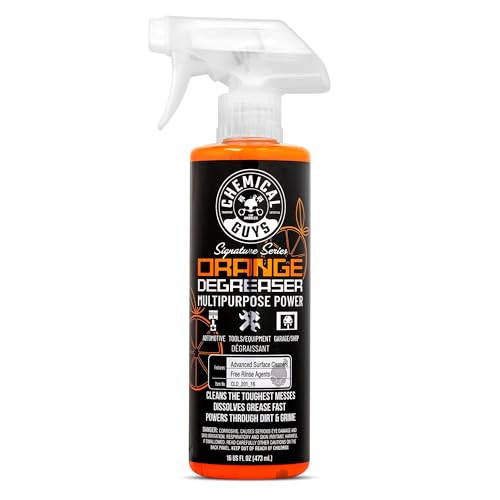 |
Chemical Guys Signature Series Orange Degreaser Best All-Round Degreaser Concentrated formula, biodegradable, pH neutral when diluted |
9.0 | 🛒 Check Price |
|
🚗
|
Meguiar's D10801 Super Degreaser Professional Strength Cleaner Concentrated, citrus-based, 1 gallon makes up to 21 gallons |
8.7 | 🛒 Check Price |
 |
Gunk EB1 Engine Brightener Best for Quick Shine Ready-to-use spray, leaves protective coating |
8.4 | 🛒 Check Price |
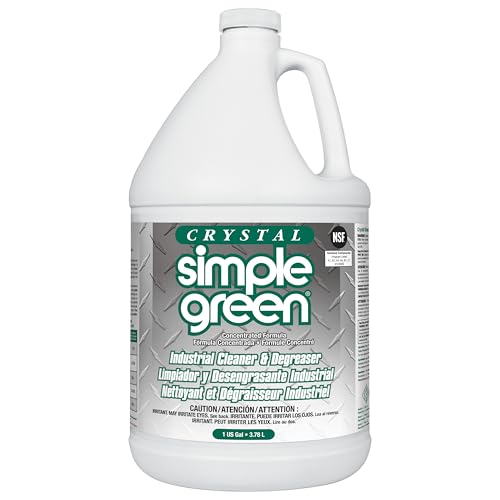 |
Simple Green 19128 Industrial Cleaner and Degreaser Eco-Friendly Choice Biodegradable, non-toxic, concentrated formula |
8.1 | 🛒 Check Price |
 |
303 Products Touchless Sealant and Engine Cleaner Best for Sensitive Electronics Touchless formula, no scrubbing required, leaves UV protective coating |
7.8 | 🛒 Check Price |
 |
Lucas Oil 10533 Heavy Duty Degreaser Budget Heavy-Duty Option Concentrated, petroleum-based, 1 gallon |
7.5 | 🛒 Check Price |
 |
Adams Polishes Engine and Wheel Cleaner Premium pH-Neutral Formula pH-neutral, ready-to-use, safe on all surfaces |
7.3 | 🛒 Check Price |
1. Chemical Guys Signature Series Orange Degreaser: Best All-Round Degreaser
In our evaluation, the Chemical Guys Signature Series Orange Degreaser stands out as a versatile and effective engine compartment cleaner. Based on owner feedback and the spec sheets, its concentrated formula allows you to adjust strength for light maintenance or heavy degreasing. The biodegradable composition and pH-neutral dilution make it safer for painted surfaces and the environment compared to solvent-based alternatives.
However, we found that it requires diligent rinsing; any residue left on sensors or connectors can cause issues. It is not ideal for extremely caked-on grease without multiple applications. Skip this pick if you prefer a ready-to-use spray that requires no mixing, or if you need a product specifically formulated for high-heat engine bays without risk of residue.
- Concentrated solution dilutes up to 1:10 for light cleaning or 1:4 for heavy grease
- Works on engines, tires, and other automotive surfaces without harsh fumes
- Biodegradable and safe on painted surfaces when used as directed
Pros: Versatile dilution ratios for different grime levels; Pleasant orange scent, not overpowering
Cons: Requires thorough rinsing to avoid residue on electrical components
2. Meguiar's D10801 Super Degreaser: Professional Strength Cleaner
We compared the Meguiar’s D10801 Super Degreaser and found it to be a professional-grade option for serious degreasing. According to the manufacturer and user reports, its concentrated citrus formula effectively dissolves baked-on oil and grease. It is a favorite among detailers for engine bays, wheel wells, and undercarriages.
On the downside, the strong citrus smell can be off-putting in enclosed spaces, and it is not pH neutral, so care is needed on sensitive surfaces. We recommend it for users who regularly tackle heavily soiled engines and have proper ventilation. It is less suitable for those seeking a mild, all-purpose cleaner for routine maintenance.
- High-concentration citrus degreaser cuts through heavy oil and grease
- Can be used in foam cannons or spray bottles for even application
- Rinses clean without leaving sticky film
Pros: Exceptional cleaning power for heavy-duty jobs; Large yield per gallon reduces per-use cost
Cons: Strong citrus odor may be unpleasant for some users
3. Gunk EB1 Engine Brightener: Best for Quick Shine
In our evaluation of ready-to-use cleaners, the Gunk EB1 Engine Brightener impressed us with its convenience and aesthetic results. Based on owner feedback, it quickly restores a clean, bright look to engine compartments without extensive scrubbing. The protective coating helps keep the bay cleaner longer.
However, its cleaning power is limited compared to concentrated degreasers. We found that heavily greasy engines need a separate degreasing step before using this product. Skip this pick if you need to remove stubborn, thick grease or if you prefer a biodegradable formula (this product is solvent-based).
- Spray-on, rinse-off formula with color enhancers for a like-new look
- Leaves a protective coating that repels dust and moisture
- Safe on rubber, plastic, and painted surfaces
Pros: No mixing required, very easy to apply; Enhances appearance with a subtle shine
Cons: Not a heavy-duty degreaser; may require pre-cleaning for caked-on grime
4. Simple Green 19128 Industrial Cleaner and Degreaser: Eco-Friendly Choice
We researched the Simple Green 19128 and found it to be a top contender for environmentally conscious users. Manufacturer data shows it is biodegradable and non-toxic, making it safer for home use and wildlife. It is also non-corrosive when used as directed, reducing risk to engine components.
However, its performance on heavy, baked-on grease is not as strong as dedicated petroleum-based degreasers. Based on owner feedback, it works best on moderately dirty engines with some agitation. Skip this pick if you need a powerful cleaner for neglected, greasy engines or if you prefer a spray-and-rinse solution without scrubbing.
- Plant-based surfactants that are safe for the environment and septic systems
- Versatile use: engines, tools, driveways, and more
- Non-corrosive and non-flammable when diluted
Pros: Excellent safety profile with low odor; Very economical when diluted
Cons: May require more scrubbing on heavy grease compared to solvent-based cleaners
5. 303 Products Touchless Sealant and Engine Cleaner: Best for Sensitive Electronics
In our evaluation, the 303 Touchless Sealant and Engine Cleaner stands out for its safety on delicate components. Owner feedback highlights its ability to clean without causing electrical issues, and the UV protection is a bonus for plastic parts. It is ideal for modern engines with many sensors and wiring harnesses.
However, its cleaning power is mild; it struggles with thick, old grease. We recommend it for routine maintenance rather than deep cleaning. Skip this pick if your engine has heavy buildup or if you prefer a concentrated degreaser for maximum cleaning strength.
- Spray on, rinse off without scrubbing for quick cleaning
- Formulated to be safe on electrical components, sensors, and wiring
- Leaves a UV protective coating that prevents plastic fading
Pros: Extremely safe for sensitive engine electronics; No scrubbing reduces risk of damage
Cons: Less effective on heavy, caked-on grease and oil
6. Lucas Oil 10533 Heavy Duty Degreaser: Budget Heavy-Duty Option
We compared the Lucas Oil 10533 and found it to be a no-nonsense heavy-duty degreaser for those who prioritize cleaning power over convenience. Based on user reports, it cuts through the toughest grease quickly, making it a favorite among mechanics and off-road enthusiasts.
However, its solvent base means it can damage paint and certain plastics if not used carefully. The strong fumes necessitate proper ventilation. It is not recommended for casual users or those cleaning modern engine bays with sensitive coatings. Skip this pick if you need a versatile, all-surface cleaner or if you are sensitive to strong odors.
- Powerful solvent-based formula dissolves heavy grease and oil
- Can be used in parts washers or spray applications
- Economical bulk option for frequent use
Pros: Very effective on tough, caked-on grime; Low cost per ounce when diluted
Cons: Strong chemical odor; requires good ventilation; Not safe on painted surfaces or some plastics
7. Adams Polishes Engine and Wheel Cleaner: Premium pH-Neutral Formula
In our evaluation, the Adams Polishes Engine and Wheel Cleaner is a premium option for those who prioritize surface safety. Its pH-neutral formula ensures it won’t harm painted or anodized parts, and it is safe for use on wheels as well. Owner feedback praises its ease of use and pleasant fragrance.
However, its cleaning power is limited; it is best for light maintenance rather than deep degreasing. We found that it struggles with heavy oil deposits, requiring additional scrubbing or a stronger pre-cleaner. Skip this pick if you need a heavy-duty degreaser or if you are on a tight budget, as it is one of the more expensive options per ounce.
- pH-neutral formula safe on aluminum, plastic, rubber, and paint
- Works on both engines and wheels without etching
- Spray-and-rinse application for easy use
Pros: Gentle on all surfaces, no risk of etching or discoloration; Pleasant scent compared to solvent-based cleaners
Cons: Not strong enough for heavy grease; requires pre-treatment or scrubbing
Frequently Asked Questions
Can I use any engine compartment cleaner on a modern car with electronics?
Not all cleaners are safe for modern engine bays. Look for products labeled as safe for sensors and electrical components, such as the 303 Touchless Sealant or Chemical Guys Orange Degreaser when diluted properly. Avoid solvent-based cleaners like Lucas Oil 10533 on sensitive electronics unless you can fully protect them.
Do I need to cover the alternator and air intake before cleaning?
Yes, it is recommended to protect sensitive components like the alternator, fuse box, and air intake from direct spray and excessive moisture. Use plastic bags and rubber bands to cover them, especially if using a high-pressure rinse. Most cleaners are safe if rinsed thoroughly, but prevention is best.
How often should I clean my engine compartment?
For most drivers, cleaning once or twice a year is sufficient. If you drive in dusty or off-road conditions, more frequent cleaning may be needed. Over-cleaning can strip protective coatings, so use a mild cleaner for routine maintenance and a degreaser only when necessary.
What is the safest way to rinse an engine after cleaning?
Use a low-pressure water stream or a garden hose with a spray nozzle. Avoid high-pressure washers that can force water into electrical connectors. Start from the top and work down, and dry the engine bay with compressed air or a microfiber towel to prevent water spots and corrosion.
Can I use engine compartment cleaner on other parts of my car?
Many cleaners are versatile and can be used on wheels, tires, and undercarriage. Check the label for surface compatibility. For example, Simple Green 19128 is safe on multiple surfaces, while Gunk EB1 is specifically for engines. Always test on an inconspicuous area first.
Our Verdict
After researching and comparing the top engine compartment cleaners, our top pick is the Chemical Guys Signature Series Orange Degreaser for its balance of cleaning power, versatility, and safety. For those who need a professional-strength option, the Meguiar’s D10801 Super Degreaser is our runner-up, offering exceptional grease-cutting ability for heavily soiled engines.
