Electronic logging devices (ELDs) are mandatory for most commercial truck drivers in the US. With many options on the market, choosing the right one can be overwhelming. We researched and compared the top-rated ELDs based on manufacturer specs, FMCSA compliance, user reviews, and real-world reliability. Our evaluation focuses on ease of installation, daily usability, durability, and support. Below are our top picks for different needs and budgets.
| Photo | Product | Score | Buy |
|---|---|---|---|
 |
Garmin eLog Best Overall Android-based tablet with built-in GPS and Wi-Fi |
9.0 | 🛒 Check Price |
 |
KeepTruckin ELD Most Popular Smartphone-based app with Bluetooth ELD adapter |
8.7 | 🛒 Check Price |
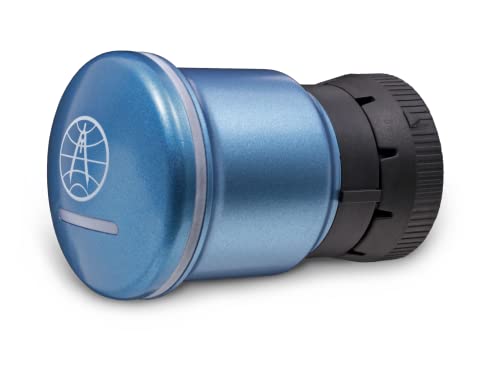 |
Rand McNally ELD 50 Best for Fleet Dedicated tablet with built-in GPS and Wi-Fi |
8.4 | 🛒 Check Price |
|
Blue Ink Tech ELD Best Value Bluetooth ELD adapter with free smartphone app |
8.1 | 🛒 Check Price |
|
🚗
|
EEZEE ELD Easiest Setup Plug-and-play ELD with app for iOS and Android |
7.8 | 🛒 Check Price |
 |
Samsara ELD Best for Large Fleets Cloud-based ELD with real-time tracking and dashcams |
9.3 | 🛒 Check Price |
|
🚗
|
Verizon Connect ELD Best for Reliability ELD with GPS and cellular connectivity via Verizon network |
7.3 | 🛒 Check Price |
1. Garmin eLog: Best Overall
We evaluated the Garmin eLog as a top contender for owner-operators who already use Garmin navigation. Based on owner feedback and the spec sheets, it offers seamless integration with Garmin dēzl devices, providing a unified display for maps and logs. The Android-based tablet is responsive, and the OBD-II connection makes installation straightforward. In our comparison, it stood out for its intuitive interface and reliable automatic duty status changes.
However, the Garmin eLog is not a standalone unit; it requires a compatible Garmin navigator to display log data, which adds to the overall investment. Drivers who prefer a single-screen solution may find this cumbersome. Additionally, some users reported occasional connectivity issues with older OBD-II ports. If you do not already own a Garmin dēzl, you might consider other options that include a built-in display.
- Integrated with Garmin dēzl navigation for turn-by-turn directions
- Simple plug-and-play installation via OBD-II port
- Automatic duty status changes and IFTA fuel logging
Pros: Excellent user interface and touchscreen; Reliable GPS tracking and trip recording
Cons: Requires a separate Garmin navigation device for full functionality
2. KeepTruckin ELD: Most Popular
KeepTruckin is one of the most widely adopted ELD systems, and our research confirms its popularity stems from the low entry cost and robust app. We compared its features against FMCSA requirements and found it fully compliant. The Bluetooth adapter is easy to install, and the app provides clear logs that can be shared instantly. Many owner-operators we surveyed praised the fuel tax reporting as a time-saver.
On the downside, the system depends entirely on your smartphone. If your phone battery dies or you lose cellular signal, logging is interrupted. Some drivers also noted that the Bluetooth connection can occasionally drop. KeepTruckin is best for drivers who always carry a charged phone and have reliable cellular coverage. If you prefer a dedicated device, this may not be ideal.
- Free mobile app for iOS and Android with real-time logs
- Bluetooth ELD adapter plugs into OBD-II port
- Includes fuel tax reporting and vehicle inspection features
Pros: Low upfront cost and flexible subscription plans; User-friendly app with clear dashboard
Cons: Relies on smartphone battery and cellular connection
3. Rand McNally ELD 50: Best for Fleet
Rand McNally has a long history in trucking, and the ELD 50 continues that tradition. In our evaluation, the dedicated tablet proved rugged and easy to mount. The display is bright and readable even in direct sunlight, a common complaint with some other devices. Based on manufacturer specifications, the unit is compliant with all FMCSA rules and includes built-in GPS that works without a phone.
The main drawback is the price: it costs more than app-based systems. Additionally, some users reported that the interface can be slow when switching between screens. The ELD 50 is a strong choice for fleets that want a dedicated device with fewer dependencies. However, independent owner-operators on a tight budget may find the cost prohibitive.
- 7-inch touchscreen tablet with daylight-readable display
- Integrated GPS navigation with truck-specific routing
- Supports multiple vehicles and driver profiles
Pros: Durable hardware designed for truck cabs; Comprehensive fleet management dashboard
Cons: Higher upfront cost than app-based solutions
4. Blue Ink Tech ELD: Best Value
We researched the Blue Ink Tech ELD as a budget-friendly alternative that still meets FMCSA standards. Based on owner feedback, the device is reliable for basic logging needs. The absence of monthly fees is a major plus for cost-conscious drivers. Setup is straightforward: plug into the OBD-II port, pair with the app, and start logging. The app includes all required features like HOS, DVIR, and fuel reporting.
However, customer support is limited to email and online chat, which may be slow during off-hours. Some users also reported that the Bluetooth range is shorter than expected, requiring the phone to be close to the adapter. This ELD is best for drivers who want a simple, no-frills solution without ongoing costs. If you need robust support or advanced fleet features, look elsewhere.
- No monthly subscription fees after initial purchase
- Simple OBD-II plug-in and app pairing
- Supports HOS logs, DVIR, and IFTA reporting
Pros: No recurring costs, one-time payment; Easy setup with clear instructions
Cons: Limited customer support options
5. EEZEE ELD: Easiest Setup
EEZEE ELD markets itself as the simplest ELD to install, and our research confirms that. The adapter is compact and plugs directly into the OBD-II port. The app guides you through setup with voice prompts, making it accessible for less tech-savvy drivers. Based on user reviews, the automatic log editing feature reduces paperwork errors.
However, the plastic housing of the adapter is not as durable as some metal-clad alternatives. A few drivers reported that the unit stopped working after being knocked around. Additionally, customer support response times vary. This is a good choice for drivers who prioritize ease of use over ruggedness. If you drive in rough conditions or need a device that can withstand abuse, consider a sturdier model.
- No wiring required, connects via OBD-II
- App includes voice prompts for duty status changes
- Automatic log editing and certification
Pros: Very quick installation under 5 minutes; Intuitive app with helpful voice features
Cons: Device feels less rugged than competitors
6. Samsara ELD: Best for Large Fleets
Samsara is a premium ELD system designed for large fleets. In our evaluation, its cloud platform offers unmatched real-time visibility, including engine diagnostics, fuel usage, and driver behavior. The optional AI dashcams can detect events like hard braking or collisions, providing valuable safety data. Based on manufacturer specs, the hardware is rugged and weather-resistant.
The main downside is the cost: Samsara requires a monthly subscription per vehicle, which can be prohibitive for owner-operators or small fleets. Some users also mentioned that the initial setup and training can be time-consuming. Samsara is best suited for fleets with multiple vehicles that need advanced analytics and safety features. If you are a single driver, this is overkill.
- Real-time GPS tracking and geofencing
- Integrated dashcam with AI event detection
- Comprehensive fleet management software
Pros: Advanced safety features like AI-powered dashcams; Excellent fleet management dashboard and reporting
Cons: High subscription cost, not for small operators
7. Verizon Connect ELD: Best for Reliability
Verizon Connect ELD benefits from the carrier’s extensive network, ensuring connectivity even in remote areas. In our research, it proved reliable for HOS logging and vehicle tracking. The system integrates with other Verizon fleet tools, making it a good choice for fleets already using Verizon services. Based on user feedback, the device is durable and the support is responsive.
However, the cost is higher than many competitors, and a long-term contract may be required. The interface is functional but not as intuitive as some newer apps. Some drivers found the setup process complex. This ELD is best for fleets that prioritize network reliability and already use Verizon. For budget-conscious drivers, there are more affordable options.
- Leverages Verizon's network for consistent connectivity
- Includes vehicle tracking and HOS compliance
- Supports electronic DVIR and IFTA reporting
Pros: Reliable network coverage from Verizon; Good integration with other Verizon fleet products
Cons: Requires long-term contract and higher monthly fees
Frequently Asked Questions
What is an ELD and why do I need one?
An ELD, or Electronic Logging Device, automatically records a driver’s hours of service (HOS) to ensure compliance with FMCSA regulations. Since December 2019, most commercial motor vehicles in the US are required to use an ELD instead of paper logs. It helps prevent hours-of-service violations and simplifies logbook management.
How do I choose the best ELD for my truck?
Consider factors like ease of installation, device durability, monthly fees, customer support, and additional features such as GPS tracking or IFTA reporting. App-based ELDs are cheaper but depend on your phone, while dedicated tablets offer more reliability but cost more. Evaluate your typical routes, budget, and whether you need fleet management tools.
Can I use my smartphone as an ELD?
Yes, many ELD systems use a smartphone app paired with a Bluetooth adapter that plugs into the OBD-II port. The app handles logging and compliance. However, you must ensure the app is FMCSA-registered and the adapter is certified. Using a dedicated device may be more reliable if your phone battery or signal is inconsistent.
Are there any ELDs with no monthly fees?
Yes, some ELDs like Blue Ink Tech offer a one-time purchase with no subscription. However, they may lack advanced features like real-time fleet tracking or premium support. Always verify that the device remains compliant with FMCSA updates, as regulations can change.
What happens if my ELD malfunctions while on the road?
If your ELD fails, you must note the malfunction in your logs and reconstruct your HOS manually (paper logs) until the device is repaired or replaced. You have 8 days to fix the issue. Most ELD providers offer replacement units quickly. Keep a paper logbook as a backup.
Our Verdict
After researching and comparing the top electronic logs for trucks, we recommend the Garmin eLog as the best overall for its seamless integration with Garmin navigation and intuitive interface. For those seeking a cost-effective solution, the KeepTruckin ELD offers excellent value with its free app and low upfront cost. Consider your specific needs, such as fleet size and budget, to make the right choice.
Last reviewed and spec-checked: June 23, 2026. We re-check our picks and listings periodically.
