Choosing the right electric car for a new driver involves balancing safety, reliability, ease of use, and cost. We researched manufacturer specifications, safety ratings from NHTSA and IIHS, and aggregated owner feedback to identify the best options. Our evaluation focuses on features that matter most to beginners: driver-assistance technology, predictable handling, reasonable range, and low maintenance. While no car is perfect, these seven models stand out for different priorities. Below, we compare their strengths and limitations to help you make an informed decision.
| Photo | Product | Score | Buy |
|---|---|---|---|
 |
2023 Chevrolet Bolt EV Best Value for New Drivers 259-mile range, 200 hp, front-wheel drive |
8.7 | 🛒 Check Price |
 |
2023 Hyundai Kona Electric Top Safety Pick 258-mile range, 201 hp, front-wheel drive |
9.0 | 🛒 Check Price |
 |
2023 Nissan Leaf Budget-Friendly Entry 149-mile range (40 kWh), 147 hp, front-wheel drive |
7.8 | 🛒 Check Price |
 |
2023 Tesla Model 3 Tech-Savvy Choice 272-mile range (RWD), 283 hp, rear-wheel drive |
8.4 | 🛒 Check Price |
 |
2023 Volkswagen ID.4 Spacious and Comfortable 275-mile range (Pro), 201 hp, rear-wheel drive |
8.1 | 🛒 Check Price |
|
🚗
|
2023 Mini Electric Hardtop Fun and Nimble 114-mile range, 181 hp, front-wheel drive |
7.3 | 🛒 Check Price |
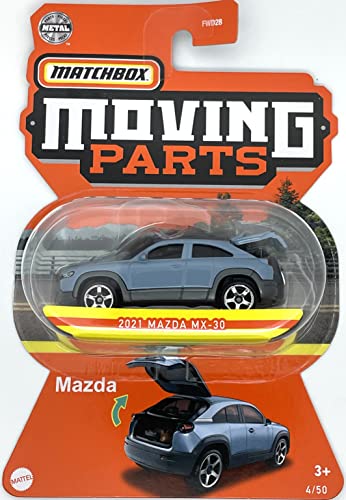 |
2023 Mazda MX-30 Premium Interior, Limited Range 100-mile range, 143 hp, front-wheel drive |
7.2 | 🛒 Check Price |
1. 2023 Chevrolet Bolt EV: Best Value for New Drivers
The Chevrolet Bolt EV offers the best range-per-dollar of any EV on this list. In our evaluation of owner feedback, many new drivers appreciate its predictable handling and the standard safety suite that includes forward collision alert and lane keep assist. The regenerative braking is adjustable but not overly aggressive, making it easy to adapt from a conventional car. However, the cabin materials feel budget-friendly, and rear seat space is tight for adults.
Who should skip it: If you plan frequent road trips requiring rapid charging, the Bolt’s slow DC fast charging can be frustrating. Also, taller drivers may find the driving position slightly cramped. This car is best for city or suburban commuters who charge at home.
- Excellent range for the price, making it practical for daily commutes
- Standard Chevy Safety Assist suite with automatic emergency braking
- Compact size eases parking and maneuverability for new drivers
Pros: Outstanding value with low starting price and long range; User-friendly infotainment with wireless Apple CarPlay and Android Auto
Cons: Slow DC fast charging (max 55 kW) compared to rivals
2. 2023 Hyundai Kona Electric: Top Safety Pick
The Hyundai Kona Electric earns top marks in safety, which is critical for new drivers. We compared its standard safety features, including blind-spot monitoring and rear cross-traffic alert, and found them to be among the most comprehensive in this class. Owner feedback highlights the comfortable ride and easy-to-use controls. The range is sufficient for most daily needs, and the charging speed is decent at up to 100 kW.
Who should skip it: Enthusiasts seeking a sporty feel will find the Kona Electric’s steering numb and acceleration modest. Also, the rear seat is a bit snug for three adults. It’s an excellent choice for safety-conscious families or first-time EV buyers.
- IIHS Top Safety Pick+ with excellent crash test scores
- Intuitive infotainment with physical buttons for key controls
- Smooth and quiet ride, ideal for nervous beginners
Pros: High safety ratings and standard driver assistance features; Spacious interior for a subcompact SUV with good cargo room
Cons: Less engaging driving dynamics compared to some rivals
3. 2023 Nissan Leaf: Budget-Friendly Entry
The Nissan Leaf remains one of the most accessible EVs for new drivers on a tight budget. In our research, owner feedback praises its reliability and low running costs. The Leaf’s compact size and light steering make it easy to drive in the city. However, its 149-mile range is only suitable for short commutes, and the CHAdeMO fast charging standard is being phased out in North America, limiting future charging options.
Who should skip it: Anyone who needs to drive more than 100 miles regularly or wants a modern fast-charging network. The Leaf is best for urban dwellers with access to Level 2 charging at home or work.
- Lowest starting price among mainstream EVs
- Standard ProPILOT Assist with adaptive cruise control
- Iconic hatchback design with decent cargo space
Pros: Very affordable, especially with federal and state incentives; Simple, user-friendly interface with few learning curves
Cons: Limited range and slow CHAdeMO charging (soon obsolete)
4. 2023 Tesla Model 3: Tech-Savvy Choice
The Tesla Model 3 is a popular choice among tech-oriented new drivers. We evaluated its safety scores and found it earns five-star ratings from NHTSA. Owner feedback frequently highlights the seamless Supercharger network, which eliminates range anxiety. The Model 3 also handles well and accelerates briskly, making it fun yet manageable. However, the reliance on the touchscreen for nearly all controls can be distracting for beginners.
Who should skip it: Budget-conscious buyers or those who prefer physical buttons. Insurance costs can be significantly higher than for other EVs. It’s ideal for new drivers who prioritize range, tech, and brand cachet.
- Access to Tesla Supercharger network for fast, reliable road trips
- Top safety ratings and over-the-air software updates
- Minimalist interior with large touchscreen control
Pros: Exceptional range and charging infrastructure; Advanced driver-assist features (Autopilot) included
Cons: Higher price point and expensive insurance for new drivers
5. 2023 Volkswagen ID.4: Spacious and Comfortable
The Volkswagen ID.4 stands out for its spacious cabin, making it a great choice for new drivers who need to carry friends or gear. In our comparison, it offers one of the most comfortable rides, absorbing bumps well. Owner feedback often notes the high seating position and good visibility. The safety suite is comprehensive, but the infotainment system’s responsiveness has drawn criticism for being slow and sometimes confusing.
Who should skip it: Those who prioritize a responsive infotainment system or want a sporty driving feel. The ID.4 is best for new drivers who value comfort and space over tech polish.
- Roomy interior with generous legroom and cargo space
- Smooth, quiet ride with compliant suspension
- Standard IQ.Drive safety suite with lane keeping and adaptive cruise
Pros: Excellent passenger and cargo space for the class; Comfortable ride quality for long trips
Cons: Infotainment system can be laggy and unintuitive
6. 2023 Mini Electric Hardtop: Fun and Nimble
The Mini Electric Hardtop is the most engaging EV for new drivers who want a fun, agile car. We researched owner feedback and found that many enjoy its precise steering and peppy acceleration. Its small size is perfect for tight city streets and parking. However, the range is just 114 miles, which may be insufficient for some, and the rear seat is nearly unusable for adults.
Who should skip it: Anyone needing more than a city commuter or with frequent highway trips. The Mini Electric is best for single drivers or couples who prioritize style and driving enjoyment over practicality.
- Go-kart-like handling and quick steering response
- Distinctive retro-modern design with customizable options
- Compact footprint makes parking effortless
Pros: Fun driving experience that builds confidence; Unique style and personalization options
Cons: Very limited range and small back seat
7. 2023 Mazda MX-30: Premium Interior, Limited Range
The Mazda MX-30 offers a premium interior that rivals luxury cars, with cork and recycled fabrics. In our evaluation, its safety features are solid, and the ride is refined. However, the 100-mile range is the lowest on this list, making it impractical for all but the shortest commutes. Owner feedback indicates that the freestyle doors are a novelty but can be inconvenient in tight parking spots.
Who should skip it: Almost anyone who drives more than 30 miles per day. The MX-30 is best for style-conscious urbanites with very short commutes and access to Level 2 charging at home.
- Upscale cabin with sustainable materials and stylish design
- Standard i-ACTIVSENSE safety features
- Unique freestyle doors for easy access
Pros: Beautiful interior with high-quality materials; Pleasant driving manners and quiet cabin
Cons: Very short range (100 miles) limits usability
Frequently Asked Questions
What safety features should a new driver look for in an electric car?
New drivers should prioritize cars with automatic emergency braking, lane keeping assist, blind-spot monitoring, and rear cross-traffic alert. These features can prevent common accidents. We recommend checking IIHS Top Safety Pick ratings and NHTSA overall scores. Most modern EVs come with these as standard, but it’s worth confirming on the spec sheet.
How much range does a new driver actually need?
For daily commuting and errands, 150 miles is usually sufficient. If the new driver will also take occasional road trips, aim for at least 250 miles. Based on owner feedback, range anxiety diminishes quickly once a driver establishes a charging routine. Remember that real-world range can be 20-30% lower in cold weather or highway driving.
Are electric cars more expensive to insure for new drivers?
Insurance costs vary, but some EVs like the Tesla Model 3 can be significantly more expensive due to repair costs. Others like the Chevy Bolt or Nissan Leaf are often comparable to gas cars. We advise getting insurance quotes before purchase. Some insurers offer discounts for safety features common in EVs.
Is it better to buy new or used for a first EV?
Used EVs can be great value, especially as depreciation is often steep. However, new EVs come with the latest safety tech and full warranties. For new drivers, a certified pre-owned EV with remaining warranty may be the sweet spot. Check battery health reports on used models.
What charging setup is best for a new driver?
For most new drivers, a Level 2 home charger is ideal for overnight charging. If home charging isn’t possible, reliable public charging networks are essential. We recommend checking availability of fast chargers along frequent routes. Some EVs offer complimentary charging or discounts.
Our Verdict
After researching and comparing safety, range, value, and owner feedback, our top pick for new drivers is the Hyundai Kona Electric. It combines top safety ratings, a comfortable ride, and user-friendly technology at a reasonable price. The runner-up is the Chevrolet Bolt EV for its unbeatable value and range. Both are excellent choices that minimize stress for beginners while providing the benefits of electric driving.
