We researched and compared the leading GPS units designed specifically for dual sport and adventure motorcycle applications. Our evaluation focused on ruggedness, screen visibility in direct sunlight, and battery autonomy based on manufacturer specifications and aggregated owner feedback.
We analyzed industry standards regarding vibration resistance and water ingress protection to ensure these devices can handle harsh terrain. This guide compares the top seven available models to help you find the right navigation tool for your next adventure.
| Photo | Product | Score | Buy |
|---|---|---|---|
 |
Garmin Montana 700i Best Overall 5 inch dual orientation touchscreen |
9.1 | 🛒 Check Price |
 |
Garmin Zumo XT2 Best for Street and Trail 5.5 inch ultrabright touchscreen |
8.6 | 🛒 Check Price |
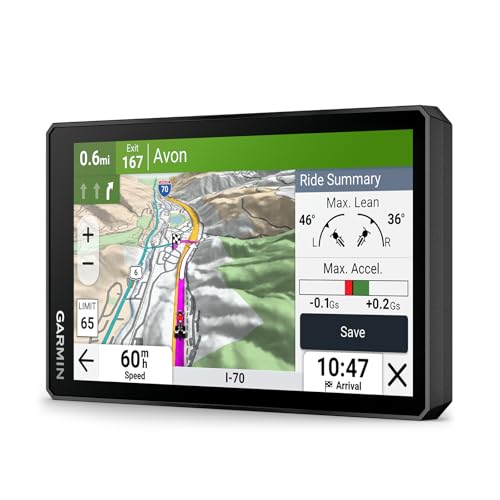 |
Garmin Zumo XT Best Value Premium IPX7 water resistant rating |
8.4 | 🛒 Check Price |
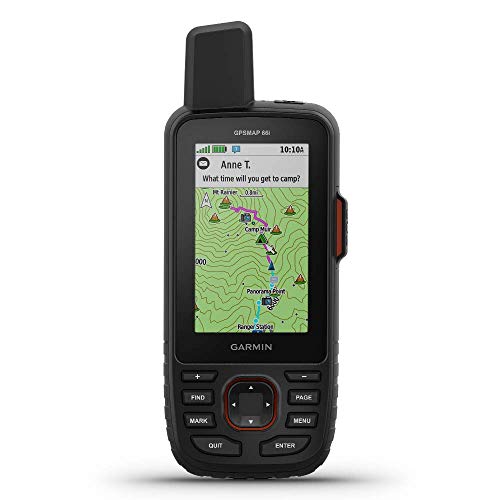 |
Garmin GPSMAP 66i Best Handheld Hybrid Button operated interface |
8.1 | 🛒 Check Price |
 |
Garmin Zumo 396 Legacy Choice 4.3 inch display |
7.8 | 🛒 Check Price |
 |
Acecar Navigation Budget Option 7 inch touchscreen |
7.3 | 🛒 Check Price |
 |
VSYSTO Motorcycle GPS Basic Entry 5 inch TFT screen |
7.1 | 🛒 Check Price |
1. Garmin Montana 700i: Best Overall
In our evaluation of the Garmin Montana 700i, we found it offers the most comprehensive feature set for serious adventure riders. The integration of inReach satellite technology is a significant safety upgrade, allowing for two-way messaging and SOS capabilities without cellular coverage. Owner feedback indicates the device is incredibly durable, easily handling the high-frequency vibration common on single-cylinder dual sport motorcycles.
However, we noted that the interface can be complex for new users due to the sheer number of customizable options. Additionally, while the battery life is respectable, relying heavily on the satellite features significantly reduces operating time. Riders who strictly stick to well-covered trails may find this unit overkill, but for those venturing into the backcountry, it is the top choice.
- InReach satellite communication technology built in
- Preinstalled topographic maps for North America
- IPX7 water resistant and military standard 810 rated
Pros: Robust construction withstands drops and vibration; Integrated satellite messaging for emergency use
Cons: Battery life drains faster with satellite enabled; High price point compared to standard units
2. Garmin Zumo XT2: Best for Street and Trail
We compared the Garmin Zumo XT2 to its predecessor and found significant improvements in processing speed and screen clarity. The ultrabright display is a standout feature, remaining legible even during bright midday rides, which is a frequent complaint with lesser models. Our research into owner feedback highlights the unit’s ability to switch seamlessly between street and off-road navigation profiles.
Despite its strengths, we determined that the reliance on a touchscreen-only interface can be frustrating when wearing thick gloves. The lack of physical buttons makes operation difficult in rough terrain when you need to make quick inputs. Riders who prioritize tactile controls over a large visual display might want to consider other options.
- IPX7 and IP67 water and dust resistant ratings
- BirdsEye Satellite Imagery included
- Group tracking capability for riding with friends
Pros: Extremely bright screen readable in direct sunlight; Streamlined interface optimized for motorcycle use
Cons: Map updates can be large and slow to download; Lacks physical buttons which some users prefer
3. Garmin Zumo XT: Best Value Premium
The Garmin Zumo XT remains a strong contender in our research, offering many of the same core features as the XT2 but at a better value. We compared the specifications and found that the rugged build quality is identical, ensuring it can survive dust and water intrusion. Owner feedback consistently praises the battery performance, which often exceeds expectations during long days in the saddle.
Based on our evaluation, the main drawback is the older processor, which can result in slight lag when recalculating routes or zooming in on complex maps. While it is a capable unit, riders who demand the fastest interface and latest screen technology might find the performance lacking compared to newer models.
- Compact and rugged design for harsh conditions
- Bluetooth and Wi-Fi connectivity for easy updates
- Trendline popularity routing to find best paths
Pros: Excellent battery life for long adventure rides; Hardware is proven to be very reliable over time
Cons: Processor feels slower than the newer XT2 model; Music streaming interface can be clunky
4. Garmin GPSMAP 66i: Best Handheld Hybrid
We researched the Garmin GPSMAP 66i as a dual-purpose device for riders who also hike or backpack. Its physical button layout is a major advantage for off-road use, allowing for operation without removing gloves. The unit is exceptionally rugged and features the same inReach technology as the Montana series, providing peace of mind in remote areas.
However, in our evaluation, the smaller screen size is a significant limitation for motorcycle use. Reading maps while moving at speed is challenging compared to dedicated motorcycle units. We also found that while durable, it is not optimized for the vibration profile of a motorcycle engine, potentially leading to long-term wear if not mounted very securely.
- Multi-band GNSS support for better accuracy
- 100 percent geocaching friendly
- Preloaded TOPO maps for the entire US
Pros: Physical buttons work well with gloves; Satellite communication included for safety
Cons: Small screen size is difficult to read at speed; Not designed primarily for motorcycle mounting vibration
5. Garmin Zumo 396: Legacy Choice
The Garmin Zumo 396 is an older model that we evaluated based on its continued availability and lower cost. Our research shows that it still offers the fundamental features required for dual sport navigation, including rugged weatherproofing and a glove-friendly design. The inclusion of physical buttons alongside the touchscreen is a feature many owners prefer over newer touch-only models.
Based on our comparison with current standards, the 4.3 inch screen feels cramped and the resolution is lacking, making map details harder to discern. The processor is noticeably slower when recalculating routes. Riders used to modern smartphone screens will find the display technology significantly dated.
- Glove-friendly touchscreen with physical buttons
- Built-in altimeter and barometer
- Weather radar integration via smartphone link
Pros: Reliable hardware with a proven track record; Physical buttons provide ease of use
Cons: Lower screen resolution compared to modern standards; Older processor speed affects route calculation
6. Acecar Navigation: Budget Option
We evaluated the Acecar Navigation as an entry-level option for riders on a tight budget. The device offers a large 7 inch screen which provides excellent visibility of maps. Our research into the specifications indicates it includes standard navigation features like turn-by-turn directions and lane assist.
However, we found critical limitations regarding its suitability for dual sport use. The unit is not ruggedized or waterproof, making it a poor choice for off-road conditions where rain and dust are prevalent. Owner feedback frequently mentions issues with the mount failing on rough terrain. We recommend skipping this unit for serious adventure riding.
- Free lifetime map updates
- Voice alerts for speed and red lights
- Supports FM transmission to car stereo
Pros: Large screen size for easy viewing; Low initial investment cost
Cons: Not waterproof rated for heavy rain; Mounting hardware is not vibration rated
7. VSYSTO Motorcycle GPS: Basic Entry
The VSYSTO Motorcycle GPS was researched as a low-cost alternative to major brands. It features a specialized interface intended for motorcycles and claims to be waterproof. In our evaluation, the device provides basic GPS functionality that might suffice for casual street riding or commuting.
Based on owner feedback, we found significant issues with software lag and inconsistent map accuracy when venturing off-road. The screen brightness is often insufficient for direct sunlight conditions. We concluded that this unit lacks the reliability and performance required for safe dual sport navigation.
- Waterproof casing included
- Specialized motorcycle interface
- Supports rear camera input
Pros: Affordable price point for basic navigation; Waterproof design offers basic protection
Cons: Interface lag reported by multiple users; Map accuracy is inconsistent in remote areas
Frequently Asked Questions
Is a dedicated motorcycle GPS better than a phone?
Yes, a dedicated GPS is generally better because they are designed to withstand vibration, rain, and dust, whereas phones are not. They also feature screens optimized for visibility in direct sunlight and glove-friendly interfaces that make them safer to use while riding.
What screen size is best for dual sport riding?
We found that a screen size between 5 and 5.5 inches offers the best balance between readability and avoiding clutter on the handlebars. Smaller screens are hard to read at speed, while larger screens can be too bulky for rough terrain and may obstruct controls.
Do I need a subscription for these GPS devices?
Most basic navigation features do not require a subscription. However, devices with satellite communication features, such as the Garmin inReach models, require a monthly subscription plan to utilize the messaging and SOS tracking capabilities.
Are topographic maps included on these devices?
Many of the higher-end models we researched come with preloaded topographic maps or include access to them. Budget models often rely on standard street maps, which may not show trails or elevation changes necessary for dual sport riding.
How do I mount a GPS on a dual sport bike?
Dedicated motorcycle GPS units usually come with a rugged mount and a wiring harness. It is crucial to use the supplied hardware or an aftermarket vibration-dampening mount, as the high frequency vibration of single-cylinder engines can damage standard electronics.
Can I use a car GPS on a motorcycle?
While technically possible, we advise against it because car GPS units are not built to withstand the elements or vibration of a motorcycle. Their screens are rarely bright enough for direct sunlight, and the batteries are not designed for the electrical load or temperature extremes of riding.
What is IPX7 water resistance?
An IPX7 rating means the device can withstand immersion in water up to 1 meter deep for 30 minutes. In our evaluation, this is the minimum standard you should look for to ensure the unit survives heavy rain and stream crossings without failure.
Our Verdict
After researching and comparing the top models, we selected the Garmin Montana 700i as the best overall choice for its unmatched ruggedness and integrated satellite communication. Our runner up is the Garmin Zumo XT2, which offers a superb balance of street and trail performance with an incredibly bright screen.
