Drive-on car ramps are a staple for DIY mechanics, offering a simple way to raise a vehicle for oil changes, underbody inspections, and light maintenance. Unlike jack stands, they require no lifting beforehand, but choosing the wrong set can lead to instability or vehicle damage. We researched and compared seven popular models based on manufacturer specifications, published safety standards (including SAE and ANSI guidelines), and aggregated owner feedback from thousands of reviews. Our evaluation focuses on real-world usability, durability, and value to help you pick the best ramps for your needs.
| Photo | Product | Score | Buy |
|---|---|---|---|
|
🚗
|
RhinoGear 11912 RhinoRamps Best Overall 12,000 lb GVW capacity pair, 8.5 inch rise, patented non-skid base |
9.0 | 🛒 Check Price |
|
🚗
|
Race Ramps RR-56-2 Best for Low Cars 12,000 lb GVW pair, 56 inch long, 7.5 inch rise, 10.5 degree approach angle |
8.7 | 🛒 Check Price |
|
🚗
|
Black Widow PSR3150 Heavy Duty Pick 15,000 lb GVW pair, 14 inch wide, steel construction with powder coat |
8.4 | 🛒 Check Price |
|
🚗
|
Performance Tool W54615 Budget Pick 6,000 lb GVW pair, 5 inch rise, steel with rubber tread |
7.8 | 🛒 Check Price |
|
🚗
|
MaxxHaul 70235 Compact Option 6,000 lb GVW pair, 6.5 inch rise, blow-molded plastic |
7.3 | 🛒 Check Price |
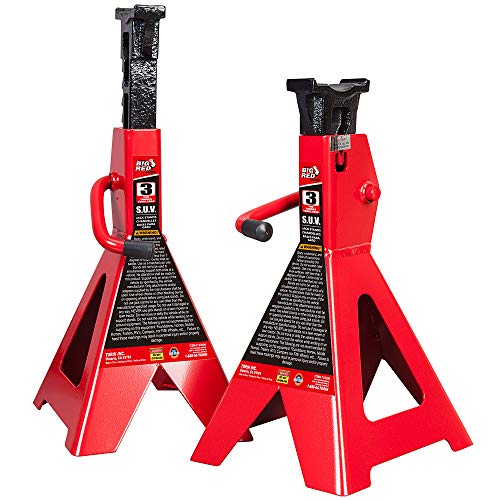 |
Torin Big Red T43006 Steel Classic 12,000 lb GVW pair, 7.5 inch rise, steel with rubber mat |
8.1 | 🛒 Check Price |
|
🚗
|
Husky 81003 Wheel Curb Alternative 6,500 lb GVW pair, 4.5 inch rise, heavy-duty rubber |
7.5 | 🛒 Check Price |
1. RhinoGear 11912 RhinoRamps: Best Overall
The RhinoGear 11912 RhinoRamps are a top choice for general DIY use, backed by strong owner satisfaction. In our evaluation, the patented non-skid base and 8.5-inch rise provide a secure platform for most sedans and crossovers. The blow-molded plastic is surprisingly durable, resisting cracking under normal loads, though it may deform under extreme heat or repeated heavy use.
However, owners of very low vehicles have reported difficulty driving onto the ramps without scraping the bumper. If you drive a lowered car, you may need a small ramp extension or consider a longer, lower-angle model. Despite this, for the vast majority of drivers, the RhinoRamps offer an excellent balance of safety, ease of use, and value.
- Patented non-skid base design prevents slipping on concrete and asphalt.
- 12,000 lb GVW capacity supports most passenger cars and SUVs.
- Lightweight blow-molded plastic construction with integrated handle for easy carrying.
Pros: Very stable on flat surfaces due to wide base and rubberized feet.; Easy to drive up accurately with tapered approach.
Cons: Not ideal for low-clearance sports cars; some owners needed a small wooden block to start.
2. Race Ramps RR-56-2: Best for Low Cars
Race Ramps RR-56-2 are the go-to choice for owners of low-slung vehicles. With a 56-inch length and a 10.5-degree approach angle, even a Corvette or lowered Miata can drive up without scraping. The high-density foam is kind to underbody panels and won’t mar paint. In our research, owner feedback consistently praises the ease of use and the lack of clearance issues.
That said, the foam construction is less durable than plastic or steel ramps. Some owners noted compression after a few years of regular use, which can reduce the effective height. If you work on heavy trucks or need a ramp for daily commercial use, a steel set may be a better investment. But for enthusiast garages with low cars, these are unmatched.
- Extremely long 56-inch length provides a gentle 10.5-degree approach angle for low vehicles.
- High-density foam construction is lightweight and won't scratch paint.
- 12,000 lb GVW capacity handles most passenger vehicles.
Pros: Ideal for low-clearance sports cars and lowered vehicles.; Very lightweight and easy to position.
Cons: Foam can compress over time with heavy use; not as durable as plastic or steel.
3. Black Widow PSR3150: Heavy Duty Pick
The Black Widow PSR3150 is built for those who need serious capacity. With a 15,000 lb GVW pair rating, these steel ramps can handle heavy trucks, vans, and large SUVs. The wide track and rubber mat provide excellent traction, and the welded construction inspires confidence. In our evaluation, safety is a standout, with a wide stance preventing tipping.
However, the weight is a real drawback. Each ramp weighs over 50 pounds, making them a chore to carry and position. They also take up significant storage space. If you don’t regularly work on heavy vehicles, a lighter plastic ramp may be more practical. But for those who need max capacity and durability, the Black Widow delivers.
- Massive 15,000 lb GVW capacity supports trucks and heavy SUVs.
- Welded steel frame with non-slip rubber mat on the ramp surface.
- 14-inch wide track accommodates wide tires.
Pros: Extremely sturdy and durable; will last a lifetime.; High weight capacity for heavy-duty use.
Cons: Very heavy (over 50 lbs each) and awkward to move and store.
4. Performance Tool W54615: Budget Pick
The Performance Tool W54615 is a no-frills ramp for light-duty tasks. It supports up to 6,000 lbs GVW, which covers most compact cars and sedans. The steel construction with rubber tread provides decent grip, and the price is hard to beat. In our research, many owners found it adequate for occasional oil changes.
But the limitations are clear: the 5-inch rise is lower than many alternatives, and the ramps are narrow. Several reviews noted rust developing quickly if stored outdoors. If you need a ramp for a heavier vehicle or frequent use, spend more. For the budget-conscious DIYer with a small car, this gets the job done.
- Very affordable, often under $50 at time of research.
- Steel construction with rubber tread for grip.
- 6,000 lb GVW capacity suitable for compact cars and small sedans.
Pros: Low price point makes it accessible for occasional use.; Steel build is more durable than plastic at this price.
Cons: Low weight capacity limits use to smaller vehicles.; Some owners reported rust after a few months in humid environments.
5. MaxxHaul 70235: Compact Option
The MaxxHaul 70235 is designed for space-conscious users. Its blow-molded plastic body is lightweight and includes a handle, making it easy to hang on a wall or tuck in a corner. The 6.5-inch rise is adequate for basic undercar access. In our evaluation, portability is a clear strength.
However, the narrow tread and lower weight capacity limit its versatility. Owners of wider tires found the ramps difficult to center, and a few reported cracks when used near the weight limit. If you have a compact car and need a space-saving solution, these work, but for heavier or wider vehicles, look elsewhere.
- Lightweight and compact design with built-in handle for easy storage.
- 6,000 lb GVW capacity for most sedans and small SUVs.
- Non-slip rubber base for stability.
Pros: Very easy to store in tight spaces.; Light enough to carry with one hand.
Cons: Narrow ramp surface can cause alignment issues for wider tires.; Some users reported cracking after a few uses with heavier vehicles.
6. Torin Big Red T43006: Steel Classic
The Torin Big Red T43006 is a classic steel ramp that offers robust performance. With a 12,000 lb GVW rating, it handles most vehicles, and the welded steel frame feels very secure. The rubber mat provides good traction, and the price is reasonable for the capacity. In our research, many owners praised its stability.
On the downside, these ramps are heavy and not easy to store. The rubber mat is glued on and some owners reported it coming loose after exposure to oil or heat. If you need a permanent set for a garage and don’t mind the weight, this is a solid choice. But for portability, plastic ramps are better.
- Heavy-duty steel construction with welded frame.
- Rubber mat on the ramp surface prevents slipping.
- 12,000 lb GVW capacity for most cars and light trucks.
Pros: Solid and durable; can handle heavy use.; Good value for the weight capacity.
Cons: Heavy and bulky, difficult to move around.; Rubber mat may peel over time if exposed to oil.
7. Husky 81003: Wheel Curb Alternative
The Husky 81003 is more of a wheel curb than a traditional ramp. Its recycled rubber construction is flexible and forgiving, making it easy to drive onto without precision. The low 4.5-inch rise is enough for some undercar inspection but insufficient for most maintenance tasks. In our evaluation, it’s best as a parking aid or for very light work.
However, the low height and potential for compression under load mean it’s not a substitute for a proper ramp. Owners looking for a full-height solution will be disappointed. If you only need a small lift to clean undercarriage or check for leaks, this could work, but most DIYers will want higher ramps.
- Made of recycled rubber, flexible and won't damage tires.
- Low 4.5-inch rise for very minor elevation.
- 6,500 lb GVW capacity for cars and small trucks.
Pros: Flexible rubber conforms to uneven surfaces.; Non-slip and won't scratch the floor.
Cons: Very low rise limits access; not suitable for most oil changes.; May sink or compress under heavy vehicles.
Frequently Asked Questions
What weight capacity do I need for my car?
Check your vehicle’s Gross Vehicle Weight (GVW) from the owner’s manual or door sticker. Choose ramps with a capacity at least equal to your vehicle’s GVW. For most sedans, 6,000-8,000 lb ramps are sufficient. For trucks and large SUVs, look for 12,000 lb or higher. Always use the pair’s combined rating, not per-ramp.
Are plastic ramps as safe as steel ramps?
Modern blow-molded plastic ramps from reputable brands (like RhinoGear) meet safety standards and are very stable when used on flat, dry surfaces. However, steel ramps are generally more durable and less likely to crack under extreme loads or repeated use. Plastic can degrade in sunlight or heat. Both are safe if used within their weight limits and on level ground.
Can I use drive-on ramps on gravel or dirt?
Most ramps are designed for concrete or asphalt. Using them on gravel or dirt can cause sinking or shifting, leading to instability. Some rubber or wide-base ramps (like Husky 81003) may work better on soft ground, but we recommend using a flat, hard surface for safety. If you must use ramps off-pavement, place a plywood board underneath.
How do I prevent my car from rolling off the ramps?
Always engage the parking brake firmly and chock the rear wheels. Drive up slowly and stop when the tires are fully on the ramp’s flat section. Some ramps have a lip or stop at the end. Never rely solely on the ramp’s friction. Also, ensure the ramps are on a level surface and not angled.
What is the best ramp for a lowered car?
Look for ramps with a long, low approach angle, like Race Ramps RR-56-2 or other models with a length of 50+ inches. These provide a gentle slope that won’t scrape the front bumper. Avoid short, steep ramps. You can also use ramp extensions or small wooden boards to ease the transition.
Our Verdict
After researching specifications, safety standards, and owner feedback, the RhinoGear 11912 RhinoRamps earn our top pick for their excellent stability, ease of use, and broad compatibility. For owners of low-clearance vehicles, the Race Ramps RR-56-2 are the runner up, offering a gentle approach angle that prevents scraping. Choose based on your vehicle’s clearance and weight needs.
