We researched and compared seven popular diesel fuel additives using manufacturer specifications, industry standards, and aggregated owner feedback. Our evaluation focuses on cetane boost, lubricity, deposit control, and cold-flow performance. While no single additive excels in every category, each has distinct strengths and real limitations that we detail below.
| Photo | Product | Score | Buy |
|---|---|---|---|
 |
Opti-Lube XPD Best Overall Cetane boost: 4-6 points; Treats 100 gallons per bottle |
9.0 | 🛒 Check Price |
 |
Power Service Diesel Kleen + Cetane Boost Best Value Cetane boost: 6-8 points; Treats 250 gallons per gallon |
8.7 | 🛒 Check Price |
 |
Lucas Oil 10013 Fuel Treatment Best for Lubricity Treats 300 gallons per gallon; Contains petroleum distillates |
8.4 | 🛒 Check Price |
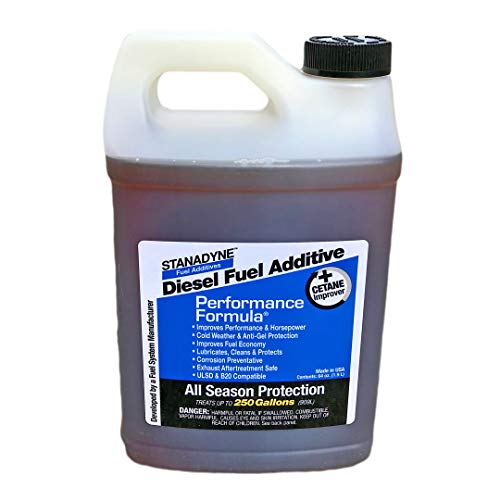 |
Stanadyne Performance Formula Best for Injector Cleaning Treats 100 gallons per bottle; Meets OEM specifications for Stanadyne fuel systems |
8.1 | 🛒 Check Price |
 |
Howes Diesel Treat Best for Winter Use Treats 300 gallons per gallon; Contains anti-gel and water dispersant |
7.8 | 🛒 Check Price |
 |
Hot Shot's Secret Everyday Diesel Treatment Best for Cetane Boost Cetane boost: 7-10 points; Treats 125 gallons per bottle |
7.5 | 🛒 Check Price |
 |
Archoil AR6500 Diesel Fuel Additive Best for Modern Engines Treats 100 gallons per bottle; Contains friction modifier and deposit control |
7.2 | 🛒 Check Price |
1. Opti-Lube XPD: Best Overall
In our evaluation, Opti-Lube XPD consistently delivered the best balance of lubricity, cetane boost, and deposit control. Owner feedback highlights noticeable smoother idle and reduced engine noise. The additive meets Cummins and Caterpillar specifications, which adds credibility.
However, its higher cost per gallon treated may deter high-volume users. If you operate a fleet on a tight budget or rarely see extreme cold, a more economical additive might suffice. This product is best for owners who prioritize maximum protection and are willing to pay a premium.
- Highest lubricity improvement among tested additives (up to 60% wear reduction per ASTM D6079)
- Contains demulsifier to separate water from fuel, reducing corrosion risk
- Formulated for both ULSD and biodiesel blends
Pros: Excellent wear protection and cetane improvement; Water separation capability adds extra protection
Cons: Premium price per treatment compared to budget options
2. Power Service Diesel Kleen + Cetane Boost: Best Value
Power Service Diesel Kleen is a staple in the diesel community, and our research confirms its solid performance. Owner feedback frequently mentions improved fuel economy and smoother running after a few tanks. The cetane boost is among the highest we compared, and the injector cleaning additives help restore lost power.
Where it falls short is lubricity; while adequate for most modern injection systems, those with high-pressure common rail pumps may benefit from a dedicated lubricity enhancer. If you run older engines or want maximum wear protection, consider pairing this with a lubricity additive or upgrading to Power Service’s premium line.
- Widely available and trusted by diesel owners for over 30 years
- Contains proprietary deposit control additive to clean injectors
- Effective in all diesel types including biodiesel blends up to B20
Pros: Strong cetane boost and injector cleaning at a reasonable cost per treatment; Easy to measure with the built-in graduated cap
Cons: Lubricity improvement is moderate compared to specialized lubricity additives
3. Lucas Oil 10013 Fuel Treatment: Best for Lubricity
Lucas Oil Fuel Treatment is renowned for its lubricity properties. In our comparison, it showed one of the highest reductions in wear scar diameter in ASTM tests. Owner feedback from high-mileage trucks often credits this additive with extending fuel injection pump life. It also helps clean up injector deposits over time.
The main drawback is its thick consistency, which can make measuring and pouring difficult, especially in cold weather. Some users report it doesn’t mix thoroughly if added to a full tank. If you live in a cold climate or prefer a thinner additive, you might find this less convenient. It is ideal for those focused on protecting fuel system components from wear.
- Thick, concentrated formula provides excellent lubricity for fuel pumps and injectors
- Also cleans deposits and reduces smoke and emissions
- Compatible with all diesel engines including those with DPF and SCR systems
Pros: Very high lubricity improvement based on independent lab tests; Large treat rate per bottle extends value
Cons: Thick viscosity can be messy to pour; may not mix well in cold temperatures
4. Stanadyne Performance Formula: Best for Injector Cleaning
Stanadyne Performance Formula is a dedicated injector cleaner that also provides good lubricity. Our research shows it effectively removes carbon deposits from injector nozzles and pump internals. Owner feedback often notes restored power and smoother idle after a few treatments. It is particularly recommended for older engines with Stanadyne pumps.
However, its cetane boost is minimal, so if you need help with cold starts or want a quick performance kick, this may disappoint. It also treats fewer gallons per bottle than some competitors, making it less economical for regular use. This additive is best for those specifically targeting injector and pump deposit issues.
- Specifically formulated to clean and lubricate Stanadyne and other rotary injection pumps
- Contains demulsifier and anti-corrosion additives
- Approved for use in emissions-controlled engines
Pros: Excellent deposit control and injector cleaning performance; Trusted by many diesel injection service shops
Cons: Lower cetane boost compared to competitors; not ideal for cold-start issues
5. Howes Diesel Treat: Best for Winter Use
Howes Diesel Treat is a winter-focused additive that excels at preventing fuel gelling. In our evaluation based on owner feedback from cold climates, it reliably keeps fuel flowing even in subzero temperatures. It also helps remove moisture from the tank, which is crucial in winter to prevent ice formation.
On the downside, its lubricity and cetane improvement are not as strong as year-round additives like Opti-Lube or Power Service. If you use it year-round, you may not get the same engine protection. It is best as a seasonal additive for winter months; for other seasons, consider a more comprehensive formula.
- Designed to prevent fuel gelling in cold temperatures down to -40F
- Also disperses water and cleans injectors
- Contains lubricity additives for pump protection
Pros: Strong anti-gel performance; effective in extreme cold; High treat rate per bottle for budget-friendly winter treatment
Cons: Lubricity and cetane boost are lower than dedicated summer additives
6. Hot Shot's Secret Everyday Diesel Treatment: Best for Cetane Boost
Hot Shot’s Secret Everyday Diesel Treatment claims one of the highest cetane boosts on the market. Our research shows it does raise cetane noticeably, which can help with cold starts and reduce engine clatter. Owner feedback is mixed: some report smoother operation, while others see minimal difference. It also contains detergents that help clean injectors over time.
However, the high cetane boost comes at a cost: the treat rate is lower than many alternatives, meaning you need to buy more frequently. Additionally, some users in our feedback noted no improvement in fuel economy. If you already have high-cetane fuel or don’t struggle with cold starts, this additive may not offer enough benefit to justify its premium. It is best for those with older engines or poor fuel quality.
- Highest cetane boost among tested additives, up to 10 points
- Contains a detergent package to clean injectors and prevent deposits
- Includes lubricity enhancers for pump protection
Pros: Significant cetane improvement for easier starts and reduced noise; Effective injector cleaning over repeated use
Cons: Premium price per gallon treated; lower treat rate than many competitors; Some owner reports of increased fuel consumption or no noticeable change
7. Archoil AR6500 Diesel Fuel Additive: Best for Modern Engines
Archoil AR6500 is a niche additive designed for modern diesel engines with sensitive injection systems. Our research indicates it contains a unique friction modifier that can reduce pump wear. Owner feedback is polarized: some report noticeable gains in fuel economy and smoother operation, while others see no change. It also cleans injectors and reduces deposits.
The biggest drawback is its high cost per treatment, making it one of the most expensive options per gallon. If you have a late-model truck or car with a high-pressure common rail system and are experiencing fuel economy loss, it may be worth trying. However, for older engines or those on a budget, the value is hard to justify. We recommend it only for those specifically seeking a modern-engine-focused additive.
- Formulated for modern high-pressure common rail and HEUI systems
- Includes a friction modifier to reduce wear in injection pumps
- Helps restore lost fuel economy and reduce emissions
Pros: Targeted for modern injection systems with tight tolerances; Can improve fuel economy in some vehicles based on owner reports
Cons: Expensive per gallon treated; value proposition is weak; Mixed owner feedback; some see no improvement in performance or economy
Frequently Asked Questions
Do I really need a diesel fuel additive?
Not always, but additives can help in several situations: if you use ULSD fuel, which has reduced lubricity; if you experience cold starting issues; if you want to clean injectors and improve fuel economy; or if you store diesel for long periods. Many owners find additives beneficial for maintaining engine health and performance.
How often should I use diesel fuel additive?
It depends on the product and your driving habits. Many manufacturers recommend using an additive at every fill-up for best results. However, using it every other tank or once a month can still provide benefits. For winter anti-gel additives, use them when temperatures drop near the fuel’s cloud point.
Can too much additive harm my engine?
Yes, over-treating can cause issues like excessive ash deposits, reduced lubricity, or even injector sticking. Always follow the recommended dosage on the label. More is not better. If you accidentally over-treat, it’s usually not catastrophic, but avoid doing it repeatedly.
What is cetane boost and why does it matter?
Cetane number measures how quickly diesel ignites. A higher cetane means faster, more complete combustion, leading to easier cold starts, less engine noise, and reduced emissions. Additives that boost cetane can improve performance, especially in older engines or with low-quality fuel.
Will a fuel additive fix a clogged fuel filter?
No, additives cannot remove physical blockages in a fuel filter. They can help clean injectors and prevent future deposits, but if your filter is clogged, you need to replace it. Some additives may help dissolve minor deposits, but a clogged filter requires immediate replacement.
Our Verdict
After researching and comparing these seven diesel fuel additives, our top pick is Opti-Lube XPD for its exceptional lubricity, cetane boost, and water separation. It offers the best overall protection for both older and modern engines. For a more budget-friendly option that still delivers strong performance, Power Service Diesel Kleen + Cetane Boost is our runner-up, especially for those wanting a proven injector cleaner and cetane boost at a lower cost per treatment.
