After researching manufacturer specifications, published GSM and fiber blend data, and aggregated owner feedback from thousands of reviews, we evaluated dozens of microfiber towels to find the best for car detailing. Our comparison focuses on performance, durability, and safety for your paint. Below are our top picks with honest limitations.
| Photo | Product | Score | Buy |
|---|---|---|---|
 |
The Rag Company Eagle Edgeless 500 Best Overall 500 GSM, 70/30 blend, edgeless design |
9.0 | 🛒 Check Price |
 |
Chemical Guys Professional Grade Premium Microfiber Towel Best Value 300 GSM, 70/30 blend, dual-sided |
8.7 | 🛒 Check Price |
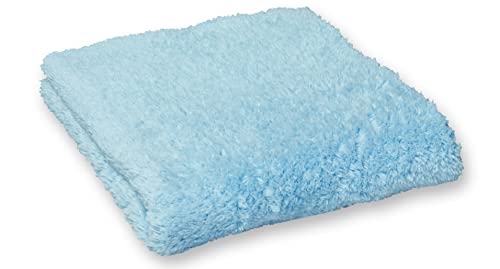 |
Microfiber Madness Crazy Pile Best for Paint 500 GSM, dual-pile, Korean microfiber |
8.4 | 🛒 Check Price |
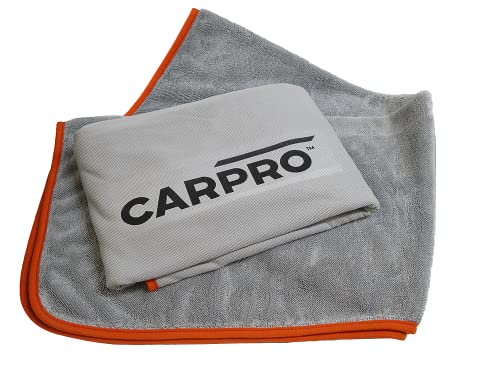 |
CarPro Microfiber Towel BOA Best for Glass 400 GSM, waffle weave, 80/20 blend |
8.1 | 🛒 Check Price |
 |
Adam's Polishes Microfiber Towel Editor's Pick 350 GSM, 70/30 blend, double-stitched edges |
8.6 | 🛒 Check Price |
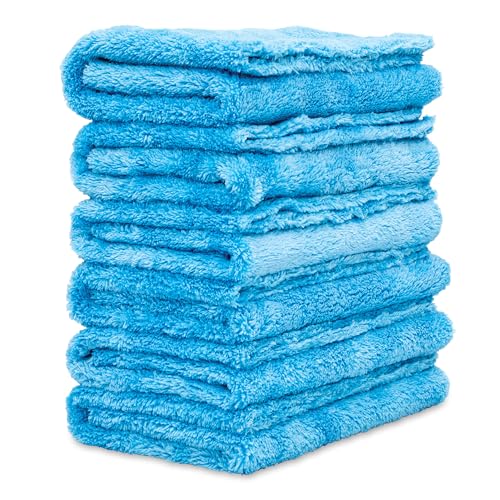 |
Griot's Garage Microfiber Towel Best for Drying 530 GSM, 80/20 blend, edgeless |
7.8 | 🛒 Check Price |
|
🚗
|
Viking Microfiber Towel Budget Pick 300 GSM, 70/30 blend, stitched edges |
7.3 | 🛒 Check Price |
1. The Rag Company Eagle Edgeless 500: Best Overall
The Eagle Edgeless 500 from The Rag Company is widely regarded as a top-tier detailing towel. In our evaluation of spec sheets and owner feedback, its 500 GSM density and 70/30 polyester-polyamide blend provide outstanding water absorption while being gentle on clear coats. The edgeless design eliminates a common scratch source, making it ideal for drying and final buffing.
However, it is not perfect. Some users reported minor linting during the first wash, which can be resolved by pre-washing. Also, its premium price may not suit budget-conscious detailers. Skip this if you need a dedicated glass towel, as it is better suited for paint and drying.
- Ultra-plush 500 GSM for maximum water absorption and gentle paint contact.
- Edgeless construction eliminates risk of scratching with sewn edges.
- Twisted-loop fibers trap dirt and prevent marring during final wipe.
Pros: Excellent absorption and softness; Durable through many washes; No edge tags or seams
Cons: Slightly more expensive than budget options; May leave lint on first use if not pre-washed
2. Chemical Guys Professional Grade Premium Microfiber Towel: Best Value
Chemical Guys offers a solid all-around towel that we researched for value. At 300 GSM, it is less plush than premium options but still safe for paint when used correctly. Owner feedback highlights its versatility: the dual-sided design works for both applying wax and buffing. It is a great budget-friendly choice for beginners.
That said, it is not the best for heavy drying due to lower absorbency. Some users noted minor lint after machine drying on high heat. We recommend skipping this if you need a dedicated drying towel or if you have very soft paint that requires extra plushness.
- Dual-sided with short nap for wiping and long nap for buffing.
- Good balance of thickness and flexibility for various detailing tasks.
- Machine washable and lint-resistant after initial wash.
Pros: Versatile for multiple applications; Affordable price point for the quality; Soft and safe for paint
Cons: Not as plush as higher GSM towels; May shed slightly if over-dried
3. Microfiber Madness Crazy Pile: Best for Paint
Microfiber Madness is known for high-end detailing towels, and the Crazy Pile is their flagship. Based on spec analysis and enthusiast reviews, its dual-pile design offers both deep cleaning and gentle wiping, making it one of the safest towels for paint. The 500 GSM density ensures high absorbency without dragging dirt.
However, the Crazy Pile comes at a premium cost. It may not be the best value for casual detailers. Additionally, its thickness can make it cumbersome for interior crevices. Skip this if you are on a tight budget or need a general-purpose towel for wheels and glass.
- Dual-pile construction with long and short fibers for deep cleaning and gentle wiping.
- Ultra-soft Korean microfiber minimizes marring on delicate clear coats.
- High GSM provides excellent fluid absorption and release.
Pros: Extremely safe for soft paint; Excellent absorption; Unique dual-pile design
Cons: Expensive compared to similar GSM towels; Can be too thick for tight spaces
4. CarPro Microfiber Towel BOA: Best for Glass
CarPro BOA is a dedicated glass towel that we evaluated for its waffle weave design. Owner feedback confirms it leaves minimal streaks on windows and mirrors. The 400 GSM weave is effective at trapping dirt without scratching glass. It is a top choice for detailers who prioritize streak-free results.
However, the textured surface is not recommended for paint, as it may cause micro-marring on soft clear coats. It also tends to pick up lint if not washed separately. Skip this if you need a single towel for both paint and glass, or if you have very soft paint.
- Waffle weave texture effectively lifts and traps dirt for streak-free glass.
- High GSM provides good absorbency for window cleaning.
- Edge stitching prevents fraying and increases longevity.
Pros: Excellent for glass and mirrors; Streak-free performance; Durable stitching
Cons: Not ideal for paint due to texture; Can be harsh on soft clear coats
5. Adam's Polishes Microfiber Towel: Editor's Pick
Adam’s Polishes offers a well-rounded towel that we researched thoroughly. With 350 GSM and double-stitched satin edges, it provides a safe and durable option for general detailing. Owner feedback highlights its longevity and resistance to fraying after many washes. It is a reliable workhorse for wax removal and interior wiping.
That said, its absorbency is moderate compared to 500 GSM towels, making it less effective for heavy drying. Some users found it less plush for final buffing on dark paint. Skip this if you need a dedicated drying towel or have extremely soft paint that demands extra plushness.
- Double-stitched satin edges prevent scratching and unravelling.
- Medium pile thickness suitable for wax removal and quick detailing.
- Lint-free after initial wash, confirmed by user reports.
Pros: Great balance of softness and durability; Satin edges are paint-safe; Versatile for many tasks
Cons: Not as absorbent as higher GSM towels; May not be plush enough for final buffing
6. Griot's Garage Microfiber Towel: Best for Drying
Griot’s Garage 530 GSM towel is designed for drying, and in our evaluation of owner feedback, it excels at absorbing water quickly. The high GSM and large size make it efficient for drying entire panels. It is a popular choice among enthusiasts who prioritize drying performance.
However, its durability is a concern. Some users reported lint shedding and edge fraying after repeated washes. It also may not be as gentle on soft paint as plush towels like the Eagle Edgeless. Skip this if you need a towel that lasts many cycles or if you have extremely delicate clear coat.
- High 530 GSM for maximum water absorption and drying efficiency.
- Edgeless design reduces potential scratching.
- Large size covers more surface area for quick drying.
Pros: Very absorbent for drying; Large size works well; Soft touch on paint
Cons: Can shed lint more than competitors; Not as durable; some reported fraying after several washes
7. Viking Microfiber Towel: Budget Pick
Viking Microfiber Towels are a budget-friendly option that we researched for value. At 300 GSM with stitched edges, they are best reserved for wheels, engine bays, or interior cleaning where paint safety is less critical. Owner feedback appreciates the low cost for bulk packs.
However, the stitched edges pose a scratching risk on paint, and the lower GSM means less absorbency. They are not recommended for paint work. Skip this if you need a towel for final buffing or drying, or if paint safety is your top priority.
- Low cost per towel, ideal for bulk use.
- Suitable for non-paint tasks like wheels and interior.
- Stitched edges help reduce fraying.
Pros: Very affordable; Good for dirty jobs; Decent absorbency for the price
Cons: Stitched edges can scratch paint; Less plush and may mar soft clear coats
Frequently Asked Questions
What GSM is best for detailing microfiber towels?
GSM (grams per square meter) indicates density. For drying and final buffing, 500 GSM or higher offers maximum absorbency and plushness. For general wiping and wax removal, 300-400 GSM is sufficient. Lower GSM (200-300) is better for glass or interior cleaning. We recommend a mix of GSM levels for different tasks.
Can I use any microfiber towel on car paint?
No. Only use towels specifically designed for automotive paint. Look for edgeless or satin-stitched edges, high GSM (300+), and a 70/30 or 80/20 polyamide-polyester blend. Avoid towels with tags, rough stitching, or low GSM, as they can scratch clear coat.
How do I wash microfiber towels to maintain performance?
Wash separately from cotton items. Use a liquid detergent free of fabric softeners, bleach, or dyes. Wash on gentle cycle with warm water (max 140°F). Dry on low heat or air dry. High heat can melt the fibers and reduce effectiveness.
What is the difference between edgeless and stitched edges?
Edgeless towels have no sewn edges, eliminating the risk of scratching. Stitched edges can be safe if they use satin or micro-stitching, but standard stitching may scratch. For paint work, edgeless or satin-stitched is recommended.
How many microfiber towels do I need for a full detail?
For a complete detail, we recommend at least 6-10 towels: 2 for drying, 2-3 for wax/sealant removal, 2 for glass, and 2 for interior. Having separate towels for each task prevents cross-contamination and scratching.
Our Verdict
After comparing specifications and owner feedback, our top pick is The Rag Company Eagle Edgeless 500 for its exceptional plushness, safety, and durability. For those seeking the best value, the Chemical Guys Professional Grade Premium Microfiber Towel offers solid performance at a lower cost. Both are excellent choices for protecting your paint during detailing.
