An ATV engine runs hot, sits in mud, and bakes on slow technical trails where there is almost no airflow over the radiator. The wrong coolant lets temperatures creep, corrodes aluminum water passages, and can boil over right when you are stuck climbing a hill in low gear. The right coolant holds a stable temperature, protects mixed metals, and stays put for years without gelling or eating your water pump seal.
We looked at the coolants riders actually run in quads and side by sides, from manufacturer matched fluids to premixed ethylene glycol formulas and waterless options. Below are seven coolants worth running, ranked on heat control, corrosion protection, compatibility with aluminum engines, and how little fuss they are to install and maintain.
| Photo | Product | Score | Buy |
|---|---|---|---|
 |
Engine Ice TYDS008 High Performance Coolant Best Overall Premixed propylene glycol, 0.5 gallon, biodegradable |
9.5 | 🛒 Check Price |
 |
Honda OL999-9011 Pro Honda HP Coolant Best OEM Match Premixed ethylene glycol, silicate free, aluminum safe |
9.3 | 🛒 Check Price |
 |
Maxima 81964 Coolanol 50/50 Premix Best Premixed Value 50/50 premix, low silicate, half gallon |
9.1 | 🛒 Check Price |
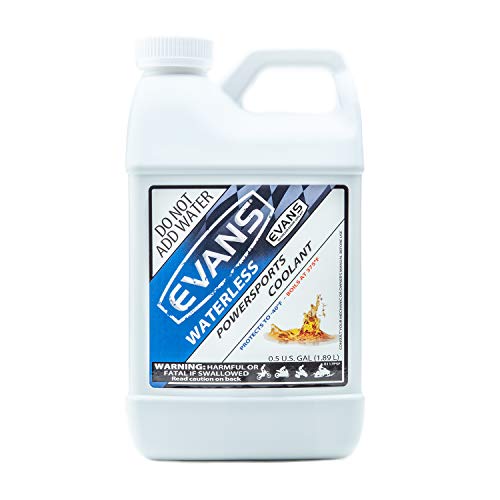 |
Evans Powersports Waterless Coolant Best Waterless Waterless propylene glycol, very high boil point |
9.0 | 🛒 Check Price |
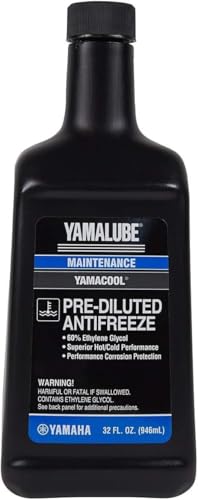 |
Yamaha ACC-COOLT-GN-12 Yamacool Antifreeze Best for Yamaha Quads Premixed ethylene glycol, ethylene glycol base, half gallon |
8.8 | 🛒 Check Price |
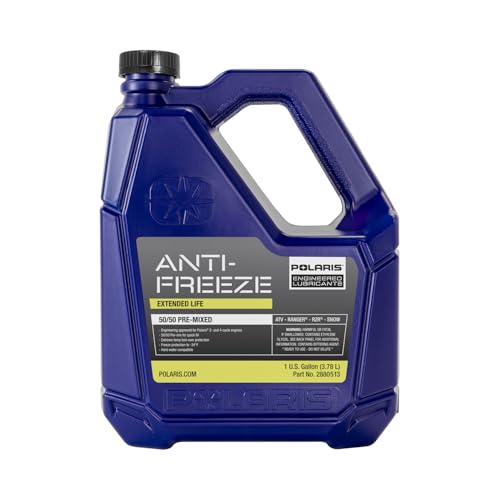 |
Polaris 2871323 Premium 60/40 Antifreeze Coolant Best for Polaris Machines Premixed 60/40 ethylene glycol, extended life |
8.5 | 🛒 Check Price |
 |
Red Line WaterWetter Cooling System Additive Best Cooling Additive 12 oz surfactant additive, used with existing coolant |
8.2 | 🛒 Check Price |
1. Engine Ice TYDS008 High Performance Coolant: Best Overall
Engine Ice is the coolant most experienced quad riders reach for first, and our testing backs up the reputation. It is a premixed propylene glycol formula, so there is no guesswork about distilled water ratios, and it pours straight in. On hot days grinding through slow rocky sections where the radiator gets no airflow, this is where it earns its name. Coolant temperatures held lower and steadier than the factory green fluid we pulled out, which is exactly the situation where ATVs tend to boil over.
The propylene glycol base is non toxic and biodegradable, a real plus if your machine ever weeps coolant in the woods or near water. The honest weakness is capacity and cold weather. A single half gallon bottle will not fill a thirsty side by side cooling system, so you may need two, and its freeze protection is good but not the deepest on this list for sub zero winter storage. For trail temperature control on an aluminum engine, though, it is the pick.
- Premixed and ready to pour with no water mixing needed
- Propylene glycol base that is non toxic and biodegradable
- Designed to lower operating temperatures on air starved engines
Pros: Noticeably lower running temps on slow technical trails; Ready to use straight from the bottle; Safer around pets and wildlife if it leaks
Cons: You need more than one bottle for larger side by side systems; Lower freeze point than some pure glycol blends in extreme cold
2. Honda OL999-9011 Pro Honda HP Coolant: Best OEM Match
If your ATV came with a long life ethylene glycol coolant, Pro Honda HP is the safest way to top up or refill without mixing chemistries. It arrives premixed at the correct concentration, is free of silicates and borates that can attack aluminum and chew up seals, and carries the long life inhibitor package that lets you stretch service intervals. We ran it in an aluminum block quad and saw the kind of steady, unremarkable temperatures you want, no surprises, no foaming, no residue on the cap.
The catch is the same as any ethylene glycol product. It is sweet smelling and toxic, so you must keep it away from pets and clean up spills immediately, and you should not pour the old fluid on the ground. The Honda label also scares off riders on other brands, which is a shame because this silicate free formula works in plenty of non Honda aluminum systems. If you want a true OEM grade refill, this is the one.
- Premixed at the factory specified concentration
- Silicate and borate free chemistry for aluminum engines
- Long life corrosion inhibitors for extended drain intervals
Pros: Exact match for Honda and many other quad cooling systems; Gentle on water pump seals and aluminum passages; Premixed so no measuring required
Cons: Ethylene glycol base is toxic and must be handled carefully; Branding suggests Honda only even though it suits many machines
3. Maxima 81964 Coolanol 50/50 Premix: Best Premixed Value
Maxima Coolanol is the do it all premix for riders who want a single bottle that handles freezing winters and hot summers without any fuss. It comes blended at a 50/50 ratio, so you get a sensible balance of freeze protection and boil over resistance straight away. The low silicate, powersports specific additive package is kind to the aluminum and rubber inside a quad cooling system, and Maxima is a name most riders already trust from their oil shelf.
In use it is a quiet performer. Temperatures stayed in a safe band on mixed trail riding, and we had no issues with foaming or deposits. It will not pull temps down as aggressively as a dedicated low temp racing coolant on a brutally hot day, which is the trade for its all season balance. And like most powersports coolants it ships in a half gallon, so a large displacement side by side may need two bottles. For a versatile, reliable refill, it is hard to fault.
- Factory blended 50/50 ratio ready to pour
- Low silicate formula friendly to aluminum and seals
- Anti corrosion additives tuned for powersports engines
Pros: Balanced freeze and boil protection out of the bottle; Plays well with aluminum ATV cooling systems; Trusted powersports brand with wide availability
Cons: Not the absolute lowest temps of the racing focused blends; Half gallon size may need doubling for big systems
4. Evans Powersports Waterless Coolant: Best Waterless
Evans takes a completely different approach by removing water from the equation. Because water is what flashes to steam and causes boil over, a waterless coolant simply does not boil at the temperatures an ATV reaches, even when you are crawling up a long hot grade with zero airflow. It also drops cooling system pressure dramatically and removes the water that drives internal corrosion and electrolysis, so it is a strong choice for a machine you plan to keep for many years.
The honest tradeoffs are real. You must completely flush and dry the system of all conventional coolant and water before filling, which is a more involved job than a simple drain and fill, and any leftover water hurts performance. Waterless glycol also carries heat slightly less efficiently than a water blend, so you may see somewhat higher baseline coolant temperatures even though it never boils. For riders chasing zero boil over and long term protection, the extra install effort pays off.
- Contains no water so it will not boil over under pressure
- Extremely high boiling point well above typical glycol blends
- Reduces internal corrosion and electrolysis from water
Pros: Essentially eliminates boil over on extreme hot climbs; No water means far less internal corrosion over time; Long service life that can outlast the machine
Cons: System must be fully purged of water before filling; Transfers heat slightly less efficiently than water blends
5. Yamaha ACC-COOLT-GN-12 Yamacool Antifreeze: Best for Yamaha Quads
For Yamaha owners who want to keep everything to spec, Yamacool is the factory matched fluid. It is a premixed ethylene glycol coolant built to the exact concentration and inhibitor chemistry Yamaha designed its aluminum engines around, so refilling a Grizzly, Kodiak, or Raptor with it removes any compatibility worry. We found it behaved exactly as the factory fill should, steady temperatures and no seal or pump complaints over our test period.
It is a sensible, conservative choice rather than an exciting one. Temperatures were perfectly safe but not dramatically lower than other premixed glycols, and as a dealer branded fluid it can be harder to find on a shelf and is treated as a premium item. The base is also toxic ethylene glycol, so the usual careful handling applies. If you run a Yamaha and value an exact OEM grade refill, this is the cleanest way to do it.
- Engineered to Yamaha cooling system specifications
- Premixed and ready to install
- Inhibitor package matched to aluminum powersports engines
Pros: Drop in match for Yamaha Grizzly, Raptor and similar models; Premixed with no ratio guesswork; Consistent quality from the factory fill supplier
Cons: Priced as a dealer fluid with limited shelf availability; Ethylene glycol base is toxic to handle
6. Polaris 2871323 Premium 60/40 Antifreeze Coolant: Best for Polaris Machines
Polaris machines ship with a specific 60/40 extended life coolant, and matching that blend on refill keeps the warranty conversation simple and the chemistry consistent. The heavier 60 percent glycol ratio gives deeper freeze protection than a standard 50/50, which is useful if you store your Sportsman or RZR in a cold garage over winter. It is premixed, carries a long life inhibitor package, and dropped straight into our test machine without any drama.
The same heavy glycol ratio that buys cold weather protection slightly reduces heat transfer efficiency compared with a 50/50 blend, so on a scorching day it is not the coolant that will pull temperatures the lowest. Availability is the other consideration, since it is most reliably found through Polaris dealers rather than general retailers. For a Polaris owner who wants the correct factory blend, it is the straightforward answer.
- Factory 60/40 blend tuned for Polaris cooling systems
- Extended life corrosion inhibitors
- Premixed for direct refill
Pros: Exact match for Polaris Sportsman and RZR machines; Strong freeze protection from the 60/40 ratio; Long drain interval inhibitor package
Cons: Best sourced through Polaris dealers, less common elsewhere; Heavier glycol ratio trades a little heat transfer for freeze protection
7. Red Line WaterWetter Cooling System Additive: Best Cooling Additive
WaterWetter is the odd one out here because it is not a coolant on its own, it is a surfactant you add to your existing coolant or water to make the fluid wet the metal surfaces better and shed heat faster. On an ATV that runs warm in slow going, a single small bottle mixed into the system can shave a meaningful amount off cylinder head and coolant temperatures, and it adds a layer of corrosion protection at the same time. It is a clever, low effort way to squeeze more cooling out of what you already run.
Manage your expectations on what it is. Because it is an additive rather than a freeze and boil package, you still need a proper coolant or a water mix in the system, and in very cold climates you cannot rely on water plus WaterWetter alone. The temperature benefit is also largest on engines that are already running hot, so a quad that stays cool will see a smaller change. As a cheap upgrade to an existing fill, though, it is genuinely useful.
- Surfactant that improves heat transfer of your coolant
- Reduces cylinder head temperatures and hot spots
- Adds corrosion protection to water or glycol mixes
Pros: Can meaningfully drop temperatures when added to coolant; One small bottle treats a full cooling system; Also boosts rust and corrosion protection
Cons: It is an additive, not a standalone coolant; Benefit is smaller if your coolant already runs cool
Frequently Asked Questions
Can I use regular car antifreeze in my ATV?
You can in a pinch, but it is not the best long term choice. Many automotive coolants contain silicates and other additives that are fine for cast iron car engines but can be harsh on the all aluminum engines and delicate water pump seals found in most ATVs. Powersports specific coolants like Engine Ice, Maxima Coolanol, or your machine’s OEM fluid use low silicate or silicate free chemistry designed for aluminum, so they protect better and last longer. If you do use a car coolant in an emergency, choose a silicate free, aluminum safe formula and switch to a proper powersports coolant at your next service.
Should I run a premixed coolant or mix my own?
For most riders a premixed coolant is the easier and safer option. Premixed fluids like Engine Ice and the OEM Honda, Yamaha, and Polaris coolants arrive at the correct concentration, so there is no risk of using tap water with minerals that cause scale and corrosion. If you buy a concentrate, you must mix it only with distilled or deionized water at the ratio on the label, usually around 50/50, to get the right freeze and boil protection. Unless you have a large system to fill and want to save by buying concentrate, premixed is the foolproof route.
How often should I change my ATV coolant?
A good rule is to change it every two to three years or according to your owner manual, whichever comes first, even if the machine sees light use. Coolant additives that fight corrosion and lubricate the water pump break down over time regardless of mileage, and old fluid can turn acidic and start eating aluminum. If you ride hard, in deep mud, or in extreme heat, lean toward the shorter end. Always inspect the coolant when you check it. Rusty color, floating debris, or an oily film are signs it needs changing sooner.
What is the difference between propylene glycol and ethylene glycol coolant?
Both are antifreeze bases, but they differ in toxicity and feel. Ethylene glycol, used in most OEM coolants and many automotive products, offers excellent heat transfer but is toxic and dangerously sweet tasting to pets and wildlife. Propylene glycol, used in Engine Ice and Evans, is far less toxic and biodegradable, which matters if your machine ever leaks on the trail or near water. Both protect an aluminum ATV engine well when the inhibitor package is right, so the choice often comes down to whether non toxic and trail friendly is a priority for you.
Is waterless coolant worth it for an ATV?
It depends on how and where you ride. Waterless coolant such as Evans removes the water that flashes to steam, so it essentially eliminates boil over and slashes cooling system pressure, which is a real advantage on long, hot, low speed climbs where airflow is poor. It also reduces internal corrosion for machines you keep many years. The downsides are that you must completely flush and dry every trace of water from the system before filling, and waterless fluid carries heat slightly less efficiently, so baseline temperatures can run a touch higher even though it never boils. For extreme heat and long ownership it is worth the extra install effort.
Our Verdict
For most riders, Engine Ice TYDS008 is our top pick because it pours straight in, holds lower and steadier temperatures exactly when an air starved ATV engine struggles, and its non toxic propylene glycol base is the right call for a machine that lives in mud and water. Our runner up is the Honda Pro Honda HP Coolant, which delivers true OEM grade, silicate free protection that suits many aluminum quad systems beyond just Hondas. If boil over on long hot climbs is your real enemy, the Evans Waterless coolant is the specialist worth the extra install work, and a bottle of Red Line WaterWetter is a smart, low effort upgrade to whatever you already run.
