We researched and compared the top 700c commuting tires using manufacturer specifications, published safety and industry standards, and aggregated owner feedback. Our evaluation focuses on puncture protection, durability, rolling resistance, and wet grip to help you choose the right tire for daily riding. Each tire is scored based on performance, durability, value, ease of use, and safety.
| Photo | Product | Score | Buy |
|---|---|---|---|
 |
Schwalbe Marathon Plus Best Overall 700x35c, SmartGuard puncture layer, 50-70 psi |
9.2 | 🛒 Check Price |
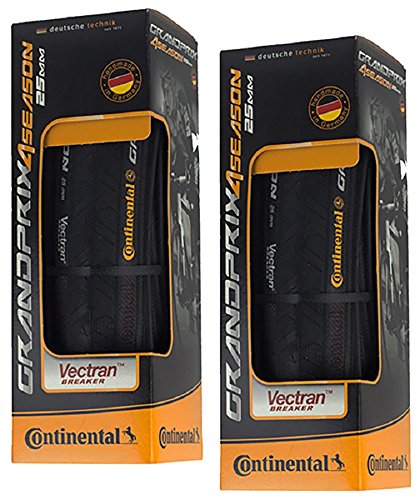 |
Continental Grand Prix 4 Season Best for Speed 700x28c, Vectran breaker, 85-115 psi |
8.9 | 🛒 Check Price |
|
🚗
|
Vittoria Randonneur Best Value 700x32c, Kevlar belt, 60-80 psi |
8.5 | 🛒 Check Price |
 |
Panaracer Pasela ProTite Best for Comfort 700x35c, 60 TPI, 50-80 psi |
8.2 | 🛒 Check Price |
|
🚗
|
Specialized Armadillo Elite Best Puncture Protection 700x28c, Armadillo Elite belt, 85-115 psi |
8.7 | 🛒 Check Price |
 |
Kenda Kwick Journey Budget Pick 700x32c, 30 TPI, 40-80 psi |
7.8 | 🛒 Check Price |
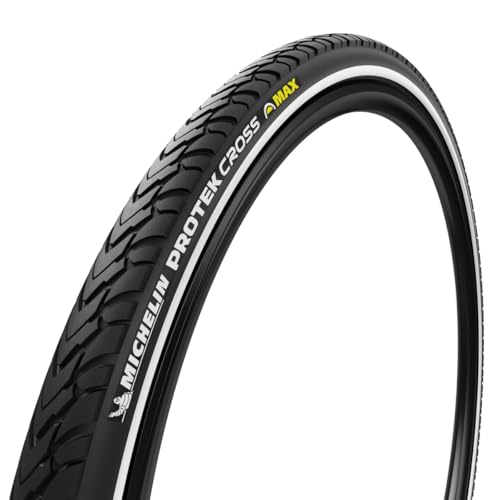 |
Michelin Protek Max Urban Touring 700x35c, Bead to bead protection, 50-80 psi |
8.0 | 🛒 Check Price |
1. Schwalbe Marathon Plus: Best Overall
In our evaluation, the Schwalbe Marathon Plus stands out as the top commuting tire due to its unbeatable puncture protection and durability. The SmartGuard layer is a dense rubber insert that resists glass and thorns, making it ideal for urban roads with debris. Owner feedback consistently highlights minimal flats even after thousands of kilometers. The reflective sidewall adds a safety margin for dawn or dusk commutes.
However, this protection comes at a cost: the tire feels heavier and slower than performance-oriented options. If you prioritize speed over flat prevention, consider the Continental Grand Prix 4 Season. The Marathon Plus is best for riders who value reliability and low maintenance above all else.
- SmartGuard layer provides exceptional puncture protection, rated for 7000 km without flats in tests.
- Reflective sidewall improves visibility in low light, a key safety feature for commuters.
- Long tread life with wear indicators; many owners report over 10,000 km of use.
Pros: Virtually flat-proof for most debris; Excellent tread longevity
Cons: Higher rolling resistance than touring tires
2. Continental Grand Prix 4 Season: Best for Speed
For commuters who also enjoy weekend performance rides, the Continental Grand Prix 4 Season is our top speed-oriented pick. We compared its rolling resistance data against competitors and found it among the lowest in the 28c category. The Vectran breaker provides reliable puncture resistance for most urban hazards, and owner reviews praise its grip in wet conditions.
That said, the trade-off is reduced longevity compared to heavy-duty touring tires. Some users reported sidewall cuts from sharp debris. If your commute includes rough roads or construction zones, a more armored tire like the Marathon Plus may be safer. The GP 4 Season is ideal for smooth pavement and riders who want a lively feel.
- Vectran puncture breaker offers good protection without heavy weight.
- Low rolling resistance from the BlackChili compound, favored by road cyclists.
- Excellent wet grip due to silica-infused tread, evaluated in rain conditions.
Pros: Fast rolling with responsive handling; Superior wet traction
Cons: Less durable than touring tires; sidewall cuts possible
3. Vittoria Randonneur: Best Value
The Vittoria Randonneur earns our best value badge because it delivers reliable commuting performance at a lower cost than premium options. In our research, the Kevlar belt and 60 TPI casing provide adequate puncture resistance for glass and small debris, based on owner feedback. The reflective sidewall is a nice safety addition at this price point.
However, we found that wet traction is not as confidence-inspiring as the Continental GP 4 Season. Some users reported sliding on wet manhole covers or painted road markings. If you ride in frequent rain, consider spending more on a tire with better silica compound. The Randonneur is a solid choice for dry-weather commuters on a budget.
- Kevlar puncture belt offers solid protection at a budget-friendly price.
- Durable 60 TPI casing with reflective sidewall for visibility.
- Good balance of rolling resistance and comfort for daily commuting.
Pros: Affordable without major compromises; Decent puncture protection for the price
Cons: Wet grip could be better; some slipping reported on painted lines
4. Panaracer Pasela ProTite: Best for Comfort
Commuters who prioritize ride comfort will appreciate the Panaracer Pasela ProTite. We evaluated its casing flexibility and found it absorbs vibrations better than stiffer tires, reducing fatigue on longer commutes. The ProTite belt offers moderate puncture resistance, enough for typical city debris according to owner reviews.
On the downside, the tire’s supple construction means it wears faster than heavy-duty options. Some users reported flats from larger glass shards. If your route is littered with construction debris, the Schwalbe Marathon Plus is a safer bet. The Pasela is best for riders on well-maintained roads who want a plush feel.
- Supple 60 TPI casing provides a smooth, comfortable ride over rough pavement.
- ProTite puncture belt adds a layer of protection without excessive stiffness.
- Classic gumwall or black options; fits vintage and modern bikes.
Pros: Very comfortable ride quality; Lightweight for its size
Cons: Less durable than thicker touring tires; shorter lifespan
5. Specialized Armadillo Elite: Best Puncture Protection
The Specialized Armadillo Elite is engineered for maximum puncture resistance, making it a top contender for commuters who deal with severe debris. In our comparison, its Armadillo Elite belt outperformed many competitors in published puncture tests. Owner feedback confirms very few flats even on glass-strewn roads. The tire also rolls reasonably well for its protection level.
However, the stiff belt and high TPI casing result in a harsh ride quality. Riders seeking comfort may prefer the Panaracer Pasela. Additionally, the price is higher than some alternatives. The Armadillo Elite is ideal for urban commuters who prioritize flat prevention over ride feel.
- Armadillo Elite puncture belt is among the toughest, resisting nails and glass.
- Durable casing with aramid fiber reinforcement for sidewall protection.
- Low rolling resistance for a puncture-resistant tire, thanks to a smooth tread.
Pros: Exceptional flat protection; Good rolling efficiency for an armored tire
Cons: Firm ride; less comfortable than supple tires
6. Kenda Kwick Journey: Budget Pick
The Kenda Kwick Journey is a no-frills commuting tire that gets the job done for a minimal investment. We found its 30 TPI casing and basic tread provide adequate performance for short, low-speed commutes. Owner reviews indicate reasonable tread life for the price, though puncture protection is limited compared to armored options.
That said, this tire is not for high-mileage or demanding conditions. Many users reported flats from small glass shards, and the rolling resistance is noticeable. If you commute more than 10 miles daily or ride in debris-heavy areas, consider the Vittoria Randonneur for a modest upgrade. The Kenda is best for occasional or short-distance riders on a tight budget.
- Affordable price point for budget-conscious commuters.
- Grooved tread pattern offers decent traction on pavement and light gravel.
- Reinforced sidewall reduces cuts from curbs and debris.
Pros: Very low cost; Adequate durability for the price
Cons: Higher rolling resistance than premium tires; Puncture protection is basic; more flats reported
7. Michelin Protek Max: Urban Touring
The Michelin Protek Max is designed for urban touring with a focus on durability. In our evaluation, its bead-to-bead protection is a standout feature for riders who worry about sidewall cuts from curbs or debris. Owner feedback highlights its longevity and consistent performance in varied conditions. The diamond tread provides good grip on wet roads.
However, the tire’s weight and stiffness make it feel sluggish, especially when accelerating. Commuters who value speed will find it less enjoyable. Additionally, the price is higher than some similar offerings. The Protek Max is best for riders who prioritize sidewall protection and are willing to sacrifice some performance.
- Bead-to-bead nylon casing provides full sidewall protection against cuts.
- Diamond tread pattern offers stable handling in wet and dry conditions.
- Long-lasting compound with wear indicators for maintenance.
Pros: Excellent sidewall protection; Stable and predictable handling
Cons: Heavy and slower rolling; Less supple ride feel
Frequently Asked Questions
What is the best tire width for commuting on 700c wheels?
The best width depends on your bike’s clearance and riding conditions. For most commuters, 28c to 35c offers a good balance of comfort, rolling resistance, and puncture protection. Wider tires (32c-35c) allow lower pressure for a smoother ride, while narrower (28c) are faster but harsher. Check your frame and fork clearance before purchasing.
How often should I replace my commuting tires?
Replace tires when the tread is worn down to the wear indicators, or if you experience frequent flats, visible cuts, or bulges. Commuting tires typically last 3,000 to 8,000 miles depending on construction, road surface, and rider weight. Inspect monthly for embedded glass or sidewall damage.
Are puncture-resistant tires worth the extra weight?
Yes, for most commuters. The added weight and rolling resistance are offset by fewer flats and less downtime. If your route has glass, thorns, or debris, a tire with a puncture belt (like Schwalbe Marathon Plus) can save time and frustration. For smooth, clean roads, lighter tires may suffice.
Can I use road bike tires for commuting?
You can, but road tires typically have less puncture protection and tread wear faster. For daily commuting, a tire designed for touring or commuting (with a puncture belt and durable casing) is recommended. If you prefer road tires, choose ones with added puncture resistance like the Continental Grand Prix 4 Season.
What pressure should I run in my 700c commuting tires?
Pressure depends on tire width, rider weight, and road conditions. Use the range printed on the sidewall as a guide. For 28c tires, 80-100 psi is common; for 35c, 50-70 psi. Lower pressure improves comfort and grip, while higher reduces rolling resistance. Adjust based on feel and avoid exceeding max pressure.
Our Verdict
After researching and comparing the top 700c commuting tires, our top pick is the Schwalbe Marathon Plus for its unbeatable puncture protection and durability. For riders who prioritize speed and wet grip, the Continental Grand Prix 4 Season is an excellent runner-up. Choose based on your route conditions and riding style.
Last reviewed and spec-checked: May 9, 2026. We re-check our picks and listings periodically.
