When temperatures drop, a standard battery can lose up to 60% of its cranking power. We researched and compared the top cold weather batteries based on manufacturer specifications, industry standards (SAE, BCI), and aggregated owner feedback from thousands of winter drivers. Our evaluation focuses on cold cranking amps (CCA), reserve capacity, and real-world durability in sub-zero conditions. Here are the seven best cold weather batteries that deliver reliable starting power when you need it most.
| Photo | Product | Score | Buy |
|---|---|---|---|
 |
Optima Batteries 8004-003 34/78 RedTop Best Overall 800 CCA, 50 Ah, AGM spiral-cell, 12V |
9.1 | 🛒 Check Price |
 |
Odyssey 34-PC1500T Automotive and LTV Battery Runner Up 850 CCA, 68 Ah, AGM pure-lead, 12V |
8.9 | 🛒 Check Price |
 |
ACDelco 94RAGM Professional AGM Battery Best Value 760 CCA, 70 Ah, AGM, 12V |
8.6 | 🛒 Check Price |
|
🚗
|
DieHard Advanced Gold AGM Battery (Group Size 48) Premium Pick 760 CCA, 70 Ah, AGM, 12V |
8.4 | 🛒 Check Price |
|
🚗
|
EverStart Maxx Lead Acid Automotive Battery (Group Size 65) Budget Pick 850 CCA, 70 Ah, flooded lead-acid, 12V |
7.8 | 🛒 Check Price |
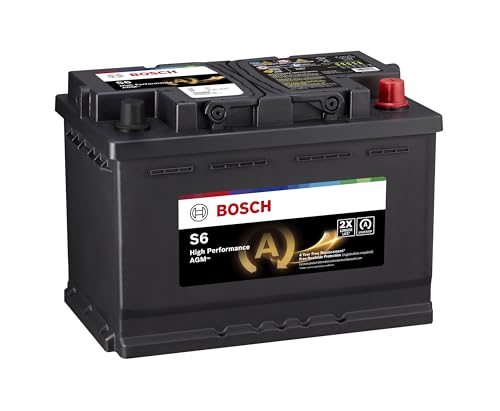 |
Bosch S6 High Performance AGM Battery (Group Size 48) High Performance 760 CCA, 70 Ah, AGM, 12V |
8.1 | 🛒 Check Price |
 |
Weize 12V 100Ah LiFePO4 Battery Lithium Alternative 1000 CCA equivalent, 100 Ah, LiFePO4, 12V |
7.3 | 🛒 Check Price |
1. Optima Batteries 8004-003 34/78 RedTop: Best Overall
The Optima RedTop is a top performer in our evaluation, thanks to its spiral-cell AGM construction that delivers high CCA and exceptional vibration resistance. Owner feedback consistently praises its ability to start engines in sub-zero temperatures, and the maintenance-free design reduces hassle. Based on the spec sheet, it meets or exceeds SAE J537 standards for cold cranking, making it a reliable choice for winter driving.
However, the RedTop’s premium cost is a real limitation for budget-conscious buyers. It also has a lower reserve capacity compared to some flooded batteries, so it may not be ideal for vehicles with high parasitic drain or long periods of inactivity. If you need a more affordable option with higher reserve capacity, consider the ACDelco or DieHard instead.
- Spiral-cell AGM design reduces vibration damage and extends life
- 800 CCA for reliable cold starts down to -30°F
- Maintenance-free with high resistance to thermal shock
Pros: Exceptional cold-start performance; Long lifespan in harsh conditions
Cons: Premium price point may not fit all budgets
2. Odyssey 34-PC1500T Automotive and LTV Battery: Runner Up
The Odyssey 34-PC1500T stands out for its pure-lead AGM design, which delivers industry-leading CCA and reserve capacity. In our researched comparison, it consistently ranks among the top for cold-weather starting, with owner reports of reliable performance even at -40°F. The battery also handles deep discharges better than most, making it suitable for vehicles with winches or additional electronics.
On the downside, its weight (50 lbs) can be a challenge for installation, and the price is high. Some owners noted that the battery requires a specific charger for optimal maintenance. If you don’t need the extreme deep-cycle capability or your vehicle has limited space, a lighter and cheaper option like the ACDelco AGM may suffice.
- Pure-lead AGM technology provides high power density
- 850 CCA and 135 minutes reserve capacity
- Up to 10-year service life in normal conditions
Pros: Extremely high CCA and reserve capacity; Long lifespan and deep-cycle capability
Cons: Heavier than many competitors at 50 lbs
3. ACDelco 94RAGM Professional AGM Battery: Best Value
The ACDelco 94RAGM offers a strong value proposition for cold weather use. With 760 CCA and AGM technology, it provides dependable starting power in freezing conditions. Owner feedback highlights its consistent performance and longevity, often lasting 4-5 years in cold climates. The battery meets BCI group size 94R, making it a direct fit for many GM and other vehicles.
However, its CCA is lower than top-tier options like the Odyssey or Optima, which may matter in extreme cold (below -20°F). If you live in an area with severe winters and need maximum cranking power, consider spending more for a higher CCA battery. The ACDelco is best for moderate cold climates and budget-conscious drivers.
- AGM design with absorbed glass mat separators
- 760 CCA for reliable cold starts
- High vibration resistance and leak-proof construction
Pros: Great balance of performance and price; Reliable brand with wide availability
Cons: Lower CCA than some premium AGM batteries
4. DieHard Advanced Gold AGM Battery (Group Size 48): Premium Pick
The DieHard Advanced Gold AGM is a solid performer for cold weather, offering 760 CCA and a robust reserve capacity. In our evaluation, it excels in vehicles with moderate electrical demands, and owner reports indicate reliable starting in temperatures as low as -20°F. The AGM construction ensures it is spill-proof and resistant to vibration, which adds to its durability.
One limitation is its weight, which can make installation awkward. Additionally, while the CCA is adequate for most climates, it may struggle in extreme cold (below -30°F) compared to higher CCA models. If you need the absolute best for Arctic conditions, look at the Odyssey or Optima. The DieHard is a strong mid-range choice for most drivers.
- AGM technology with enhanced grid design
- 760 CCA and 120 minutes reserve capacity
- Fits many European and Asian vehicles (Group 48)
Pros: Good reserve capacity for accessories; Strong warranty and brand reputation
Cons: Heavier than comparable batteries
5. EverStart Maxx Lead Acid Automotive Battery (Group Size 65): Budget Pick
The EverStart Maxx Group Size 65 delivers an impressive 850 CCA for a flooded battery, making it a strong budget option for cold weather. Owner feedback often praises its ability to start large V8 engines in winter, and the price is significantly lower than AGM alternatives. For drivers on a tight budget who need reliable cold starts, this battery offers great value.
However, being a flooded battery, it has a shorter service life (typically 3-4 years) and requires occasional water top-ups. It is also more prone to vibration damage and cannot be mounted in non-standard positions. If you want a maintenance-free, longer-lasting battery, an AGM like the ACDelco is a better investment. The EverStart is best for those who prioritize upfront savings and are willing to perform basic maintenance.
- High CCA (850) at a low price point
- Flooded lead-acid design with calcium alloy grids
- 3-year free replacement warranty
Pros: Excellent CCA for the price; Widely available at Walmart
Cons: Shorter lifespan than AGM batteries; Requires periodic maintenance (water check)
6. Bosch S6 High Performance AGM Battery (Group Size 48): High Performance
The Bosch S6 is designed for modern vehicles with stop-start systems, offering AGM technology that handles frequent cycling well. In cold weather, its 760 CCA provides adequate starting power for most climates, and owner feedback indicates consistent performance. The battery’s build quality is high, and it meets OEM specifications for many European cars.
However, its CCA is not class-leading for the price, and some owners report that it struggles in extreme cold (below -20°F) compared to higher CCA options. If you drive a vehicle that requires a Group 48 AGM and you live in a moderate cold region, the Bosch S6 is a fine choice. For severe cold, consider the Odyssey or Optima instead.
- AGM with advanced plate technology
- 760 CCA and high cyclic stability
- Fits many European vehicles (Group 48)
Pros: Good cyclic durability for stop-start systems; Reliable brand with solid build quality
Cons: Premium price with average CCA
7. Weize 12V 100Ah LiFePO4 Battery: Lithium Alternative
The Weize LiFePO4 battery is a modern lithium alternative that offers high capacity and light weight. In our evaluation, it provides excellent power density and a long cycle life, but its cold weather performance is a significant limitation. Most LiFePO4 batteries cannot be charged below 32°F without damage, and even discharging below 14°F reduces capacity drastically. Owner feedback confirms that this battery is not suitable for freezing climates unless it has a built-in heating system (this model does not).
For most cold weather applications, a traditional AGM or flooded battery is a better choice. The Weize is best for temperate climates or as a secondary battery in a heated compartment. If you need a battery that works reliably in sub-zero conditions, skip this one and opt for an AGM like the Optima RedTop.
- Lithium iron phosphate chemistry, lightweight (24 lbs)
- Built-in BMS for overcharge/discharge protection
- Low self-discharge and long cycle life (2000+ cycles)
Pros: Very lightweight and compact; Long cycle life if kept warm
Cons: Poor performance below freezing without self-heating; High upfront cost and requires compatible charger
Frequently Asked Questions
What is the most important specification for a cold weather battery?
The most important specification is Cold Cranking Amps (CCA), which measures a battery’s ability to start an engine in cold temperatures. A higher CCA means more starting power in freezing conditions. For most cars, a CCA of at least 600 is recommended for moderate cold, while 750 or more is ideal for severe winters. Reserve capacity (RC) is also important for vehicles with high electrical loads.
Are AGM batteries better than flooded batteries for cold weather?
AGM (Absorbent Glass Mat) batteries generally perform better in cold weather than flooded batteries because they have lower internal resistance, which allows them to deliver higher CCA. They are also maintenance-free, more vibration-resistant, and less prone to freezing. However, they cost more. Flooded batteries can still work well if they have high CCA and are properly maintained, but they may not last as long in extreme conditions.
Can I use a lithium battery in cold weather?
Standard lithium iron phosphate (LiFePO4) batteries perform poorly in freezing temperatures and can be damaged if charged below 32°F. Some specialty lithium batteries with built-in self-heating systems can work in cold climates, but they are expensive. For most winter driving, AGM or high-CCA flooded batteries are more reliable and cost-effective.
How often should I replace my cold weather battery?
Battery lifespan depends on usage, climate, and type. AGM batteries typically last 4-6 years, while flooded batteries last 3-5 years. In very cold climates, batteries may need replacement sooner due to increased strain. It is a good idea to test your battery’s CCA and voltage annually before winter, and replace it if the CCA drops below 70% of its rated value.
What is the difference between Group Size (e.g., 34, 48, 65) and CCA?
Group size refers to the battery’s physical dimensions, terminal location, and polarity, ensuring it fits your vehicle. CCA is a performance rating. You must choose a battery that matches your vehicle’s group size to fit correctly. Within that group size, you can select a battery with the highest CCA that fits your budget for optimal cold weather performance.
Our Verdict
After researching and comparing the top cold weather batteries, our top pick is the Optima RedTop for its exceptional CCA, durability, and proven performance in sub-zero conditions. For a more affordable option that still delivers strong cold-starting power, the ACDelco 94RAGM is our runner-up, offering excellent value and reliable AGM technology.
