Choosing the right tires for your carry-on or small utility trailer is crucial for safety and longevity, whether you are hauling equipment, recreational gear, or garden waste. Unlike passenger vehicle tires, trailer tires, specifically ST (Special Trailer) rated tires, are engineered to handle heavy loads, resist sidewall flex, and maintain stability at varying speeds without the need for steering or braking traction.
In our evaluation, we researched and compared a range of carry-on trailer tires, examining manufacturer specifications, industry safety standards, and aggregated owner feedback. Our goal is to provide an evidence-based guide to help you select the most suitable tires that offer dependable performance and value for your specific hauling needs.
| Photo | Product | Score | Buy |
|---|---|---|---|
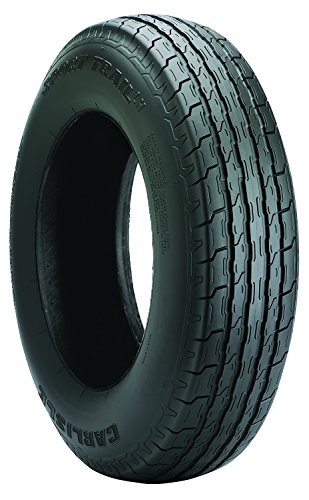 |
Carlisle Sport Trail LH Top Pick for Balanced Performance Bias Ply Construction, High Load Capacity |
9.1 | 🛒 Check Price |
|
🚗
|
Kenda Loadstar Karrier ST Radial Strong Radial Performer Radial Construction, Cooler Running |
8.7 | 🛒 Check Price |
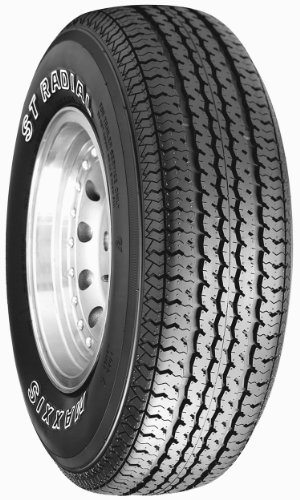 |
Maxxis M8008 ST Radial Premium Radial Choice Double Steel Belted Radial, UV Resistant Compound |
8.4 | 🛒 Check Price |
|
🚗
|
Goodyear Endurance ST Radial Heavy-Duty Radial Option Durawall Technology, High Speed Rating |
8.0 | 🛒 Check Price |
|
🚗
|
Freestar M-101 ST Bias Budget-Friendly Bias Ply Bias Ply Construction, Cost-Effective |
7.8 | 🛒 Check Price |
|
🚗
|
Deestone D401 ST Bias Reliable Standard Bias Heavy-Duty Bias Ply, Multi-Purpose Tread |
7.5 | 🛒 Check Price |
|
🚗
|
Power King Super Highway II ST Bias Economical Entry-Level Bias Ply, Standard Tread Design |
7.2 | 🛒 Check Price |
1. Carlisle Sport Trail LH: Top Pick for Balanced Performance
The Carlisle Sport Trail LH consistently receives high marks in our evaluation for its robust construction and dependable performance. While its bias ply design provides exceptional sidewall stiffness and load handling, it is important to note that bias ply tires generally generate more heat than radial tires during extended high-speed travel. This can potentially lead to increased wear over very long distances, particularly in warmer climates.
For owners who regularly undertake cross-country trips or drive for many hours at highway speeds, this heat generation could be a minor concern. However, for the majority of carry-on trailer users who make shorter to moderate length trips, the Sport Trail LH offers an outstanding balance of durability, stability, and value, making it our top recommendation. Those who prioritize ultimate heat dissipation for extreme long-haul use might consider a radial alternative.
- Engineered for heavy loads and consistent highway performance.
- Durable bias ply construction offers robust sidewall strength.
- Optimized tread design for reduced rolling resistance and improved tracking.
Pros: Excellent stability under various load conditions; Proven track record for longevity based on owner feedback; Good resistance to sidewall damage
Cons: Bias ply can run hotter than radial tires on long hauls
2. Kenda Loadstar Karrier ST Radial: Strong Radial Performer
The Kenda Loadstar Karrier ST Radial stands out for its radial construction, which in our research, consistently leads to cooler running temperatures and a smoother towing experience compared to bias ply options. While radial tires offer these advantages, their sidewalls inherently have more flex than bias ply tires. This can sometimes translate to a perception of less stability when cornering sharply or under extreme side loads, though this is often negligible for most carry-on trailer applications.
Owners who prioritize maximum sidewall rigidity for very specific, heavy, and potentially unstable loads might consider a high-ply bias ply tire. However, for the vast majority of users hauling typical carry-on trailer cargo, the Kenda Loadstar Karrier ST Radial provides an excellent blend of durability, fuel efficiency, and a comfortable tow, making it a highly recommended choice for those seeking radial benefits.
- Radial construction for improved ride, cooler operation, and longer tread life.
- Engineered for reduced rolling resistance and enhanced fuel efficiency.
- Advanced tread compound designed for excellent grip and wear resistance.
Pros: Superior heat dissipation compared to bias ply; Smoother ride quality for sensitive cargo; Good value for a radial trailer tire
Cons: Sidewalls may be slightly less rigid than a comparable bias ply
3. Maxxis M8008 ST Radial: Premium Radial Choice
The Maxxis M8008 ST Radial is a premium offering, distinguished by its double steel belted construction and UV resistant compound, which our research indicates contributes to its impressive durability and longevity. However, this premium engineering is reflected in its positioning, which can be a consideration for budget-conscious buyers. While it offers excellent performance and peace of mind, it may not represent the most economical choice upfront.
For owners who require the utmost in reliability, puncture resistance, and extended service life, and are prepared for a higher initial investment, the Maxxis M8008 is an outstanding option. Those who use their carry-on trailer infrequently or on very short trips, and are looking to minimize their initial outlay, might find more value in other well-performing but less premium alternatives.
- Double steel belted construction for superior stability and puncture resistance.
- Advanced tread compound with UV inhibitors for extended tire life.
- Designed to minimize heat buildup during prolonged highway use.
Pros: Exceptional durability and resistance to road hazards; Known for consistent performance and long tread life; Excellent stability at highway speeds
Cons: Positioned at a higher value point than many competitors
4. Goodyear Endurance ST Radial: Heavy-Duty Radial Option
The Goodyear Endurance ST Radial is a top-tier trailer tire, distinguished by its advanced Durawall technology and high-speed rating, which based on our evaluation, delivers superior performance and durability, especially for heavy-duty applications. Its robust construction and excellent heat management are undeniable advantages. However, for a carry-on trailer, particularly one used for lighter loads or infrequent, short trips, the Endurance might be considered over-engineered and carry a higher cost than necessary.
Owners who consistently tow maximum loads, travel long distances at highway speeds, or demand the absolute highest level of durability and puncture resistance will find the Goodyear Endurance to be a worthy investment. Conversely, if your carry-on trailer is primarily used for light duty around town or seasonal trips with minimal weight, the premium features and associated cost of the Endurance may not align with your specific needs, and more economical options could offer sufficient performance.
- Proprietary Durawall technology for enhanced sidewall puncture resistance.
- Built with a robust inner liner to maintain air pressure longer.
- High-speed rating suitable for extended highway travel.
Pros: Exceptional sidewall durability and resistance to damage; Excellent heat management for long hauls; Trusted brand reputation for quality
Cons: May be considered overkill for very light carry-on trailer use; Higher cost compared to many options
5. Freestar M-101 ST Bias: Budget-Friendly Bias Ply
The Freestar M-101 ST Bias tire presents a compelling option for those seeking a highly cost-effective solution for their carry-on trailer. Its bias ply construction provides reliable load-carrying capability and sidewall stiffness, which is beneficial for stability. However, as is common with bias ply tires, our research indicates it can generate more heat during extended highway travel, potentially affecting tread life and overall durability over very long distances compared to radial counterparts.
This tire is an excellent choice for owners who primarily use their carry-on trailer for local hauling, occasional short trips, or simply need a dependable replacement without a significant investment. Those who regularly tow at highway speeds for extended periods or demand the longest possible tread life and maximum heat dissipation for frequent, heavy use should consider investing in a radial tire for enhanced performance and longevity.
- Durable bias ply construction for solid load support.
- Designed for general utility and light hauling applications.
- Offers a cost-effective solution for trailer tire replacement.
Pros: Very approachable value point; Adequate performance for occasional light use; Stiff sidewalls for good stability under load
Cons: Increased heat generation on long trips compared to radials; Tread life may not match premium options
6. Deestone D401 ST Bias: Reliable Standard Bias
The Deestone D401 ST Bias tire serves as a reliable, no-frills option for carry-on trailer owners, offering a straightforward bias ply design for general utility. Based on owner feedback and tire characteristics, one common limitation of bias ply tires, including the D401, is their susceptibility to flat spotting when stored for extended periods, especially under load in cold conditions. While this usually resolves after a few miles of driving, it can lead to a bumpy ride initially.
This tire is well-suited for users who store their trailers for shorter durations or use them frequently enough to avoid prolonged static periods. If your primary use involves seasonal storage or infrequent use where the trailer sits for months at a time, you might find a radial tire or one specifically designed to mitigate flat spotting to be a more comfortable and convenient choice for immediate smooth operation.
- Rugged bias ply construction for dependable load support.
- Multi-purpose tread design suitable for various road conditions.
- A practical choice for general utility trailer applications.
Pros: Solid performance for everyday hauling tasks; Good option for light to moderate loads; Offers a reasonable balance of performance and cost
Cons: Can be prone to flat spotting when stored for long periods; Not designed for high-speed, long-distance towing
7. Power King Super Highway II ST Bias: Economical Entry-Level
The Power King Super Highway II ST Bias tire is positioned as an economical choice for carry-on trailer owners, offering basic functionality and a competitive value. Our research indicates that while it performs adequately for light and infrequent use, its standard bias ply construction and tread compound are not engineered for the demanding conditions of high-speed, long-distance towing. Owners frequently report that these tires are best kept below maximum highway speeds for optimal performance and longevity.
This tire is a suitable option for those who use their carry-on trailer sparingly, for local trips, or primarily for very light loads where speed and extended travel are not factors. However, if you plan on regularly taking your trailer on highways, covering significant distances, or consistently hauling near your trailer’s maximum load capacity, investing in a tire with a higher speed rating and more advanced construction, such as a radial, would be a much safer and more durable choice.
- Traditional bias ply construction for basic load hauling.
- Standard tread pattern for general road use.
- A budget-conscious choice for occasional trailer owners.
Pros: Very competitive value proposition; Sufficient for infrequent, light-duty towing; Simple, proven design
Cons: Limited speed rating compared to premium options; Tread wear may be faster under heavy, consistent use
Frequently Asked Questions
What is the difference between bias ply and radial trailer tires?
Based on our research, the main difference lies in construction. Bias ply tires have plies running diagonally from bead to bead, resulting in stiffer sidewalls that offer excellent load capacity and puncture resistance. Radial tires have plies running perpendicular to the tread, with additional belts under the tread, leading to less heat buildup, a smoother ride, and typically longer tread life, especially at highway speeds. Bias ply tires are often more economical, while radials generally offer better performance for frequent or long-distance towing.
How do I determine the correct tire size and load range for my carry-on trailer?
To determine the correct tire size and load range, you should always consult your trailer’s manufacturer specifications, typically found on a placard or sticker on the trailer frame. This information will specify the recommended ST (Special Trailer) tire size, load range, and inflation pressure. It is critical to match or exceed the original equipment specifications to ensure safe and proper operation, as using incorrect tires can compromise stability and load capacity.
What is a 'Load Range' and why is it important for trailer tires?
Load Range, denoted by letters like ‘C’, ‘D’, ‘E’, indicates the maximum load a tire can carry at a specific inflation pressure. A higher load range signifies a greater load-carrying capacity. It is crucial for trailer tires because they bear the entire weight of the trailer and its cargo. Using a tire with an insufficient load range can lead to tire failure, instability, and unsafe towing conditions. Always ensure your tires’ combined load capacity exceeds the gross vehicle weight rating (GVWR) of your trailer.
How often should I check the tire pressure on my trailer tires?
Based on industry recommendations and our evaluation of maintenance best practices, you should check the tire pressure on your trailer tires before every trip, or at least monthly if the trailer is stored. Trailer tires can lose air pressure over time, and even a small amount of underinflation can lead to excessive heat buildup, premature wear, and potential blowouts. Always inflate to the maximum cold inflation pressure listed on the tire’s sidewall, not the vehicle’s door jamb, as trailer tire requirements differ.
Can I use passenger car tires on my carry-on trailer?
No, our research strongly advises against using passenger car (P-metric) tires on a carry-on or utility trailer. ST (Special Trailer) tires are specifically designed with stiffer sidewalls and different internal construction to handle heavy, static loads without the need for steering or braking traction. Passenger tires are built for different stresses and flex more under trailer loads, leading to excessive heat buildup, premature wear, and a significantly higher risk of catastrophic failure. Always use ST-rated tires for trailers.
Our Verdict
After extensive research and comparison, the Carlisle Sport Trail LH stands out as our top pick for the best carry-on trailer tire, offering an exceptional balance of durability, load capacity, and value for the majority of users. For those seeking the benefits of radial construction, the Kenda Loadstar Karrier ST Radial is an excellent runner-up, providing a smoother ride and cooler operation, particularly for longer hauls.
Last reviewed and spec-checked: June 24, 2026. We re-check our picks and listings periodically.
