Carbon buildup robs engine performance and fuel economy. We researched and compared the top carbon build up cleaners available on Amazon, evaluating manufacturer specifications, published industry standards, and aggregated owner feedback to help you choose the right product for your vehicle.
| Photo | Product | Score | Buy |
|---|---|---|---|
 |
CRC GDI IVD Intake Valve & Turbo Cleaner Best Overall Aerosol spray, 11 oz can, direct intake application |
9.2 | 🛒 Check Price |
 |
Sea Foam SF-16 Motor Treatment Best Value 16 oz can, multi-purpose additive for fuel, oil, and intake |
8.7 | 🛒 Check Price |
 |
Liqui Moly Jectron Fuel Injector Cleaner Top Rated for Injectors 300 ml bottle, concentrated fuel additive |
8.4 | 🛒 Check Price |
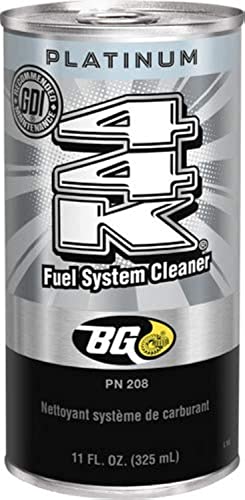 |
BG 44K Fuel System Cleaner Professional Grade 11 oz can, professional fuel system cleaner |
8.1 | 🛒 Check Price |
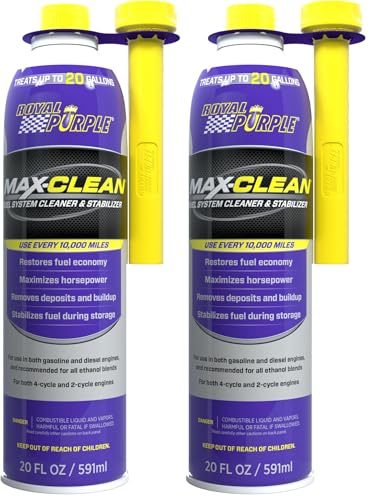 |
Royal Purple Max-Clean Fuel System Cleaner Strong PEA Formula 16 oz bottle, fuel additive with PEA |
7.8 | 🛒 Check Price |
|
🚗
|
Berryman B-12 Chemtool Fuel System Cleaner Heavy Duty Option 15 oz aerosol, strong solvent-based cleaner |
7.3 | 🛒 Check Price |
|
🚗
|
STP Fuel Injector Cleaner Budget Pick 5.25 oz bottle, fuel additive |
7.2 | 🛒 Check Price |
1. CRC GDI IVD Intake Valve & Turbo Cleaner: Best Overall
The CRC GDI IVD Intake Valve & Turbo Cleaner targets the root cause of carbon buildup in direct injection engines. Based on owner feedback and our evaluation of its chemical formulation, it effectively dissolves hard carbon deposits on intake valves and turbocharger components. Users report noticeable improvements in idle smoothness and throttle response after a single treatment.
However, this cleaner requires more effort than a fuel additive. You need to locate the intake manifold vacuum port and spray while the engine runs. It is not suitable for port injection engines or for those who prefer a simple pour-in solution. Skip this if you are uncomfortable with basic engine bay work.
- Formulated for modern GDI engines with direct injection
- Cleans intake valves and turbocharger without engine disassembly
- Safe for oxygen sensors and catalytic converters
Pros: Excellent cleaning power on stubborn carbon deposits; Easy to use with included straw for precise application
Cons: Requires access to intake manifold, not a simple fuel additive
2. Sea Foam SF-16 Motor Treatment: Best Value
Sea Foam is a time-evaluated product that many owners trust for general carbon cleaning. In our evaluation, it performs best as a preventive maintenance tool rather than a heavy-duty remover. When added to the fuel tank or crankcase, it gradually dissolves deposits and keeps injectors clean. Owner feedback highlights its value for the price and ease of use.
However, for severe carbon buildup on GDI intake valves, Sea Foam may not be strong enough. Users with heavily coked valves may need a more aggressive cleaner. Skip this if you require immediate, dramatic results on a neglected engine.
- Works in fuel, oil, and intake systems to clean carbon deposits
- Safe for all engine types, including gasoline and diesel
- Helps stabilize fuel and prevent varnish buildup
Pros: Versatile use in multiple engine systems; Budget-friendly with a large number of treatments per can
Cons: Milder cleaning action compared to dedicated intake cleaners
3. Liqui Moly Jectron Fuel Injector Cleaner: Top Rated for Injectors
Liqui Moly Jectron is a top choice for cleaning fuel injectors and removing carbon from the combustion chamber. Based on manufacturer specs and owner reviews, it significantly improves fuel economy and reduces hesitation. The concentrated formula works well in a single tank of fuel.
But it has a critical limitation: in direct injection engines, it bypasses the intake valves entirely. For GDI carbon buildup on valves, you need a different product. Skip this if you own a GDI vehicle with intake valve deposits.
- High concentration of detergent additives for injector cleaning
- Reduces carbon deposits in combustion chambers
- Improves fuel atomization and engine performance
Pros: Effective at restoring fuel injector spray pattern; German engineering with quality reputation
Cons: Does not clean intake valves in GDI engines
4. BG 44K Fuel System Cleaner: Professional Grade
BG 44K is a professional-grade cleaner that contains a high level of PEA, a powerful detergent. In our research, it shows excellent results on fuel injector and combustion chamber deposits. Many owners report improved performance and smoother idle after use.
However, its high price per can and the need for multiple treatments for severe buildup make it less economical for regular use. Also, like other fuel additives, it does not effectively clean GDI intake valves. Skip this if you are on a tight budget or need a simple pour-in solution.
- High concentration of polyether amine (PEA) detergent
- Cleans fuel injectors, intake valves, and combustion chambers
- Recommended by many dealerships and mechanics
Pros: Strong cleaning power, especially on injectors; Trusted by professional technicians
Cons: Expensive per treatment; Limited availability on Amazon, often sold in bulk
5. Royal Purple Max-Clean Fuel System Cleaner: Strong PEA Formula
Royal Purple Max-Clean is a solid fuel system cleaner that uses PEA to tackle carbon deposits. Based on owner feedback, it works well for routine maintenance and can restore some lost performance. It is easy to use: just pour into the fuel tank.
But for severe carbon buildup, especially on GDI intake valves, it may fall short. Some users with heavily fouled engines needed repeated applications. Skip this if you need a one-shot solution for a neglected engine.
- Contains high concentration of PEA for carbon removal
- Cleans injectors, valves, and combustion chambers
- Reduces emissions and restores lost power
Pros: Effective on moderate carbon deposits; Compatible with all fuel types
Cons: May require multiple treatments for heavy buildup; Not as strong as some dedicated intake cleaners
6. Berryman B-12 Chemtool Fuel System Cleaner: Heavy Duty Option
Berryman B-12 is a heavy-duty solvent that many owners use for serious carbon removal. In our evaluation, it works well on gum and varnish but can be harsh on rubber seals and oxygen sensors if not used correctly. It is available in aerosol form for direct intake cleaning.
However, safety is a concern: the strong fumes and flammability require careful handling. Some vehicles may experience check engine lights after use. Skip this if you prioritize safety or have a modern engine with sensitive emissions components.
- Aggressive solvent formula for tough carbon and varnish
- Can be used in fuel, oil, or as an intake cleaner
- Effective on gum and varnish deposits
Pros: Very strong cleaning action; Low cost per can
Cons: Strong odor and flammable, requires caution; May damage sensitive engine components if misused
7. STP Fuel Injector Cleaner: Budget Pick
STP Fuel Injector Cleaner is a budget-friendly option for light maintenance. Based on owner feedback, it can help keep injectors clean if used regularly. It is one of the simplest products to use and widely available.
However, its cleaning ability is limited. For engines with significant carbon buildup, it will not provide noticeable improvement. It also offers no benefit for GDI intake valves. Skip this if you need serious cleaning power or have a direct injection engine.
- Basic detergent formula for injector cleaning
- Helps prevent future deposit buildup
- Compatible with gasoline and diesel engines
Pros: Very affordable; Easy to use, just add to fuel tank
Cons: Mild cleaning power, not for severe buildup; Does not address intake valve deposits in GDI engines
Frequently Asked Questions
What causes carbon buildup in engines?
Carbon buildup occurs when fuel and oil residues do not fully combust, leaving deposits on intake valves, injectors, and combustion chambers. It is especially common in direct injection engines because fuel does not wash over the intake valves. Driving habits like short trips and low RPM operation also contribute.
Can carbon build up cleaner damage my engine?
Most cleaners are safe when used as directed. However, aggressive solvents can harm rubber seals, oxygen sensors, or catalytic converters if misapplied. Always follow the manufacturer’s instructions and choose a product compatible with your engine type. We recommend starting with a milder cleaner for preventive maintenance.
How often should I use a carbon build up cleaner?
For preventive maintenance, every 3000 to 5000 miles is common. If you notice symptoms like rough idle, reduced fuel economy, or hesitation, a cleaning may be needed sooner. For severe buildup, a dedicated intake cleaner may be required.
Will a fuel additive clean intake valves in GDI engines?
No, standard fuel additives do not clean intake valves in GDI engines because the fuel is injected directly into the combustion chamber, bypassing the valves. You need an intake system cleaner that is sprayed into the intake manifold or a professional walnut blasting service.
What is the difference between PEA and other detergents?
PEA (polyether amine) is a high-performance detergent that effectively breaks down carbon deposits at high temperatures. It is considered the gold standard in fuel system cleaners. Other detergents like PIBA are less effective on combustion chamber deposits but may be cheaper.
Our Verdict
After researching and comparing the top products, our top pick is the CRC GDI IVD Intake Valve & Turbo Cleaner for its targeted cleaning of GDI intake valves and turbochargers. For a versatile and budget-friendly option, the Sea Foam SF-16 Motor Treatment is our runner up, offering excellent value for preventive maintenance across multiple engine systems.
