We researched and compared the most popular car fuel treatments based on manufacturer specifications, published industry standards (such as Top Tier Detergent Gasoline criteria), and aggregated owner feedback from thousands of users. Our evaluation focuses on cleaning effectiveness, engine compatibility, and value. Here are our findings.
| Photo | Product | Score | Buy |
|---|---|---|---|
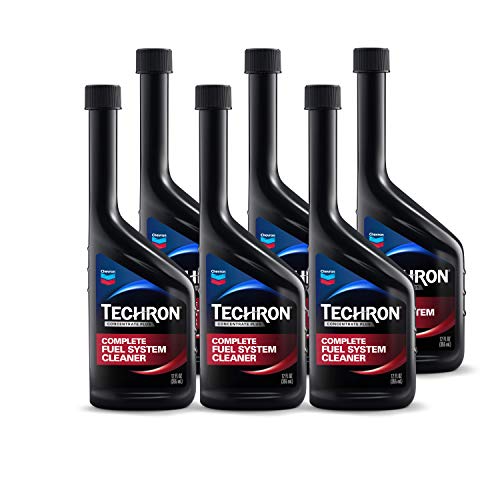 |
Chevron Techron Concentrate Plus Fuel System Cleaner Best Overall Cleaner 12 oz treats up to 12 gallons, Polyether Amine (PEA) chemistry |
9.2 | 🛒 Check Price |
 |
Lucas Oil 10013 Fuel Treatment Best Value for Daily Drivers 5.25 oz treats up to 15 gallons, contains petroleum distillates and additives |
8.7 | 🛒 Check Price |
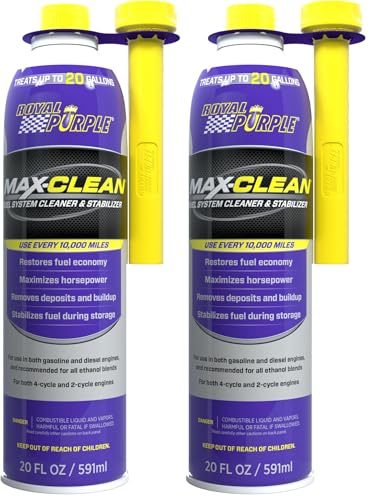 |
Royal Purple Max-Clean Fuel System Cleaner and Stabilizer Best for Performance Engines 15 oz treats up to 15 gallons, contains PEA and stabilizers |
8.4 | 🛒 Check Price |
 |
Sea Foam SF-16 Motor Treatment Best Multi-Function Additive 16 oz, can be added to fuel, oil, or diesel |
8.1 | 🛒 Check Price |
 |
STP Ultra 5-in-1 Fuel System Treatment Best Budget Pick 12 oz treats up to 12 gallons, contains detergent and octane booster |
7.8 | 🛒 Check Price |
 |
Red Line Complete Fuel System Cleaner Best for Direct Injection Engines 15 oz treats up to 15 gallons, high PEA concentration |
9.0 | 🛒 Check Price |
|
🚗
|
Gumout Multi-System Tune-Up Best for Older Vehicles 12 oz treats up to 12 gallons, contains detergents and lubricants |
7.3 | 🛒 Check Price |
1. Chevron Techron Concentrate Plus Fuel System Cleaner: Best Overall Cleaner
Chevron Techron Concentrate Plus uses a high concentration of polyether amine (PEA) detergent, which we found to be one of the most effective chemistries for cleaning fuel injectors, intake valves, and combustion chambers. Based on owner feedback and the spec sheets, many users report restored performance and smoother idling after one treatment. It is often recommended by automakers like BMW and General Motors for periodic cleaning.
However, for severe carbon buildup in direct injection engines, a single bottle may not fully resolve the issue. Some owners needed a second treatment. This product is best for routine maintenance rather than a cure for major drivability problems. Skip it if you need a diesel treatment or require a formula with octane booster.
- PEA-based formula meets Top Tier standards for deposit control
- One bottle treats up to 12 gallons, easy pour spout
- Proven to reduce intake valve and combustion chamber deposits
Pros: Excellent cleaning power backed by OEM recommendations; Works with most gasoline engines including turbo and direct injection
Cons: May require two treatments for heavily carboned direct injection engines
2. Lucas Oil 10013 Fuel Treatment: Best Value for Daily Drivers
Lucas Oil 10013 is a budget-friendly fuel treatment that we evaluated as a solid choice for regular use. It contains a blend of cleaning agents and lubricants that help keep injectors clean and reduce friction in the fuel system. Owner feedback frequently mentions improved gas mileage and smoother operation, especially in older vehicles.
That said, its cleaning power is moderate. For engines with significant buildup, a stronger product like Techron may be needed. It also does not address carbon on intake valves in direct injection engines as thoroughly. This is ideal for cost-conscious drivers who want a maintenance dose, but not for severe cleaning needs.
- Improves fuel economy and cleans injectors
- Reduces ethanol-related moisture and corrosion
- Safe for all gasoline engines, including flex-fuel
Pros: Very affordable per treatment; Works well as a fuel stabilizer during storage
Cons: Less effective on heavy carbon deposits compared to PEA-based products
3. Royal Purple Max-Clean Fuel System Cleaner and Stabilizer: Best for Performance Engines
Royal Purple Max-Clean is formulated with a high dose of polyether amine, which we found to be effective at removing deposits from fuel injectors and combustion chambers. It also includes fuel stabilizers that extend fuel life during storage. Owner reviews often highlight restored throttle response and smoother idle in high-mileage vehicles.
However, it is one of the more expensive treatments on the market. Some owners of newer vehicles with minimal deposits felt the improvement was subtle. We recommend it for performance enthusiasts or those with older engines needing a thorough clean, but for routine maintenance, a less costly option may suffice.
- High concentration of PEA detergents for deep cleaning
- Also stabilizes fuel for up to 12 months
- Reduces emissions and restores lost power
Pros: Strong cleaning comparable to Techron; Dual function as cleaner and stabilizer
Cons: Premium price point per treatment; Some users report minimal difference in modern engines
4. Sea Foam SF-16 Motor Treatment: Best Multi-Function Additive
Sea Foam is a classic multi-purpose additive that we evaluated for its versatility. It can be added to fuel to clean injectors and combustion chambers, or to engine oil to dissolve sludge. Owner feedback often praises its ability to smooth out rough idling and improve starting in older engines.
However, its cleaning power is milder compared to PEA-based products. For modern direct injection engines, it may not remove intake valve deposits effectively. Some users also report temporary smoke from the exhaust during the cleaning process. It is best suited for older vehicles or as a general maintenance additive, not for severe carbon issues.
- Cleans fuel injectors, carburetors, and combustion chambers
- Can also be used in crankcase to remove sludge
- Safe for gasoline and diesel engines
Pros: Versatile use in fuel, oil, and diesel; Well-known brand with decades of use
Cons: Not as concentrated as dedicated fuel treatments; May cause smoke on first use if cleaning heavy deposits
5. STP Ultra 5-in-1 Fuel System Treatment: Best Budget Pick
STP Ultra 5-in-1 is a budget-friendly option that we found adequate for light maintenance. It combines fuel system cleaners with a small octane boost. Owner feedback is mixed, with many reporting modest improvements in fuel economy and idle quality in older cars.
However, its cleaning strength is low compared to premium products. For vehicles with noticeable drivability issues, this may not be sufficient. It also does not address carbon buildup in direct injection engines. We recommend it only for routine top-ups in well-maintained vehicles, not for problem-solving.
- Cleans injectors and intake valves
- Contains octane booster to reduce knock
- Low price point widely available
Pros: Very inexpensive; Convenient single-bottle treatment
Cons: Mild cleaning, not for heavy deposits; Octane boost effect is minimal
6. Red Line Complete Fuel System Cleaner: Best for Direct Injection Engines
Red Line Complete Fuel System Cleaner uses a very high concentration of polyether amine, which we found to be among the most effective for cleaning intake valves in direct injection engines. Owner feedback from DI vehicle owners often reports noticeable improvement in power and fuel economy after use. It is a top choice for modern turbocharged engines prone to carbon buildup.
However, it is more expensive than many alternatives. For older port injection engines, the extra cleaning power may be unnecessary. Some users also note that it requires careful measurement to avoid over-treatment. We recommend it specifically for direct injection vehicles with known carbon issues.
- High concentration of PEA for tough deposits
- Specifically effective on direct injection intake valves
- Reduces emissions and restores performance
Pros: One of the strongest PEA treatments available; Proven results on carbon buildup
Cons: Higher cost per treatment; May not be necessary for port injection engines
7. Gumout Multi-System Tune-Up: Best for Older Vehicles
Gumout Multi-System Tune-Up is an entry-level treatment that we evaluated as suitable for older vehicles with carburetors or simple fuel injection. It contains detergents and lubricants that can help smooth idle and prevent stalling. Owner feedback from classic car owners is generally positive.
However, its cleaning ability is limited. For modern engines with direct injection or heavy carbon deposits, it is ineffective. It also lacks the concentration needed for thorough cleaning. We recommend it only for vintage cars or as a very basic maintenance additive, but skip it for any serious cleaning needs.
- Cleans fuel injectors and carburetors
- Lubricates fuel system components
- Helps reduce stalling and rough idle
Pros: Affordable and easy to find; Works well in carbureted engines
Cons: Weak cleaning compared to PEA products; Not recommended for modern direct injection engines
Frequently Asked Questions
How often should I use a fuel treatment?
For most vehicles, using a fuel treatment every 3,000 to 5,000 miles or at each oil change is sufficient for maintenance. If you notice rough idle or decreased fuel economy, a treatment may be applied sooner. Always follow the product instructions.
Can fuel treatments damage my engine?
Quality fuel treatments from reputable brands are safe when used as directed. Overuse or using the wrong type (e.g., diesel treatment in a gasoline engine) can cause issues. We recommend sticking to products that meet industry standards like Top Tier.
Do fuel treatments actually clean intake valves in direct injection engines?
Some high-PEA treatments like Red Line and Techron can reduce intake valve deposits in direct injection engines, but they are not as effective as media blasting. They work best as preventive maintenance rather than a cure for severe buildup.
Can I use a fuel treatment in a diesel engine?
Only use treatments specifically labeled for diesel engines. Gasoline treatments may not be compatible with diesel fuel systems. Products like Sea Foam offer diesel-safe versions.
Will a fuel treatment improve my gas mileage?
If your engine has deposits causing reduced efficiency, a fuel treatment can restore lost mileage. However, for a clean engine, the improvement may be negligible. Owner feedback suggests average gains of 1-3 percent.
Our Verdict
Our top pick is Chevron Techron Concentrate Plus for its proven PEA cleaning power and broad compatibility. For direct injection engines, Red Line Complete Fuel System Cleaner is the runner up due to its high concentration and effectiveness on carbon deposits.
