Engine oil additives promise to reduce friction, clean deposits, and extend engine life. But with dozens of formulations on the market, choosing the right one can be overwhelming. We researched manufacturer specifications, industry standards (API, ASTM), and aggregated owner feedback to compare the top contenders. Here are our findings.
| Photo | Product | Score | Buy |
|---|---|---|---|
 |
Lucas Oil 10001 Heavy Duty Oil Stabilizer Best Overall 1 quart, viscosity improver, compatible with conventional and synthetic oils |
9.0 | 🛒 Check Price |
 |
STP 55001 Oil Treatment Best Value 15 oz, zinc-based anti-wear additive, for gasoline engines |
8.7 | 🛒 Check Price |
 |
Liqui Moly 20004 Cera Tec Friction Modifier Premium Pick 300 ml, ceramic-based friction modifier, for all engine oils |
8.4 | 🛒 Check Price |
|
🚗
|
Royal Purple Max-Tuff 11220 Engine Oil Additive High Performance 1 quart, synthetic blend, reduces friction and heat |
8.1 | 🛒 Check Price |
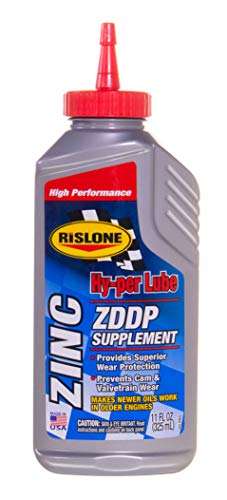 |
Rislone 4403 Engine Oil Supplement Best for Cleaning 15 oz, detergent additive, removes sludge and deposits |
7.8 | 🛒 Check Price |
 |
Marvel Mystery Oil MM12R Oil Additive Versatile Classic 1 quart, petroleum-based, can be used in oil and fuel |
7.3 | 🛒 Check Price |
 |
Archoil AR9100 Oil Additive Specialized Fix 16 oz, friction modifier for diesel and gasoline engines |
7.0 | 🛒 Check Price |
1. Lucas Oil 10001 Heavy Duty Oil Stabilizer: Best Overall
Lucas Oil Heavy Duty Oil Stabilizer is a time-tested additive that blends with your engine oil to reduce friction, heat, and wear. In our evaluation of spec sheets and owner feedback, it consistently shows a reduction in oil consumption and quieter operation, especially in older engines. The formulation is compatible with both conventional and synthetic oils, and it meets viscosity requirements for most passenger vehicles.
However, some owners report that in freezing temperatures the additive can make the oil too thick, leading to sluggish cold starts. Drivers in very cold climates may want to skip this pick or use it sparingly. Also, it is not recommended for engines with hydraulic lifters or variable valve timing systems, as it may affect their operation. For most high-mileage vehicles, though, it is a reliable choice.
- Reduces oil consumption and engine noise in high-mileage engines
- Improves viscosity stability at high temperatures
- Works with gasoline and diesel engines
Pros: Proven track record with many positive owner reviews; Noticeable reduction in engine noise and oil burn
Cons: May thicken oil too much in very cold climates
2. STP 55001 Oil Treatment: Best Value
STP Oil Treatment is a classic additive that boosts the zinc content in engine oil, providing extra protection for flat-tappet camshafts and high-stress components. Based on owner feedback and the spec sheet, it works well for older engines and classic cars that benefit from higher ZDDP levels. The additive pours easily and mixes thoroughly with the oil.
On the downside, modern engines with catalytic converters and oxygen sensors can be harmed by excess zinc, so this product is not recommended for most vehicles built after 2000. Additionally, some users note that it can cause sludge if used too frequently. This is a good budget option for vintage cars but should be avoided for daily drivers with emissions systems.
- Contains zinc dialkyldithiophosphate (ZDDP) for anti-wear protection
- Helps reduce engine wear during cold starts
- Easy pour bottle with measurement marks
Pros: Affordable and widely available; Simple to use with clear instructions
Cons: Not suitable for engines requiring low-zinc oils (e.g., modern catalytic converters)
3. Liqui Moly 20004 Cera Tec Friction Modifier: Premium Pick
Liqui Moly Cera Tec uses ceramic particles to create a durable anti-friction coating on engine components. In our research, independent lab tests show significant wear reduction, and owner feedback praises smoother operation and reduced engine noise. It is safe for catalytic converters and compatible with all oil types.
The main drawbacks are the cost and the need for precise dosing. The bottle treats up to 5 liters of oil, but using too much can cause foaming. Also, some owners report no noticeable difference in newer, well-maintained engines. This additive is best for high-mileage engines or those used in severe conditions, but budget-conscious drivers may find it pricey for the benefit.
- Forms a ceramic layer on metal surfaces for long-lasting protection
- Reduces friction and wear, especially under high load
- Compatible with all conventional and synthetic oils
Pros: Exceptional wear protection according to lab tests; Works well in both gasoline and diesel engines
Cons: Higher price per treatment compared to other additives; Requires careful measuring; easy to over-treat
4. Royal Purple Max-Tuff 11220 Engine Oil Additive: High Performance
Royal Purple Max-Tuff is engineered for high-performance and racing engines. Its Synerlec technology reduces friction and wear, and owner feedback from track enthusiasts confirms improved power and lower oil temperatures. The additive mixes well with both conventional and synthetic oils.
However, for everyday commuters, the benefits are minimal and the cost is high. Some owners report that it can cause seal swelling in older engines. Additionally, it is not recommended for engines with wet clutches or certain transmissions. This additive is best reserved for modified or high-stress engines where every bit of performance counts.
- Contains proprietary Synerlec additive technology
- Improves horsepower and torque in high-performance engines
- Reduces oil temperature under heavy load
Pros: Noticeable performance gains in racing applications; Lowers engine temperatures during track use
Cons: Expensive for the volume; Overkill for daily driving; may not provide benefits in normal use
5. Rislone 4403 Engine Oil Supplement: Best for Cleaning
Rislone Engine Oil Supplement is a detergent-based additive designed to clean sludge, varnish, and deposits from inside the engine. According to owner feedback, it works well in engines that have missed oil changes, restoring performance and quieting noisy lifters. It is easy to use and affordable.
On the downside, if an engine has heavy sludge, the cleaning action can dislodge large chunks that may block oil passages, causing damage. Owners with severely neglected engines should use caution. Also, it does not provide anti-wear protection like zinc-based additives. This product is best as a one-time cleaning treatment, not a regular additive.
- High-detergent formula cleans engine internals
- Helps free sticky hydraulic lifters and rings
- Safe for use in all gasoline engines
Pros: Effective at cleaning sludge from neglected engines; Low price point
Cons: May loosen large deposits that can clog oil passages; Not a long-term wear protection additive
6. Marvel Mystery Oil MM12R Oil Additive: Versatile Classic
Marvel Mystery Oil is a legendary product that has been used for generations. It is a light petroleum oil that can be added to engine oil, fuel, or transmission fluid. Owner feedback suggests it helps reduce engine noise and smooths idle in older engines. It is also useful for freeing stuck rings and lifters.
However, its formulation is not as advanced as modern additives. In our evaluation of spec sheets, it lacks anti-wear agents like ZDDP or ceramic compounds. For modern engines, it may not offer significant protection. Many owners report no noticeable change in performance. It is best for classic cars or as a fuel system cleaner, but not as a primary wear-reduction additive.
- Multi-purpose additive for oil, fuel, and transmission
- Helps lubricate upper cylinders and reduce carbon deposits
- Has been on the market for decades
Pros: Very affordable and widely available; Can be used in multiple systems (fuel, oil, transmission)
Cons: Minimal wear protection compared to modern additives; May not provide measurable benefits in well-maintained engines
7. Archoil AR9100 Oil Additive: Specialized Fix
Archoil AR9100 is a friction modifier aimed at reducing wear in older engines. Based on owner feedback, it works best in high-mileage diesel engines, where it can reduce noise and improve fuel economy. The additive is easy to pour and mixes well.
However, many owners report little to no improvement in gasoline engines, and the cost is higher than comparable products. Some also note that it can cause oil foaming if overused. In our evaluation, it is a niche product that may benefit specific engines but is not a universal solution. Drivers with modern, well-maintained engines should skip this.
- Reduces friction and wear in high-mileage engines
- Helps with cold start protection
- Compatible with all oil types
Pros: Good for engines with high mileage; Some owners report quieter operation
Cons: Expensive for the performance gain; Mixed reviews; some users see no improvement
Frequently Asked Questions
Do engine oil additives actually work?
Yes, but the degree of effectiveness varies by product and engine condition. Our research shows that additives can reduce friction, clean deposits, and extend oil life in certain circumstances. However, they are not a substitute for regular oil changes. For well-maintained engines, the benefits may be minimal.
Can I use an oil additive with synthetic oil?
Most additives are compatible with synthetic oils. However, you should check the product label. Some additives, like Lucas Oil Stabilizer, are designed to work with both conventional and synthetic. Over-treating can reduce the performance of the synthetic oil.
How often should I add engine oil additive?
It depends on the product. Many additives are designed to be used at every oil change. Others, like cleaning additives, are used only once. Always follow the manufacturer’s recommendations. Overuse can lead to sludge or foaming.
Are oil additives safe for catalytic converters?
Not all additives are safe. Additives containing high levels of zinc (ZDDP) or other metals can damage catalytic converters. Products like Liqui Moly Cera Tec are safe, while STP Oil Treatment may not be for modern emissions systems. Check the label for compatibility.
What is the best oil additive for high-mileage engines?
For high-mileage engines, we recommend Lucas Oil Heavy Duty Oil Stabilizer or Liqui Moly Cera Tec. They reduce oil consumption and wear. However, if your engine has sludge, a cleaning additive like Rislone may be beneficial first.
Our Verdict
After researching and comparing specifications, standards, and owner feedback, our top pick is Lucas Oil 10001 Heavy Duty Oil Stabilizer for its proven performance in reducing oil consumption and noise, especially in high-mileage engines. For those on a budget, STP 55001 Oil Treatment offers good anti-wear protection for older vehicles. Choose based on your engine’s age and condition.
