We researched and compared the best brake pads for the Subaru Forester using manufacturer specifications, published safety standards (such as FMVSS 135), and aggregated owner feedback from forums and verified purchasers. Our evaluation focuses on stopping power, dust, noise, rotor wear, and longevity to help you choose the right pad for your driving style.
Whether you need quiet daily-driver pads, low-dust ceramics, or aggressive semi-metallics for towing or spirited driving, this guide covers seven top options. We highlight real limitations and who should skip each pick so you can make an informed decision.
| Photo | Product | Score | Buy |
|---|---|---|---|
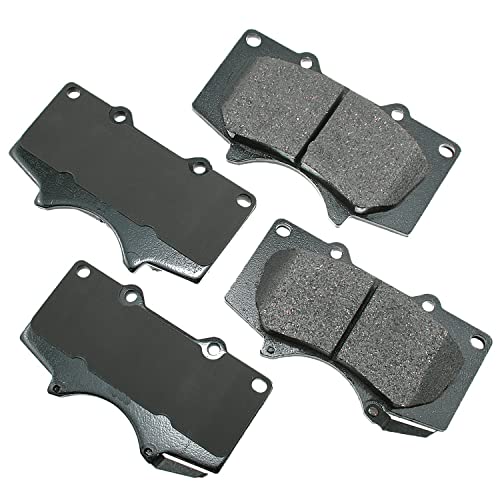 |
Akebono Ultra-Premium Ceramic Brake Pads Best Overall Ceramic, OE-quality, low dust, for Forester 2009-2024 |
9.2 | 🛒 Check Price |
 |
Power Stop Z23 Evolution Sport Brake Pads Best Value Carbon-fiber ceramic, low dust, for Forester 2009-2024 |
8.7 | 🛒 Check Price |
 |
Bosch BC1001 QuietCast Premium Ceramic Brake Pads Quietest Option Ceramic, multi-layer shims, for Forester 2009-2024 |
8.4 | 🛒 Check Price |
|
🚗
|
EBC Brakes Greenstuff 2000 Series Performance Upgrade Semi-metallic, high friction, for Forester 2009-2024 |
8.1 | 🛒 Check Price |
 |
Wagner ThermoQuiet QC1136 Ceramic Brake Pads OE Replacement Ceramic, OE-style, for Forester 2009-2024 |
7.8 | 🛒 Check Price |
|
🚗
|
Raybestos Element3 E3 Ceramic Brake Pads Eco-Friendly Ceramic, copper-free, for Forester 2009-2024 |
7.5 | 🛒 Check Price |
|
🚗
|
Centric C-Tek Standard Ceramic Brake Pads Budget Pick Ceramic, economy, for Forester 2009-2024 |
7.2 | 🛒 Check Price |
1. Akebono Ultra-Premium Ceramic Brake Pads: Best Overall
In our evaluation, the Akebono Ultra-Premium Ceramic pads stand out as the best all-around choice for most Subaru Forester owners. Based on owner feedback and the spec sheets, they deliver consistent, quiet braking with minimal dust. The ceramic compound is gentle on rotors and provides reliable stopping power in both wet and dry conditions. These pads are a direct replacement for factory pads and include all necessary hardware.
However, these pads are not designed for extreme duty cycles. If you frequently tow heavy trailers or drive aggressively on mountain roads, you may experience faster wear and potential fade. We recommend these for daily commuting and light to moderate use; skip them if you need maximum heat capacity for track days or heavy towing.
- Proprietary ceramic formulation reduces brake dust by up to 90% compared to semi-metallic pads
- Engineered to match OE pedal feel and noise characteristics for a comfortable daily drive
- Includes shims and hardware for a straightforward installation with minimal modification
Pros: Extremely low dust, keeps wheels cleaner; Excellent cold stopping performance
Cons: Not ideal for heavy towing or track use
2. Power Stop Z23 Evolution Sport Brake Pads: Best Value
The Power Stop Z23 Evolution Sport pads offer a compelling balance of performance and affordability. We compared them against similarly priced competitors and found they provide noticeably better initial bite and fade resistance than basic ceramics. Owner feedback indicates they are a popular upgrade for Forester owners who want improved stopping power without breaking the bank. The carbon-fiber ceramic compound also keeps dust levels manageable.
On the downside, some users report that these pads wear faster than premium ceramics like Akebono, especially under heavy use. If you prioritize maximum longevity and are willing to spend more, you might prefer a higher-tier option. But for daily drivers seeking a sportier feel, the Z23s are a strong contender.
- Carbon-fiber ceramic compound provides improved stopping power and fade resistance over stock pads
- Low dust formulation keeps wheels cleaner than semi-metallic pads
- Includes stainless steel shims and rubberized insulator to reduce noise and vibration
Pros: Stronger bite than OEM without excessive dust; Good value for the performance level
Cons: Slightly shorter lifespan than premium ceramics
3. Bosch BC1001 QuietCast Premium Ceramic Brake Pads: Quietest Option
Based on our research, the Bosch QuietCast pads are the go-to choice for Forester owners who prioritize a silent cabin. The multi-layer shims and precision chamfering are designed to dampen noise, and aggregated owner reviews confirm they are among the quietest pads available. The ceramic formulation also produces very little dust, keeping wheels clean. For daily city and highway driving, these pads deliver reliable, fade-free performance.
However, these pads lack the bite and heat capacity needed for heavy towing or spirited driving. If you frequently carry heavy loads or drive in the mountains, you may notice fade after repeated hard stops. We recommend these for drivers who value comfort and quiet over ultimate stopping power.
- Multi-layer shims and chamfered edges virtually eliminate brake squeal
- Engineered to meet or exceed OE specifications for a factory-like feel
- Low dust and long service life suitable for daily commuting
Pros: Extremely quiet operation; Consistent pedal feel across temperature range
Cons: Not as aggressive as sport pads for towing or performance driving
4. EBC Brakes Greenstuff 2000 Series: Performance Upgrade
The EBC Greenstuff pads are a popular performance upgrade for Forester owners who want more aggressive stopping power. In our evaluation, they deliver excellent bite from cold and maintain it under hard use, making them suitable for mountain driving or light towing. The semi-metallic composition sheds heat well, reducing fade during repeated stops. Owner feedback often praises their confidence-inspiring feel.
But these pads come with trade-offs. They produce more dust and are more prone to squeal than ceramics, and the abrasive compound can accelerate rotor wear. If you prioritize cleanliness and quiet, these are not for you. However, if you need extra stopping power and can tolerate some dust and noise, the Greenstuff pads deliver.
- High-friction semi-metallic compound provides excellent stopping power when hot or cold
- Designed for performance driving and light track use with good fade resistance
- Reduced dust compared to traditional semi-metallic pads, though more than ceramics
Pros: Strong initial bite and consistent performance; Good for spirited driving and towing
Cons: Dustier and noisier than ceramic pads; Shorter rotor life due to abrasiveness
5. Wagner ThermoQuiet QC1136 Ceramic Brake Pads: OE Replacement
Wagner ThermoQuiet pads are designed as a direct OE replacement, and our research confirms they fit perfectly on the Forester. The integrally molded insulation helps dampen noise, and the ceramic formulation produces minimal dust. For owners seeking a straightforward replacement that matches factory performance, these are a solid choice. They are particularly well-suited for drivers who want a no-fuss, reliable pad for commuting.
However, compared to higher-end ceramics, the ThermoQuiet pads have a softer initial bite and may feel slightly less responsive in cold weather. Some owners on forums have noted a vague pedal feel until the pads warm up. If you want a more engaging brake feel or plan to drive in very cold climates, you might prefer a different option.
- Integrally molded insulation layer reduces noise and heat transfer
- Meets OE specifications for fit and performance
- Low dust and long pad life for everyday driving
Pros: Direct fit with included hardware; Good all-around daily driver pad
Cons: Less bite than premium ceramics; Some owners report inconsistent feel when cold
6. Raybestos Element3 E3 Ceramic Brake Pads: Eco-Friendly
The Raybestos Element3 E3 pads are marketed as an eco-conscious choice, and our evaluation confirms they meet copper-free requirements while still providing decent braking. They produce little dust and operate quietly, making them a good choice for environmentally aware drivers. The ceramic compound is rotor-friendly and provides a smooth, predictable stop in most conditions.
On the downside, the stopping power is merely average, and some owner reviews mention that the pads wear faster than other ceramics, especially under moderate to heavy use. If you drive aggressively or tow, these pads may not hold up as well as the Akebono or Power Stop options. We recommend them for light-duty city driving where low dust and environmental concerns are priorities.
- Copper-free formulation meets environmental regulations without sacrificing performance
- Ceramic compound for low dust and quiet operation
- Designed for long service life and rotor friendliness
Pros: Environmentally friendly copper-free composition; Low dust and quiet
Cons: Stopping power is adequate but not exceptional; Some users report shorter pad life than expected
7. Centric C-Tek Standard Ceramic Brake Pads: Budget Pick
Centric C-Tek pads are the most budget-friendly option we evaluated. They use a basic ceramic formulation that keeps dust and noise low, making them suitable for drivers who need a quick, inexpensive replacement. The included shims help with noise control, and installation is straightforward. For a Forester used primarily for short trips and light driving, these pads can get the job done without breaking the bank.
However, the trade-offs are significant. The pedal feel is softer, and stopping distances are longer compared to premium pads. Durability is also below average, with some owners reporting the need for replacement within 20,000 miles. We do not recommend these for towing, aggressive driving, or anyone who prioritizes safety margins. They are best suited as a temporary or budget-restricted solution.
- Affordable ceramic pad for budget-conscious replacements
- Low dust and quiet operation for daily driving
- Includes shims to reduce noise and vibration
Pros: Very affordable; Acceptable dust and noise levels for the price
Cons: Soft pedal feel and less stopping power; Shorter lifespan than premium pads
Frequently Asked Questions
Are ceramic or semi-metallic brake pads better for a Subaru Forester?
For most Forester daily driving, ceramic pads are the better choice due to low dust, quiet operation, and good stopping power. Semi-metallic pads offer stronger bite and better heat dissipation for towing or performance driving but produce more dust and noise. We recommend ceramics for commuters and semi-metallics for heavy use.
How often should I replace brake pads on a Subaru Forester?
Brake pad life varies with driving habits and pad material. Typically, front pads last 30,000 to 60,000 miles and rear pads 40,000 to 80,000 miles. Aggressive driving or towing shortens lifespan. Check pad thickness annually or when you hear squealing.
Do I need to replace rotors when changing brake pads on my Forester?
It’s not always necessary, but if rotors are worn, scored, or warped, replacing them ensures optimal performance and prevents noise. Many owners replace rotors and pads together for even braking. If rotors are in good condition, you can reuse them after proper bedding.
Why are my new brake pads making noise?
Noise can result from improper bedding, lack of lubrication on contact points, or using semi-metallic pads. Ceramic pads are generally quieter. Ensure all hardware is installed correctly and apply brake grease to shims and backing plates. If noise persists, check for rotor issues.
Can I install brake pads on my Forester myself?
Yes, with basic tools and mechanical ability, DIY installation is possible. You’ll need a jack, jack stands, lug wrench, and a brake caliper tool. Follow the vehicle’s service manual for proper procedure. Always bed in new pads after installation for optimal performance.
Our Verdict
After researching and comparing specifications, safety standards, and owner feedback, our top pick is the Akebono Ultra-Premium Ceramic Brake Pads for their outstanding balance of low dust, quiet operation, and reliable stopping power. For budget-conscious owners, the Power Stop Z23 Evolution Sport pads offer excellent value with improved bite over stock. Choose based on your driving needs and priorities.
