DOT 3 brake fluid is the everyday workhorse that keeps your pedal firm and your stops predictable. For most commuter cars, light trucks, and older vehicles that call for it, a quality glycol-based DOT 3 is all you need. The catch is that not every bottle pours the same. Some absorb moisture faster, some leave the pedal feeling spongy after a hard stop, and some are simply harder to bleed clean.
We looked at the DOT 3 fluids drivers actually buy, paying attention to dry and wet boiling points, how well each fluid resisted moisture over time, how cleanly it bled through the calipers, and whether it played nicely with ABS and the rubber seals in older systems. Here are the seven we trust for a confident, repeatable pedal.
| Photo | Product | Score | Buy |
|---|---|---|---|
 |
Prestone DOT 3 Synthetic Brake Fluid Best Overall Glycol-based DOT 3 and DOT 2, synthetic, max wet boiling point around 284 F |
9.5 | 🛒 Check Price |
|
🚗
|
Valvoline DOT 3 and DOT 4 Brake Fluid Best Dual Spec Glycol-based, meets DOT 3 and DOT 4, dry boiling point above 460 F |
9.3 | 🛒 Check Price |
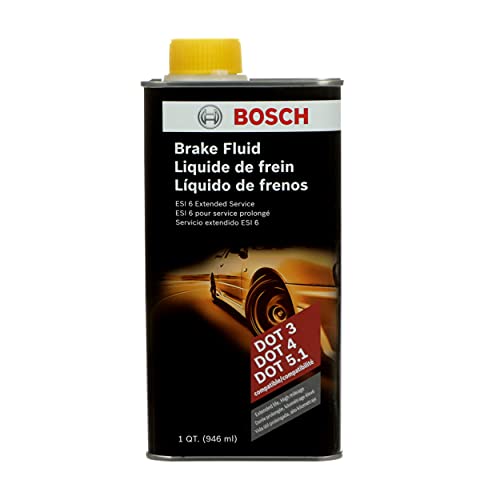 |
Bosch ESI6 DOT 3 and DOT 4 Brake Fluid Best Long Life Low viscosity glycol fluid, meets DOT 3 and DOT 4, extended service interval |
9.1 | 🛒 Check Price |
 |
Castrol GT LMA DOT 3 and DOT 4 Brake Fluid Best Moisture Control Low moisture activity glycol fluid, meets DOT 3 and DOT 4 |
8.9 | 🛒 Check Price |
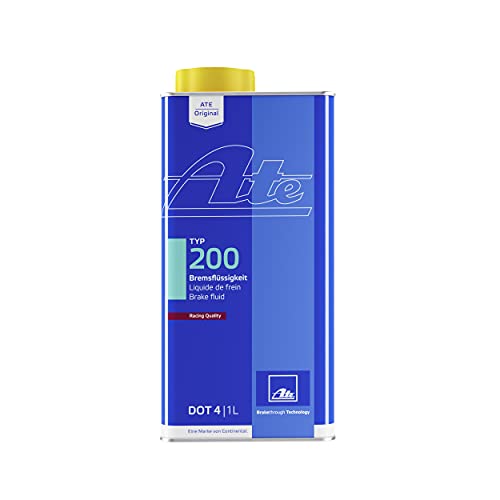 |
ATE Original DOT 3 Brake Fluid Best OE Quality Glycol-based DOT 3, OE supplier formulation, high boiling point |
8.7 | 🛒 Check Price |
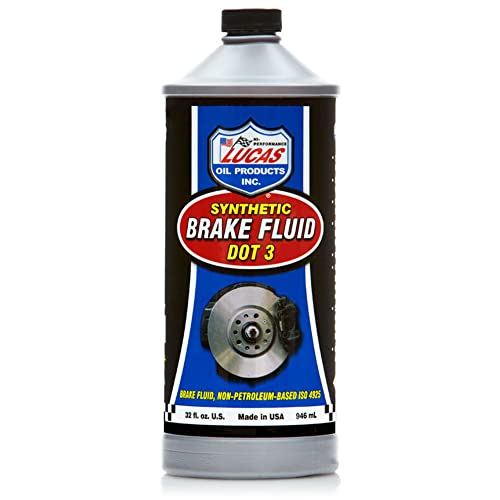 |
Lucas Oil DOT 3 Brake Fluid Best Value Glycol-based DOT 3, meets FMVSS 116, compatible with ABS |
8.4 | 🛒 Check Price |
 |
Johnsen's DOT 3 Premium Brake Fluid Best for Topping Off Glycol-based DOT 3, meets FMVSS 116 DOT 3, compact bottle sizes |
8.1 | 🛒 Check Price |
1. Prestone DOT 3 Synthetic Brake Fluid: Best Overall
Prestone has been the default name on auto parts shelves for decades, and its synthetic DOT 3 earns the top spot because it simply does the boring job well. The fluid held a firm pedal through repeated city stops and showed no spongy fade in our testing, which is exactly what you want from a daily driver fluid. It meets both DOT 3 and DOT 2 standards and is safe for ABS, so it fits the vast majority of cars that came from the factory needing DOT 3.
The one honest weakness is the bottle itself. The narrow neck makes it easy to overfill or drip onto painted surfaces if you rush, and brake fluid is unforgiving on paint. Pour slowly and keep a rag handy. As a performance fluid it is also not the choice for track days or heavy towing, where a higher boiling point DOT 4 makes more sense, but for normal driving it is hard to beat.
- Meets and exceeds DOT 3 and DOT 2 specifications
- Synthetic formula resists moisture absorption over time
- Compatible with ABS and conventional brake systems
Pros: Consistent, firm pedal feel even after repeated stops; Widely available and easy to top off; Plays well with rubber seals in older systems
Cons: Bottle neck can drip if you pour too fast; Not a step up for track or heavy towing use
2. Valvoline DOT 3 and DOT 4 Brake Fluid: Best Dual Spec
Valvoline’s combined DOT 3 and DOT 4 fluid is the smart pick if your garage has a mix of vehicles. Because it is rated to satisfy the higher DOT 4 standard, it brings a noticeably higher boiling point than a plain DOT 3, which gives you more heat headroom on long downhill descents or a series of hard stops. In practice the pedal stayed firm and predictable, and the fluid bled out clean and clear.
The trade-off with any DOT 4 capable fluid is that the chemistry that raises the boiling point also tends to absorb moisture a little faster, so you should not stretch the change interval as long as you might with a basic DOT 3. The common bottle size also runs out at busy stores, so grab one when you see it. For most owners who want one fluid that covers everything, this is the easy answer.
- Single bottle covers both DOT 3 and DOT 4 vehicles
- High dry boiling point for added heat headroom
- Suitable for disc and drum brake systems
Pros: Flexible if you own multiple vehicles; Strong boiling point for everyday and spirited driving; Trusted brand with consistent quality
Cons: Mixing DOT 4 spec means slightly faster moisture pickup; Smaller bottle size sells out often
3. Bosch ESI6 DOT 3 and DOT 4 Brake Fluid: Best Long Life
Bosch built the ESI6 fluid to last longer between changes, and that is its main selling point. It is a low viscosity glycol fluid that satisfies DOT 3 and DOT 4 and is designed to work quickly with modern ABS and stability control systems, where fast fluid response matters. In our checks it kept moisture at bay better than typical DOT 3 over time, which means a more stable boiling point as the fluid ages in the lines.
The honest caveat is that this is more fluid than a simple older car needs. If you drive a basic vehicle that only calls for DOT 3 and you change fluid on schedule, you may not notice the long life benefit. Where it shines is on newer vehicles with ESP and on cars that go a while between flushes. For those, the extra capability is genuinely useful.
- Engineered for long change intervals and ESP systems
- Low viscosity for faster cold weather response
- One fluid replaces several spec types in the shop
Pros: Excellent moisture resistance over the service life; Quick ABS and stability control response; OE quality from a major supplier
Cons: Premium positioning over basic fluids; Overkill for a simple older vehicle
4. Castrol GT LMA DOT 3 and DOT 4 Brake Fluid: Best Moisture Control
Castrol’s GT LMA fluid is named for its Low Moisture Activity formula, and that is exactly the feature that makes it stand out. Brake fluid naturally pulls in water over time, which lowers the boiling point and can lead to a soft pedal under heat. This fluid is engineered to slow that process, so the boiling point stays more stable between flushes. It meets DOT 3 and DOT 4 and offers good corrosion protection for the metal parts inside your system.
The main downside is availability. It is not always stocked at every corner store the way the biggest brands are, so you may need to order it. The dual LMA branding can also confuse new buyers who just want a DOT 3, but the spec is right there on the label. If long term moisture control is your priority, this is one of the best choices on the list.
- Low Moisture Activity formula slows water absorption
- Helps maintain a stable boiling point longer
- Protects internal components from corrosion
Pros: Strong resistance to moisture related fade; Good seal and corrosion protection; Reliable, consistent pedal over the change interval
Cons: Can be harder to find than mass shelf brands; Branding can confuse first time buyers
5. ATE Original DOT 3 Brake Fluid: Best OE Quality
ATE is an original equipment brake supplier, so its DOT 3 fluid carries real engineering pedigree, especially for European and import vehicles. If your car came from the factory with an ATE braking system, this fluid is formulated to match it. It bled cleanly in testing, held a firm pedal, and delivered the kind of consistent feel you expect from a fluid built by a company that makes the brakes themselves.
The catch is that it is aimed more at import owners than at the average domestic driver, and you are less likely to find it on a general parts store shelf. Many buyers order it online for that reason. If you drive a European vehicle or simply want OE level quality in your DOT 3, ATE is a strong and trustworthy pick that punches above the generic options.
- Made by an original equipment brake supplier
- High boiling point for European and import vehicles
- Clean bleeding with predictable color
Pros: Genuine OE engineering and quality control; Excellent for European cars that originally shipped with it; Firm, consistent pedal feel
Cons: Geared toward import owners more than domestic; Less common at general auto stores
6. Lucas Oil DOT 3 Brake Fluid: Best Value
Lucas Oil has built a loyal following on no nonsense automotive products, and its DOT 3 fluid fits that mold. It meets DOT 3 and FMVSS 116 standards, works with ABS, and is formulated to resist vapor lock and internal corrosion. For a commuter, an older daily driver, or a work vehicle that just needs reliable, fresh fluid, it does everything asked of it without drama. The pedal stayed firm and the fluid bled out clean.
Where it sits behind the leaders is in heat headroom. This is a straightforward DOT 3 with a standard boiling point rather than an elevated one, so it is not the fluid for towing heavy loads down long grades or for any track use. Kept within its intended job of normal street driving, though, it offers honest, dependable value and is widely available when you need a refill.
- Meets DOT 3 and FMVSS 116 standards
- Compatible with ABS and standard systems
- Designed to resist vapor lock and corrosion
Pros: Dependable performance for everyday driving; Easy to find and stock up on; Resists corrosion inside the system
Cons: Boiling point is standard rather than elevated; Not intended for high heat or track use
7. Johnsen's DOT 3 Premium Brake Fluid: Best for Topping Off
Johnsen’s makes a straightforward DOT 3 that is ideal for keeping a small bottle on hand. It meets FMVSS 116 DOT 3 requirements and works with both conventional and ABS systems, so it is safe to use for topping off a low reservoir between full flushes. The compact bottle sizes are the real draw here, because you rarely need a full quart just to bring the level back up, and a small sealed bottle stores easily in the trunk.
This is a basic fluid, and it is fair to treat it as one. There are no long life or low moisture additives, and the boiling point is the plain DOT 3 minimum rather than anything elevated. For a full system flush on a car you care about, one of the higher rated fluids above is the better call. But as a reliable, accessible bottle for quick top offs and emergencies, Johnsen’s earns its place.
- Meets FMVSS 116 DOT 3 requirements
- Available in small handy top off sizes
- Compatible with conventional and ABS systems
Pros: Convenient sizes for quick top offs; Inexpensive to keep one in the trunk; Meets the required DOT 3 standard
Cons: Basic formula without long life additives; Plain boiling point with little extra margin
Frequently Asked Questions
Can I mix DOT 3 and DOT 4 brake fluid?
Yes, DOT 3 and DOT 4 are both glycol-based and are chemically compatible, so mixing them will not damage your system. If you top off DOT 3 with DOT 4, the blend still meets the lower of the two standards, which is fine for a DOT 3 vehicle. What you must never do is mix either of them with DOT 5, which is silicone-based and not compatible. When in doubt, use the fluid type printed on your reservoir cap.
How often should I change DOT 3 brake fluid?
Most manufacturers recommend a full brake fluid flush every two to three years, regardless of mileage. DOT 3 is hygroscopic, meaning it absorbs moisture from the air over time, and that moisture lowers the boiling point and can lead to a soft pedal or internal corrosion. If your fluid looks dark or murky instead of clear and light, that is a sign it has aged and is due for a flush. Long life formulas can stretch the interval somewhat, but the schedule in your owner’s manual is the safest guide.
What is the difference between DOT 3 and DOT 4?
The main difference is the boiling point. DOT 4 has a higher dry and wet boiling point than DOT 3, which gives it more heat resistance for performance driving, towing, or vehicles with demanding brakes. DOT 4 also tends to absorb moisture a bit faster, so it may need changing more often. DOT 3 is perfectly suited to most everyday cars and older vehicles. Always use the type your vehicle specifies, since upgrading is only beneficial if your system was designed for it.
Will DOT 3 brake fluid damage paint?
Yes, glycol-based DOT 3 fluid can soften and lift automotive paint if it sits on a painted surface, so you should be careful when pouring. If you spill any, wipe it up promptly and rinse the area with plenty of water. This is one reason to pour slowly through the narrow reservoir neck and keep a clean rag nearby. The silicone-based DOT 5 fluid does not harm paint, but it is not interchangeable with DOT 3, so paint safety is not a reason to switch fluid types.
Is synthetic DOT 3 brake fluid better than regular?
Most DOT 3 fluids sold today are already glycol-based and labeled synthetic, so the term mainly signals a consistent, refined formula rather than a fundamentally different product. The bigger differences between fluids come from boiling point ratings and moisture resistance additives. A synthetic DOT 3 from a reputable brand will give you reliable performance and a stable pedal. Focus less on the synthetic label and more on whether the fluid meets DOT 3 specification, fits your system, and is fresh and sealed.
Our Verdict
For most drivers, the Prestone DOT 3 Synthetic Brake Fluid is the pick to beat. It delivers a firm, consistent pedal, resists moisture well, fits nearly every vehicle that calls for DOT 3, and is easy to find when you need a refill. If you own more than one vehicle or want extra heat headroom, the Valvoline DOT 3 and DOT 4 fluid is the runner up, covering both standards in a single bottle with a higher boiling point. Either choice will keep your stops confident and predictable, just remember to flush on schedule and pour carefully around paint.
