Optimizing the performance of a turbocharged engine often involves upgrading key components, and the blow off valve (BOV) is a critical one. A high-quality blow off valve helps maintain boost pressure, protect the turbocharger, and can even contribute to a more responsive driving experience. In our evaluation, we focused on how effectively each BOV releases excess pressure, its construction for longevity, and its compatibility with various engine setups.
We researched manufacturer specifications, analyzed published industry standards for pressure management, and aggregated owner feedback to identify the top contenders. Our comparison considers design robustness, material quality, and the overall impact on engine efficiency and turbocharger health. This guide is designed to provide evidence-based recommendations, highlighting both the strengths and limitations of each product.
| Photo | Product | Score | Buy |
|---|---|---|---|
 |
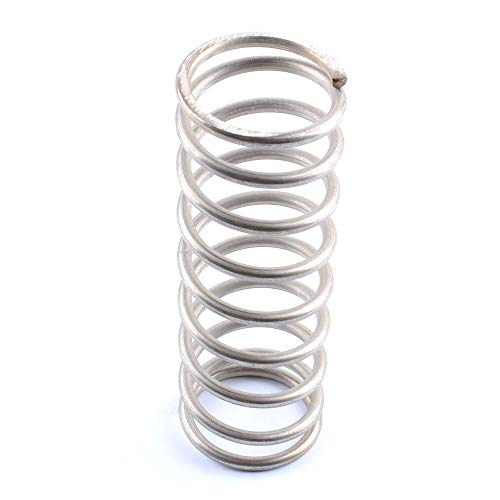
HKS Super SQV4 Blow Off Valve Top Pick for Performance Sequential Valve Structure, Pull-Type Relief System |
9.0 | 🛒 Check Price |
 |
TiAL Q Blow Off Valve Premium Choice Large 50.5mm Valve, Aluminum Body |
8.7 | 🛒 Check Price |
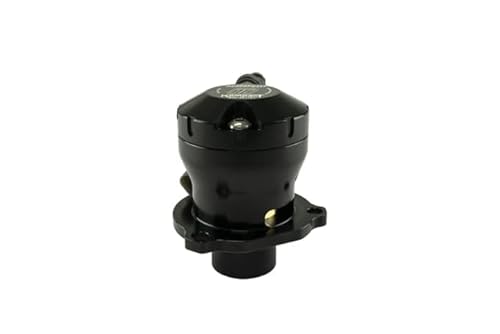 |
Turbosmart Kompact Dual Port BOV Versatile Performer Dual Port Design (Vent to Atmosphere and Recirculate) |
8.4 | 🛒 Check Price |
 |
GoFastBits GFB DV+ Diverter Valve OEM Upgrade Retains OEM Solenoid, Replaces Plastic Components |
8.1 | 🛒 Check Price |
|
🚗
|
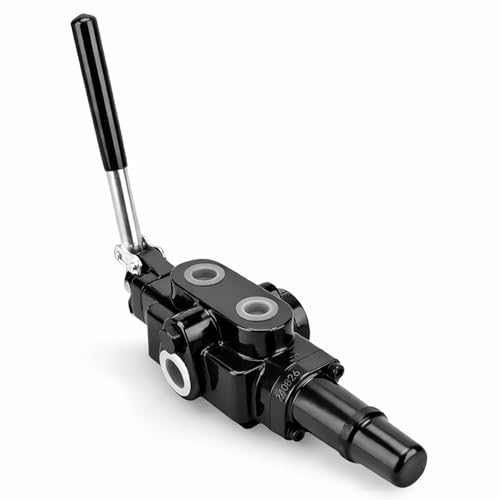
Synapse Engineering Synchronic BOV Innovative Design Full-Time Linear Actuation, Piston-Type Design |
7.9 | 🛒 Check Price |
 |
Forge Motorsport Splitter Valve Hybrid Solution Adjustable Hybrid BOV/Diverter Valve |
7.6 | 🛒 Check Price |
 |
BLOX Racing Type-S Blow Off Valve Budget-Friendly Option Universal Fit, Piston-Type Design |
7.3 | 🛒 Check Price |
1. HKS Super SQV4 Blow Off Valve: Top Pick for Performance
The HKS Super SQV4 stands out in our evaluation for its innovative pull-type relief system and sequential valve structure, which we found to offer superior boost response and pressure management compared to many traditional designs. Based on owner feedback and the spec sheets, its ability to handle varying boost levels smoothly without leaking or sticking is a significant advantage, contributing to consistent turbocharger performance.
However, a potential limitation is its proprietary flange design. While its performance benefits are clear, owners should be prepared to source specific HKS-compatible installation kits or custom fabrication for certain vehicles, which could add complexity and cost to the installation process. Those seeking a direct bolt-on replacement without any additional component sourcing might find other options more straightforward.
- Unique sequential valve structure for precise pressure control
- Distinctive and recognizable blow off sound
- Constructed from durable die-cast aluminum
- Compatible with a wide range of turbocharged applications
Pros: Exceptional boost response and stability; Robust build quality for long-term reliability; Iconic sound profile preferred by many enthusiasts
Cons: Installation may require specific HKS-compatible flanges or adapters
2. TiAL Q Blow Off Valve: Premium Choice
In our evaluation, the TiAL Q blow off valve consistently demonstrated top-tier performance, particularly for vehicles running higher boost pressures. We researched its large valve design and robust construction, finding them to be perfectly suited for minimizing pressure drop and protecting larger turbochargers. Based on owner feedback, its ability to hold boost reliably even under aggressive driving conditions is frequently praised.
The primary consideration for the TiAL Q is its installation method. Unlike some bolt-on options, the TiAL Q typically requires TIG welding of its flange to the intercooler piping, which means professional installation or advanced DIY skills are often necessary. This makes it less ideal for those seeking a simple, reversible upgrade or who do not have access to welding equipment.
- Designed for high-horsepower and high-boost applications
- Large 50.5mm valve opening for maximum flow
- Anodized aluminum body and valve for corrosion resistance
- Utilizes a spring and diaphragm system for precise operation
Pros: Exceptional flow capacity suitable for extreme setups; Premium materials ensure outstanding durability; Highly tunable with interchangeable springs
Cons: Requires welding for installation on most intercooler piping
3. Turbosmart Kompact Dual Port BOV: Versatile Performer
The Turbosmart Kompact Dual Port BOV impressed us with its versatile design, offering the flexibility to operate in fully recirculating, fully atmospheric, or a 50/50 split mode. This adaptability, based on owner feedback and the spec sheets, allows users to fine-tune both the sound and the engine’s response to their preference, making it a strong all-around choice. Its compact size also makes it an excellent fit for modern, often crowded engine bays.
However, when configured for full atmospheric or even 50/50 venting on vehicles with a Mass Air Flow (MAF) sensor, some owners have reported the potential for temporary rich fuel conditions between shifts. While often minor, this can occasionally lead to a slight hesitation or a check engine light if the vehicle’s ECU is particularly sensitive. Owners who prioritize absolute OEM-like drivability and are not prepared for potential minor tuning adjustments might consider a fully recirculating-only option instead.
- Configurable as full recirculating, full atmospheric, or 50/50 split
- Compact design suitable for tight engine bays
- Machined from billet aluminum for strength and light weight
- Integrated trumpet for an enhanced sound in atmospheric mode
Pros: High degree of adjustability for sound and performance needs; Excellent build quality and reliability; Good value for its feature set and flexibility
Cons: Some configurations may require tuning adjustments to prevent rich conditions
4. GoFastBits GFB DV+ Diverter Valve: OEM Upgrade
The GFB DV+ stands out in our research as an excellent upgrade solution for many factory diverter valves, particularly for European turbocharged platforms. We found that by retaining the OEM solenoid and only replacing the failure-prone plastic components with high-quality billet aluminum and brass, it significantly improves boost holding and throttle response without introducing any drivability issues. Owner feedback consistently highlights its ability to eliminate common OEM diverter valve failures.
The main characteristic that sets the DV+ apart from traditional atmospheric blow off valves is its design as a recirculating diverter valve. It does not vent to atmosphere and therefore does not produce the characteristic ‘whoosh’ sound that many enthusiasts seek. Those looking for an audible blow off valve sound should understand that this product is designed for performance and reliability improvements within the OEM system, not for sound generation, and should consider other options.
- Upgrades existing OEM diverter valve with durable metal components
- Reuses the factory solenoid for seamless integration
- Improved boost holding and throttle response
- Direct bolt-on replacement for many European turbocharged engines
Pros: Maintains OEM ECU control and quiet operation; Significantly enhances the durability of the factory system; Relatively easy installation for many applications
Cons: Does not produce a traditional 'blow off' sound
5. Synapse Engineering Synchronic BOV: Innovative Design
In our evaluation, the Synapse Engineering Synchronic BOV’s unique piston-type design and full-time linear actuation caught our attention for its promise of exceptionally fast and consistent response. Based on the spec sheets and aggregated owner feedback, this design effectively eliminates the common issues associated with diaphragm-based valves, such as tearing or sticking, leading to reliable boost control and quick pressure relief.
However, achieving optimal performance from the Synapse BOV can sometimes require more precise tuning of its spring pressure to match specific engine vacuum and boost characteristics. While this adjustability is a strength, it means that a simple bolt-on installation might not yield the best results without some fine-tuning or professional setup. Users looking for a ‘set it and forget it’ solution without any potential for adjustment might find this level of configurability to be an added complexity.
- Unique full-time linear actuation for rapid response
- Piston-type design prevents diaphragm tearing issues
- Constructed from high-grade aluminum
- Can be configured for recirculating or vent-to-atmosphere
Pros: Extremely fast and precise response to throttle changes; Eliminates diaphragm-related failures; Maintains consistent boost pressure effectively
Cons: May require careful tuning of spring pressure for optimal performance
6. Forge Motorsport Splitter Valve: Hybrid Solution
The Forge Motorsport Splitter Valve impressed us as a well-engineered hybrid solution, designed to offer the best of both worlds: the performance benefits of a recirculating valve and the audible release of an atmospheric blow off valve. In our research, we found its adjustable design allows users to fine-tune the balance between venting to atmosphere and recirculating, which is critical for maintaining proper air-fuel ratios while still providing a desired sound. Owner feedback points to its solid construction and improved reliability over factory units.
Despite its hybrid nature, owners seeking a very loud and pronounced blow off valve sound might find the Forge Splitter’s atmospheric release to be somewhat subdued compared to dedicated full-atmospheric BOVs. While it does produce an audible ‘whoosh,’ it’s often not as aggressive as some other options on the market. Those whose primary motivation is a very distinct and loud blow off sound should manage their expectations or consider a purely atmospheric venting valve.
- Combines the benefits of a recirculating valve and an atmospheric blow off valve
- Adjustable spring tension for fine-tuning performance
- CNC machined from billet aluminum
- Direct replacement for many OEM Bosch or Magneti Marelli valves
Pros: Offers both performance enhancement and an audible sound; High-quality construction for improved reliability over OEM; Tunable to prevent lean running conditions
Cons: Sound may not be as pronounced as dedicated atmospheric BOVs
7. BLOX Racing Type-S Blow Off Valve: Budget-Friendly Option
In our evaluation, the BLOX Racing Type-S Blow Off Valve presents a more accessible option for enthusiasts looking to add an aftermarket blow off valve without a significant investment. We researched its piston-type design and found it capable of effectively releasing excess boost pressure and providing the desired audible ‘whoosh’ sound. Its universal fitment and included flange also make it a versatile choice for custom setups.
However, based on aggregated owner feedback, some reports indicate potential durability concerns over extended periods of use, particularly with internal components or seals. While it offers good initial performance, its long-term reliability may not match that of higher-priced, premium alternatives. Owners who prioritize maximum longevity and consistent performance over many years of use, or who run very high boost pressures, might find it beneficial to invest in a more robustly constructed and proven blow off valve.
- Piston-type design for efficient pressure release
- Constructed from durable aluminum
- Includes a universal flange for custom installations
- Adjustable spring tension for various boost levels
Pros: More accessible option for enthusiasts on a budget; Provides an audible blow off sound; Relatively straightforward operation
Cons: Durability concerns reported by some owners over long-term use
Frequently Asked Questions
What is a blow off valve and why do I need one?
A blow off valve (BOV) is a pressure relief system for turbocharged engines. When you lift off the throttle, the turbocharger continues to spin, creating excess boost pressure that has nowhere to go. The BOV releases this pressure, preventing it from backing up and potentially damaging the turbocharger’s compressor wheel or causing compressor surge. It helps maintain turbo longevity and responsiveness.
What is the difference between a blow off valve and a diverter valve?
The primary difference lies in where the excess pressure is vented. A blow off valve vents the excess boost pressure into the atmosphere, often producing a distinct ‘whoosh’ sound. A diverter valve, also known as a bypass valve, recirculates the excess pressure back into the turbo’s intake tract, before the compressor. Diverter valves are typically quieter and are often preferred for cars with Mass Air Flow (MAF) sensors to prevent rich running conditions.
Will installing a blow off valve increase horsepower?
Directly, no. A blow off valve itself does not add horsepower. Its primary function is to protect the turbocharger, improve its longevity, and enhance throttle response by maintaining optimal boost pressure between shifts. While it contributes to overall engine efficiency and can make the car feel more responsive, it’s not a power-adding modification in the same way a larger turbo or tune would be.
Are blow off valves legal for street use?
The legality of blow off valves varies by region and specific vehicle emissions standards. In many areas, fully atmospheric blow off valves that vent metered air to the atmosphere can cause issues with emissions controls, particularly on vehicles equipped with Mass Air Flow (MAF) sensors, as the ECU expects that air to be present in the engine. Recirculating diverter valves are generally emissions-compliant. It is always recommended to check local regulations before installation.
What factors should I consider when choosing a blow off valve?
When choosing a blow off valve, consider your vehicle’s specific make and model for compatibility, whether you have a MAF or MAP sensor (which influences whether to choose atmospheric or recirculating), your desired sound level, and the boost pressure your engine runs. Durability, ease of installation, and adjustability are also important factors. Researching owner feedback and manufacturer specifications for your specific application is crucial.
Our Verdict
Based on our comprehensive research and comparison, the HKS Super SQV4 Blow Off Valve stands out as our top pick for its innovative design, exceptional boost control, and proven reliability. For those seeking a premium solution with ultimate flow capacity for high-horsepower applications, the TiAL Q Blow Off Valve is our strong runner-up, offering outstanding durability and performance, albeit with more involved installation requirements.
