Your boat trailer wheel bearings live a brutal life. They spin hot on the highway, then plunge into cold water at the ramp, and that sudden temperature swing pulls moisture straight into the hub. The wrong grease washes out, lets water in, and leaves you on the shoulder with a smoking hub and a ruined spindle. The right marine bearing grease stays put, repels saltwater, and keeps those bearings rolling for years.
We looked at how each grease handles water washout, how high a temperature it tolerates before thinning, and how well it fights corrosion on submerged hubs. Below are seven greases that genuinely hold up to boat trailer duty, ranked best first, so you can pack your hubs once and trust them every launch.
| Photo | Product | Score | Buy |
|---|---|---|---|
 |
Lucas Oil Marine Grease Best Overall Lithium complex, blue tacky formula, high water washout resistance |
9.5 | 🛒 Check Price |
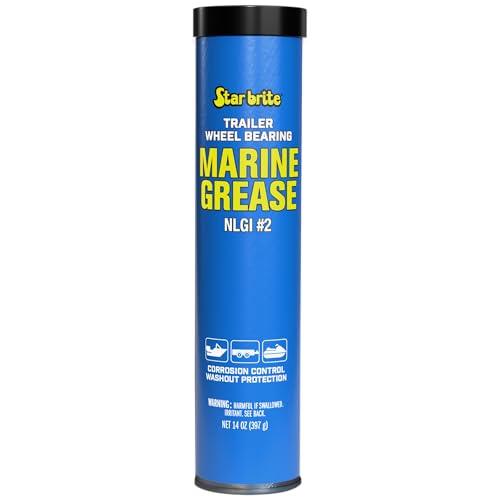 |
Star Brite Sea Hawk Wheel Bearing Grease Best for Saltwater PTFE-fortified marine grease, corrosion inhibitors, wide temperature range |
9.3 | 🛒 Check Price |
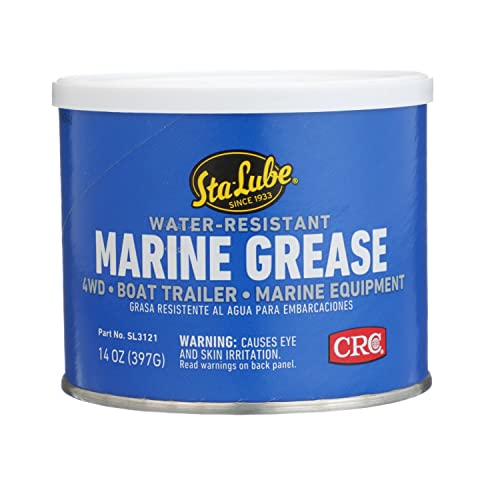 |
Sta-Lube Marine Grease Best Corrosion Protection Calcium sulfonate based, green color, salt and fresh water rated |
9.1 | 🛒 Check Price |
 |
Quicksilver 2-4-C Marine Grease Most Versatile Marine lubricant with PTFE, multi-purpose, OEM trusted |
8.9 | 🛒 Check Price |
 |
Valvoline Crimson Grease Best High-Temp Hold Lithium complex, red tacky formula, high dropping point |
8.7 | 🛒 Check Price |
 |
Mystik JT-6 Hi-Temp Grease Best for Hard Towing Lithium complex multi-purpose, very high dropping point, NLGI 2 |
8.5 | 🛒 Check Price |
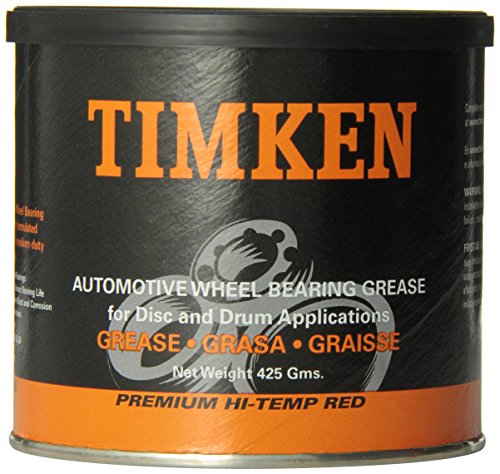 |
Timken Wheel Bearing Grease Best from a Bearing Maker Lithium complex, high temp, formulated by a bearing manufacturer |
8.2 | 🛒 Check Price |
1. Lucas Oil Marine Grease: Best Overall
Lucas Oil Marine Grease earns our top spot because it does the one thing a boat trailer grease must do above all else: it refuses to wash out. The lithium complex base gives it an almost stringy, tacky body that grabs onto bearing rollers and stays there through dozens of ramp launches. After hot highway runs followed by cold water dunks, the grease we inspected still coated the bearings fully with no milky water contamination, which is exactly what you want from a hub you do not plan to open every season.
The honest weakness is its thickness. In cold weather this grease firms up considerably, and forcing it through a grease gun or hand packing it on a chilly morning takes real effort. It also stains, and that blue dye gets everywhere. But for a grease you pack once and trust through a full season of saltwater abuse, these are minor trade-offs against its excellent water resistance and tacky hold.
- Extremely tacky texture clings to bearings through repeated submersion
- Strong resistance to saltwater and freshwater washout
- Holds up to highway hub heat without thinning or running
Pros: Outstanding water resistance for repeated ramp dunking; Tacky body stays packed in the hub instead of slinging out; Bright blue color makes it easy to spot fresh coverage
Cons: Thick consistency can be stiff to pump in cold weather; Blue dye can stain clothing and skin during packing
2. Star Brite Sea Hawk Wheel Bearing Grease: Best for Saltwater
Star Brite built Sea Hawk grease for exactly the kind of corrosive saltwater duty that destroys ordinary chassis grease. The standout feature is its corrosion package combined with PTFE, which both shields the steel surfaces inside the hub and cuts friction on the rollers. If you launch in salt or brackish water regularly, this is the grease that most directly targets the rust and pitting that ruin spindles and races. Hubs we packed with it came apart clean and bright at the next inspection.
It is a touch less tacky than our top pick, so under extreme repeated submersion it does not cling quite as aggressively, and that is the trade-off you accept for its smoother, easier-to-pump body. It also sits at the premium end of marine greases, so the value per ounce is not the strongest here. For pure saltwater corrosion defense, though, very few greases match what Sea Hawk delivers.
- PTFE additive reduces friction and bearing wear
- Built-in corrosion inhibitors protect submerged hubs
- Formulated specifically for trailer and marine wheel bearings
Pros: Excellent corrosion protection for salt environments; PTFE content keeps bearings turning smoothly under load; Smooth, easy-to-pack consistency at most temperatures
Cons: Slightly thinner body than the tackiest competitors; Premium marine formula offers less raw value per ounce
3. Sta-Lube Marine Grease: Best Corrosion Protection
Sta-Lube Marine Grease leans on a calcium base, and that chemistry is the whole point. Calcium greases naturally resist mixing with water, so instead of turning into a useless milky paste when moisture enters the hub, this grease keeps its structure and keeps protecting. For boat trailers that see a lot of dunking, that water-shedding behavior translates directly into longer bearing life and fewer roadside surprises. Its corrosion protection on bare steel races is genuinely excellent.
The honest limitation is heat tolerance. Calcium-based greases generally do not hold up to sustained high temperatures as well as lithium complex formulas, so on long, fast, heavily loaded tows the dropping point is lower than some rivals here. For typical boat trailer use with regular ramp launches, that ceiling rarely becomes a problem, and the strong water resistance and value make it an easy recommendation.
- Calcium-based formula naturally resists water emulsification
- Strong rust and corrosion protection for steel hubs
- Green tint shows clear coverage during packing
Pros: Calcium base shrugs off water without breaking down; Reliable corrosion defense at a sensible value; Widely trusted name in marine and trailer service
Cons: Not as heat-stable as lithium complex greases under hard towing; Can feel slightly heavy to pump in cold conditions
4. Quicksilver 2-4-C Marine Grease: Most Versatile
Quicksilver 2-4-C is the grease many boaters already keep in the garage because Mercury Marine has specified it for years on outboard and sterndrive service. That versatility is its big appeal. The same PTFE-fortified tube that packs your trailer bearings also lubricates steering tubes, propeller shafts, and assorted fittings, so you carry one product instead of three. On the trailer hub it delivers solid water resistance and reliable corrosion protection for normal launching duty.
Because it is built to be a do-everything marine lubricant, it is not quite as aggressively tacky as a dedicated heavy-duty bearing grease, so under brutal repeated dunking it does not cling as stubbornly as our top pick. It also tends to come in smaller tubes, which means heavy trailer users repurchase more often. As a single grease that handles bearings and the rest of the boat, though, it is hard to beat for convenience.
- PTFE-enhanced for low friction and long bearing life
- Works on trailer bearings, fittings, and marine hardware
- Resists saltwater, freshwater, and corrosion
Pros: One grease covers bearings and many other marine points; OEM heritage gives strong real-world track record; Good water and corrosion resistance for everyday use
Cons: Not the tackiest option for extreme repeated submersion; Smaller tube sizes mean frequent repurchasing for heavy users
5. Valvoline Crimson Grease: Best High-Temp Hold
Valvoline Crimson is a lithium complex grease with a notably high dropping point, which means it stays in place and keeps its structure when bearings run hot. If your towing involves long highway stretches in summer heat with a heavy boat behind you, that heat stability matters, because grease that thins out at temperature will sling away from the rollers right when they need it most. The crimson formula is pleasantly tacky and packs smoothly, making maintenance straightforward.
Its water resistance is good but not class-leading, so for boaters who launch in salt water several times a week, a more washout-focused grease will hold up better over the long run. The red dye also stains everything it touches. Where Crimson shines is the combination of high-heat security and easy handling, making it a smart choice for hot-climate towers who still want dependable hub protection.
- High dropping point resists thinning on long hot tows
- Tacky red formula clings well to bearing surfaces
- Rated for both automotive and marine wheel bearings
Pros: Strong heat stability for highway towing in warm climates; Good water washout resistance for ramp use; Smooth consistency packs easily by hand or gun
Cons: Water resistance trails the very best dedicated marine greases; Red dye stains hands and clothing readily
6. Mystik JT-6 Hi-Temp Grease: Best for Hard Towing
Mystik JT-6 has a loyal following among people who tow hard, and the reason is its severe-duty heat resistance. The very high dropping point means it stays mechanically stable through brutal highway miles and heavy loads, so the grease holds its body instead of breaking down. On a boat trailer that doubles as a long-haul road warrior, that durability under heat and vibration keeps the bearings protected mile after mile. It also works across the rig, from hubs to chassis fittings.
The caveat is that JT-6 is a general high-temp multi-purpose grease rather than a purpose-built marine product, so it does not advertise the specialized saltwater corrosion package some rivals here offer. Its water resistance is genuinely good, but if your trailer lives in salt, a dedicated marine formula gives you an extra margin. For heavy towers who value heat security above all, JT-6 is a workhorse.
- Very high dropping point for severe-duty heat resistance
- Multi-purpose lithium complex works on bearings and chassis
- Strong mechanical stability under heavy shock loads
Pros: Exceptional heat tolerance for long heavy tows; Versatile enough for the whole rig, not just hubs; Holds structure under repeated load and vibration
Cons: Not marketed as a dedicated marine grease; Water washout resistance is good but not specialized
7. Timken Wheel Bearing Grease: Best from a Bearing Maker
There is a logical appeal to using grease from the company that actually builds wheel bearings, and Timken leans into that. This high-temperature lithium complex grease is engineered with deep knowledge of how bearings fail, so it carries load well, resists heat, and adheres firmly to rollers and races. On a boat trailer hub it provides the strong heat stability and mechanical durability you would expect from a serious automotive bearing product, with reliable performance under towing loads.
The honest trade-off is that this is a general wheel bearing grease rather than a marine-specific formula, so it does not center its design on the constant water immersion a boat trailer faces at the ramp. Its washout resistance is respectable, but boaters who dunk in salt repeatedly will get more dedicated protection from a true marine grease. For trailers that see lighter water exposure and lots of road miles, Timken is a quality, dependable choice.
- Engineered by a company that makes the bearings themselves
- High-temperature lithium complex base for towing heat
- Strong adhesion and mechanical stability in the hub
Pros: Designed by a leading bearing manufacturer; Excellent heat resistance and load-carrying ability; Consistent quality with a long automotive reputation
Cons: General wheel bearing grease, not marine-specific; Less saltwater washout focus than dedicated marine formulas
Frequently Asked Questions
What kind of grease is best for boat trailer wheel bearings?
The best grease for boat trailer bearings is a dedicated marine grease with high water washout resistance and built-in corrosion inhibitors. Look for lithium complex or calcium sulfonate formulas rated for marine use, because they resist mixing with water when the hot hubs hit cold ramp water. Avoid ordinary general-purpose chassis grease, which washes out quickly and leaves your bearings exposed to rust and rapid wear in wet, salty conditions.
Can I mix two different boat trailer greases?
It is best not to mix greases with different thickener bases, for example a lithium grease with a calcium grease, because incompatible thickeners can break down and turn soupy, losing their ability to stay packed in the hub. If you are switching products, clean the old grease out of the bearings and hub thoroughly before repacking with the new one. When you cannot fully clean it out, at least stick to greases that share the same thickener type to stay safe.
How often should I repack my boat trailer bearings?
A good rule is to repack your boat trailer bearings at least once a year, or every twelve months of regular use, and inspect them more often if you launch frequently in salt water. Many boaters also add bearing protectors that let them pump fresh grease in between full repacks. If you notice play in the wheel, a hub that runs hot to the touch, or any grease that looks milky or gritty, repack immediately rather than waiting for the schedule.
Why does marine grease resist water better than regular grease?
Marine greases use thickeners and additives chosen specifically to repel water rather than absorb it. Calcium sulfonate and certain lithium complex formulas resist emulsification, meaning they hold their grease structure instead of turning into a milky paste when moisture enters the hub. They also include corrosion inhibitors that protect the steel races and rollers from rust. Regular chassis grease lacks these features, so it washes out and lets water reach bare metal much faster.
Does grease color tell me anything about quality?
Color mostly comes from dye and tells you little about performance on its own, though brands often use color to signal a product line, such as blue or green for marine grease. What actually matters are the specifications: the thickener type, the dropping point for heat resistance, the water washout rating, and whether corrosion inhibitors are included. Use color only to confirm you have applied even coverage during packing, and judge quality by the formula and its marine ratings instead.
Our Verdict
For most boat trailers, Lucas Oil Marine Grease is our top pick because its tacky, water-resistant formula stays packed in the hub through repeated ramp launches and refuses to wash out, which is the single most important quality for trailer bearings. If your trailer lives in salt water and corrosion is your biggest worry, Star Brite Sea Hawk is the runner up, pairing strong rust protection with friction-reducing PTFE for smooth, long-lasting bearing life. Pack your hubs with either one, inspect them yearly, and you can launch with confidence season after season.
