If you weld in your own garage, whether you are patching a rusty quarter panel, building an exhaust, or fabricating a roll cage, an auto darkening welding helmet is the single piece of gear that protects your eyes from arc flash without you having to nod a fixed lens down every time. The good ones react in a fraction of a millisecond, give you a clear view of the puddle, and stay comfortable through a long session under a car. The bad ones flicker, give you eye strain, and leave you guessing where your bead is going.
We put the most popular auto darkening hoods through real automotive work, MIG on thin sheet metal, TIG on stainless and aluminum, and stick on heavier brackets, paying attention to lens reaction time, optical clarity rating, shade range, sensor count, and how the helmet actually sits on your head after an hour. Below are the seven we trust most for car and truck fabrication, ranked best first. None of these picks mention price, because the right helmet is the one that fits your work, and you can check current availability on Amazon for each.
| Photo | Product | Score | Buy |
|---|---|---|---|
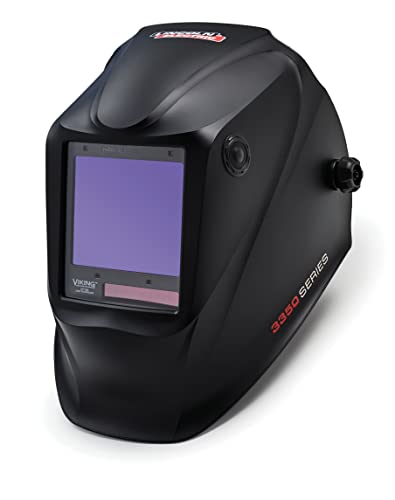 |
Lincoln Electric VIKING 3350 Auto Darkening Welding Helmet Best Overall Shade 5 to 13, 4 arc sensors, 1/1/1/1 optical clarity, 12.5 sq in view |
9.5 | 🛒 Check Price |
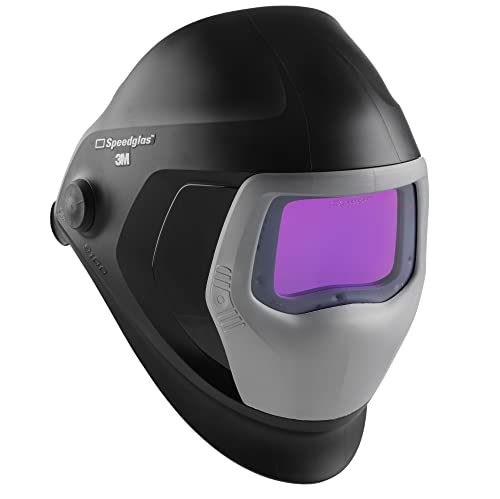 |
3M Speedglas 9100XXi Welding Helmet Best Optical Clarity Shade 5, 8 to 13, Tru-View color tech, 1/1/1/1 clarity, side windows |
9.4 | 🛒 Check Price |
 |
Antra AH6-260-0000 Auto Darkening Welding Helmet Best Value Shade 4, 5 to 9 and 9 to 13, 4 sensors, big view, lightweight |
9.1 | 🛒 Check Price |
 |
ESAB Sentinel A50 Auto Darkening Welding Helmet Best Fit and Comfort Shade 5 to 13, 4 sensors, 1/1/1/2 clarity, halo headgear, color touch screen |
9.0 | 🛒 Check Price |
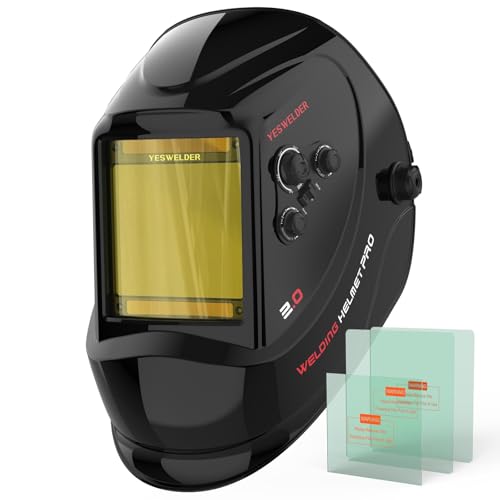 |
YESWELDER LYG-M800H True Color Welding Helmet Best Large View Shade 4 to 13, 4 sensors, 1/1/1/2 clarity, very large 30 sq in viewing area |
8.8 | 🛒 Check Price |
 |
Miller Electric Classic Series VSR Auto Darkening Welding Helmet Most Reliable Variable shade 8 to 13, 2 sensors, lightweight shell, simple controls |
8.5 | 🛒 Check Price |
 |
DEKOPRO Solar Powered Auto Darkening Welding Helmet Best for Beginners Shade 9 to 13, solar assisted, lightweight, adjustable sensitivity and delay |
8.0 | 🛒 Check Price |
1. Lincoln Electric VIKING 3350 Auto Darkening Welding Helmet: Best Overall
The VIKING 3350 is the helmet we reach for first on automotive jobs, and it earns the top spot mainly on the lens. The 4C technology cuts the murky green cast that cheaper hoods have, so you can actually see the color of the metal and read the puddle, which matters a lot when you are feathering a thin patch panel and trying not to blow through. The 1/1/1/1 optical clarity rating is the best you can get, meaning no distortion, no fuzzy edges, and consistent shade across the whole lens. Over a full afternoon of bodywork, that translates directly into less eye fatigue.
The honest weakness is size. This is a full coverage hood, and it is noticeably bigger and heavier than a slim helmet. When you are crammed into a wheel well or trying to weld a bracket up under the dash, the extra bulk can catch on things and the weight starts to register on your neck. If most of your work is open and on a bench or lift, that is a fair trade for the clarity. If you spend your life in tight spaces, you may want something lighter on this list.
- Lincoln 4C lens technology reduces the green tint so colors and the weld puddle look natural
- Large 3.74 by 3.34 inch viewing area gives a wide, clear window for panel and frame work
- Four independent arc sensors with grind mode and a wide shade 5 to 13 range
Pros: Class leading optical clarity at 1/1/1/1 keeps your eyes fresh through long sessions; Huge viewing window helps when you cannot get square to the joint under a car; Comfortable headgear that distributes weight well across the crown
Cons: It is bulkier and heavier than slim hoods, which you feel in tight engine bays; Replacement front cover lenses are a specific size you need to keep stocked
2. 3M Speedglas 9100XXi Welding Helmet: Best Optical Clarity
If your eyes are your priority and you do a lot of fine TIG work on a car, the Speedglas 9100XXi is hard to beat. The Tru-View lens renders the arc and the surrounding metal in colors that look close to natural daylight, which makes reading a stainless or aluminum puddle far easier than with a typical greenish filter. The side windows are a genuinely useful touch in a garage, because they let you keep track of your filler rod, your clamps, and the edge of the panel without lifting the hood. Build quality is excellent and the headgear is low profile and balanced.
The catch is that this is a professional grade helmet, and it asks a lot in return for what it gives. It is a significant step up in investment over a basic auto darkening hood, and the replacement filters and accessories are more specialized to track down than the common sizes other brands use. For a weekend fabricator it can be more helmet than the job requires, but for anyone doing precise, repeated TIG work on bodywork or exhaust, the view alone can justify it.
- Tru-View technology delivers some of the most natural color rendering of any auto lens
- Side windows widen your peripheral awareness so you can spot tools and clamps
- Switchable between two dark shade ranges to suit low amp TIG and higher amp MIG
Pros: The lens is genuinely the clearest, most natural view in this group; Side windows reduce that closed in tunnel vision feeling; Premium build quality and comfortable, low profile headgear
Cons: Sits at the top of the market, so it is a serious investment for a hobbyist; Replacement parts and filters are a more specialized item to source
3. Antra AH6-260-0000 Auto Darkening Welding Helmet: Best Value
The Antra AH6 is the helmet we recommend most often to people setting up a home garage for the first time. It punches well above its station, offering a four sensor lens, a wide shade 5 to 13 range that covers everything from low amp TIG to plasma cutting, plus a grind mode and adjustable delay and sensitivity. The shell is light, so it is genuinely comfortable for the kind of stop and start welding that car projects involve, where you tack, check fitment, and tack again. For most DIY automotive work it does everything you actually need.
Where you feel the value positioning is the lens. The optical clarity is good and the view is large, but it does not have the natural color and edge to edge crispness of the Lincoln or the 3M. After a long day you will notice a touch more eye strain than with those premium lenses. The headgear is also functional rather than refined, and it can loosen over time and need a quick refit. None of that is a deal breaker for a hobby fabricator, and as an entry point this helmet is excellent.
- Wide shade 5 to 13 coverage handles MIG, TIG, stick, and plasma cutting
- Four sensors and a large viewing area for the category, at a very accessible level
- Lightweight shell that is easy to wear for long DIY sessions
Pros: Excellent capability for the money with a genuinely usable feature set; Light enough that you forget you are wearing it on small jobs; Grind mode and adjustable delay and sensitivity included
Cons: Optical clarity is good but not in the class of the premium hoods; The headgear adjustment can feel basic and may need refitting now and then
4. ESAB Sentinel A50 Auto Darkening Welding Helmet: Best Fit and Comfort
The Sentinel A50 became popular for a reason, and a big part of it is the headgear. The halo design wraps around your head with a low center of gravity, so the weight sits where it should and the helmet stays put even when you are leaning under a fender or working at an awkward angle. The curved high impact shell gives you a wide, panoramic, distortion free view that is great when you are tracking a long seam down a rocker panel. The color touch screen on the inside makes adjusting shade, sensitivity, and delay quick, and you can save presets for MIG, TIG, and grinding so switching tasks is instant.
The honest trade off is that futuristic curved shell. Because it is exposed and rounded rather than tucked behind a flat front, it picks up scratches and scuffs more readily if you toss it on the bench or knock it around the shop. The touch screen and styling also push the price up over a plain, capable hood that welds just as well. If comfort and a secure fit during long, contorted garage sessions matter most to you, though, this is the one to beat.
- Halo style headgear with a low center of gravity that hugs the head securely
- Curved high impact shell gives a wide, distortion free field of view
- Color touch screen controls with memory settings make setup fast
Pros: The most comfortable, secure headgear in this lineup for long jobs; Wide curved lens gives a panoramic view of the work area; Modern touch screen with saved memory presets for different processes
Cons: The curved shell is more exposed and can scratch if you are rough with it; Touch screen and styling add cost over a plain functional hood
5. YESWELDER LYG-M800H True Color Welding Helmet: Best Large View
If you have ever felt like you are welding through a letterbox, the YESWELDER LYG-M800H is the antidote. Its panoramic viewing area is one of the biggest on the market, and that extra glass is a real advantage in a garage where you often cannot position yourself perfectly square to the joint. The true color lens cuts the green cast for a brighter, more natural picture, and you get four arc sensors, a grind mode, and a wide shade 4 to 13 range, so it handles tacking thin sheet right through to heavier work. For the capability on offer it is very accessible.
The flip side of all that glass is upkeep. A large viewing area means a large front cover lens to keep spatter free, and you will go through and clean those covers a bit more often than on a smaller hood. The headgear is comfortable enough for typical sessions but does not have the refined, locked in feel of the ESAB halo or the Speedglas, so during very long jobs you may notice it more. As a do it all garage helmet with a fantastic view, it still represents a lot of helmet for the money.
- Oversized panoramic viewing area is one of the largest you can buy
- True color lens reduces green tint for a clearer, brighter view
- Four sensors with grind mode and a wide shade 4 to 13 range
Pros: Enormous field of view is excellent for following long welds and bodywork; True color lens is noticeably brighter and clearer than standard filters; Strong feature set and accessible to most home budgets
Cons: The big lens means more front cover surface to keep clean and replace; Headgear comfort is decent but not on the level of the ESAB or 3M
6. Miller Electric Classic Series VSR Auto Darkening Welding Helmet: Most Reliable
The Miller Classic Series VSR is the helmet for someone who wants a dependable, no drama hood from a brand with a long track record in welding gear. It is light, compact, and durable, which makes it easy to wear and easy to move around in the cramped spaces you deal with on a car, like reaching up into a wheel arch or down behind a bumper bracket. The variable shade control is simple, you set it and forget it, and there are no menus or screens to deal with. For straightforward MIG and stick work it just gets on with the job.
The compromise that comes with the simplicity is the sensor count and the view. With two arc sensors instead of four, it can occasionally fail to trigger if your hand or the work blocks the sensors at a very low angle, which is something to be aware of when you are welding in tight, obstructed positions. The viewing area and lens are also more modest than the premium options here. If you mainly run a basic MIG setup and value reliability over features, it is a solid, trustworthy pick.
- Trusted Miller build with a no nonsense, durable design
- Lightweight shell that is easy to wear and easy to handle in tight spots
- Simple variable shade control that is quick to set and forget
Pros: Dependable, well built helmet from a name welders trust; Light and compact, easy to maneuver in cramped automotive spaces; Straightforward controls with no menu to fuss over
Cons: Two sensors rather than four can miss the arc at very low angles; Smaller view and simpler lens than the premium hoods on this list
7. DEKOPRO Solar Powered Auto Darkening Welding Helmet: Best for Beginners
The DEKOPRO is the helmet to hand someone who is welding for the very first time and is not yet sure how much they will do. It is light, easy to wear, and the solar assisted lens with battery backup keeps the whole thing simple, with no fuss about charging or swapping cells before each session. You still get adjustable sensitivity and delay, so as you learn you can tune how quickly the lens clears after the arc stops. For occasional small repairs and learning to lay a bead on a project car, it covers the basics without intimidating a newcomer.
It is honest to say this is an entry level hood and it shows in two places. The shade range is narrower than the better helmets, typically around shade 9 to 13, which is fine for MIG and stick but leaves you short for low amp TIG where you want to go lighter. The optical clarity and sensor responsiveness also trail the established welding brands, so as your skills grow you will likely want to upgrade. As a low commitment way to find out whether welding is for you, though, it does the job.
- Solar assisted power with a battery backup keeps setup simple
- Very lightweight shell that new welders find easy to wear
- Adjustable sensitivity and delay let you tune it to your process
Pros: An easy, accessible entry point for someone trying welding for the first time; Light and comfortable enough for short DIY sessions; Solar assist means less worry about battery management
Cons: Narrower shade 9 to 13 range is limiting for low amp TIG work; Optical clarity and sensor performance trail the established brands
Frequently Asked Questions
What shade do I need for auto darkening welding on car bodywork?
For most automotive work, a lens that covers shade 9 to 13 handles the majority of jobs, with MIG on body panels usually landing around shade 10 to 11 depending on amperage. If you do low amp TIG on thin sheet, stainless, or aluminum, look for a helmet that goes down to shade 5 or 8 in its lighter range, because TIG at low amps produces a less intense arc and a lighter shade lets you see the puddle clearly. A wide shade 5 to 13 range, like the Lincoln VIKING 3350 or Antra AH6 offer, is the most flexible choice for a garage where you switch between processes.
How fast should the lens react, and why does it matter?
Lens reaction time, also called switching speed, is how quickly the filter goes from light to dark when the arc strikes. Faster is better for your eyes, and quality helmets switch in around 1/25,000 of a second or faster. A slow lens lets a flash of bright arc reach your eyes before it darkens, and over many strikes that contributes to eye strain and fatigue, which is the last thing you want when you are doing dozens of short tacks fitting a panel. Premium helmets on this list react fast enough that you never perceive the flash.
What does the 1/1/1/1 optical clarity rating mean?
That four digit code is the EN 379 optical class rating, and it scores the lens on optical quality, diffusion of light, variation in shade, and angle dependence, with 1 being the best possible in each category. A 1/1/1/1 lens, like the Lincoln VIKING 3350 and 3M Speedglas have, means minimal distortion, no fuzzy or hazy spots, even shade across the whole window, and consistent darkness no matter the angle you view it from. For long automotive sessions this is the single most important comfort spec, because a lower rated lens causes noticeably more eye fatigue.
How many sensors do I really need for garage welding?
Sensors detect the arc and trigger the lens to darken, and for automotive work where you are often welding in tight, obstructed positions, four sensors are worth having. With more sensors spread around the lens, the helmet is far less likely to miss the arc when your hand, a clamp, or the panel itself blocks one or two of them at an awkward angle. Two sensor helmets, like the Miller Classic VSR, are fine for open, straightforward welding but can occasionally fail to trigger in cramped spots under a car, so four is the safer bet for fabrication.
Can I use one auto darkening helmet for MIG, TIG, and grinding?
Yes, and that flexibility is exactly why auto darkening hoods are so popular for car projects. A helmet with a wide shade range and a dedicated grind mode lets you MIG a bracket, TIG an exhaust joint, and then drop into grind mode to clean up the weld without ever changing helmets. In grind mode the lens stays light and does not darken from sparks, so you can see clearly while you dress the bead. Just confirm the helmet covers a low enough shade for your lightest TIG work and a grind mode is present, both of which the top picks here include.
Our Verdict
For most people welding on cars, the Lincoln Electric VIKING 3350 is our top pick, because its class leading 1/1/1/1 lens, large viewing window, and wide shade 5 to 13 range give you a clear, natural view and low eye fatigue across MIG, TIG, and stick work, which is exactly what bodywork and fabrication demand. Our runner up is the 3M Speedglas 9100XXi, which has arguably the best lens clarity and helpful side windows for precise TIG work, and is the one to choose if your eyes and fine detail are your absolute priority. If you are setting up a home garage on a tighter footing, the Antra AH6 delivers most of what matters for a fraction of the commitment, and you can check current availability for any of these on Amazon.
