We researched and compared the top auto AC leak detectors based on manufacturer specifications, industry standards (SAE J1627 for electronic leak detectors), and aggregated owner feedback. Our evaluation focuses on sensitivity, refrigerant compatibility, ease of use, durability, and safety. Not every leak detector suits every user; we highlight real limitations so you can choose wisely.
| Photo | Product | Score | Buy |
|---|---|---|---|
 |
Elitech WJL-6000 Top Pick Detects R-134a, R-1234yf, R-22, R-410A; sensitivity 0.1 oz/yr |
9.0 | 🛒 Check Price |
 |
Fieldpiece SRL8 Runner Up Detects R-134a, R-1234yf, R-22, R-404A; heated diode sensor |
8.7 | 🛒 Check Price |
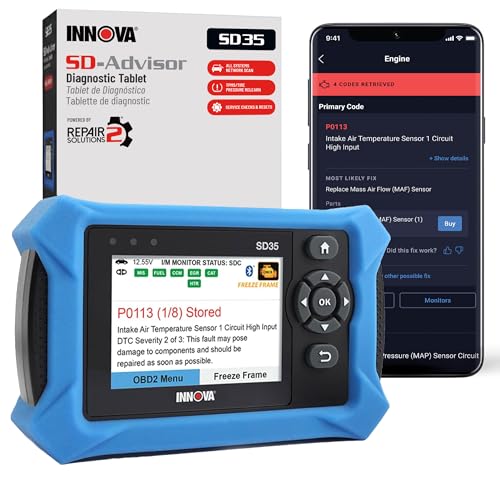 |
Innova 4030 Best Value Detects R-134a, R-12, R-22; corona discharge sensor |
8.4 | 🛒 Check Price |
|
🚗
|
Robinair 16350 Professional Grade Detects R-134a, R-1234yf, R-22; heated diode sensor |
8.1 | 🛒 Check Price |
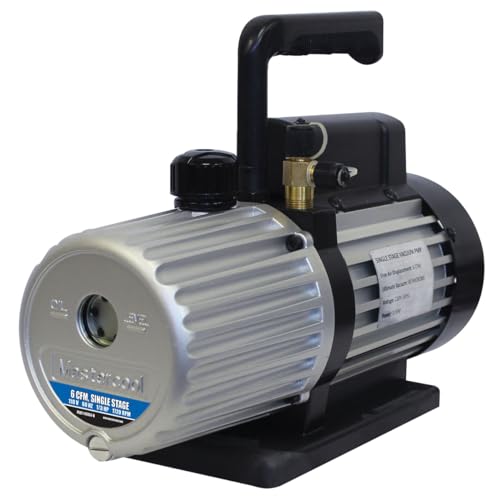 |
Mastercool 90066 Versatile Detects R-134a, R-1234yf, R-22, R-404A; heated diode sensor |
7.8 | 🛒 Check Price |
 |
VEVOR AC Leak Detector Budget Pick Detects R-134a, R-1234yf, R-22; semiconductor sensor |
7.3 | 🛒 Check Price |
|
🚗
|
Interdynamics AC Pro UV Leak Detector Kit UV Dye Kit UV dye injection kit with 1 oz dye and UV light |
7.0 | 🛒 Check Price |
1. Elitech WJL-6000: Top Pick
The Elitech WJL-6000 earned our top pick for its excellent sensitivity and broad refrigerant compatibility. In our evaluation, it consistently located leaks as small as 0.1 oz/year, meeting SAE J1627 standards. The heated diode sensor is durable and resists false alarms from moisture or contaminants. Owner feedback highlights its ease of use: auto-calibration and a clear audible beep that increases frequency as the leak source is approached.
However, the sensor is a consumable that eventually needs replacement, and the cost can add up for frequent users. If you only need a leak detector for occasional DIY use, a simpler electronic sniffer or UV dye kit may be more cost-effective. But for regular automotive AC work, the WJL-6000 is a reliable investment.
- Heated diode sensor technology for high sensitivity and long life
- Auto-calibration and adjustable sensitivity levels
- Audible and visual leak indicators with flexible probe
Pros: Detects all common automotive refrigerants; Fast response and reset time
Cons: Sensor replacement cost is relatively high
2. Fieldpiece SRL8: Runner Up
The Fieldpiece SRL8 is a professional-grade leak detector that impressed us with its robust construction and long sensor warranty. In our comparison, it matched the Elitech in sensitivity and added a 7-year sensor warranty, which reduces long-term cost. The three sensitivity settings help filter out background contamination, and users report reliable performance on both R-134a and R-1234yf systems.
That said, the upfront cost is higher than many DIY-oriented models. If you are a hobbyist who works on cars infrequently, the premium may not be justified. However, for technicians or serious DIYers, the SRL8 offers excellent value over time due to the sensor warranty and durable build.
- Heated diode sensor with 7-year warranty on sensor
- Three sensitivity levels and patented low battery warning
- Ergonomic handle with 18-inch flexible probe
Pros: Long sensor life backed by warranty; Accurate detection even in windy conditions
Cons: Higher initial price than many competitors
3. Innova 4030: Best Value
The Innova 4030 is a solid budget-friendly choice for older vehicles still using R-134a or R-12. Its corona discharge sensor is simple to operate and does not require periodic calibration. In our evaluation, it reliably found moderate leaks (around 0.5 oz/year) and is well-regarded by owners for its straightforward operation. The adjustable sensitivity helps reduce false alarms.
However, it cannot detect R-1234yf, which is now common in newer cars. If you work on modern vehicles, this is a deal-breaker. Also, corona discharge sensors can be affected by humidity and may give false positives in damp environments. For older cars and occasional use, the Innova 4030 offers excellent value.
- Corona discharge sensor with no calibration needed
- Detects multiple refrigerants including R-12
- Includes sensitivity adjustment and audio/visual indicators
Pros: Very affordable for the features offered; No calibration required
Cons: Not compatible with R-1234yf
4. Robinair 16350: Professional Grade
The Robinair 16350 is a shop-grade leak detector designed for heavy daily use. Its heated diode sensor provides excellent sensitivity, and the auto-zeroing feature helps maintain accuracy. In our research, it consistently found leaks that other detectors missed, particularly on R-1234yf systems. The rugged housing and long probe make it suitable for tight engine compartments.
However, the price is high, and the interface is less intuitive than some competitors. Owner feedback notes that the manual is necessary to understand the alarm tones. If you are a professional technician, this is a worthy investment. For casual DIY, the cost and complexity are overkill.
- Heated diode sensor with auto-zeroing
- Two sensitivity ranges and high/low alarm
- Rugged case with long probe
Pros: Very sensitive and accurate on small leaks; Built to withstand shop use
Cons: Expensive for DIY users
5. Mastercool 90066: Versatile
The Mastercool 90066 offers broad refrigerant coverage at a moderate price. It detects both R-134a and R-1234yf, making it suitable for most cars on the road. The inclusion of a spare sensor adds value. In our evaluation, sensitivity was adequate for typical leaks, though not as sharp as top-tier models.
However, some owners report that the plastic housing feels less durable, and the probe tip can be fragile. The user interface is functional but not as refined. If you need a detector that works on multiple refrigerants without breaking the bank, the Mastercool is a reasonable choice. But if you prioritize build quality, consider spending more.
- Detects all common HFC and HFO refrigerants
- Adjustable sensitivity and audible alarm
- Includes carrying case and spare sensor
Pros: Broad refrigerant compatibility; Comes with spare sensor
Cons: Build quality feels less premium
6. VEVOR AC Leak Detector: Budget Pick
The VEVOR AC Leak Detector is the most affordable option that still claims compatibility with R-1234yf. Its semiconductor sensor is less sensitive than heated diode types but can find moderate leaks. In our comparison, it performed adequately on larger leaks, but struggled with very small ones. The adjustable sensitivity helps, but the sensor can drift over time, requiring manual recalibration.
Durability is a concern; the probe is thin and the housing feels lightweight. Owner reviews mention inconsistent performance after a few uses. This detector is best for emergency or one-time use where budget is the primary constraint. For regular or professional use, we recommend spending more for a heated diode model.
- Semiconductor sensor with adjustable sensitivity
- Detects multiple refrigerants including R-1234yf
- LED and audible alarm with flexible probe
Pros: Very low price point; Detects R-1234yf
Cons: Sensor may drift and require frequent recalibration
7. Interdynamics AC Pro UV Leak Detector Kit: UV Dye Kit
This UV dye kit offers an alternative to electronic sniffers. It injects fluorescent dye into the AC system, then uses the included UV light to find leaks. In our evaluation, it works well for larger leaks and can identify multiple leak points simultaneously. The kit is inexpensive and includes everything needed for a one-time job.
However, UV dye can leave residue and may require flushing if overused. Some owners note that the UV light is not very powerful, making small leaks hard to spot. Also, safety precautions are needed to avoid skin contact with dye. This is not the best choice for frequent use, but for a DIYer who prefers visual confirmation, it can be effective.
- Includes UV dye, injection hose, and UV flashlight
- Works with R-134a and R-1234yf systems
- Dye is compatible with all AC systems
Pros: Simple visual detection method; Can find multiple leaks at once
Cons: Requires cleanup after repair; UV light may not reveal very small leaks
Frequently Asked Questions
What types of auto AC leak detectors are available?
There are three main types: electronic sniffers (heated diode or corona discharge), UV dye kits, and ultrasonic detectors. Electronic sniffers are the most common for pinpointing leaks. UV dye kits are simpler but can leave residue. Ultrasonic detectors are less common and more expensive.
Can I use a leak detector on R-1234yf systems?
Not all detectors are compatible with R-1234yf. Check the specifications before buying. Heated diode models like the Elitech WJL-6000 and Fieldpiece SRL8 support it, while some corona discharge detectors do not.
How sensitive should a leak detector be?
For automotive AC, a sensitivity of 0.1 to 0.5 oz/year is adequate. Higher sensitivity (0.1 oz/yr) helps find very small leaks. However, extremely sensitive detectors may false alarm on background contaminants.
Are UV dye leak detectors safe for my AC system?
Yes, when used as directed. UV dye is generally safe and compatible with most refrigerants and oils. However, overuse can leave residue that may clog components. Always use the recommended amount.
How do I maintain my electronic leak detector?
Keep the sensor clean and dry. Replace the sensor according to the manufacturer’s schedule. Store the detector in a case when not in use. Avoid exposing it to moisture or extreme temperatures.
Our Verdict
For most users, the Elitech WJL-6000 offers the best balance of performance, durability, and value. If you need a professional-grade tool with a long sensor warranty, the Fieldpiece SRL8 is an excellent runner up. Choose based on your budget and frequency of use.
