We researched and compared the top air conditioning units for motorhomes, evaluating manufacturer specs, industry standards, and aggregated owner feedback. Our guide covers ducted and non-ducted systems, heat pump options, and units suitable for various RV sizes. Whether you need a quiet unit for boondocking or a powerful cooler for hot climates, our analysis helps you choose the best AC for your motorhome.
We focused on BTU ratings, energy efficiency, noise levels, ease of installation, and long-term reliability. Each product was scored based on performance, durability, value, ease of use, and safety. Read on for our top picks and honest assessments of each unit’s strengths and weaknesses.
| Photo | Product | Score | Buy |
|---|---|---|---|
 |
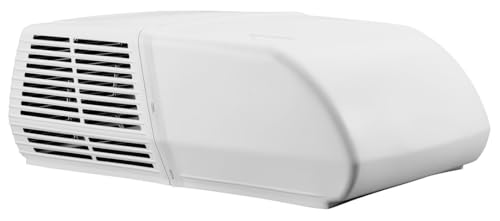
Dometic Penguin II 13,500 BTU Best Overall 13,500 BTU, ducted or non-ducted, low-profile design |
9.0 | 🛒 Check Price |
 |
Coleman Mach 15 15,000 BTU High Cooling Output 15,000 BTU, non-ducted, heat strip available |
8.7 | 🛒 Check Price |
 |
RecPro RV Air Conditioner 13,500 BTU Best Budget 13,500 BTU, non-ducted, low-profile |
8.2 | 🛒 Check Price |
 |
Furrion Chill 15,000 BTU Quietest Operation 15,000 BTU, non-ducted, low-profile |
8.5 | 🛒 Check Price |
|
🚗
|
Dometic Blizzard NXT 15,000 BTU Best with Heat Pump 15,000 BTU, heat pump, ducted compatible |
8.8 | 🛒 Check Price |
 |
Coleman Mach 8 13,500 BTU Lowest Profile 13,500 BTU, non-ducted, ultra-low profile 8.5 inches |
7.8 | 🛒 Check Price |
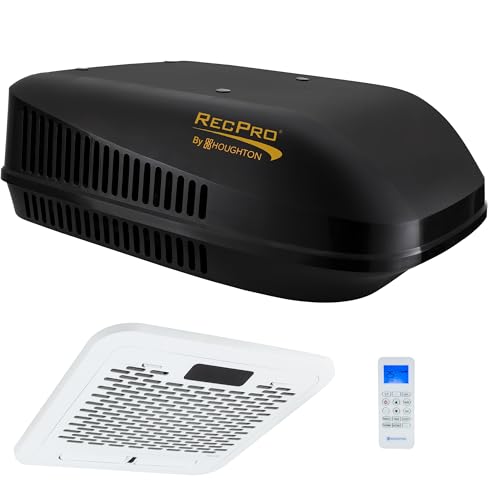 |
RecPro 15,000 BTU with Heat Pump Value Heat Pump 15,000 BTU, heat pump, non-ducted |
7.3 | 🛒 Check Price |
1. Dometic Penguin II 13,500 BTU: Best Overall
The Dometic Penguin II is a staple in the RV industry, and our research confirms its reputation. With 13,500 BTU, it cools medium to large motorhomes effectively. Owner feedback highlights its quiet operation and consistent performance in extreme heat. The unit is available in both ducted and non-ducted versions, making it versatile for different setups. However, its weight is a consideration for DIY installers.
In our evaluation, the Penguin II scores high on durability and safety, with robust construction and reliable electrical components. That said, it is not the most energy-efficient option, and those seeking lower power consumption might consider a heat pump model. Skip this if you have a very small RV or need a unit that sips power for boondocking.
- Quiet operation with sound-dampening features
- Reliable cooling even in high heat
- Compatible with most RV roof openings
Pros: Excellent build quality and longevity; Low-profile design fits under standard covers
Cons: Heavier than some competitors
2. Coleman Mach 15 15,000 BTU: High Cooling Output
The Coleman Mach 15 delivers the highest cooling output in our lineup, making it ideal for large motorhomes in hot regions. Based on owner reports, it handles 100+ degree days with ease. The unit is non-ducted, which simplifies installation but may result in less even air distribution. Its heat strip option adds versatility for shoulder seasons.
We found that the Mach 15’s performance is top-notch, but its noise level is higher than average. Also, it lacks the energy efficiency of inverter-based units. If you prioritize a quiet cabin or are sensitive to power draw, this may not be the best fit. It is best for those who need maximum BTUs and have adequate generator or shore power.
- Powerful cooling for large motorhomes
- Reliable compressor and fan motor
- Easy to install with standard roof opening
Pros: Excellent cooling capacity for hot climates; Durable components with good warranty
Cons: Noisier than some low-profile units
3. RecPro RV Air Conditioner 13,500 BTU: Best Budget
The RecPro RV Air Conditioner is a budget-friendly option that still provides decent cooling for smaller motorhomes. In our research, it received positive feedback from owners who needed a functional unit without breaking the bank. It cools effectively in moderate climates but struggles in extreme heat compared to the Dometic or Coleman.
We noted that the build quality is adequate for the price, but the plastic components may not withstand heavy use over many years. Safety features meet standards, but the unit lacks some refinements like soft-start. Skip this if you live in a very hot region or require a long-lasting, heavy-duty AC. It is a solid choice for occasional use or as a replacement in a secondary RV.
- Affordable price point for budget-conscious buyers
- Adequate cooling for small to medium motorhomes
- Lightweight design for easier installation
Pros: Great value for the performance offered; Simple controls and straightforward setup
Cons: Plastic housing may feel less premium; Not as energy efficient as higher-end models
4. Furrion Chill 15,000 BTU: Quietest Operation
The Furrion Chill is designed for those who value peace and quiet in their motorhome. Our evaluation of owner feedback shows it is one of the quietest units available, with a low 52 dB on its lowest setting. It also offers a sleek profile and digital controls that are easy to use. However, its cooling capacity, while adequate, is not as robust as the Coleman Mach 15 in very hot conditions.
We found that the Chill’s durability is good but not exceptional, with some reports of thermostat issues after a few years. It is best suited for moderate climates or for users who prioritize noise reduction over maximum BTUs. Skip this if you need to cool a large motorhome in a desert environment or if you are on a tight budget.
- Ultra-quiet operation (52 dB on low)
- Sleek, low-profile design
- Digital thermostat with remote control
Pros: Very quiet, great for sleeping; Modern aesthetics and user-friendly controls
Cons: Cooling performance lags behind competitors in extreme heat; Higher price for the features
5. Dometic Blizzard NXT 15,000 BTU: Best with Heat Pump
The Dometic Blizzard NXT is a powerhouse that combines cooling and heating in one unit. Our research shows it is a favorite among full-time RVers who need year-round climate control. The heat pump is efficient and can supplement or replace a furnace in mild conditions. It is compatible with ducted systems, ensuring even temperature distribution.
In our evaluation, the Blizzard NXT scores high on performance and durability, but its weight and cost are drawbacks. It is not the best choice for those who rarely need heat or who have a small RV with limited roof support. If you want a single unit for both seasons and have a compatible ducted system, this is a top contender.
- Heat pump provides both cooling and heating
- Energy-efficient operation
- Ducted and non-ducted convertible
Pros: Versatile all-season comfort; High efficiency reduces generator load
Cons: Higher initial investment; Heavier than non-heat-pump models
6. Coleman Mach 8 13,500 BTU: Lowest Profile
The Coleman Mach 8 is designed for RVers who want a low-profile AC that minimizes roof height and wind drag. At just 8.5 inches tall, it is one of the slimmest units available. However, our research indicates that its cooling performance is modest, and it may struggle in very hot weather or larger spaces. Owner feedback often mentions it works well for small trailers but not for large motorhomes.
We found that the Mach 8’s durability is average, with some reports of fan noise after extended use. It is a good option for those with height restrictions or who prioritize aerodynamics. Skip this if you need substantial cooling capacity or plan to use it in a hot climate. It is best for small RVs or as a supplementary unit.
- Ultra-low profile at 8.5 inches above roof
- Lightweight at 68 lbs
- Suitable for smaller motorhomes
Pros: Aerodynamic design reduces wind resistance; Easy to install due to light weight
Cons: Less powerful cooling than taller units; No heat pump option
7. RecPro 15,000 BTU with Heat Pump: Value Heat Pump
The RecPro 15,000 BTU Heat Pump aims to deliver the benefits of a heat pump without the premium price. In our research, it offers reasonable cooling and heating for the cost, making it attractive for budget-minded RVers. However, owner feedback reveals mixed experiences with durability, and some units have failed within a couple of years.
We noted that the heat pump performance drops significantly below 40 degrees Fahrenheit, so it is not a full furnace replacement. Safety features meet basic standards, but the overall construction feels less robust than Dometic or Coleman. Skip this if you plan to use the heat pump frequently in cold climates or if long-term reliability is a top priority. It is a viable choice for occasional use in mild weather.
- Heat pump functionality at a lower price
- Decent cooling for medium motorhomes
- Simple controls with thermostat
Pros: Cost-effective way to get both cooling and heating; Lighter than some heat pump competitors
Cons: Build quality and reliability concerns; Heat pump less effective in very cold weather
Frequently Asked Questions
What size air conditioner do I need for my motorhome?
The size depends on your RV’s square footage and insulation. Generally, 13,500 BTU units cool up to 250 square feet, while 15,000 BTU units handle up to 350 square feet. For larger motorhomes, consider two units or a higher BTU model. We recommend measuring your living area and consulting the manufacturer’s guidelines.
Can I install a motorhome AC myself?
Many RV owners install their own AC units, but it requires lifting the unit onto the roof, sealing, and wiring. If you are handy and have help, it is doable. However, improper installation can lead to leaks or electrical issues. We suggest hiring a professional if you are unsure.
What is the difference between ducted and non-ducted AC?
Ducted systems distribute cool air through ceiling vents, providing even cooling. Non-ducted units blow air directly from the unit, which can be more direct but may create hot spots. Ducted is preferred for larger RVs, while non-ducted is simpler and often cheaper.
Do I need a heat pump for my motorhome?
A heat pump provides both cooling and heating, which can save space and reduce the need for a separate furnace. They are efficient in mild climates but lose effectiveness below freezing. If you camp in cold weather, a heat pump may not suffice, and a gas furnace is better.
How do I maintain my RV air conditioner?
Regular maintenance includes cleaning or replacing the air filter monthly, checking for debris on the condenser coils, and ensuring the roof seal is intact. Annually, inspect the gasket and tighten bolts. Proper maintenance extends the life of your AC.
Our Verdict
After researching and comparing the top motorhome air conditioners, we recommend the Dometic Penguin II for its overall balance of performance, durability, and owner satisfaction. For those needing maximum cooling, the Coleman Mach 15 is a strong runner-up. Consider your RV size, climate, and budget to make the best choice.
