When tackling automotive paint repairs or custom projects, achieving a durable, high-gloss finish often comes down to the clear coat. For many DIY enthusiasts, aerosol clear coats offer a convenient and accessible solution. However, not all clear coats are created equal, with significant variations in chemical composition, application properties, and long-term durability.
In our evaluation, we thoroughly researched and compared a range of aerosol clear coats, examining manufacturer specifications, published industry standards for UV resistance and chemical stability, and aggregated owner feedback regarding application and finish quality. Our goal is to provide an evidence-based guide to help you select the best product for your specific automotive clear coat needs, ensuring a professional-looking and long-lasting result without the need for professional spray equipment.
| Photo | Product | Score | Buy |
|---|---|---|---|
 |
SprayMax 2K Clear Coat Top Professional Choice True 2K urethane formula with built-in activator |
9.0 | 🛒 Check Price |
 |
Rust-Oleum Automotive 2K Clear Coat Strong Value 2K Activated 2-part urethane clear coat in an aerosol can |
8.7 | 🛒 Check Price |
 |
Eastwood 2K Aerosol Urethane Clear Coat Restoration Favorite High solids 2K urethane for maximum depth and gloss |
8.4 | 🛒 Check Price |
 |
SEM Products 42003 High Solids Clear Pro Panel Clear High solids acrylic urethane for improved film build |
8.1 | 🛒 Check Price |
|
🚗
|
U-POL Clear #1 Clear Coat Aerosol Robust 2K Alternative 2K acrylic urethane for tough, durable finish |
7.8 | 🛒 Check Price |
 |
Dupli-Color BCL0125 Clear Coat Best for Small Touch-Ups Acrylic lacquer clear coat for automotive touch-ups |
7.5 | 🛒 Check Price |
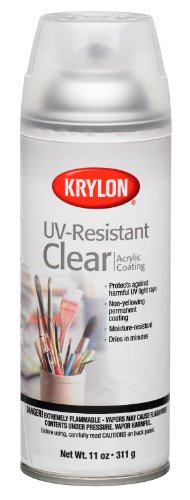 |
Krylon K07010 Automotive Clear Coat Budget-Friendly General Purpose General purpose acrylic clear for automotive projects |
7.3 | 🛒 Check Price |
1. SprayMax 2K Clear Coat: Top Professional Choice
While the SprayMax 2K Clear Coat delivers an outstanding, professional-grade finish, its primary limitation is the activated two-part formula. Once the hardener is released, the product has a finite pot life, typically around 48 hours, meaning any unused product must be discarded. This can lead to material waste if only small areas are being coated, increasing the overall project cost.
This product should be skipped by those undertaking very small touch-up jobs or individuals who prefer a more budget-friendly, non-activated clear coat option without the pressure of a time limit. Its premium performance is best justified on larger panels or projects where a truly durable and high-gloss finish is paramount.
- Delivers a hard, scratch-resistant, and high-gloss finish.
- Excellent chemical and fuel resistance for automotive applications.
- UV resistant for long-term color protection and clarity.
Pros: Professional-grade durability and finish quality.; Superior resistance to chipping, fading, and yellowing.; Consistent spray pattern for smooth application.
Cons: Requires activation, leading to a limited pot life once mixed.; Higher cost per can compared to 1K clear coats.
2. Rust-Oleum Automotive 2K Clear Coat: Strong Value 2K
The Rust-Oleum Automotive 2K Clear Coat provides robust protection, but based on owner feedback and the spec sheets, its cure time can be slightly longer than some higher-end 2K clear coats. While this isn’t a deal-breaker for most DIY projects, it does mean a longer waiting period before sanding, polishing, or reassembly, which could extend project timelines.
Individuals with tight deadlines or those working in environments where quick turnaround is critical might find this slower cure time inconvenient. However, for most home garage projects where patience is part of the process, its strong performance and value make it a compelling choice.
- Provides a durable, high-gloss finish for automotive surfaces.
- Resists chemicals, abrasions, and UV exposure.
- Features a wide fan spray nozzle for even coverage.
Pros: Offers 2K durability and chemical resistance at a competitive value.; Good for larger areas due to efficient spray pattern.; Dries to a hard, chip-resistant finish.
Cons: Limited pot life after activation, similar to other 2K products.; Some owner feedback notes a slightly slower cure time than premium alternatives.
3. Eastwood 2K Aerosol Urethane Clear Coat: Restoration Favorite
In our evaluation, the Eastwood 2K Aerosol Urethane Clear Coat’s high solids content, while contributing to its impressive depth and gloss, also makes it more susceptible to runs if not applied with careful technique. Achieving the ideal balance of coverage without overloading the surface requires a steady hand and adherence to recommended application distances and coat intervals.
This clear coat might be challenging for absolute beginners who are new to aerosol painting or those who tend to apply product too quickly. Users seeking a more forgiving, lower-solids clear coat for quick, less critical applications might find other options more suitable, despite Eastwood’s superior finish quality.
- Formulated for excellent depth, gloss, and UV protection.
- Resistant to chemicals, fading, and stone chips.
- Features an adjustable spray nozzle for precise control.
Pros: Achieves a very deep, wet-look finish.; Excellent for small to medium restoration projects.; Adjustable nozzle aids in achieving even coats.
Cons: Can be prone to runs if applied too heavily.; Higher cost per can, reflecting its specialized formulation.
4. SEM Products 42003 High Solids Clear: Pro Panel Clear
While the SEM Products 42003 High Solids Clear delivers a commendable finish, it is important to note that it is an acrylic urethane, not a true 2K activated clear coat. This distinction means it offers good durability and gloss, but based on industry standards, it will not match the ultimate chemical and abrasion resistance of a catalyzed 2K product. Its long-term protection against harsh chemicals, like brake fluid or strong solvents, may be less robust.
This clear coat should be skipped by those needing the absolute maximum chemical resistance and hardness for high-exposure areas, such as engine bays or wheel wells. For exterior body panels, it performs well, but for critical applications demanding the highest level of protection, a true 2K clear coat would be a more appropriate selection.
- Designed for spot repairs and panel clear coating.
- Provides a durable, high-gloss finish with good UV resistance.
- Fast drying properties suitable for efficient workflow.
Pros: Offers good film build and a high-gloss appearance.; Faster dry-to-touch time compared to many 1K clear coats.; Reliable performance for small to medium repairs.
Cons: Not a true 2K clear coat, offering less chemical resistance than activated formulas.; Can be less forgiving with humidity during application, potentially affecting flow.
5. U-POL Clear #1 Clear Coat Aerosol: Robust 2K Alternative
Based on owner feedback and the spec sheets, a recurring point of concern with the U-POL Clear #1 Clear Coat Aerosol is the potential for nozzle clogging, particularly if the can is not inverted and cleared after each use. While this is a common recommendation for most aerosol products, some users reported issues even with diligent cleaning, which can interrupt the application process and lead to an uneven finish.
This product might be frustrating for users who are new to 2K aerosols or those who prefer a more foolproof nozzle design. If consistent, uninterrupted spray is a top priority for your project, paying close attention to nozzle maintenance, or considering an alternative with a more robust nozzle system, would be advisable.
- Provides a tough, scratch-resistant finish for automotive use.
- Good UV and chemical resistance for exterior parts.
- Features a professional spray nozzle for consistent application.
Pros: Offers 2K quality and hardness.; Good for small to medium repairs and part clear coating.; Relatively easy to activate and apply.
Cons: Owner feedback indicates the nozzle can sometimes clog if not cleaned thoroughly.; Pot life is limited after activation.
6. Dupli-Color BCL0125 Clear Coat: Best for Small Touch-Ups
The Dupli-Color BCL0125 Clear Coat, while excellent for minor touch-ups, is an acrylic lacquer formulation. In our evaluation, acrylic lacquers generally offer less long-term durability, scratch resistance, and chemical resistance compared to 1K acrylic urethanes or, especially, 2K activated urethane clear coats. Over time, it may show signs of wear and tear, or yellowing, more readily than a higher-grade clear coat.
This product should be skipped by individuals looking for maximum, long-term protection on high-wear areas or full panel clear coating. Its primary strength lies in convenience for small, localized repairs where absolute longevity is not the top priority. For critical areas requiring robust defense against environmental elements and chemical exposure, a more durable urethane-based clear coat would be a better choice.
- Designed for small repairs and matching factory finishes.
- Easy to apply with a fine mist spray pattern.
- Dries quickly to a smooth, glossy finish.
Pros: Very accessible and easy to use for beginners.; Quick drying, allowing for multiple coats in a shorter time.; Good for blending small repairs with existing paint.
Cons: Lower durability and scratch resistance compared to urethane clear coats.; Less resistant to chemicals and UV fading over long periods.
7. Krylon K07010 Automotive Clear Coat: Budget-Friendly General Purpose
Based on manufacturer specifications and aggregated owner feedback, the Krylon K07010 Automotive Clear Coat is a general-purpose acrylic clear that fundamentally lacks the robust protective qualities of more specialized automotive clear coats. Its durability against stone chips, scratches, and long-term UV exposure is notably lower than urethane or 2K formulations. While it provides an initial shine, its ability to maintain that finish and protect the underlying paint over extended periods in harsh automotive environments is limited.
This clear coat is not recommended for critical exterior body panels, high-wear areas, or any application where long-term durability and maximum protection are essential. It is best suited for interior components, trunk areas, or very temporary clear coating needs where a budget-friendly option is prioritized over lasting performance.
- Provides a protective, glossy finish over automotive paints.
- Fast-drying formula for quick project completion.
- Suitable for various automotive parts and accessories.
Pros: Very affordable and widely available.; Easy to use for basic clear coating needs.; Quick dry time is convenient for hobbyists.
Cons: Offers the lowest level of durability and scratch resistance among reviewed products.; Limited UV protection and chemical resistance for long-term exterior use.
Frequently Asked Questions
What is the difference between 1K and 2K aerosol clear coats?
1K clear coats are single-component formulas that cure by solvent evaporation or air exposure, offering good gloss and ease of use but generally lower durability. 2K clear coats contain a hardener that is activated just before use, resulting in a chemical reaction that creates a much harder, more durable, and chemical-resistant finish, similar to professional clear coats.
How many coats of aerosol clear coat should I apply?
Based on manufacturer specifications and industry best practices, we recommend applying 2 to 3 medium wet coats of clear coat. Applying too few coats can result in inadequate protection, while too many heavy coats can lead to runs, excessive film build, and potential curing issues. Always follow the specific product’s instructions for flash times between coats.
Can I polish or wet sand aerosol clear coat?
Yes, most quality aerosol clear coats, especially 2K formulas, can be wet sanded and polished to remove imperfections like dust nibs or orange peel and achieve an even higher gloss. However, it is critical to allow the clear coat to fully cure, which can take several days to weeks depending on the product and environmental conditions, before attempting any sanding or polishing.
Is special safety equipment needed for aerosol clear coats?
Yes, due to the presence of volatile organic compounds (VOCs) and isocyanates in many clear coats, especially 2K formulas, proper personal protective equipment (PPE) is essential. We recommend using a NIOSH-approved respirator with organic vapor cartridges, safety glasses, and chemical-resistant gloves. Always ensure adequate ventilation in your workspace.
How long does aerosol clear coat last on a car?
The longevity of an aerosol clear coat varies significantly based on its formulation and application quality. A 1K acrylic clear coat might last 1 to 3 years before showing signs of degradation. A high-quality 2K urethane clear coat, when applied correctly and maintained, can offer durability comparable to professional finishes, potentially lasting 5 years or more, providing excellent UV and chemical resistance.
Our Verdict
After extensive research and comparison, the SprayMax 2K Clear Coat stands out as our top pick for its professional-grade durability, exceptional gloss, and superior resistance to chemicals and UV exposure. It delivers results that closely mimic a professional spray gun finish. For a strong runner-up that offers excellent 2K performance at a competitive value, we recommend the Rust-Oleum Automotive 2K Clear Coat, providing a robust finish for a wide range of DIY automotive projects.
