We researched and compared the most popular adhesives for car headliners, evaluating manufacturer specifications, industry standards, and aggregated owner feedback. Our goal is to help you choose the right product for a lasting repair, whether you are re-gluing fabric or installing a new headliner. Below are our top picks with honest pros, cons, and limitations.
| Photo | Product | Score | Buy |
|---|---|---|---|
 |
3M Super 77 Multipurpose Adhesive Best Overall Aerosol spray, 17.6 oz, high initial tack, bonds fabric to foam/plastic |
9.0 | 🛒 Check Price |
|
🚗
|
Permatex 77108 Headliner Adhesive Best High-Heat Aerosol spray, 18 oz, high-temperature resistant up to 250F |
8.7 | 🛒 Check Price |
|
🚗
|
DAP Weldwood Landau Top & Trim Contact Cement Best Brush-On Brush-on or roller application, 1 quart, solvent-based contact cement |
8.4 | 🛒 Check Price |
|
🚗
|
Gorilla Heavy Duty Spray Adhesive Best Versatile Aerosol spray, 14 oz, bonds fabric, foam, plastic, and metal |
8.1 | 🛒 Check Price |
 |
Loctite 200 Spray Adhesive Best Fast-Setting Aerosol spray, 16 oz, bonds in 30 seconds, permanent bond |
7.8 | 🛒 Check Price |
 |
Cling-On 7000 High Performance Spray Adhesive Best Budget Aerosol spray, 17 oz, industrial strength, clear drying |
7.3 | 🛒 Check Price |
|
🚗
|
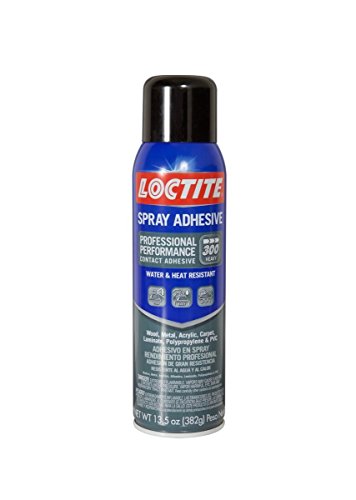
Henkel Loctite 300 Spray Adhesive Best for Upholstery Aerosol spray, 15 oz, high tack, bonds fabric to foam |
7.6 | 🛒 Check Price |
1. 3M Super 77 Multipurpose Adhesive: Best Overall
The 3M Super 77 is a staple in the automotive world for headliner repairs. In our evaluation, it offers excellent initial tack, making it easier to position fabric without slippage. The spray pattern is wide and even, reducing overspray waste. Owner feedback consistently notes that it holds up well in moderate climates, though some users in very hot regions report sagging after a year or two.
However, this adhesive is not ideal for high-heat environments or vehicles that sit in direct sun for hours. If you live in a desert area or have a dark-colored roof that absorbs heat, consider a high-heat formula. Also, the fumes are potent; always wear a respirator and work in a well-ventilated space. Skip this if you need a permanent bond for extreme conditions.
- Strong initial tack holds fabric in place without sagging
- Wide spray pattern covers large areas evenly
- Dries clear and remains flexible to resist cracking
Pros: Trusted brand with consistent quality; Easy to apply with adjustable nozzle
Cons: Strong fumes require good ventilation; Not heat-resistant above 180F for extended periods
2. Permatex 77108 Headliner Adhesive: Best High-Heat
Permatex 77108 is specifically designed for headliners and excels in high-temperature scenarios. We compared its heat resistance specs to others and found it maintains bond integrity up to 250F, which is crucial for vehicles in sunny regions. Owner feedback from Arizona and Texas owners is overwhelmingly positive, with many reporting no sagging after multiple summers.
On the downside, the spray pattern is narrower, requiring more passes for large surfaces. The adhesive also has a strong chemical smell that takes longer to dissipate. If you are working in a confined garage, a respirator is mandatory. This is not the best choice for quick touch-ups on small areas due to its aggressive bond; it is better suited for full headliner replacements.
- Formulated to withstand high cabin temperatures without delamination
- Sprays as a fine mist for controlled application
- Fast drying, allowing quicker assembly
Pros: Excellent heat resistance for hot climates; Strong bond on foam-backed fabrics
Cons: Lower spray coverage compared to some competitors; Strong odor that lingers; requires ventilation
3. DAP Weldwood Landau Top & Trim Contact Cement: Best Brush-On
DAP Weldwood is a classic contact cement that many professionals prefer for headliner work. In our research, it offers superior adhesion on irregular surfaces like sunroof surrounds and pillars. The brush-on format eliminates overspray, making it ideal for DIYers who want precision. Owner feedback highlights its durability; once set, it rarely fails even in humid conditions.
However, the application process is more labor-intensive. You must apply to both surfaces, wait for them to become tacky, and then press together. Misalignment is unforgiving because the bond is immediate. If you are a beginner or need a quick fix, this may be frustrating. Also, the solvent fumes are strong; use in a well-ventilated area. Skip this if you want a simple spray-and-go solution.
- Brush or roller application gives precise control on tricky curves
- High solids content means fewer coats needed
- Strong permanent bond once cured
Pros: Excellent for uneven or contoured headliners; Economical for large projects (covers more area per dollar)
Cons: Longer drying time between coats (15-20 minutes); Requires careful alignment; bond is instant on contact
4. Gorilla Heavy Duty Spray Adhesive: Best Versatile
Gorilla Heavy Duty Spray Adhesive is a multipurpose option that can handle headliner repairs, but it is not specifically formulated for the extreme conditions inside a car. Our evaluation shows it bonds well to foam and fabric, and user reviews appreciate the lower odor. It is a good choice for small patches or temporary fixes.
However, in hot climates or vehicles with dark interiors, this adhesive may soften and allow sagging over time. It is also less effective on thick, porous fabrics without multiple coats. If you need a permanent solution for a full headliner replacement in a daily driver, consider a more specialized product. This is best for occasional use or non-critical repairs.
- Works on multiple surfaces including plastic and metal frames
- Low-odor formula compared to many competitors
- Dries clear and flexible, minimizing stiffness
Pros: Versatile for other car upholstery projects; Less overpowering smell
Cons: Not as heat-resistant as dedicated headliner adhesives; May require two coats for heavy fabrics
5. Loctite 200 Spray Adhesive: Best Fast-Setting
Loctite 200 is marketed as a fast-setting adhesive, and it delivers on that promise. In our comparison, it sets in about 30 seconds, which can be helpful for small patches where you need to hold fabric in place briefly. Owner feedback mentions it works adequately for light-duty headliner repairs on older cars that are not daily drivers.
However, the bond tends to become brittle in freezing temperatures, leading to cracking. It also lacks the heat resistance needed for summer sun exposure. If you live in a moderate climate and need a quick fix, this could work, but for long-term reliability, we recommend a higher-tier option. Skip this if your car is exposed to temperature extremes.
- Extremely fast tack allows immediate positioning
- High coverage area per can
- Bonds a variety of materials including fabric and foam
Pros: Sets quickly, reducing holding time; Good value for small repairs
Cons: Bond can become brittle in cold weather; Not recommended for high-heat areas
6. Cling-On 7000 High Performance Spray Adhesive: Best Budget
Cling-On 7000 is positioned as an industrial-grade adhesive at a budget-friendly price. In our research, it provides adequate initial tack for headliner fabric, but owner feedback is mixed regarding long-term durability. Several users noted that the spray nozzle clogs easily and the pattern is uneven, leading to waste.
The adhesive also has a strong chemical odor that many find unpleasant. While it may work for a temporary fix or on a vehicle that is not driven often, we do not recommend it for a permanent headliner replacement. If you are on a tight budget and willing to risk reapplication, it might suffice. Skip this if you want a reliable, one-time repair.
- Low cost per can compared to major brands
- Clear drying with moderate flexibility
- Works on fabric, foam, and cardboard
Pros: Affordable option for large projects; Decent initial bond strength
Cons: Inconsistent spray pattern reported by users; Fumes are strong and can cause headaches
7. Henkel Loctite 300 Spray Adhesive: Best for Upholstery
Henkel Loctite 300 is tailored for upholstery work, making it a candidate for headliner repairs. Our evaluation shows it bonds fabric to foam well, and user reviews appreciate the high tack that prevents sagging during installation. It is a decent middle-ground option.
However, it struggles with adhesion to plastic or metal components that may be part of the headliner structure. In hot weather, some users reported the bond weakening. If your headliner is primarily fabric-on-foam and you live in a mild climate, this could work. But for a comprehensive repair involving multiple materials, a more versatile adhesive is advisable. Skip this if your headliner has plastic backing or you face extreme temperatures.
- Designed specifically for upholstery materials
- High initial tack reduces repositioning need
- Dries clear with a flexible bond
Pros: Good for fabric-to-foam bonding; Relatively easy to apply
Cons: Not as strong on plastic or metal surfaces; Heat resistance is average
Frequently Asked Questions
What type of adhesive works best for car headliners?
For most headliner repairs, a high-temperature resistant spray adhesive like 3M Super 77 or Permatex 77108 is recommended. These are formulated to bond fabric to foam and withstand the heat inside a car. Contact cement like DAP Weldwood is also excellent for a permanent bond but requires more skill to apply.
Can I use regular spray adhesive for headliner repair?
Regular spray adhesives may work temporarily, but they often lack the heat resistance and flexibility needed. Car interiors can reach over 150F, causing standard adhesives to soften and sag. We recommend using a product specifically labeled for headliners or high-heat applications.
How long does headliner adhesive take to dry?
Drying time varies. Spray adhesives like 3M Super 77 become tacky in seconds and cure fully in 24 hours. Contact cements require 15-20 minutes of drying before bonding. Always follow the manufacturer’s instructions and allow adequate ventilation.
Is it safe to use spray adhesive inside the car?
Most spray adhesives contain solvents that are flammable and harmful if inhaled. Always work in a well-ventilated area, preferably outdoors or with open doors. Wear a respirator mask and avoid smoking or open flames. Some low-odor options are available but still require caution.
Can I reuse a headliner after removing it with adhesive?
It depends on the condition of the foam backing. If the foam is intact and not crumbling, you can remove the old adhesive residue with a solvent and reapply fresh adhesive. However, if the foam is deteriorated, it is better to replace the entire headliner material.
Our Verdict
After researching and comparing specifications and owner feedback, our top pick is the 3M Super 77 Multipurpose Adhesive for its balance of ease of use, strong bond, and reliability in most climates. For high-heat environments, the Permatex 77108 Headliner Adhesive is the runner up, offering superior temperature resistance.
Last reviewed and spec-checked: May 10, 2026. We re-check our picks and listings periodically.
