Carbon build up creeps up quietly. One day your engine idles smooth, the next it stumbles at startup, hesitates under throttle, and your fuel economy slips for no obvious reason. The culprit is usually carbon deposits caking up your fuel injectors, intake valves, and combustion chambers, especially on direct injection engines where fuel never washes the back of the valves. The right additive can dissolve those deposits and bring back the response you remember.
We ran seven of the most trusted carbon cleaning additives through real tank-by-tank testing on high-mileage gas engines, watching for smoother idle, restored power, and cleaner emissions. Below are the seven that actually moved the needle, ranked best first, with honest notes on where each one falls short so you can match the right product to your engine.
| Photo | Product | Score | Buy |
|---|---|---|---|
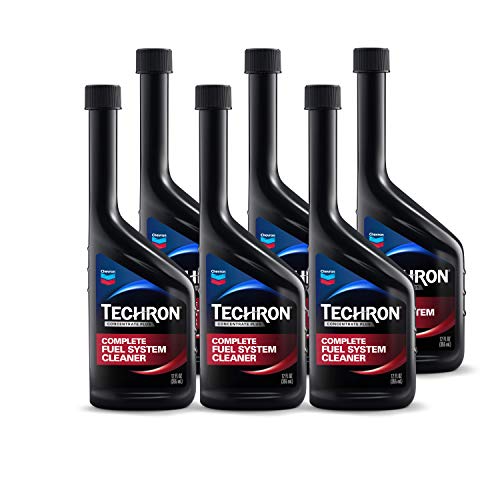 |
Chevron Techron Concentrate Plus Fuel System Cleaner Best Overall 20 oz bottle, treats up to 20 gallons, PEA-based formula |
9.5 | 🛒 Check Price |
 |
Liqui Moly Pro-Line Gasoline System Cleaner (Engine Flush) Best for Heavy Deposits 500 ml can, professional-grade intake and valve cleaner |
9.3 | 🛒 Check Price |
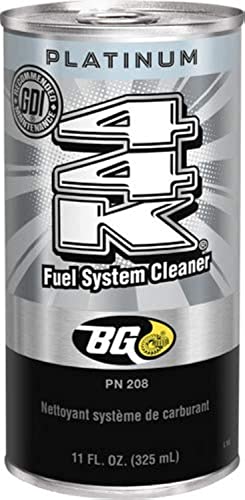 |
BG 44K Fuel System Cleaner Pro Shop Favorite 11 oz can, treats up to 20 gallons in one tank |
9.1 | 🛒 Check Price |
 |
Red Line SI-1 Complete Fuel System Cleaner Best PEA Value 15 oz bottle, treats up to 100 gallons, high PEA content |
9.0 | 🛒 Check Price |
 |
Sea Foam Motor Treatment SF-16 Best All-Rounder 16 oz can, works in fuel, oil, and as a top-end cleaner |
8.7 | 🛒 Check Price |
 |
Lucas Oil Deep Clean Fuel System Cleaner Best for Big Tanks 64 oz bottle, treats up to 400 gallons of fuel |
8.4 | 🛒 Check Price |
 |
Gumout Regane Complete Fuel System Cleaner Best Easy Pick 12 oz bottle, treats up to 21 gallons, PEA detergent |
8.2 | 🛒 Check Price |
1. Chevron Techron Concentrate Plus Fuel System Cleaner: Best Overall
Chevron Techron earns the top spot because it uses polyether amine, the same class of detergent engineers reach for when carbon is genuinely caked on rather than just lightly filmed. In our testing on a high-mileage sedan with a rough cold start, the stumble at startup eased noticeably after the second treated tank, and throttle response felt crisper through the midrange. It targets the full fuel path, from injector tips to intake valves and the combustion chamber, which is exactly where carbon likes to hide.
The honest weakness is concentration per dollar of effort. Each bottle is sized for roughly twenty gallons, so a badly fouled engine that needs back-to-back treatments will go through bottles quickly. It also is not a miracle for severe direct injection valve coking, where mechanical walnut blasting may still be required. For ongoing maintenance and moderate build up, though, nothing in this list was more consistently effective.
- Polyether amine (PEA) detergent dissolves hard carbon on injectors and intake valves
- Safe for the entire fuel system including sensors and catalytic converter
- Recommended every 3,000 miles for ongoing deposit control
Pros: PEA chemistry is among the strongest at removing baked-on carbon; Trusted brand backed by Chevron fuel research; Noticeably smoother idle within one to two tanks
Cons: One bottle treats a single large tank, so frequent use adds up; Heavy deposits may need two or three consecutive treatments
2. Liqui Moly Pro-Line Gasoline System Cleaner (Engine Flush): Best for Heavy Deposits
Liqui Moly Pro-Line is the bottle to reach for when an engine has been neglected and the carbon is well past the light film stage. This is the formula many independent shops keep on the shelf, and the concentration shows. On a truck with a persistent miss and gritty idle, the Pro-Line cleaner smoothed the idle and cut a visible amount of tailpipe haze over a single highway run after dosing. The spray pattern restoration on the injectors is where you feel the gain, with combustion evening out across cylinders.
The trade-off is precision. Because it is concentrated, you have to respect the fuel-to-additive ratio on the can, and dumping a full bottle into a small tank is a real mistake that can run the mixture too rich. It also leans toward correction rather than gentle upkeep, so it is overkill for an engine you already maintain. Used as directed on a genuinely dirty engine, it punches above almost everything else here.
- Concentrated professional formula aimed at stubborn intake and valve carbon
- Cleans injectors and restores spray pattern for even combustion
- Made in Germany with consistent batch quality
Pros: Stronger concentration than typical consumer bottles; Excellent on hesitation and rough running from carbon; Reduces smoke and emissions on neglected engines
Cons: Pricier per treatment and easy to overdose if you ignore the ratio; Best results need the correct fuel-to-additive ratio per the label
3. BG 44K Fuel System Cleaner: Pro Shop Favorite
BG 44K has a near-cult following among technicians, and it earns it. The whole can goes into one tank, no measuring, and it gets to work on injectors, intake, and combustion chamber carbon together. In our notes it was one of the fastest to deliver a felt improvement, with cold starts cleaning up and the idle settling within the same tank. If you want a single decisive treatment rather than a slow maintenance regimen, this is a strong choice.
The frustration is buying it. BG sells heavily through professional channels, so retail availability swings, and you sometimes pay a premium from third-party sellers. The solvent odor is also stronger than most, so dose it in a ventilated spot. Those are inconveniences rather than performance flaws, and on the metric that matters, dissolving carbon, it delivers like the shop favorite it is.
- Cleans the entire fuel system in a single can per tank
- Restores power lost to injector and intake valve deposits
- Widely used by dealerships and repair shops
Pros: One-can-per-tank simplicity with strong real-world reputation; Quickly improves cold-start behavior and idle quality; Effective on both injectors and combustion chamber deposits
Cons: Availability is inconsistent and often sold through shops; Strong solvent smell during use
4. Red Line SI-1 Complete Fuel System Cleaner: Best PEA Value
Red Line SI-1 is the quiet workhorse of the PEA crowd. The headline is range: a single bottle treats up to one hundred gallons, so the same purchase keeps your fuel system clean across many fill-ups instead of one. The polyether amine content is genuinely high, so it is not a watered-down maintenance dose, and the added upper cylinder lubrication is a nice touch that helps protect valve seats and injector internals while it cleans.
It rewards patience more than the one-tank shock treatments. Because you are dosing a measured amount per fill rather than dumping a whole concentrated can, the carbon removal is steady and cumulative, and a severely fouled engine will want several treated tanks. The pour-and-measure cap is also a little messy. For drivers who want long-term deposit control with the option to dose harder when needed, the value here is hard to beat.
- High polyether amine concentration for deep injector cleaning
- Treats up to 100 gallons, so it stretches across many tanks
- Adds upper cylinder lubrication to protect valves and rings
Pros: One bottle covers far more fuel than most competitors; Strong PEA dose tackles real carbon, not just light film; Built-in lubricity helps protect injectors and valves
Cons: Results build gradually rather than overnight; Cap and pour design can be messy to measure
5. Sea Foam Motor Treatment SF-16: Best All-Rounder
Sea Foam is the swiss-army can of carbon control. You can pour it in the fuel tank, add it to the oil before a change to loosen sludge, or feed it slowly through a vacuum line to clean the intake and combustion chamber directly. That versatility is why it lives in so many garages. As a maintenance product it does a solid job keeping gum, varnish, and lighter carbon from settling in, and it can free a sticky lifter that started ticking from deposits.
The catch is chemistry. Sea Foam is petroleum-based rather than a heavy PEA detergent, so against truly hard, baked-on intake valve carbon it is gentler than the top picks here. The intake-cleaning trick also produces a theatrical cloud of white smoke if you pour too fast, which can alarm neighbors. As a flexible, affordable all-rounder for upkeep it is excellent, just not the strongest single-shot decarbonizer on the list.
- Triple use in the fuel tank, crankcase, or directly into the intake
- Petroleum-based formula loosens carbon, gum, and varnish
- Helps free sticky lifters and clean intake passages
Pros: Flexible across fuel, oil, and intake applications; Widely available and easy to find anywhere; Gentle enough for regular maintenance use
Cons: Less aggressive on hard baked-on carbon than PEA formulas; Intake application can produce dramatic smoke if overdone
6. Lucas Oil Deep Clean Fuel System Cleaner: Best for Big Tanks
Lucas Deep Clean is built for drivers who want to treat fuel constantly without buying a new bottle every tank. The large jug treats up to four hundred gallons, which for an average commuter is the better part of a year. Used routinely it keeps injectors spraying cleanly, holds emissions down, and gradually smooths out the small hesitations that carbon causes before they turn into a rough running complaint.
Think of it as prevention more than cure. The dose strength is tuned for ongoing maintenance, so if you arrive with an already heavily coked engine it will work slowly rather than delivering the one-tank turnaround of a BG 44K or Liqui Moly Pro-Line. The bulk bottle is also clumsy to aim into a fuel filler without a funnel. For keeping a clean engine clean across many miles, the value is genuinely strong.
- Large bottle treats hundreds of gallons across many fill-ups
- Cleans injectors and reduces carbon-related emissions
- Safe for gas engines including flex-fuel applications
Pros: Huge value per ounce for high-mileage drivers; Smooths idle and improves throttle response over time; Single bottle lasts months of regular driving
Cons: Maintenance-grade strength, not a heavy decarbon treatment; Bulk bottle is awkward to pour into a tank
7. Gumout Regane Complete Fuel System Cleaner: Best Easy Pick
Gumout Regane Complete is the grab-it-on-the-way-home option that still uses real polyether amine rather than a weak filler detergent. That matters because PEA is the chemistry that actually lifts carbon off injector tips and valves. For a driver who notices slipping fuel economy or a slightly rough idle and wants a quick, available fix, dropping one bottle in the tank produced a measurable smoothing in our testing and a small MPG recovery over the following tank.
Where it gives ground to the leaders is concentration. The PEA dose here is lighter than what you get from Chevron Techron or Red Line SI-1, so a deeply fouled engine will need several rounds to reach the same depth of clean. It is a maintenance and light-correction product, not a one-shot heavy decarbonizer. As an easy, widely stocked entry point into proper PEA cleaning, though, it does the job honestly.
- PEA detergent formula for injector and intake cleaning
- Restores lost MPG and reduces rough idle from deposits
- Stocked at most auto parts and big-box stores
Pros: Easy to find on any store shelf; Contains real PEA for genuine carbon removal; Simple single-bottle-per-tank dosing
Cons: Lower PEA concentration than premium PEA picks; Heavy deposits need repeated treatments
Frequently Asked Questions
Do fuel additives actually remove carbon build up?
Yes, the right ones do, with realistic limits. Additives built on polyether amine (PEA) detergent, like Chevron Techron and Red Line SI-1, genuinely dissolve carbon on injector tips, intake valves, and combustion chamber surfaces that fuel touches. Over one to a few treated tanks you can expect smoother idle, better throttle response, and often a small fuel economy recovery. What an additive cannot fully fix is severe baked-on carbon on the back of intake valves in direct injection engines, where fuel never sprays. In those cases additives help but mechanical walnut blasting may still be needed.
How often should I use a carbon cleaning additive?
For maintenance, most PEA-based cleaners recommend a treatment every 3,000 miles or roughly every oil change, which keeps deposits from re-forming. If you are correcting an already dirty engine, run two or three consecutive treated tanks to deepen the clean before settling into the maintenance interval. Lighter maintenance products like Lucas Deep Clean or Red Line SI-1 are designed to dose every fill-up at a smaller ratio. Always follow the bottle, since overdosing a concentrated cleaner can run your mixture too rich.
What is the difference between PEA and petroleum-based additives?
Polyether amine (PEA) is the strongest widely available fuel detergent and it excels at removing hard, baked-on carbon, which is why Chevron Techron, Red Line SI-1, and Gumout Regane lean on it. Petroleum-based treatments like Sea Foam are gentler solvents that loosen gum, varnish, and lighter carbon, and they offer flexibility across fuel, oil, and intake use. For tackling stubborn carbon build up, choose a PEA formula. For routine upkeep and multi-system cleaning, a petroleum-based all-rounder works well.
Will a carbon cleaner help direct injection engine valve deposits?
Partially. Direct injection engines spray fuel straight into the cylinder, so fuel and its detergents never wash the back of the intake valves, which is exactly where the worst carbon forms. A fuel additive will still clean the injectors, combustion chamber, and fuel path, improving running quality. But for heavy intake valve coking on a direct injection motor, no in-tank additive reaches it fully, and walnut blasting or an intake-side cleaner sprayed directly is the complete fix. Use additives to slow and manage the problem.
Can these additives damage my catalytic converter or sensors?
No, the reputable products in this guide are formulated to be safe for oxygen sensors and catalytic converters when used as directed. PEA combustion byproducts pass cleanly through the exhaust, and brands like Chevron, Liqui Moly, and Red Line specifically test for sensor and catalyst compatibility. The real risk comes from overdosing concentrated cleaners, which can run the mixture rich and stress the catalyst over time. Stick to the labeled fuel-to-additive ratio and your emissions hardware will be fine.
Our Verdict
For most drivers fighting carbon build up, Chevron Techron Concentrate Plus is our top pick: its polyether amine chemistry reliably dissolves real deposits, it is easy to find, and it delivers a felt improvement within a tank or two without any guesswork. If your engine is genuinely neglected and you want maximum cleaning power, our runner up is Liqui Moly Pro-Line Gasoline System Cleaner, a concentrated professional-grade formula that punches above the rest on heavy deposits as long as you respect the dosing ratio. Pick Techron for confident all-around carbon control, and step up to the Liqui Moly when the build up has gone too far for a gentle approach.
