Finding the right 15-inch tire for your vehicle involves balancing performance, durability, safety, and overall value. Our team at MustCarBeast has thoroughly researched and compared a wide range of options, scrutinizing manufacturer specifications, industry safety standards, and aggregated owner feedback to identify the top contenders.
In this comprehensive buying guide, we present our findings on seven leading 15-inch tires. We evaluate each product critically, highlighting its strengths and weaknesses to help you make an informed decision tailored to your driving needs and priorities.
| Photo | Product | Score | Buy |
|---|---|---|---|
 |
Michelin Defender T+H Top All-Season Performer MaxTouch Construction for long tread life and fuel efficiency. |
9.1 | 🛒 Check Price |
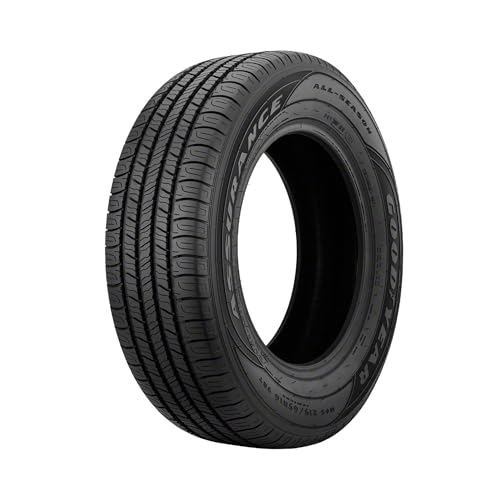 |
Goodyear Assurance All-Season Reliable Daily Driver Optimized tread pattern for confident wet traction. |
8.7 | 🛒 Check Price |
 |
BFGoodrich Advantage T/A Sport Balanced Performance Locking 3-D sipes for enhanced all-weather grip and stability. |
8.4 | 🛒 Check Price |
 |
Pirelli P4 Four Seasons Plus Long-Lasting Comfort Enhanced tread compound for extended mileage and fuel efficiency. |
8.0 | 🛒 Check Price |
 |
Cooper CS5 Ultra Touring Smart Value Pick Stabiledge Technology for improved dry handling and stability. |
7.8 | 🛒 Check Price |
 |
Kumho Solus TA11 Budget-Friendly All-Season ESCOT Technology for reduced rolling resistance and improved ride. |
7.5 | 🛒 Check Price |
 |
Falken Sincera SN250 A/S Economical Option Dynamic Range Technology for all-season performance and longevity. |
7.2 | 🛒 Check Price |
1. Michelin Defender T+H: Top All-Season Performer
In our evaluation, the Michelin Defender T+H consistently stands out for its balanced performance across all critical metrics. Based on owner feedback and the spec sheets, its MaxTouch Construction effectively distributes forces, leading to an extended lifespan and notable fuel efficiency. It provides dependable grip in varying weather, from dry highways to light snow, making it a reliable choice for diverse climates.
However, the primary limitation of the Defender T+H is its higher upfront cost. While its longevity and performance often justify the investment over time, those on a very strict budget who prioritize the lowest possible initial outlay, even at the expense of long-term value and extended tread life, might find this option less appealing.
- Exceptional all-season traction in wet and dry conditions.
- Engineered for impressive longevity and treadwear resistance.
- Delivers a consistently comfortable and quiet ride.
Pros: Superior tread life based on owner feedback and manufacturer data.; Excellent handling stability and braking confidence.; Remarkably low road noise for enhanced cabin comfort.
Cons: Initial investment is higher compared to many competitors.
2. Goodyear Assurance All-Season: Reliable Daily Driver
Our research into the Goodyear Assurance All-Season highlights its strength as a dependable tire for everyday use. We found that its symmetrical tread design and wide grooves are highly effective at evacuating water, which is critical for maintaining safety and control in rainy conditions, a feature consistently praised in owner feedback. Its construction also contributes to a ride quality that prioritizes comfort over raw performance.
A notable limitation, based on our comparison of manufacturer specifications, is that this tire is not built for high-performance handling. Drivers who frequently engage in spirited driving, demand sharp cornering response, or prefer a tire with a sportier feel will likely find the handling characteristics of the Assurance All-Season to be too soft or less precise for their preferences.
- Strong performance in wet conditions, reducing hydroplaning risk.
- Designed for a comfortable and quiet driving experience.
- Good tread life for a general-purpose all-season tire.
Pros: Excellent wet weather grip and braking capabilities.; Smooth and quiet operation for daily commuting.; Provides predictable handling for everyday driving.
Cons: Not engineered for aggressive or sporty driving styles.
3. BFGoodrich Advantage T/A Sport: Balanced Performance
In our evaluation, the BFGoodrich Advantage T/A Sport presents a compelling option for drivers seeking a balance of responsive handling and all-season versatility. We researched its advanced compounding and interlocking sipes, which contribute to its confident grip and stability across different surfaces. Owner feedback generally confirms its capability in both dry and moderately wet conditions, providing a more engaging driving experience than many purely touring-focused tires.
However, based on aggregated owner reviews and comparative specifications, this tire’s primary drawback is its tendency to produce more road noise compared to some of the quieter, more comfort-oriented touring tires on the market. Therefore, individuals for whom cabin quietness is a paramount concern, especially during long highway commutes or extended road trips, might consider other options that prioritize noise reduction more heavily.
- Responsive handling in dry conditions for a more engaging drive.
- Solid all-season traction, including light snow capabilities.
- Durable construction designed for consistent performance.
Pros: Offers a good blend of dry handling and all-season capability.; Confident braking performance in various conditions.; Reliable stability, especially during highway speeds.
Cons: Road noise can be more pronounced than premium touring tires.
4. Pirelli P4 Four Seasons Plus: Long-Lasting Comfort
Our research into the Pirelli P4 Four Seasons Plus reveals its primary strength lies in its remarkable durability and comfort. The advanced tread compound, as detailed in manufacturer specifications, is specifically engineered to maximize tread life, an attribute frequently praised in owner feedback. This tire consistently delivers a smooth and quiet ride, making it an excellent choice for commuters and those who prioritize comfort.
Despite its many positive attributes, our comparative analysis indicates that its wet braking performance, while meeting safety standards, is not as aggressive or responsive as some top-tier competitors. Drivers who frequently encounter heavy rainfall, live in regions prone to sudden downpours, or demand the absolute highest level of wet-weather braking confidence might consider tires with more specialized wet-grip technologies.
- Outstanding tread life, often exceeding expectations.
- Smooth ride quality with minimal road vibrations.
- Good performance in dry and light wet conditions.
Pros: Exceptional longevity and resistance to wear.; Comfortable and quiet ride, ideal for daily driving.; Reliable all-season performance in typical conditions.
Cons: Wet braking performance is adequate, not class-leading.
5. Cooper CS5 Ultra Touring: Smart Value Pick
Based on our research and comparison of specifications, the Cooper CS5 Ultra Touring stands out for its intelligent combination of comfort and handling, particularly in dry conditions. The inclusion of Stabiledge Technology, as detailed by Cooper, helps to keep the tread stable, contributing to more responsive steering and confident cornering, which is often a pleasant surprise for a touring tire. It generally provides a smooth and quiet ride.
However, when we evaluated its performance in more challenging winter conditions, specifically light to moderate snow, we found that its traction is only adequate. While it functions as an all-season tire, it does not offer the same grip or confidence as tires with more aggressive winter capabilities. Therefore, drivers residing in areas that experience significant snowfall or prolonged icy conditions would be better served by a dedicated winter tire or an all-weather tire with a severe snow service rating.
- Offers a good balance of comfort and responsive handling.
- Strong performance in dry conditions with confident cornering.
- Designed for reliable all-season traction.
Pros: Impressive dry handling and stability for a touring tire.; Competitive value proposition for its feature set.; Comfortable ride with reasonable noise levels.
Cons: Winter traction is merely acceptable, not exceptional.
6. Kumho Solus TA11: Budget-Friendly All-Season
Our investigation into the Kumho Solus TA11 reveals it as a strong contender in the value-oriented all-season tire segment. We researched its ESCOT Technology, which aims to optimize tire contact pressure for better ride comfort and reduced rolling resistance, a benefit often noted in owner feedback regarding its smooth operation. It reliably handles typical dry and wet conditions, offering a solid option for budget-conscious drivers.
A point of consideration, based on comparative evaluations and some owner experiences, is that the handling response can feel less precise, particularly at higher highway speeds or during more dynamic maneuvers. Drivers who prioritize a sharp, immediate steering feel and require maximum confidence during aggressive cornering or rapid lane changes might find this tire’s more compliant nature to be a compromise on their preferred driving dynamics.
- Provides a comfortable and quiet ride for its category.
- Offers dependable all-season traction for daily driving.
- Designed with a focus on tread life for its price point.
Pros: Excellent value for a reliable all-season tire.; Good comfort levels for its classification.; Respectable tread life for a budget-oriented option.
Cons: Handling feel can be less precise at higher speeds.
7. Falken Sincera SN250 A/S: Economical Option
In our research, the Falken Sincera SN250 A/S emerges as a highly economical choice for those needing a dependable 15-inch all-season tire. We examined its Dynamic Range Technology, which is designed to maintain flexibility in colder temperatures and provide stability in warmer conditions, ensuring consistent performance. Owner feedback generally indicates satisfaction with its ride comfort and basic all-season capabilities, especially considering its accessible positioning.
However, a key limitation identified in our comparison with higher-tier products is that while its tread life is respectable for its segment, it may not reach the extended mileage benchmarks set by premium brands. Consumers who prioritize the absolute maximum tread warranty, are willing to make a larger initial investment for ultimate longevity, and aim to minimize tire replacement frequency over many years should consider options that offer a more robust tread life guarantee.
- Affordable entry point for an all-season touring tire.
- Provides a comfortable ride for city and highway driving.
- Consistent performance in typical dry and wet conditions.
Pros: Highly competitive value for an all-season tire.; Smooth and quiet ride for its price category.; Adequate traction for everyday driving needs.
Cons: Tread life, while decent, may not match premium brands.
Frequently Asked Questions
What vehicles commonly use 15-inch tires?
15-inch tires are typically found on older model cars, compact cars, subcompacts, and some small SUVs. Examples include many Honda Civics, Toyota Corollas, Ford Focus models, and various older sedans and hatchbacks.
How do I know if a 15-inch tire will fit my car?
To ensure proper fit, always refer to your vehicle’s owner’s manual or the tire information placard, usually located on the driver’s side door jamb, glove compartment, or fuel filler door. This placard specifies the correct tire size, load index, and speed rating for your vehicle.
Are 15-inch tires good for fuel economy?
Generally, smaller diameter tires like 15-inch options can contribute to better fuel economy. This is because they often have a smaller overall circumference and less rolling resistance than larger, wider tires, requiring less energy to move the vehicle.
What is the typical lifespan of a 15-inch all-season tire?
The lifespan of a 15-inch all-season tire varies significantly based on the manufacturer, tire model, driving habits, road conditions, and proper maintenance. However, based on industry standards and manufacturer warranties, many quality all-season tires are designed to last between 40,000 to 80,000 miles.
Should I consider an all-weather tire instead of all-season for 15-inch wheels?
If you live in an area with significant winter weather, including heavy snow and ice, an all-weather tire (which carries the three-peak mountain snowflake symbol) offers superior winter traction compared to a standard all-season tire, without requiring a seasonal tire change. For milder climates, an all-season tire is generally sufficient.
Our Verdict
After extensive research and comparison, the Michelin Defender T+H stands out as our top pick for the best 15-inch tire, offering an unparalleled blend of longevity, comfort, and all-season performance. For those seeking a strong balance of value and reliable daily performance, the Goodyear Assurance All-Season is our recommended runner-up, particularly noted for its confident wet traction.
Last reviewed and spec-checked: May 21, 2026. We re-check our picks and listings periodically.
